Lisandro Alonso
Directing
Biography
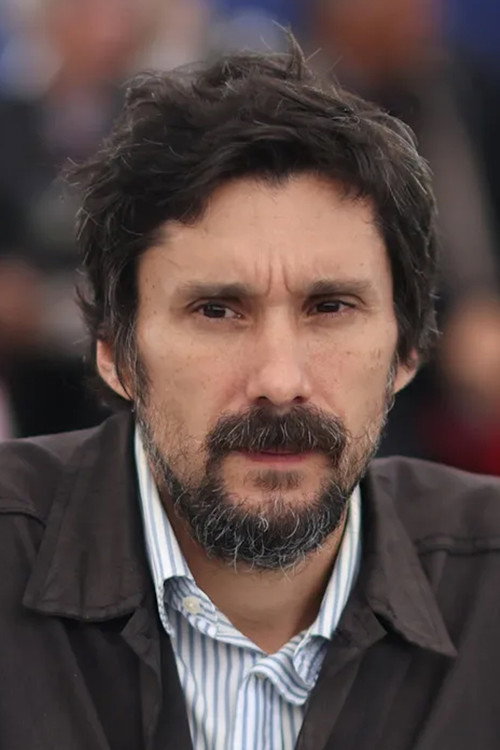
Lisandro Alonso (born 2 June 1975) is an Argentine film director and screenwriter. Recognized as a leading figure in slow cinema and the New Argentine Cinema movement, he is known for his minimalist, observational films that follow solitary figures moving through remote landscapes, blending elements of documentary and fiction. All seven of his feature films have premiered at the Cannes Film Festival, and his 2014 film Jauja won the FIPRESCI Prize in the Un Certain Regard section. Description above from the Wikipedia article Lisandro Alonso, licensed under CC-BY-SA, full list of contributors on Wikipedia.

Known For

In 1950s Mexico City, William Lee, an American ex-pat in his late forties, leads a solitary life amidst a small American community. However, the arrival in town of Eugene Allerton, a young student, stirs William into finally establishing a meaningful connection with someone.
Queer

A cowboy arrives in a town in search of his daughter, a native policewoman arrests various offenders in a snowy landscape, while her niece, a basketball coach, reunites with her grandfather for a decisive journey that will shape her future, and a bird flies through time and space and begins to enter the minds and dreams of a native tribe in the Amazon jungle.
Eureka

Deep within Buenos Aires's labyrinthine subway system, a train mysteriously disappears along with it's 30 passengers. The subway officials are greatly troubled and call in topographer Daniel Pratt to help them find it. Unfortunately, the tunnels are so vast and complex, that Pratt needs his mentor Hugo Mistein to help him. Unfortunately, he too has vanished.
Moebius

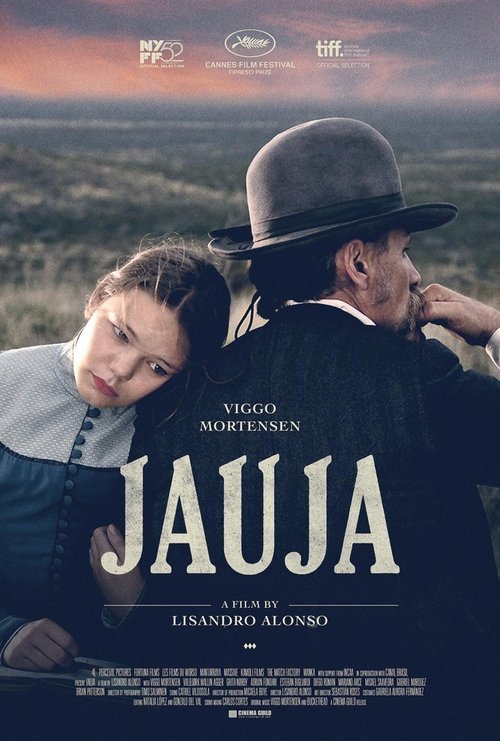
A father and daughter journey from Denmark to an unknown desert that exists in a realm beyond the confines of civilization.
Jauja
A remake of Abbas Kiarostami's Taste of Cherry. Plot TBA.
The Scent of the Pitanga

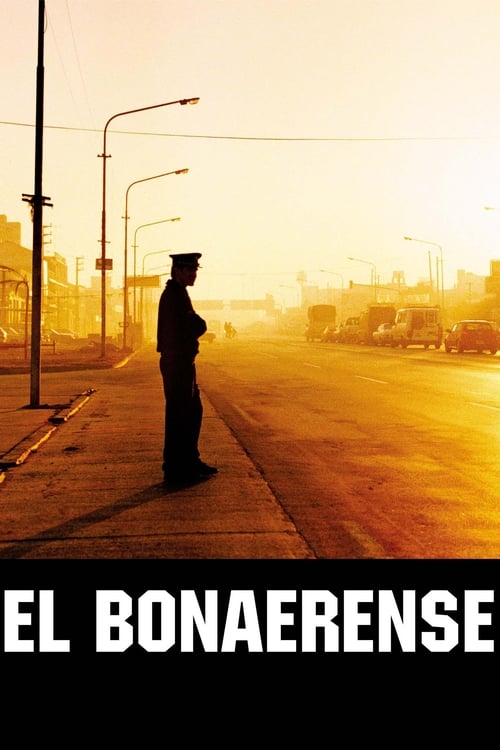
Zapa is a locksmith in a remote and quiet little town, lost somewhere deep in the province of Buenos Aires. After getting involved in a crime, his uncle, a retired policeman, bails him out and gets him a spot to join the Provincial Police as an aspiring officer in the thick urban sprawl of Greater Buenos Aires' West Zone. Soon he will get involved in a new type of corruption.
El bonaerense

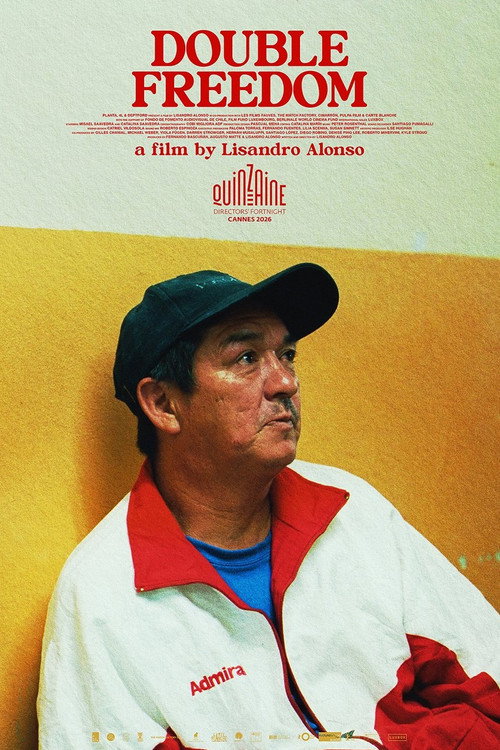
Misael works alone with his axe, cutting down trees in the woods. An unexpected responsibility upends his life, and the logic of his days fades away in a nature where human reason holds no meaning.
Double Freedom

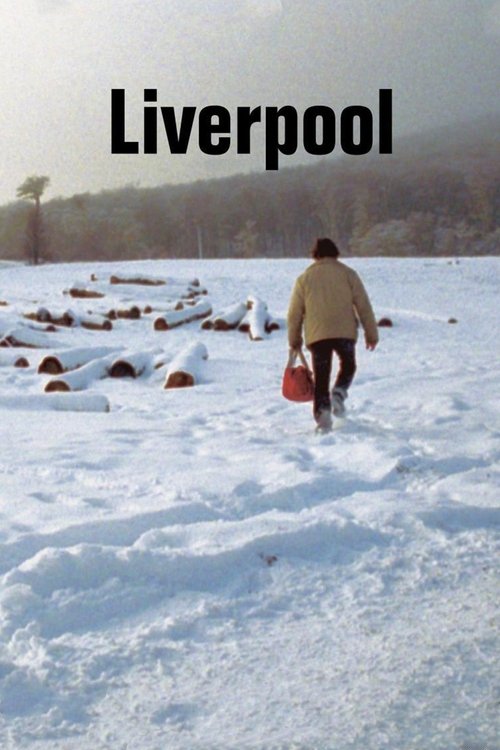
A sailor takes a short leave to visit his hometown and see if his mother is still alive.
Liverpool

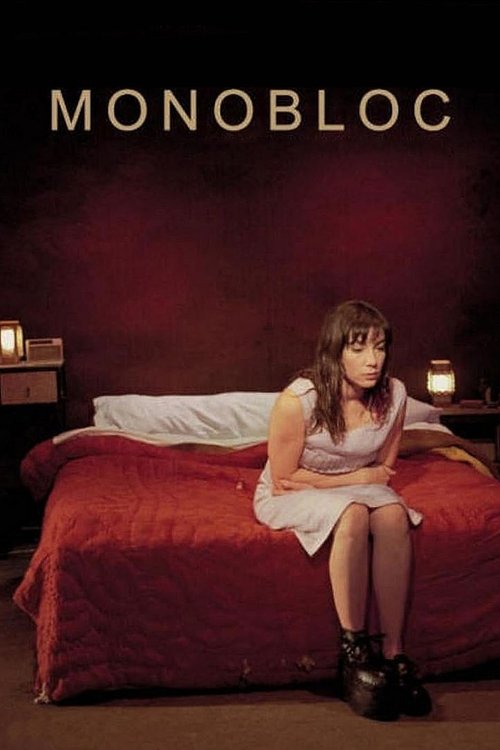
The godmother and Perla are the world to "the little girl," a world defined by the four walls of a studio apartment with one window looking nowhere. Only space and alter the monotony, the blood transfusion sessions to which must be submitted Pearl and almost anonymous sexual encounters of the baby.
Monobloc

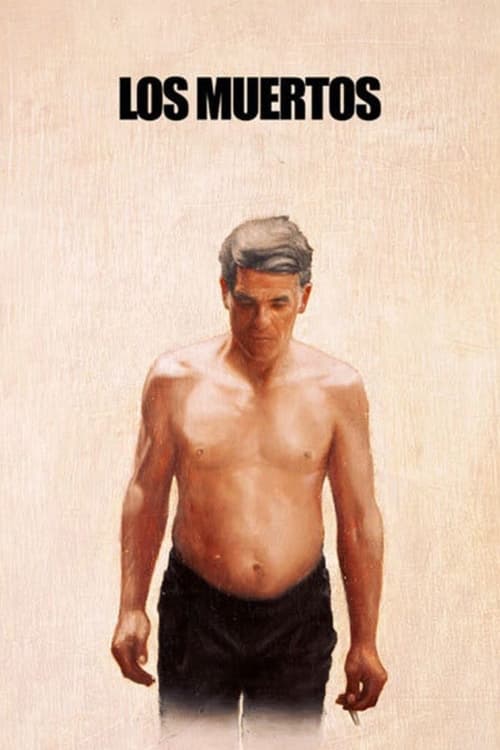
Vargas, a 54 year old man, gets out of jail in the province of Corrientes, Argentina. Once released, he wants to find his now adult daughter, who lives in a swampy and remote area. A deep mystery surrounds him.
Los Muertos

From first love to first divorce, Romina and Flor experience different stages of their lives together, in Argentinian director Constanza Novick's exploration of friendship between women.
The Future Ahead

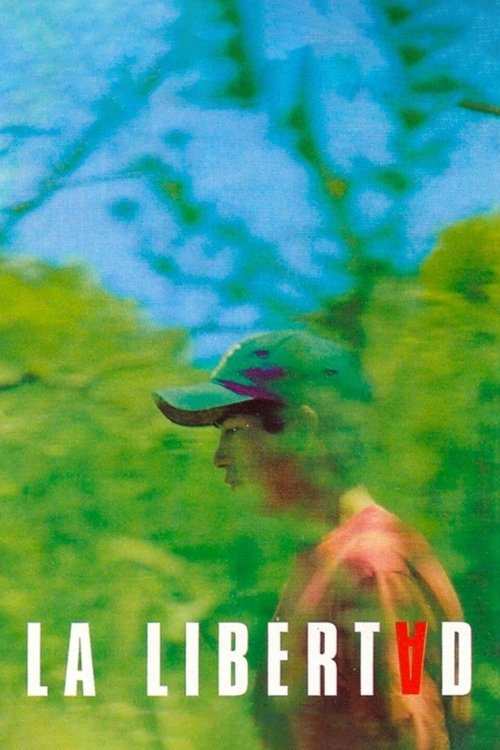
A man chops down trees, organizes the trunks, cleans them, stops to defecate, has lunch, takes a nap and continues to sell his timber.
La libertad

The portrait of a man and his attempts to make things up with life after losing his job.
Crane World

The exhibition 'The Complete Letters' features epistolary works defined by cinematographic creation. This is an experimental communication format used between pairs of film directors. Although each director is situated in a location geographically distant from that of their partner, they are united by their willingness to share ideas and reflections on all that motivates their work. Within this space of freedom, the directors featured in the exhibition examine their affinities and differences, within an environment of mutual respect and simultaneity of interests and with notable formal variants established in each of the correspondences.
Cinematic Correspondences: Albert Serra – Lisandro Alonso

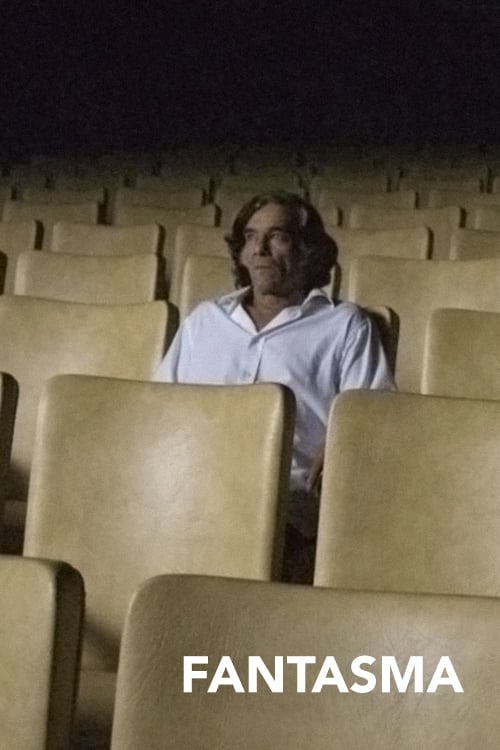
A solitary man's only pastime is to go to a movie theatre, the Teatro San Martín, on Corrientes Avenue in Buenos Aires. There he exorcises his ghosts.
Fantasma

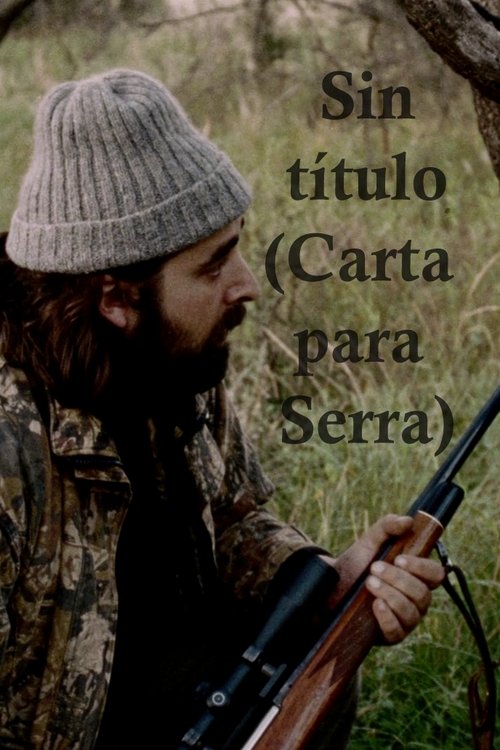
Lisandro Alonso returns to La Pampa, to the same locations of Freedom, to shoot his Carta para Serra (or Sin título), with a camera that seems to float among the vegetation. He has the company of Misael Saavedra, and yet instead of looking back (or making a tribute to his actors, because that was the subject in Fantasma) this movie seeks to be a prologue for his next one.
Untitled (Letter to Serra)
Filmed in digital by Juan Manuel Seoane, this documentary explores the shooting of "Los Muertos" by Lisandro Alonso through a montage of raw recordings where no one talks to or explains anything to the camera. Editing by Delfina Castagnino and Lisandro Alonso. (FILMAFFINITY)
The making of Los Muertos

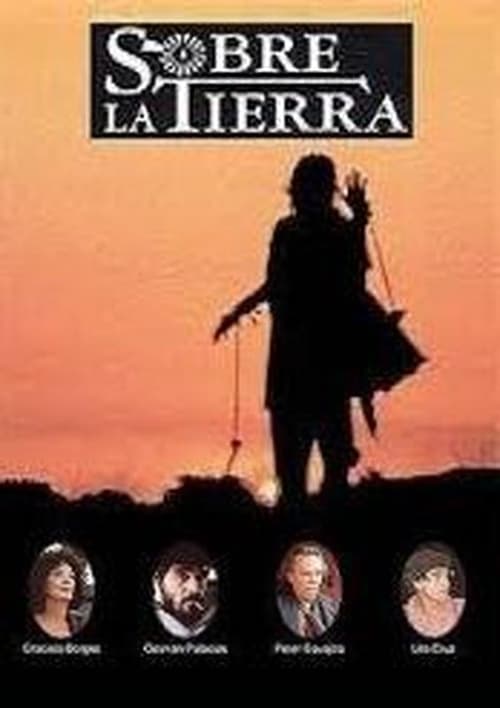
A German baroness and her ailing husband arrive at a mansion in the middle of the countryside in Argentina in the decade of the 30s.
Sobre la tierra

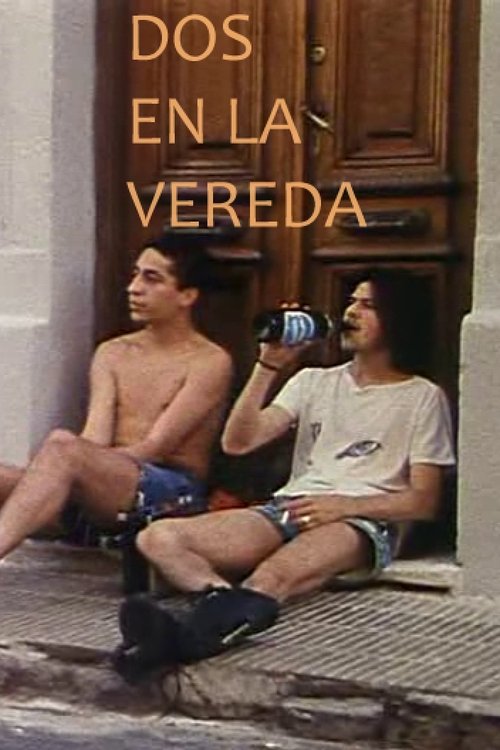
Two boys are sitting on the street, drinking alcohol and talking.
Two on the Pavement

Lisandro Alonso creates a face-to-face encounter with the wild in the beguiling and enigmatic, a moment observed in a seemingly floating abyss.