Hiroyuki Abe
Acting
Known For
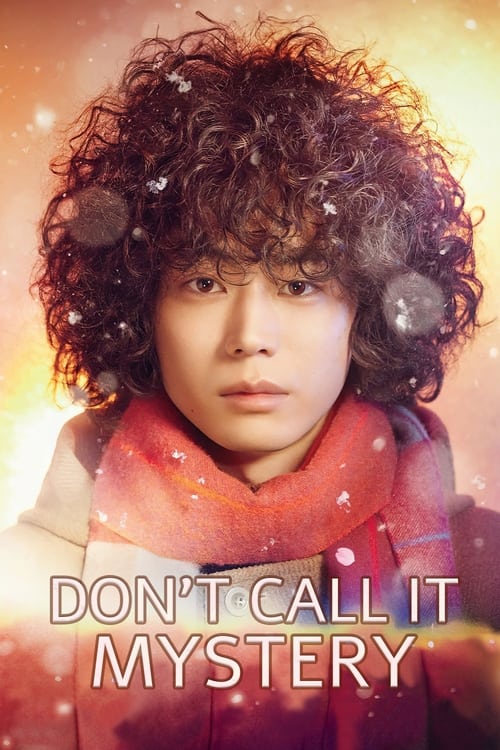
University student Kuno Totono is the type who constantly questions what is taken for granted in society and develops his own theories based on his vast knowledge and unique set of values. One day in autumn, the police come to see him. His university schoolmate has been murdered at a park nearby and the police apparently regard Totono with suspicion. He is asked to come with them for questioning. In the interrogation room, the police are manipulated by Totono who tends to digress from the topic and poke at their contradictions. He even correctly guesses that one of them is troubled about not getting along with the wife and ends up giving advice. However, Totono’s fingerprints are eventually discovered on the murder weapon.
Don't Call It Mystery
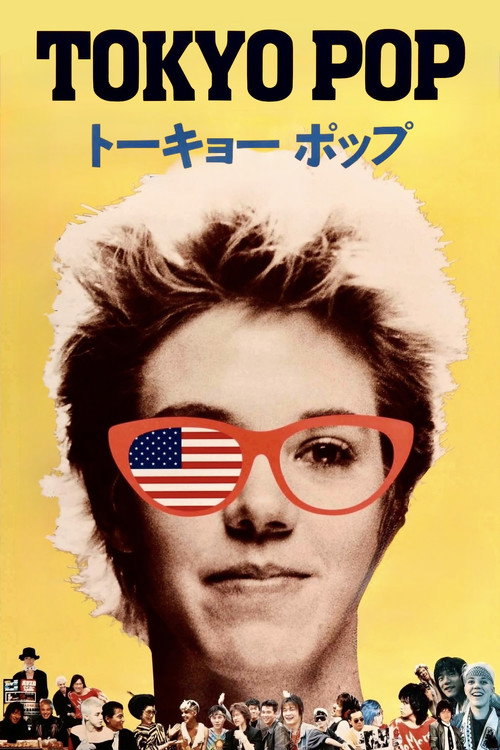
A young rock singer is not appreciated by her band, and gets a postcard from Japan saying "wish you were here". She takes what little money she has including ex-boyfriend's rent money and goes to Tokyo. She has numerous cross-cultural adventures and ends up singing with a Japanese rock group looking for a gaijin gimmick.
Tokyo Pop
On March 11, 2011, Japan's Tohoku coastal region was destroyed by a 9.0 magnitude earthquake and devastating tsunami that followed. PRAY FOR JAPAN takes place in the devastated region of Ishinomaki, Miyagi - the largest coastal city in Tohoku with a population of over 160,000 people. Filmmaker Stu Levy - an American living in Japan - filmed the tsunami aftermath during his trips to Tohoku as a volunteer and over a period of 6 weeks, captured over 50 hours of footage. PRAY FOR JAPAN focuses on four key perspectives of the tragedy - School, Shelter, Family, and Volunteers. With each perspective we meet victims who faced significant obstacles and fought to overcome them. Through these four vantage points, the audience is able to understand the vast ramifications of this large-scale natural disaster - and the battle these real-life heroes fought on behalf of their loved ones and their hometown.