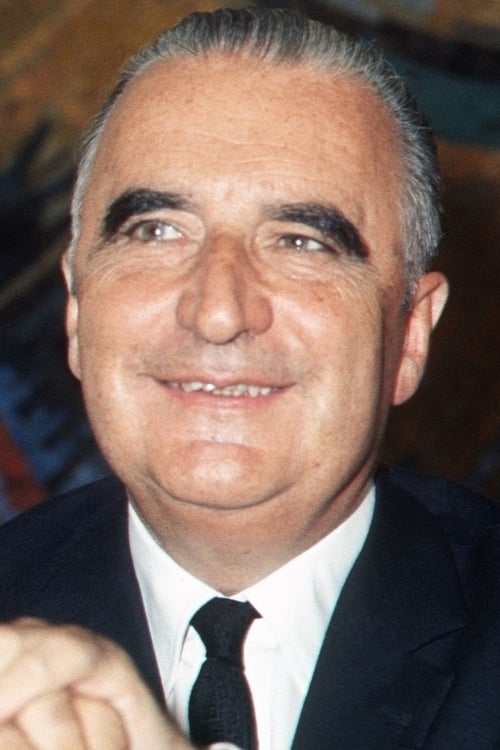
Georges Pompidou
Acting
Biography
Georges Jean Raymond Pompidou (5 July 1911 – 2 April 1974) was a French politician who served as President of France from 1969 until his death in 1974. He previously was Prime Minister of France of President Charles de Gaulle from 1962 to 1968—the longest tenure in the position's history. He had long been a top aide to President Charles de Gaulle. In the context of the strong growth of the last years of the Trente Glorieuses, Pompidou continued De Gaulle's policy of modernisation, symbolised by the presidential use of the Concorde, the creation of large industrial groups and the launch of the high-speed train project (TGV). The State invested heavily in the automobile, agri-food, steel, telecommunications, nuclear and aerospace sectors. It also created the minimum wage (SMIC) and the Ministry of the Environment. His foreign policy, pragmatic although in keeping with the Gaullist principle of French independence, was marked by a warming of relations with Nixon's United States, as well as by close relations with Brezhnev's USSR, the launch of the Snake in the tunnel and the relaunching of European construction by the entry of the United Kingdom into the EEC, an idea which his predecessor at the Élysée Palace had opposed. Pompidou died in office in 1974 of Waldenström's disease, a rare form of blood cancer. His presidency is generally held in high esteem by French political commentators. A man of letters, he belongs to a long line of French statesmen with an excellent writing style. His "Anthology of French Poetry" is still a reference today and is part of the school curriculum. While he was passionate about contemporary art, his name remains known worldwide for the Centre national d'art et de culture Georges-Pompidou, which he initiated, which was inaugurated in 1977 and which subsequently spread the name with its branches in Metz (France), Malaga (Spain), Brussels (Belgium) and Shanghai (China). A Georges Pompidou Museum is also dedicated to him in his home town. The family of Georges Pompidou was of very modest origins: he was the grandson of farmers of modest means in Cantal on both his father's and his mother's side. His parents were teachers. Thus his case is often cited as a typical example of social mobility in the Third Republic, thanks to public schooling. Georges Jean Raymond Pompidou was born on 5 July 1911 in the commune of Montboudif, in the department of Cantal in central France. After his hypokhâgne at Lycée Pierre-de-Fermat and his khâgne at Lycée Louis-le-Grand, where he befriended future Senegalese poet and statesman Léopold Sédar Senghor, he attended the École Normale Supérieure, from which he graduated with a degree of agrégation in literature. He first taught literature at the lycée Henri IV in Paris until hired in 1953 by Guy de Rothschild to work at Rothschild. In 1956, he was appointed the bank's general manager, a position he held until 1962. Later, he was hired by Charles de Gaulle to manage the Anne de Gaulle Foundation for Down syndrome (de Gaulle's youngest daughter Anne had Down syndrome). ... Source: Article "Georges Pompidou" from Wikipedia in English, licensed under CC-BY-SA 3.0.
Known For
Current affairs programme, featuring interviews and investigative reports on a wide variety of subjects.
Panorama
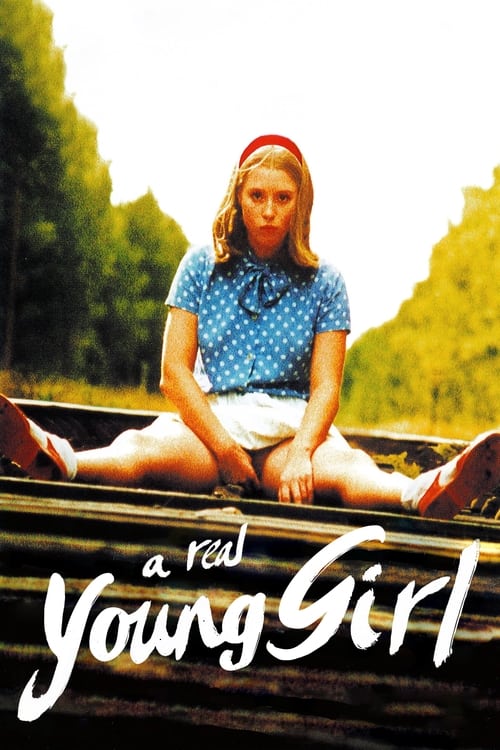
Reluctantly, a sulky adolescent returns to her parents' house for yet another boring summer vacation, dabbling in desire and the art of desirability, eventually mixing reality with vision, caged fantasies with the fierce female sexuality.
A Real Young Girl
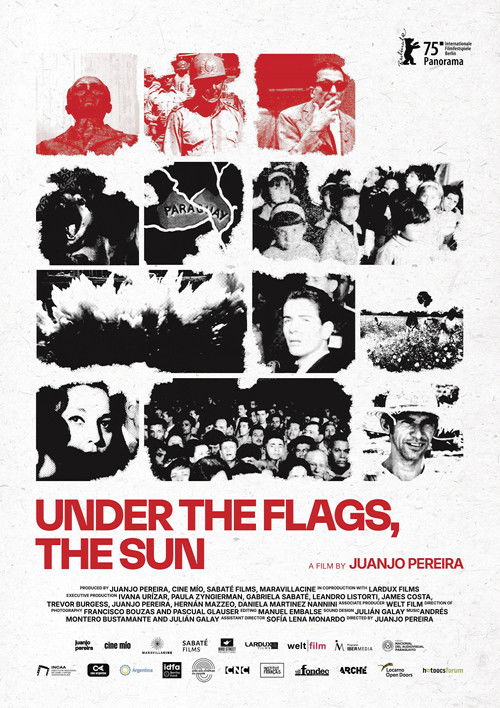
This fully archival journey through the 35 years of Alfredo Stroessner’s regime in Paraguay reveals unseen footage and explores one of the longest-running dictatorships in history, whose effects still resonate today.
Under the Flags, the Sun

The behind-the-scenes story of French television… This documentary unveils the lesser-known history of two audiovisual decades that have shaped today's television. To explain from the break up of the French broadcasting service ORTF, in 1974, to the creation of Arte, via the birth of Canal+, the life and death of La Cinq and the privatization of TF1 — the succession of political, economic and cultural decisions that have shaped what is known as the “PAF” (French Audiovisual Landscape).
Télévision (histoires secrètes)
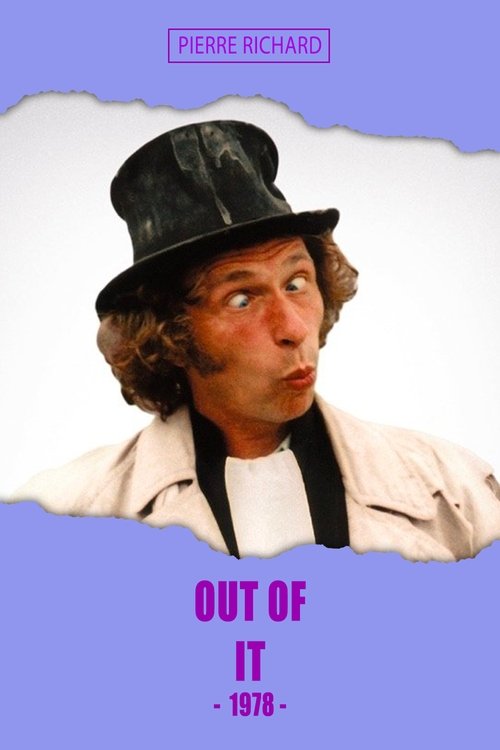
The lawyer is visiting a prison to meet with a violent criminal who has been condemned to death. During the visit, things turn bad, there is a riot where prisoners escape and the criminal escapes taking a lawyer hostage.
Out of It
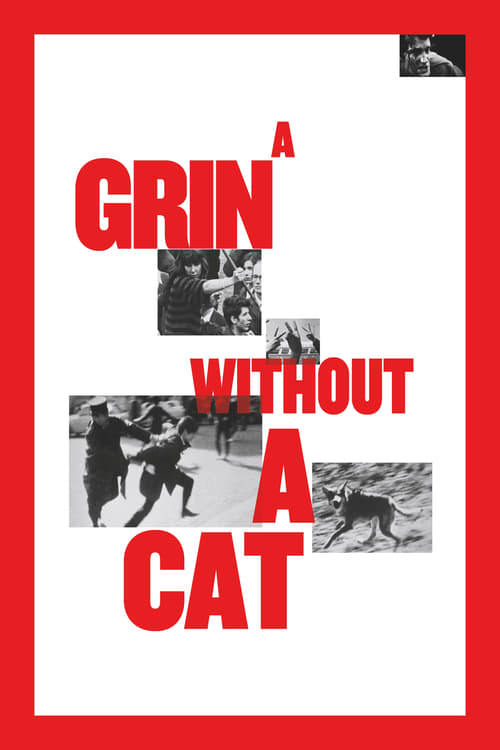
Chris Marker’s A Grin Without a Cat is an epic political essay tracing the rise and decline of the global left from the 1960s to the 1970s. Through archival footage and commentary, the film examines revolutionary movements in France, Latin America, and beyond, reflecting on the ideals, failures, and fading hopes of a generation.
A Grin Without a Cat
A mental journey - historical, political, musical and metaphysical - in contemporary times, from the Sixties until nowadays.
Stupor Mundi: Livre 1, Rituel de décapitation du pape
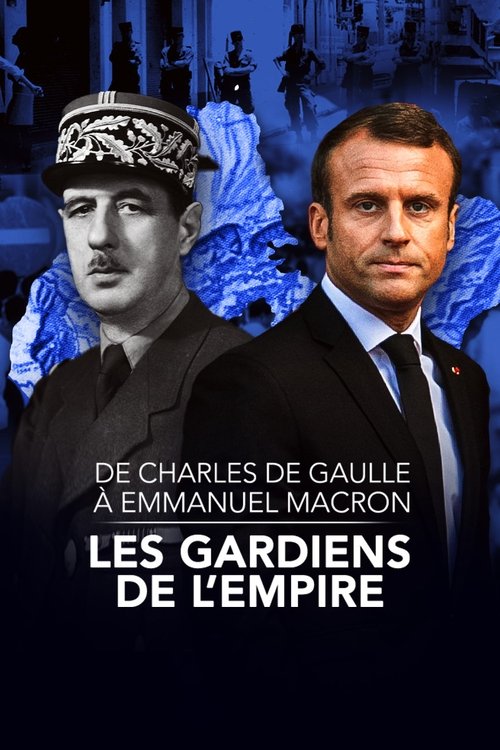
No description available.
De Charles de Gaulle à Emmanuel Macron, les gardiens de l'empire
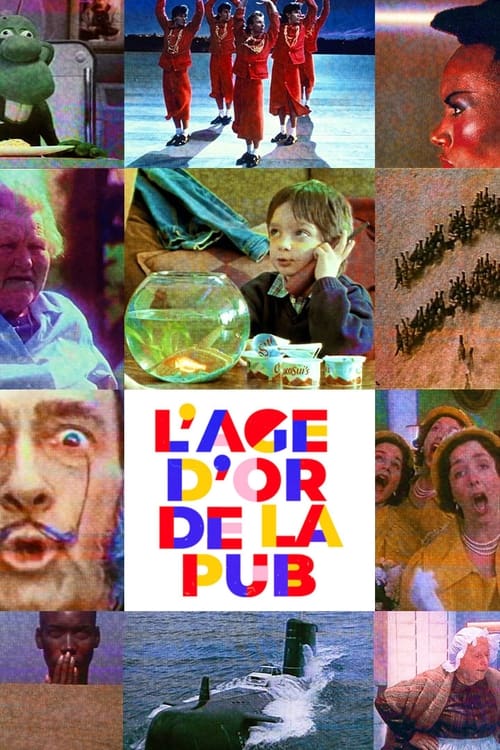
55 years ago, on October 1 1968, the first brand advertising spot appeared on the French television screen. Over the next three decades, thousands of creative little films would seduce and build our collective memory. Kitschy or cult spots, humor, slogans, music, stars, gimmicks, grand spectacle or sex appeal: during its golden age, how did advertising convince? Thierry Ardisson has brought together almost 400 advertising clips to relive the era of the conquest of minds and wallets.
L'Âge d'or de la pub

Guy Debord's analysis of a consumer society.
The Society of the Spectacle
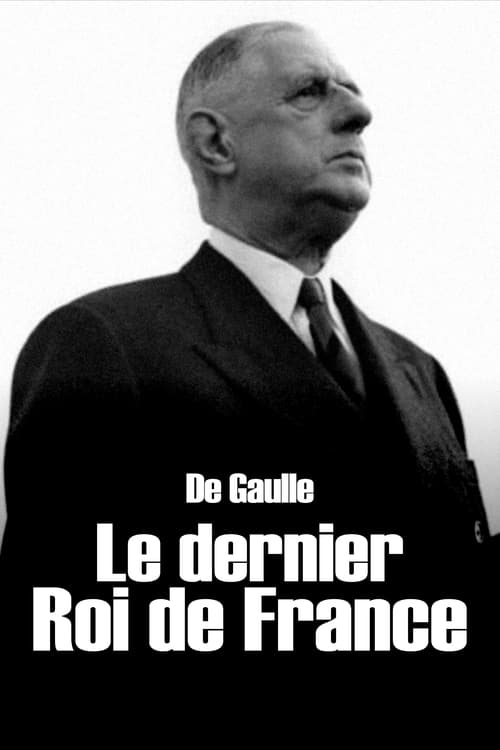
Charles de Gaulle, the first president (1958-1969) of the Vth Republic, France’s current system of government, left his mark on the country . He was statesman of action and has been compared to a monarch. This film depicts the general’s personality through the great events of his presidential term, at a time when the world was undergoing considerable changes.
De Gaulle, the Last King of France
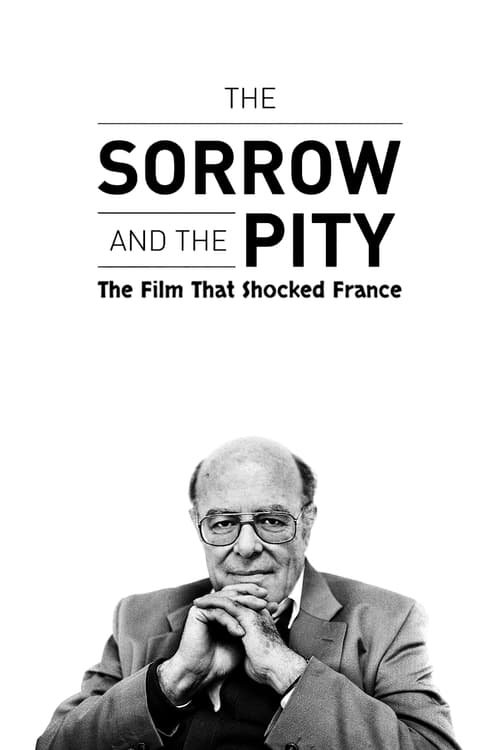
The story of the documentary The Sorrow and the Pity (1971), directed by Marcel Ophüls, which caused a scandal in a France still traumatized by the German occupation during World War II, because it shattered the myth, cultivated by the followers of President Charles de Gaulle (1890-1970), of a united France that had supposedly stood firm in the face of the ruthless invaders.
The Sorrow and the Pity: The Film That Shocked France
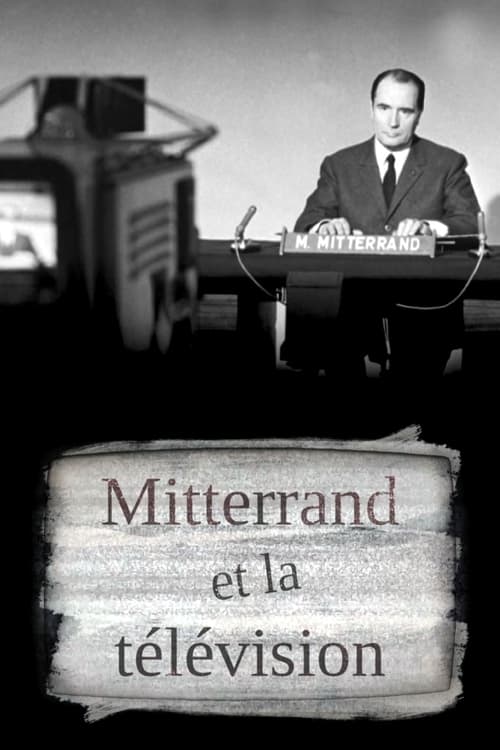
May 10th, 1981. François Mitterrand is elected President of the Republic. The “soviet tanks” supposedly coming upon the Champs-Élysées dressed in red, feared by some, did not march. Serge Moati takes a personal look at this episode, focusing on the relationship the president had with television, that he witnessed and played a role in.
Mitterrand et la télé
No description available.
Madame Soleil, la femme qui était supposée savoir
No description available.
Bokassa Ier, empereur de Françafrique
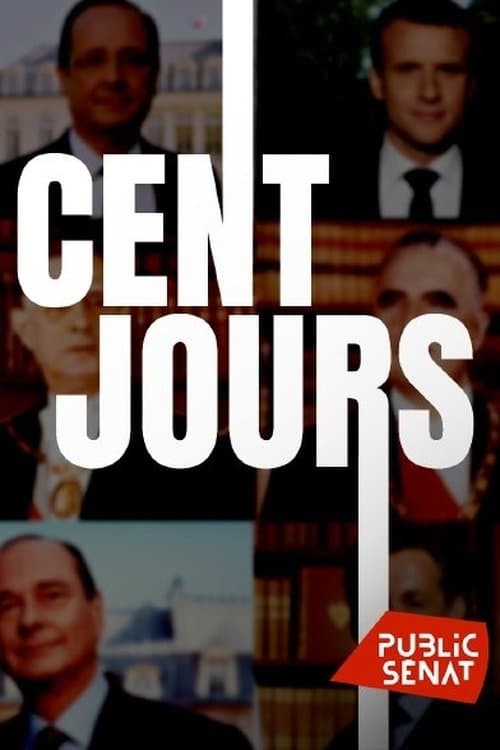
From the first minutes after his inauguration, the newly elected president wants to translate his promises and his campaign project into action. "Change is now", "Change life", "Together everything becomes possible": all campaign slogans promising a break with the past, a change. The first few months were decisive: it was a matter of making a mark, asserting one's style, imposing one's authority and taking the first measures, those that would make a mark on public opinion and set the first lines of the political narrative in history. From 1959 to 2017, the eight successive presidents have acted without delay. Thanks to the many witnesses and actors of these first hundred days, the film retraces the stakes and decisive moments that marked the beginning of each mandate.
Cent jours

No description available.
TGV, génie français du rail
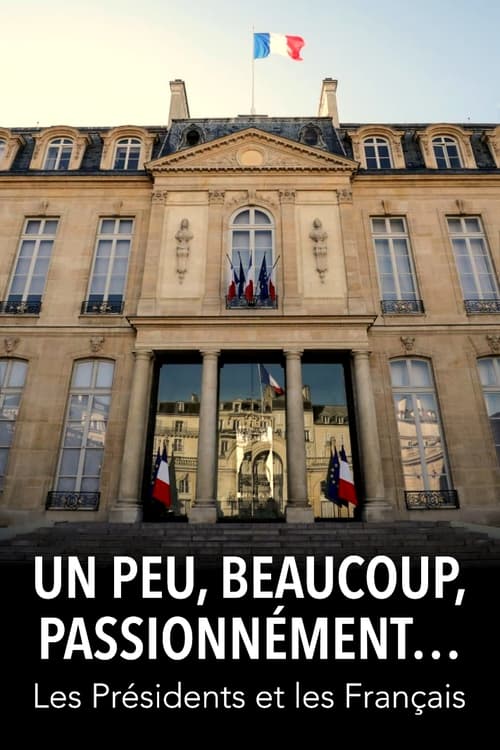
No description available.
Un peu, beaucoup, passionnément... Les Présidents et les Français
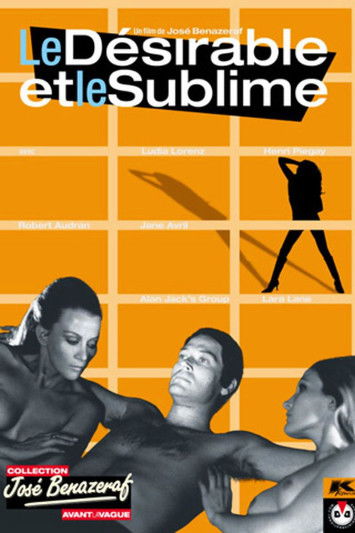
A couple has found peace in a strange manor by the sea but, on a hot evening, a visitor comes, troubling their solitude. However, three is not actually a crowd and they start start talking, exchanging points of view about philosophy, sociology and politics, eroticism as well.