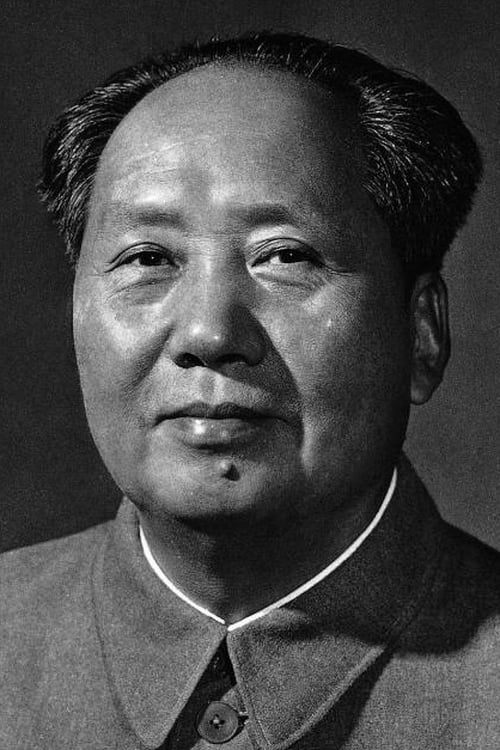
Mao Zedong
Acting
Biography
Mao Zedong or Mao Tse-tung (also known as Chairman Mao) was a Chinese communist revolutionary and founding father of the People's Republic of China. His Marxist–Leninist theories, military strategies, and political policies are collectively known as Maoism or Marxism-Leninism-Maoism. A controversial figure, Mao is regarded as one of the most important individuals in modern world history, and is also known as a theorist, military strategist, poet and visionary.
Known For
Daily interviews discussing the guest's personal lives and national contingency.
Mentiras verdaderas
Infographics and archival footage deliver bite-size history lessons on scientific breakthroughs, social movements and world-changing discoveries.
History 101
An immersive 360-degree narrative telling the epic story of the Vietnam War as it has never before been told on film. Featuring testimony from nearly 80 witnesses, including many Americans who fought in the war and others who opposed it, as well as Vietnamese combatants and civilians from both the winning and losing sides.
The Vietnam War

A look at President Richard M. Nixon—a man carrying the fate of the world on his shoulders while battling the self-destructive demands from within—spanning his troubled boyhood in California to the shocking Watergate scandal that would end his Presidency.
Nixon
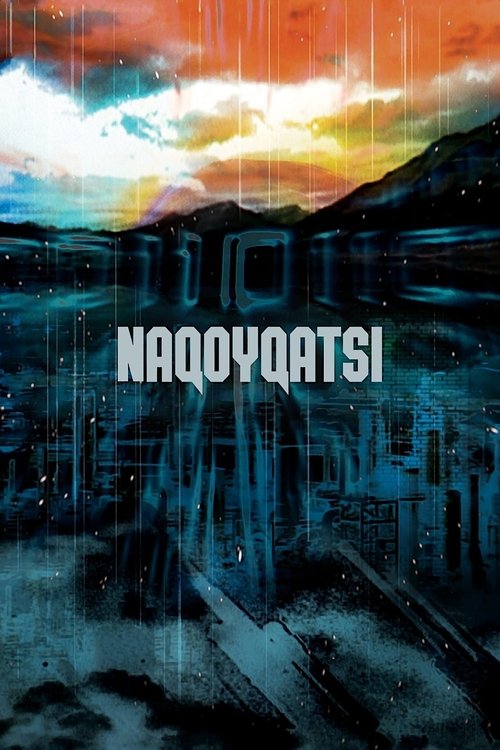
A visual montage portrait of our contemporary world dominated by globalized technology and violence.
Naqoyqatsi
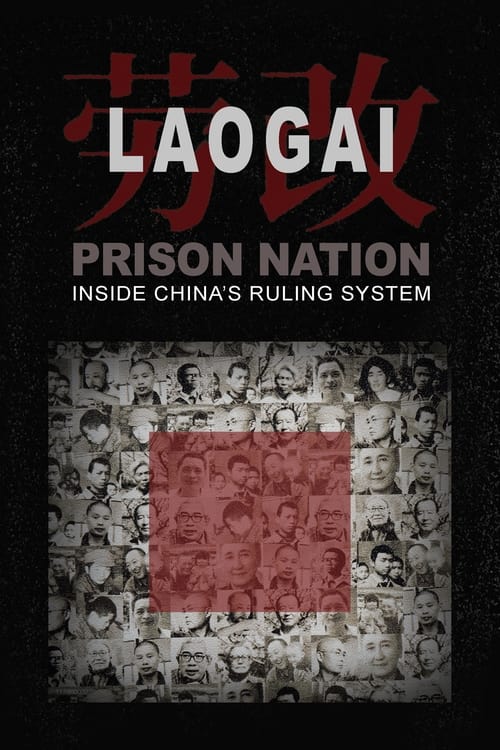
After the founding of the People's Republic of China in 1949, Mao Tsetung established a system of labor camps for systematic repression, known as Laogai, an abbreviation for "Reform Through Labor". In such camps, forced labor and physical and mental torture were used to bring about a so-called mental reform, re-education in the spirit of the Chinese Communist Party. Millions of Chinese were affected. Many were executed. In hundreds of camps, the Party took advantage of the prisoners' free labor to build the economy. Self-criticism and denunciation were often the only way to escape martyrdom. Successive waves of purges culminated in the Cultural Revolution, which saw massive human rights abuses, political assassinations, massacres, and exiles in remote parts of the country. Using unreleased archive footage, the documentary tells the story of the invention, development and improvement of China's totalitarian system of surveillance and repression up to the present day, never told before.
Laogai: Prison Nation - Inside China's Ruling System
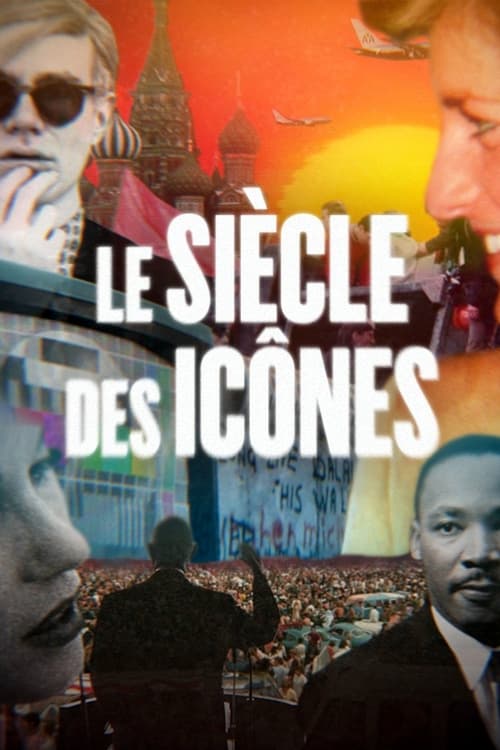
No description available.
The Century of Icons
Communism spread to all of the continents of the word, lasting through four generations and over seven decades. Hundreds of millions of men and women were affected by this political system, one of the most unjust and bloodiest in history. Using newly discovered propaganda films and archival photos, these four episodes explore the mysteries of this totalitarian political machine that lured its share of important followers into the fold. Known as the red church, communism seduced its ardent followers like some earthly religion.
Faith of the Century: A History of Communism
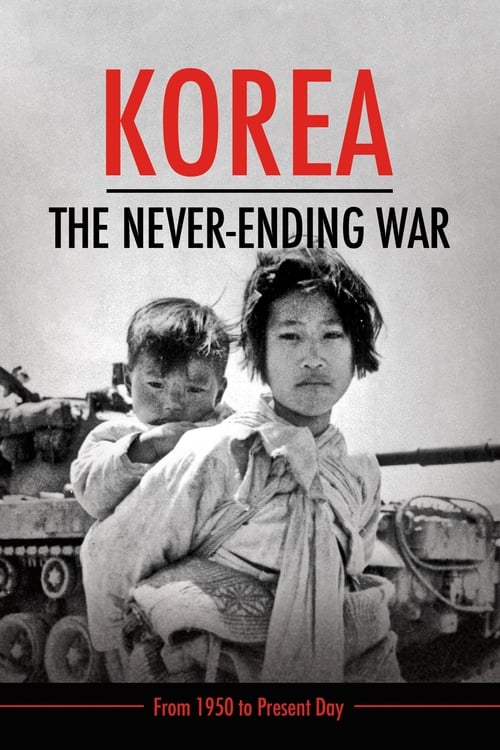
Shedding new light on a geopolitical hot spot, the film — written and produced by John Maggio and narrated by Korean-American actor John Cho — confronts the myth of the “Forgotten War,” documenting the post-1953 conflict and global consequences.
Korea: The Never-Ending War
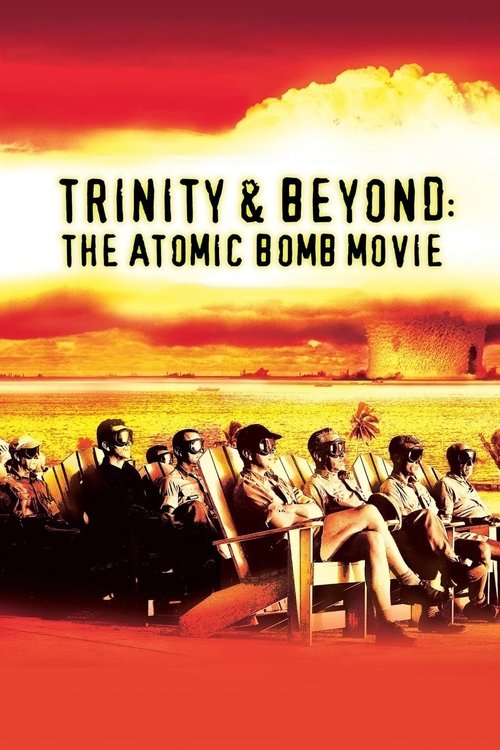
"Trinity and Beyond" is an unsettling yet visually fascinating documentary presenting the history of nuclear weapons development and testing between 1945-1963. Narrated by William Shatner and featuring an original score performed by the Moscow Symphony Orchestra, this award-winning documentary reveals previously unreleased and classified government footage from several countries.
Trinity and Beyond: The Atomic Bomb Movie
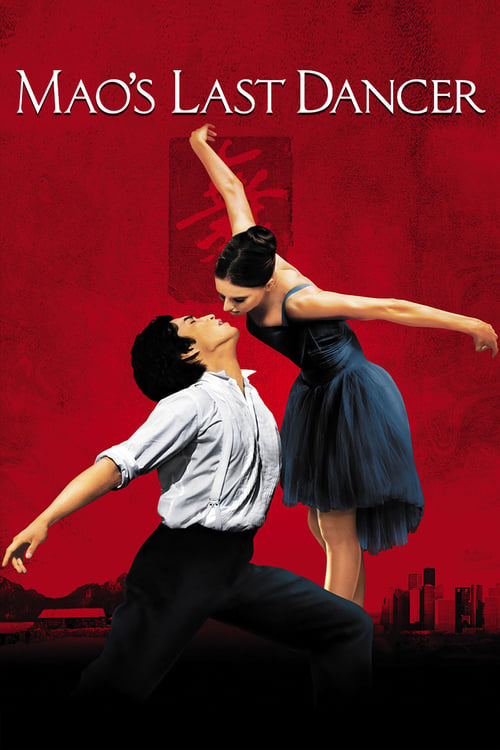
At the age of 11, Li was plucked from a poor Chinese village by Madame Mao's cultural delegates and taken to Beijing to study ballet. In 1979, during a cultural exchange to Texas, he falls in love with an American woman. Two years later, he managed to defect and went on to perform as a principal dancer for the Houston Ballet and as a principal artist with the Australian Ballet.
Mao’s Last Dancer
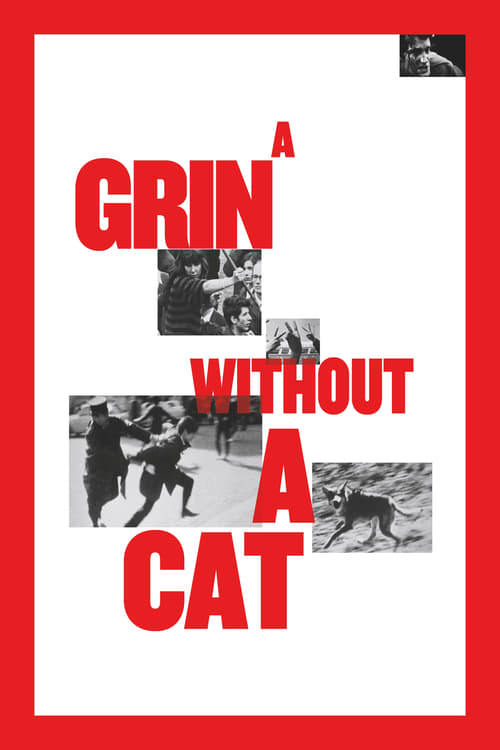
Chris Marker’s A Grin Without a Cat is an epic political essay tracing the rise and decline of the global left from the 1960s to the 1970s. Through archival footage and commentary, the film examines revolutionary movements in France, Latin America, and beyond, reflecting on the ideals, failures, and fading hopes of a generation.
A Grin Without a Cat

No description available.
Mao In Colour
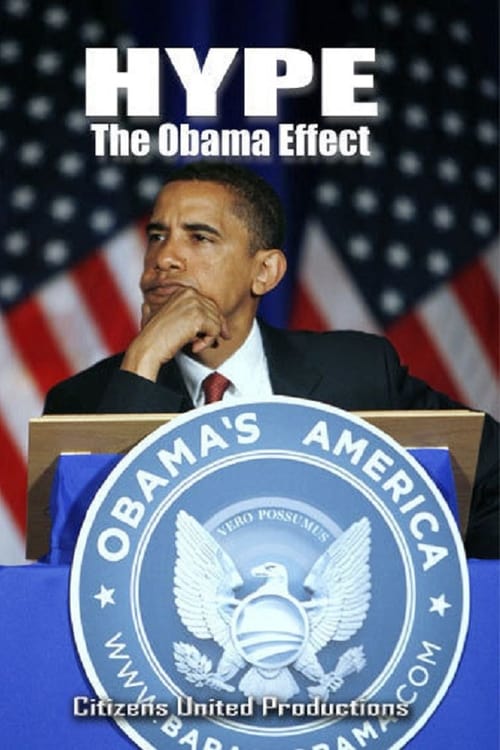
Delving beneath the hype of Barack Obama's historic bid for the U.S. presidency, this documentary takes a close look at Obama's work in the Illinois state senate, his record in the U.S. Senate and his words on the campaign trail. Featuring interviews with numerous Washington insiders, media experts and politicians, the film scrutinizes Obama's record on taxes, immigration, energy, health care, abortion, foreign policy, Iraq and more.
Hype: The Obama Effect
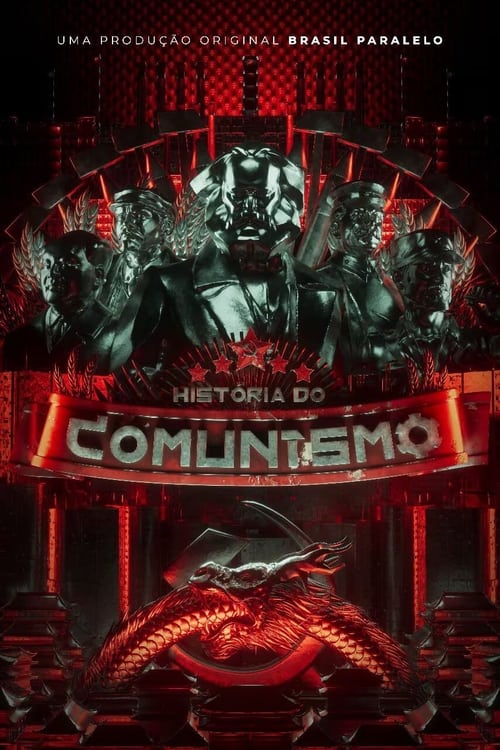
No description available.
História do Comunismo
The real reasons and orchestrators behind Hitler, to an incredible theory of the JFK assassination, all the way to 9/11 and the current age of the terrorist. Taken from an historical perspective starting around World War 1 leading to present day.
JFK to 9/11: Everything is a Rich Man's Trick

Guy Debord's analysis of a consumer society.
The Society of the Spectacle

A contemporary history of Korea(s) from a unique point of view that embraces the inner history of both South and North Korea in a single narrative.
Korea, A Hundred Years of War
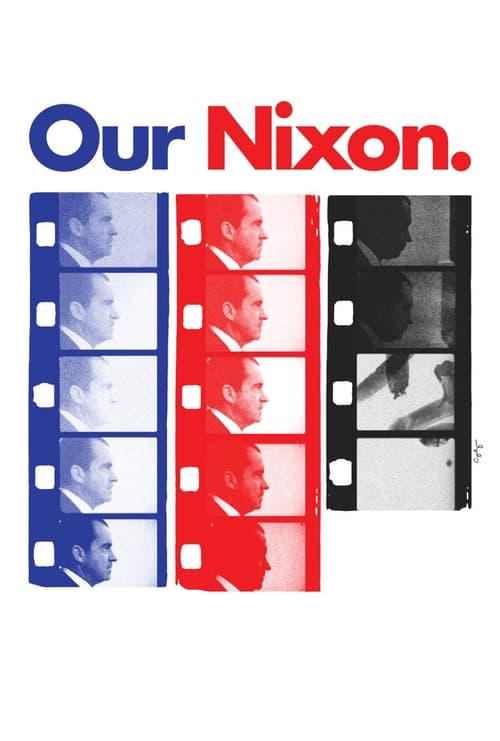
Never before seen Super 8 home movies filmed by Richard Nixon's closest aides - and convicted Watergate conspirators - offer a surprising and intimate new look into his Presidency.
Our Nixon
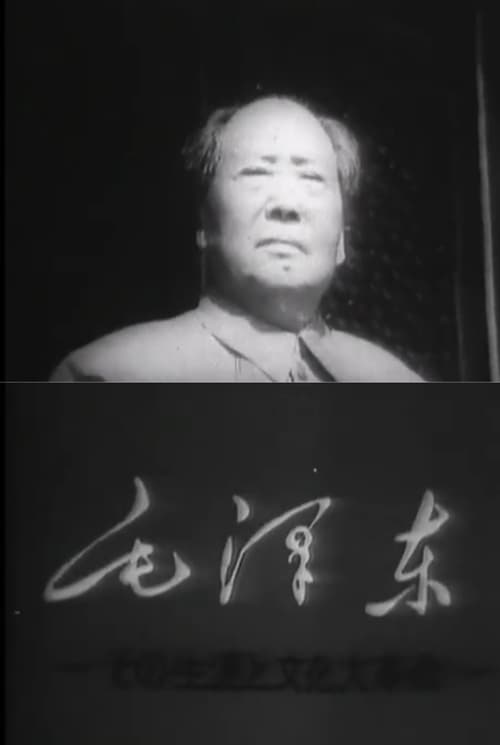
Nagisa Oshima's documentary details the rise of Chairman Mao during the revolution and shows the Communist Party's struggle and cultural upheaval. Made in 1969 for NTV station, this TV documentary also questions Mao's dictator tendency during the cultural revolution.