Jacques Duclos
Acting
Biography
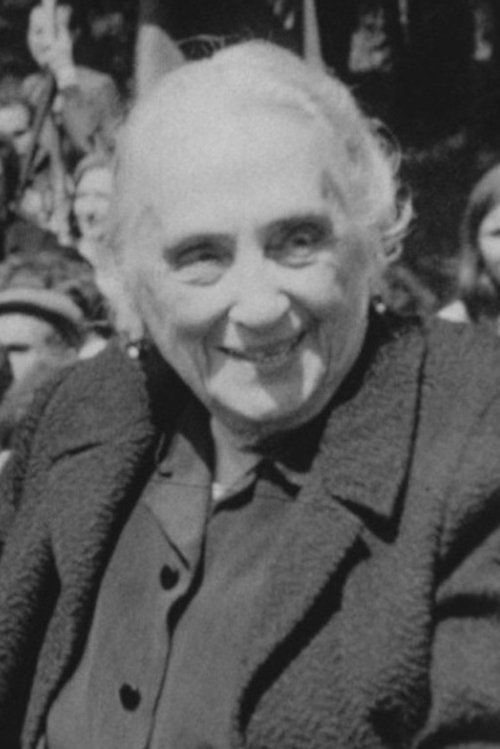
Jacques Duclos (2 October 1896 – 25 April 1975) was a French Communist politician who played a key role in French politics from 1926, when he entered the French National Assembly after defeating Paul Reynaud, until 1969, when he won a substantial portion of the vote in the presidential elections. Description above from the Wikipedia article Jacques Duclos, licensed under CC-BY-SA, full list of contributors on Wikipedia.
Known For

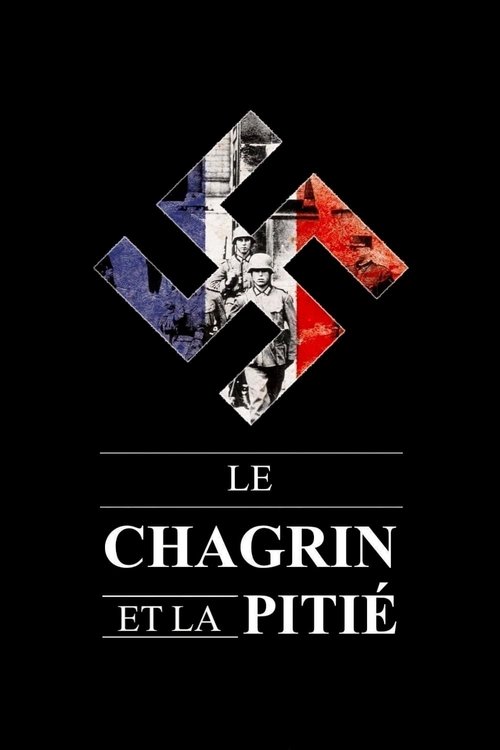
An investigation into the nature, details and reasons for the collaboration, from 1940 to 1944, during World War II, between the Vichy regime, established in the south of France and headed by Marshal Pétain, and Nazi Germany.
The Sorrow and the Pity

March 9th, 1953. A gray, sad day. Clouds float low over the Kremlin towers. A city that unrecognizably grew, prettier and matured - this Moscow froze in solemn grief. The country escorts its father and leader, Joseph Stalin.
Velikoye proshchaniye

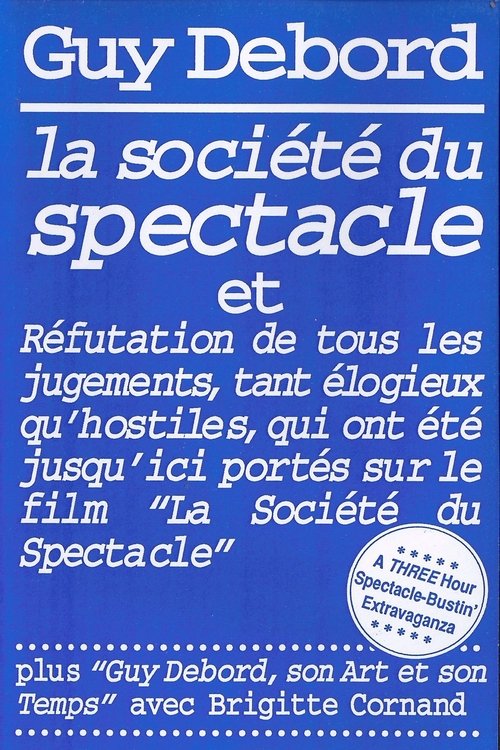
Guy Debord's analysis of a consumer society.
The Society of the Spectacle

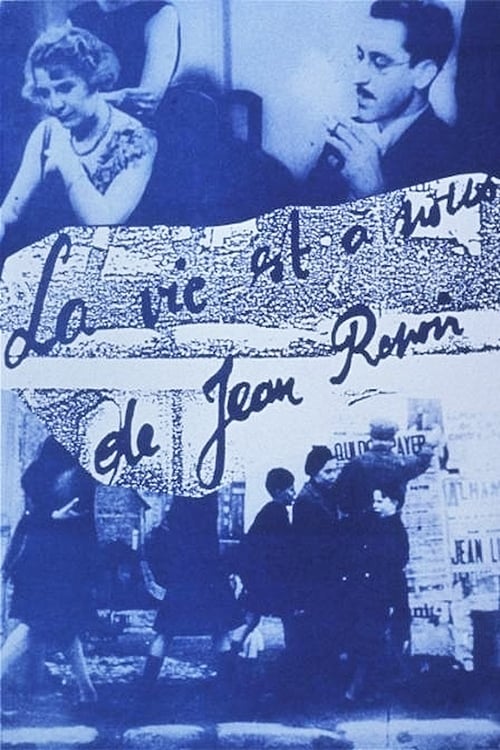
A propaganda film of the communist party of France, showing how the comrades help the proletariat against the capitalists.
Life Is Ours

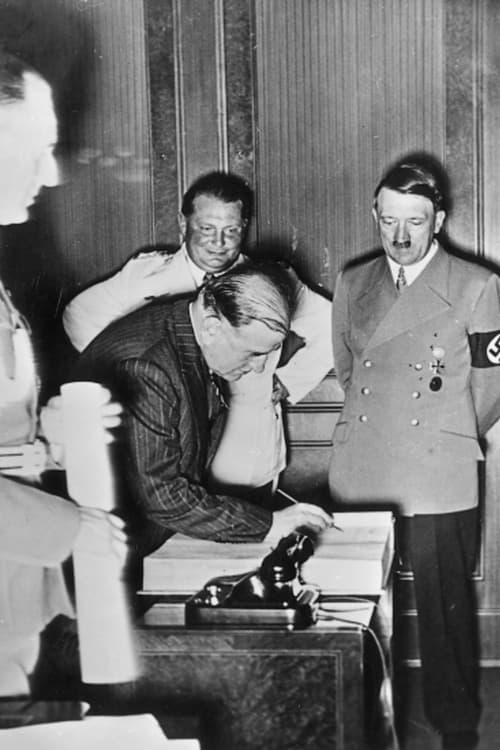
A television documentary directed by Marcel Ophüls examining the Munich Conference of September 28, 1938, when European leaders met to avert the outbreak of war. Through archival documents and interviews, the film reconstructs the political atmosphere surrounding negotiations between Britain and France on one side and Nazi Germany and Fascist Italy on the other, situating the agreement within the broader context of European appeasement in the face of fascism.
Munich, or Peace in Our Time

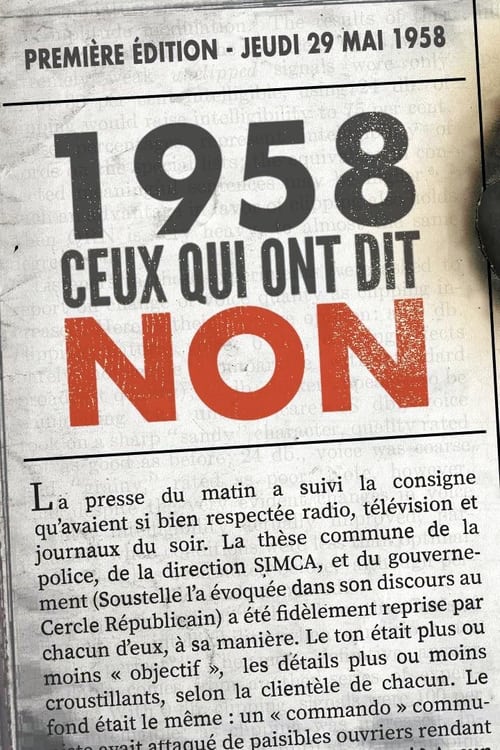
On October 4, 2018, France celebrated the 60th anniversary of the Fifth Republic. It is a republic born in the throes of the Algerian War and one which—from the day it was founded by General de Gaulle until the presidency of a very Jupiterian Emmanuel Macron—has been assailed as a “Republican monarchy” by partisans of a more assertive parliamentarian state. By revisiting the struggle of those who dared oppose the new regime — only to suffer a crushing defeat on September 28, 1958, when they were barely able to garner 20% of the vote against the constitutional text — this film shines a powerful new light on the origins of the Fifth Republic and its consequences for the next 60 years. It is a constitutional debate that planted the seeds for a complete upheaval of the French political landscape, on the left in particular, and set the country in motion toward what would be called the Union of the Left.
1958: Those Who Said No

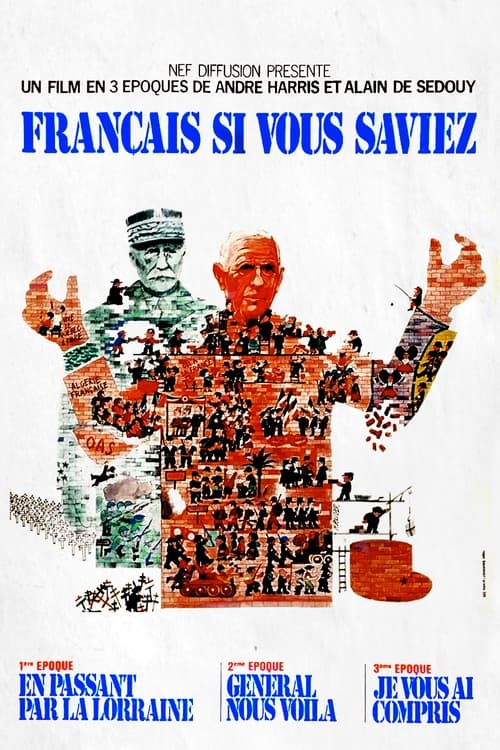
This almost 8 hour humongous 1973 documentary by two of the filmmakers who made The Sorrow and the Pity recounts fifty years of the history of France from the 1920s to 1972. It is particularly thorough in documenting the significance and rise to power of Charles De Gaulle. The film's most valuable contributions are its interviews with all sorts of people who lived through this period of history, from Marshall Petain's lawyer (Petain headed the Vichy government of occupied France) to resistance figures, and Frenchmen who fought on the side of the Nazis in Russia.
Français, si vous saviez

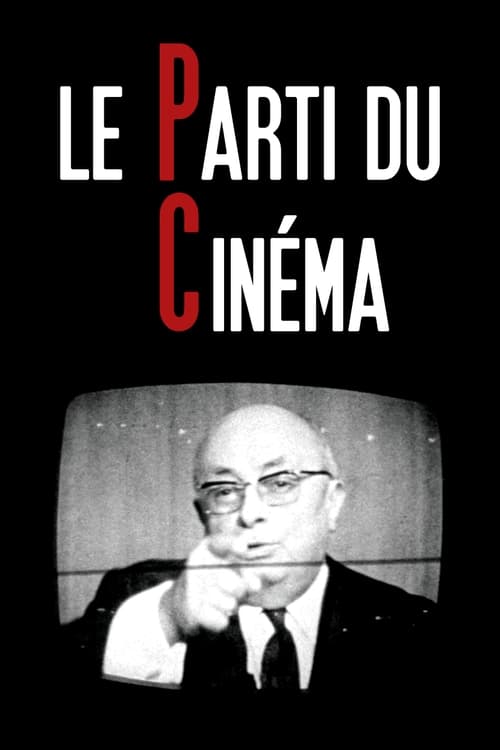
No description available.
Le Parti du cinéma

On June 20th, 1971, thousands of Spanish Republicans from all around Europe meet up in Montreuil, France to take part in an event initiated by the French and the Spanish Communist Parties, to protest against Franco's dictatorship.
Paris, June 1971

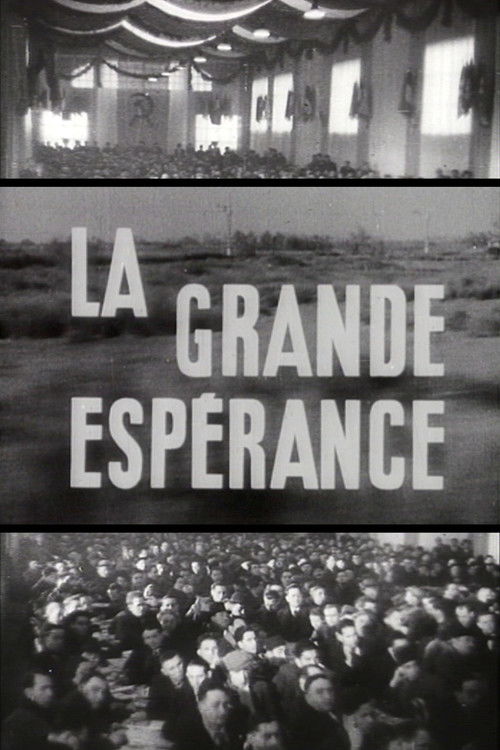
Scenes and images from the French Communist Party's (PCF) 1937 Congress in Arles. La Grande Espérance highlights some of the PCF's new concerns under the Popular Front: a warning against international fascism, a desire for organic unity, and the defense of national heritage and regional cultures. It also reveals the first signs of a cult of personality surrounding Maurice Thorez. La Grande Espérance was screened (and possibly re-edited) after the Liberation. A commentary was then added to the credits emphasizing the continuity of the Communist Party’s political line and the sacrifice of its activists during the war. Today, only this post-1945 version exists.