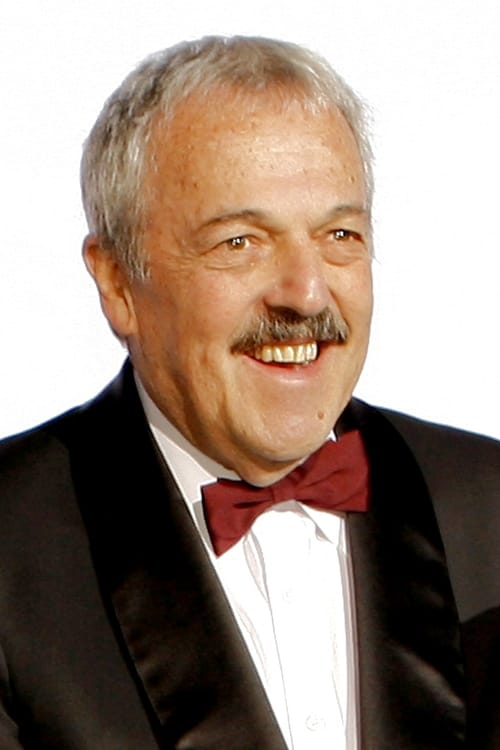
Daniel Rabinovich
Acting
Biography
Daniel Abraham Rabinovich Aratuz was an Argentine musician, writer, humorist, lawyer and singer. Born in Buenos Aires, Argentina, he cofounded the group Les Luthiers in 1967.
Known For

No description available.
Tiempo final

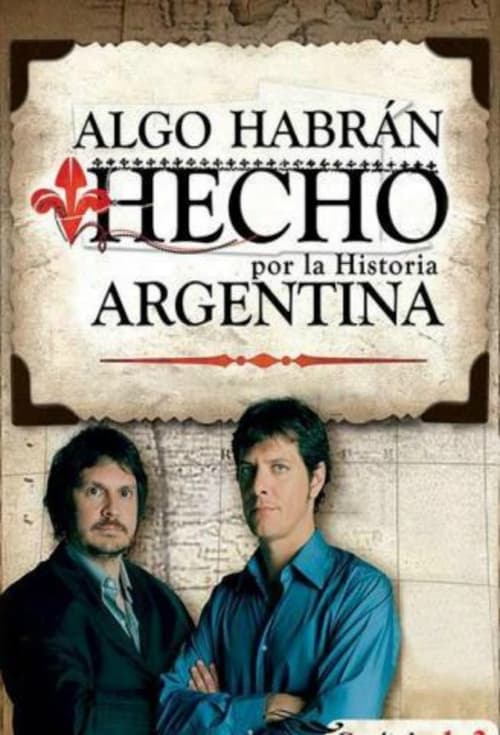
Algo habrán hecho is a documentary film for television that narrates the history of Argentina. It was created by the argentine historian Felipe Pigna, who acted as presenter. In the first two seasons Mario Pergolini was a co-presenter of it, but after giving up on all works on television his role in the documentary was taken by Juan Di Natale. Di Natale and Pergolini were by that time co-presenters of the talk show Caiga quien caiga. Di Natale pointed that he wasn't meant to act as if he was Pergolini, but the script writers wrote instead the scripts based on his own personality. The first season, aired in 2005 on Canal 13, narrates the history of Argentina from the british invasions of the Río de la Plata to the fall of Juan Manuel de Rosas during the Battle of Caseros. The second season, aired in 2006 on Telefé, resumes the narration from that point and continues up to the suicide of Leandro N. Alem in 1896. The third one, aired in 2008 on Telefé, resumes as well from the end of previous season and ends with the meeting of Juan Domingo Perón and Eva Duarte at the Luna Park during a fund-raising to help after the San Juan earthquake.
Algo habrán hecho

Juan remembers his childhood spent during the fifties in Argentina, when he lived doubts, fears and conflicts typical of the passage towards adolescence, surrounded by his family and the neighbors of the neighborhood
Keep Waiting for Me

On her wedding day, Adrian, nervous, make a small mistake that aims to hide Leonora, his girlfriend, to avoid problems. But far from avoiding them, complicates the matter and the party runs the risk of end badly, like the future marriage of the couple.
My First Wedding

When El Mono dies, his three longtime friends try to recover from the loss and want to secure his little girl's future. But for Fernando, Mauricio and El Ruso this will not be easy. They decide to recover a big investment El Mono had made when he had bought a soccer player who was supposed to become a star.
Papeles en el viento

A methodical man falls for a pregnant woman with a very particular life story.
Who Says It's Easy?

When Martín and Sol try to solve the enigma of a missing neighbor, they will discover that nothing is what it seems, that your hearing can trick you just like your imagination and that your heart is a double-edged weapon.
Strangers in the Night

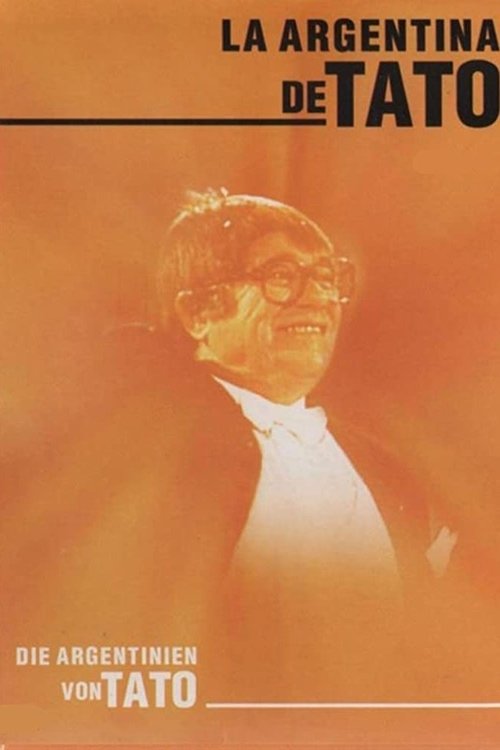
In a mockumentary format, led by the personage represented by Leonardo Sbaraglia, in 2499 the research is presented - carried out by scientists from the University of Heidelberg, Germany, whose exposition is in charge of Helmut Strasse, founder of the first school of Argentinology - about the remote existence of Argentina, an unknown country of great potential inexplicably disappeared from the face of the Earth.
Tato's Argentina

Carlos Iraldi is a doctor, but his knowledge and above all his enormous curiosity have led him to stand out in different branches of art such as writing, painting and photography. His fame, however, is due to the ingenious instruments he invented and which have served as support for several shows by the Les Luthiers ensemble.
Historias Breves 0: El artista peripatético

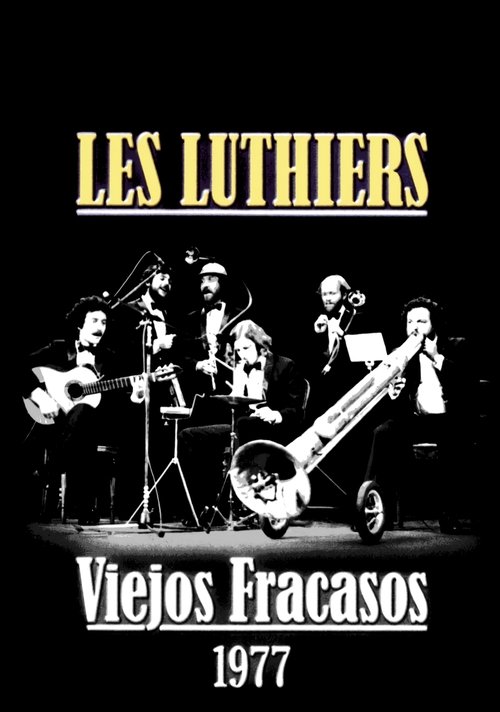
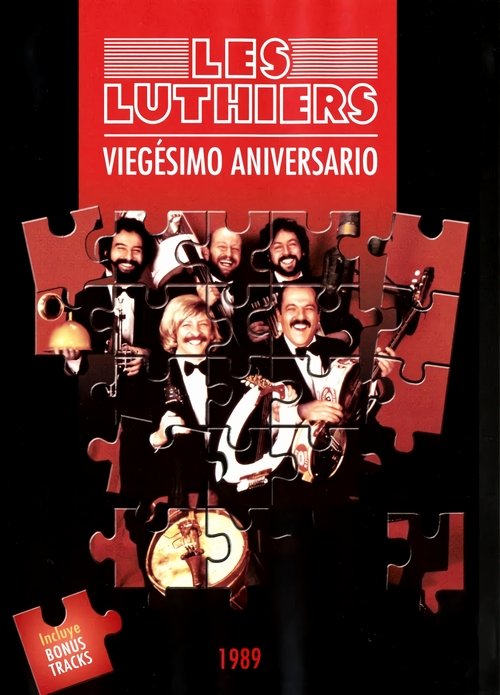
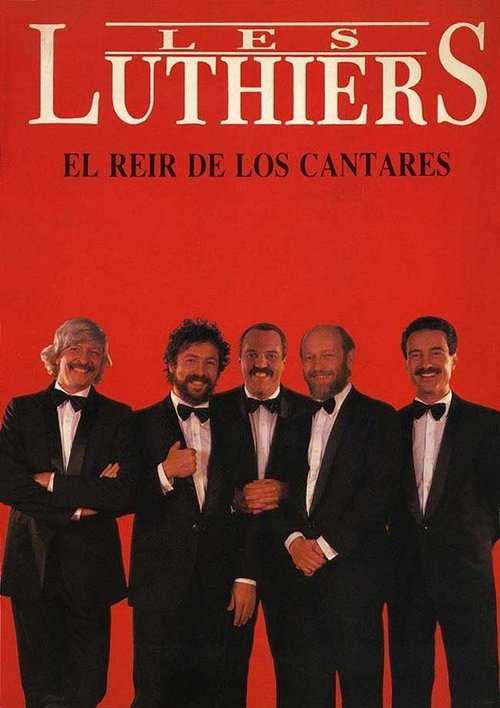
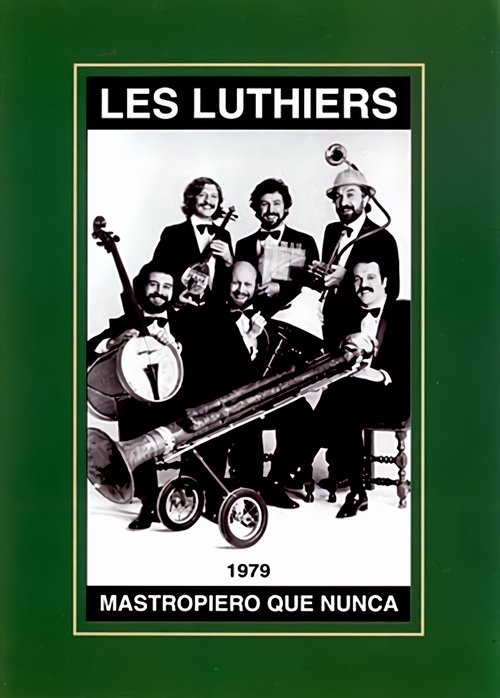
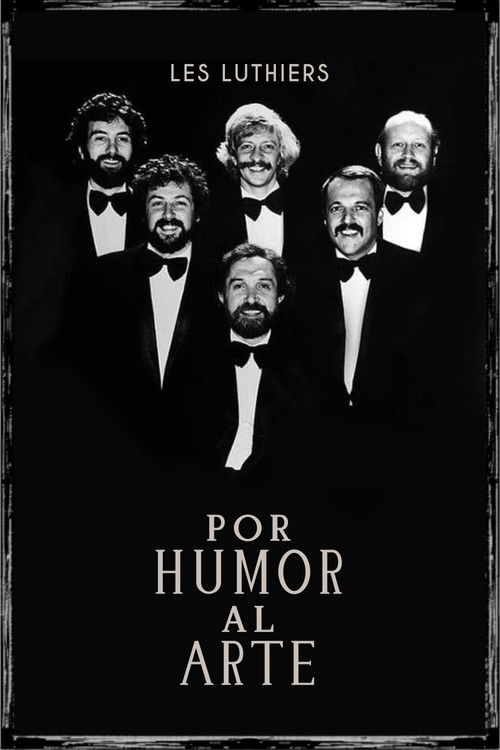
Les Luthiers is a comedy-musical group from Argentina, very popular also in several other Spanish-speaking countries such as Paraguay, Peru, Chile, Ecuador, Spain, Colombia, Mexico, Uruguay and Venezuela. They were formed in 1967 by Gerardo Masana, during the height of a period of very intense Choral Music activity in Argentina's state universities.
Grandes hitos

Formed in 1967 by Gerardo Masana, during the height of a period of very intense Choral Music activity in Argentina's state universities, Les Luthiers premiered this show on May the 30th, 1985 at the El Círculo Theater in Rosario, Argentina. PROGRAM: 1. Vea esta Noche; 2. Serenata Tímida; 3 . El Zar y un Puñado de Aristócratas Rusos...; 4. Una Canción Regia; 5. Truthful Lulu Pulls thru Zulus; 6. El Valor de la Unidad; 7. Les Nuits de París; 8. Pasión Bucólica; 9. Las Majas del Bergantín; 10. Bolero de los Celos; 11. Marcha de la Conquista and; 12. Cuarteto Opus 44. The 'Mandocleta' instrument was presented for the first time during this show. Recorded live at the Colón Theater in Bogotá, Colombia, on April 12, 1986. Numbers 11 and 12 were recorded earlier at that same theater on November 8, 1981. This is the last recorded appearance by Ernesto Acher with Les Luthiers.
Humor dulce hogar

Formed in 1967 by Gerardo Masana, during the height of a period of very intense Choral Music activity in Argentina's state universities, Les Luthiers premiered this show on Friday, May 13, 2011 at the Astengo Theater, Rosario, Argentina. PROGRAM: 1- Manuel Darío; 2- La Comisión; 3- La Bella y Graciosa Moza Marchose a Lavar la Ropa; 4- Solo Necesitamos; 5- La Hija de Escipión; 6- Bolero de los Celos; 7- Educación Sexual Moderna; 8- La Redención del Vampiro; 9- Encuentro en el Restaurante; 10- Los Jóvenes de Hoy en Día; 11- Rhapsody in Balls. The 'Campanófono autoflajelador' instrument made its first appearance during this show. Recorded live between June the 15th and the 16th, 2013 at the Gran Rex Theater, Buenos Aires, Argentina.
¡Chist!

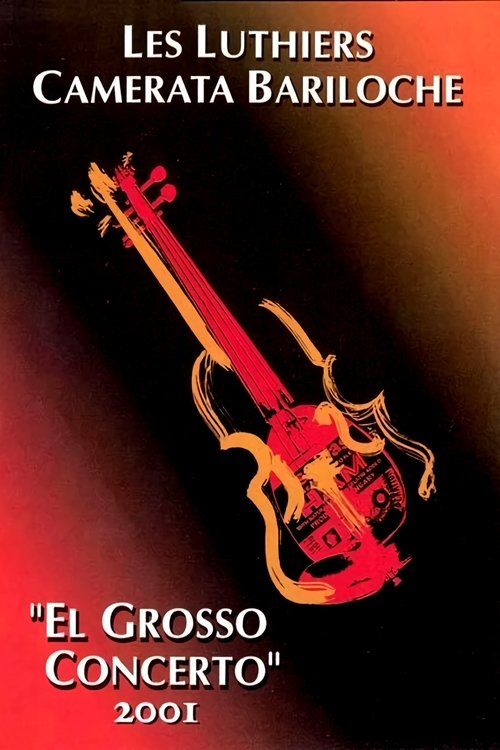
Live performance by the Argentine musician and comedian group "Les Luthiers" and the Camerata Bariloche, filmed at the Teatro Argentino, La Plata, Buenos Aires, on December 8 and 9, 2001.
El grosso concerto

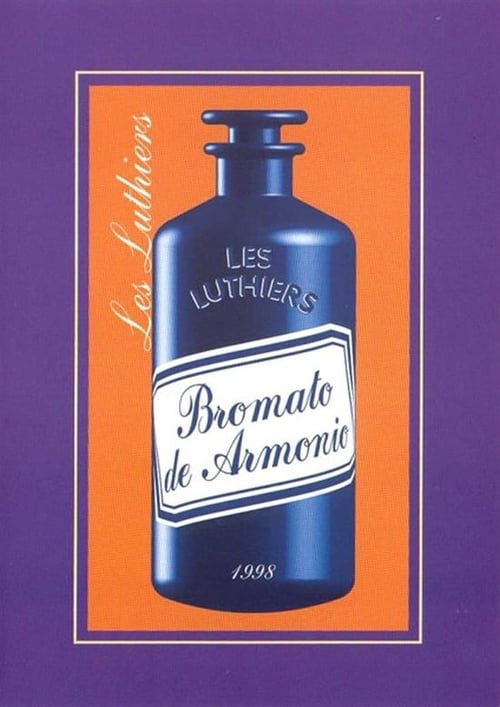
Premiered on June 13, 1996 at the Astengo Theater, in Rosario, Argentina and last performance on December 3, 2002, at the Sports Pavilion, in León, Spain, 'Bromato De Armonio' was a show made by the Argentinian comedy-musical group Les Luthiers. The show itself was showcased all around Latin America between 1996 and 2001. PROGRAM: 1. Para Elizabeth (sonata a la carta); 2. La Princesa Caprichosa (pequeña serenata para grandes instrumentos); 3. La Vida es Hermosa (disuacidio); 4. La Hija de Escipión (fragmento de ópera); 5. La Redención del Vampiro (hematopeya); 6. Educación Sexual Moderna (cántico enclausturado); 7. ¿Quién Mató a Tom McCoffee? (música en serie); 8. La Comisión (himnovaciones); 9. Perdónala (bolérolo) The 'Campanófono a martillo' and the 'Cornetas de Asiento' were premiered on this show. Recorded live at the Teatro Coliseo in Buenos Aires, Argentina, on June the 27th, 1998.
Bromato de armonio

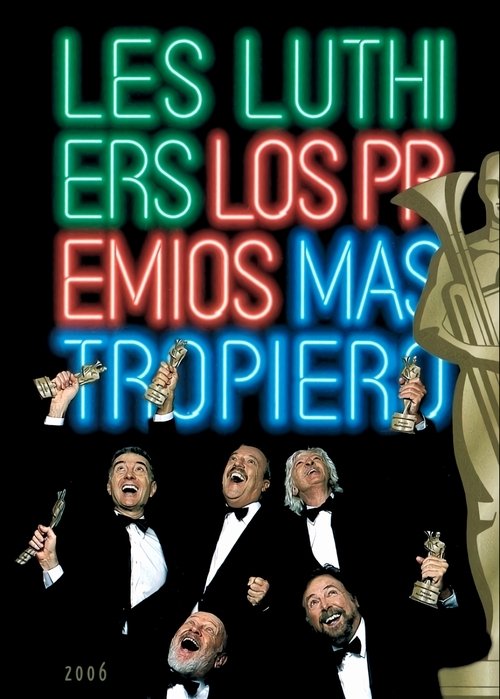
The Mastropiero Awards is a musical humor theatrical show by the Argentine ensemble of informal instruments Les Luthiers, in which the classic format of their previous shows is not repeated. In this show, the group simulates an award ceremony for various artists from the fields of cinema, theater, television and music. During the ceremony, works and compositions by Johann Sebastian Mastropiero himself are performed. The play premiered at the Astengo Theater in Rosario, Argentina, on July 29, 2005
Los premios Mastropiero

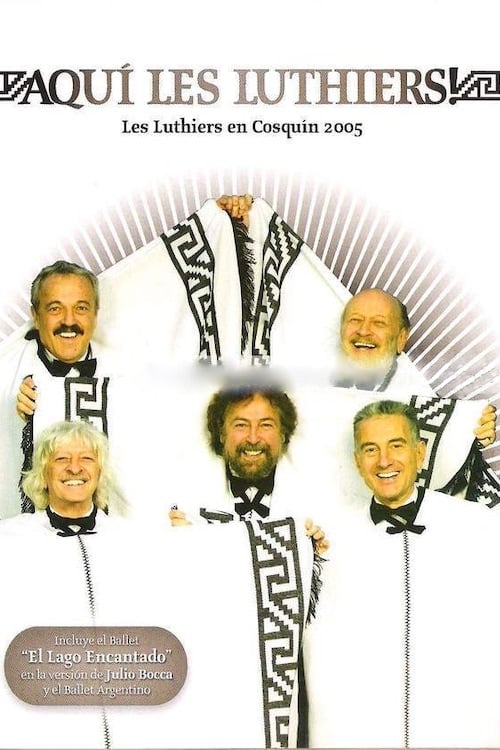
Here Les Luthiers is a recital of the Argentine group of informal musical instruments Les Luthiers, made especially for the 45th edition of the Cosquín Folk Festival. It was presented for the only time on January 28, 2005, at the Plaza Prosper Molina in the city of Cosquín, Córdoba, Argentina, traditional venue of the festival.1
Aquí Les Luthiers

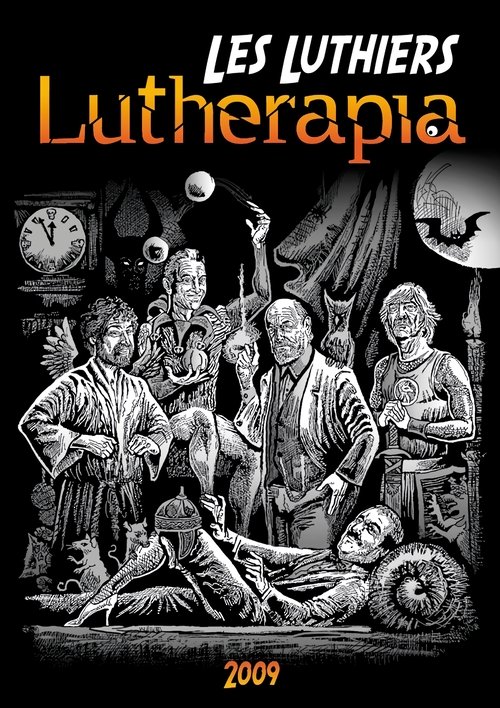
A musical comedy show by the Argentine informal instrument ensemble Les Luthiers which revolves around a psychoanalytic therapy session, and the conversation between the two gives rise to the numbers that make up the show.
Lutherapia

No description available.
Que lo parió (Inodoro Pereyra)

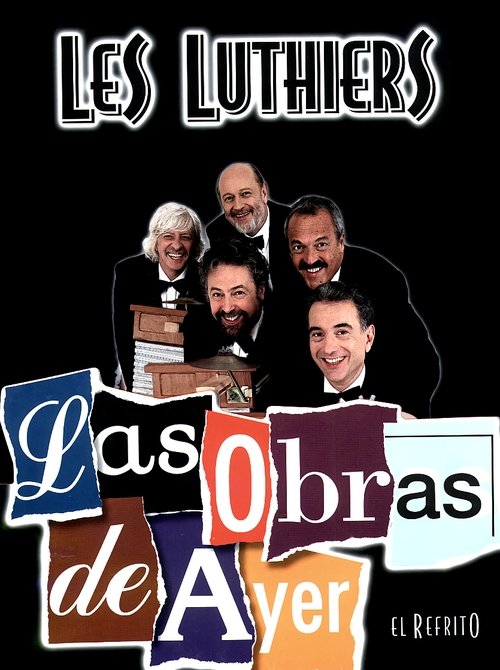
Les Luthiers is a comedy-musical group from Argentina, very popular also in several other Spanish-speaking countries such as Paraguay, Peru, Chile, Ecuador, Spain, Colombia, Mexico, Uruguay and Venezuela. They were formed in 1967 by Gerardo Masana, during the height of a period of very intense Choral Music activity in Argentina's state universities.
Las obras de ayer

Les Luthiers is a comedy-musical group from Argentina, very popular also in several other Spanish-speaking countries such as Paraguay, Peru, Chile, Ecuador, Spain, Colombia, Mexico, Uruguay and Venezuela. They were formed in 1967 by Gerardo Masana, during the height of a period of very intense Choral Music activity in Argentina's state universities.