FEEL IT.STREAM
Xie Jin

Xie Jin

Directing

Biography

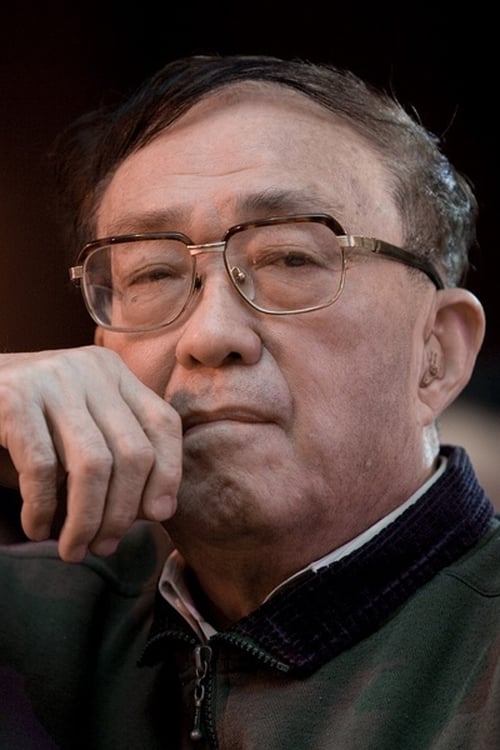
Xie Jin (Chinese: 謝晉; pinyin: Xiè Jìn; 21 November 1923 – 18 October 2008) was a Chinese film director. He rose to prominence in 1957, directing the film Woman Basketball Player No. 5, and is considered one of the Third Generation directors of China. Most recently he was known for the direction of The Opium War. Xie was a popular director amongst the older generations of Chinese, with six of his films being voted Best Picture in the Hundred Flowers Awards. He was the only Chinese director to date to be a member of both the Academy of Motion Picture Arts and Sciences as well as the Directors Guild of America.
Known For

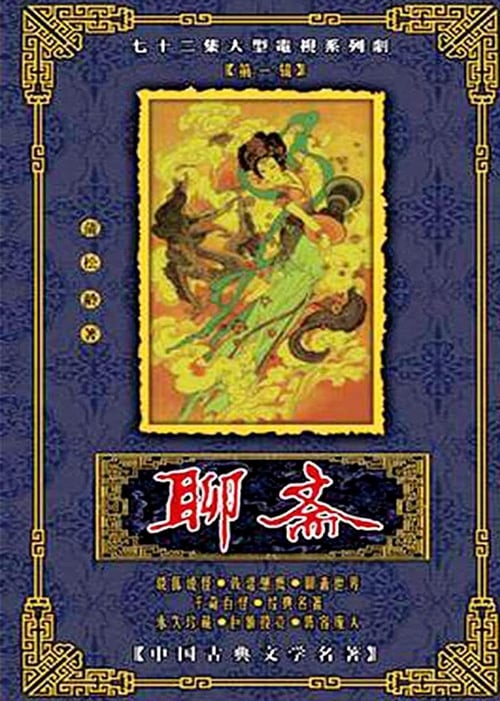
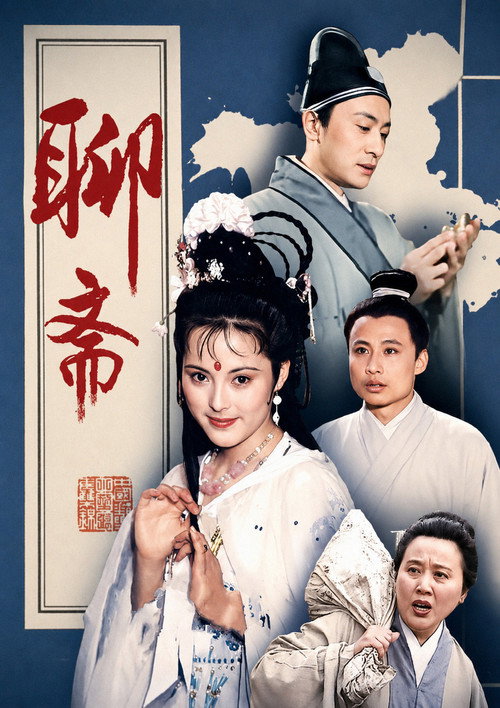
Strange Tales from a Chinese Studio
9.3

No description available.

Strange Tales from a Chinese Studio

1987
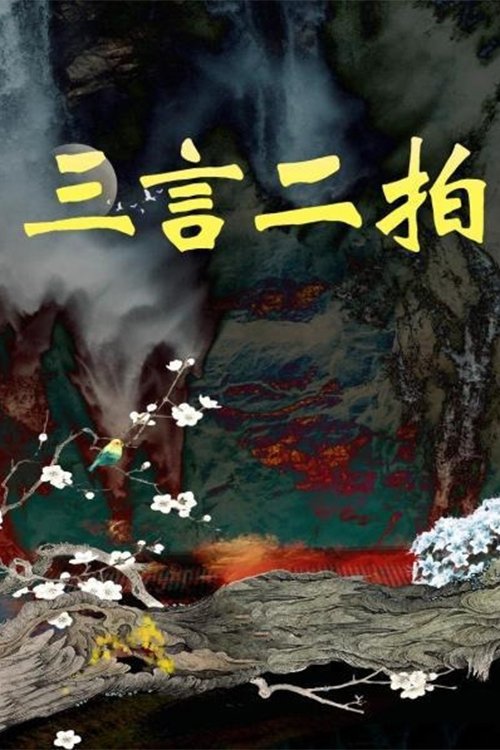
三言二拍
N/A

No description available.

三言二拍

1993
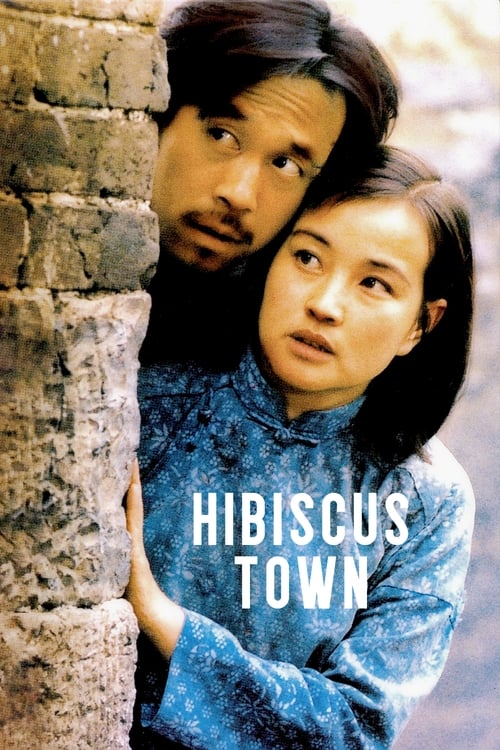
Hibiscus Town
8.0

Based on a novel by the same name written by Gu Hua, a melodrama about the life and travails of a young woman who lives through the turmoil of the Cultural Revolution.

Hibiscus Town

1987
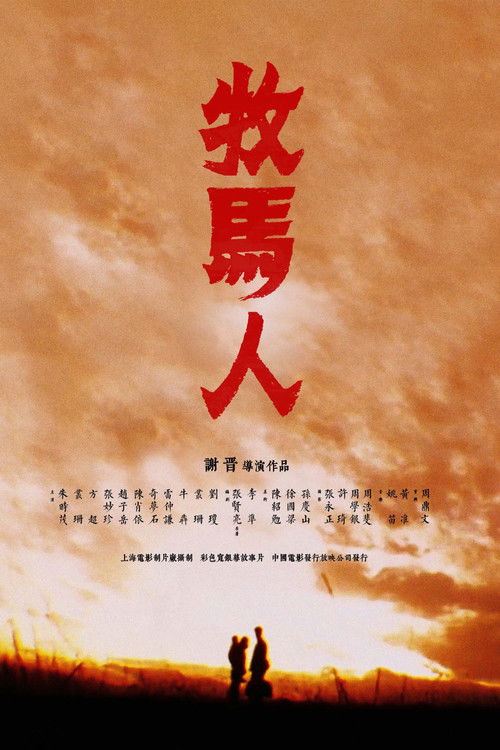
The Herdsman
7.5

In 1980, Xu Jingshan, a wealthy Chinese-American businessman returns to China to find his son, Xu Lingjun, whom he had abandoned over 30 years earlier. Labeled a rightist because of his capitalist father, Lingjun has been forced to live as a humble herdsman on the grasslands. His bitter life has been transformed by a happy marriage to the wise and beautiful Xiuzhi, and more recently by his rehabilitation by the Party. When he goes to Beijing for their reunion, he discovers his father wants him to work for his chemical company in San Francisco. Lingjun tells the story of his life to his father, as he ponders his future.

The Herdsman

1982
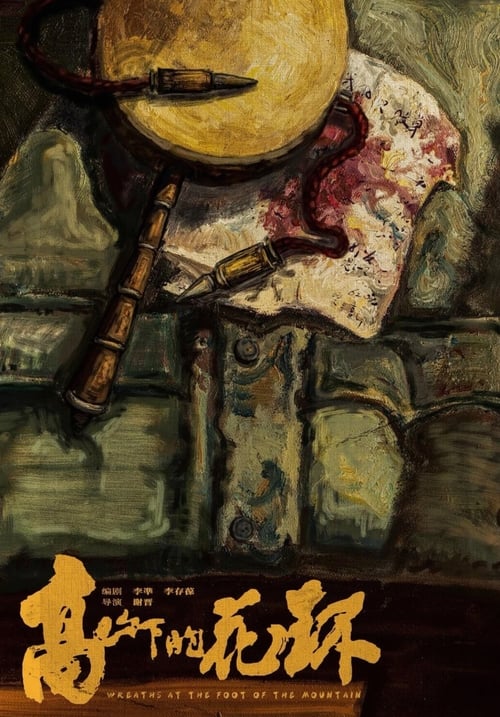
Wreaths at the Foot of the Mountain
8.4

Wreaths at the Foot of the Mountain is a 1984 Chinese film about the life of the soldiers in a PLA army company before, during and after the Sino-Vietnamese War.

Wreaths at the Foot of the Mountain

1984
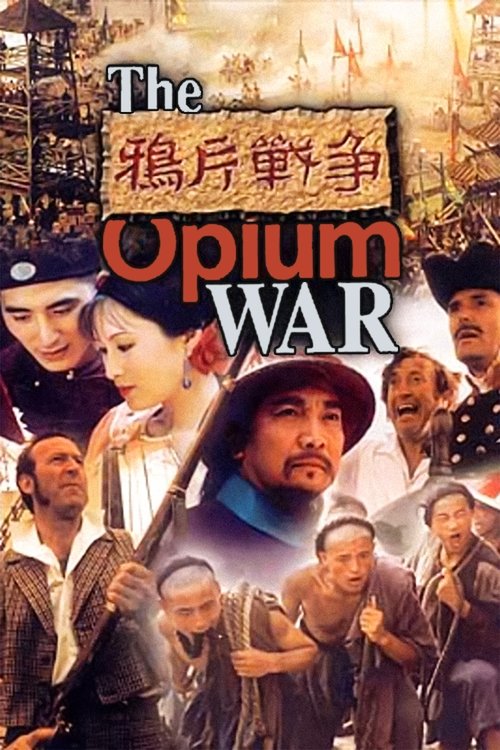
The Opium War
6.2

The story of the Opium War between China, in the waning days of the Qing Dynasty, and the British Empire, in the 1830s, and the subsequent takeover of Hong Kong by Britain; through the eyes of the key figures, fiercely nationalistic Lin Zexu, and opportunistic British naval diplomat Charles Elliot.

The Opium War

1997
Yang ± Yin: Gender in Chinese Cinema
5.2

An exploration of Chinese cinema and its relationships with gender and sexuality, which the film argues has been more frankly and provocatively explored than in any other national cinema. Utilizing both film excerpts and interviews with many leading directors and academics, the film examines topics such as male bonding in kung fu movies, depictions of same-sex bonding and physical intimacy, the emphasis on women's grievances in melodramas, and the career of Yam Kim-Fai, a Hong Kong actress who spent her life portraying men on and off the screen.

Yang ± Yin: Gender in Chinese Cinema

1998
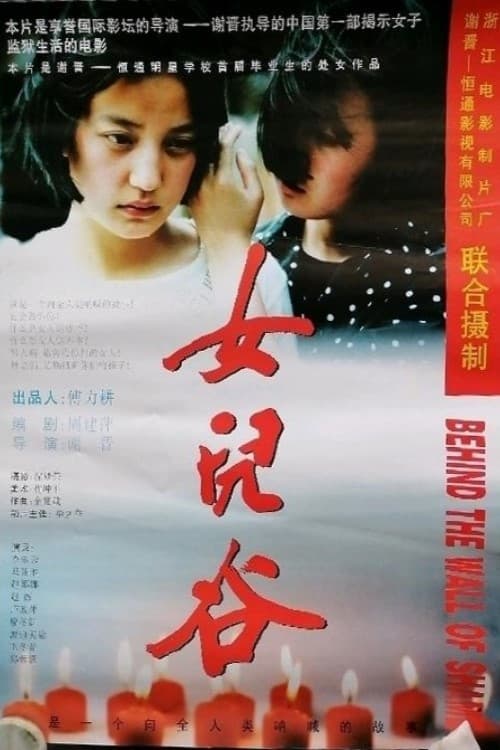
Penitentiary Angel
7.0

This is a story about seven female prisoners each with different backgrounds, living within the one prison. At the beginning of the story, a new inmate Ding Qing Er arrives with tears streaming down her face, but told that it's too late to cry. The story continues to slowly reveal the lives of the female prisoners, and each of their struggles to have ended up where they are today. There's the mother who's husband keeps giving false promises of taking her and her child to America; the prostitute who was raped; the lesbian who was given up and betrayed by the Red Army; among others, and there's also Qing Er, who is in jail for theft after stealing costly medicine from the hospital for her dying husband. Through the lead of each other and also the kind hearted guards, they learn to form an unbreakable bond, and a way of dignity.

Penitentiary Angel

1996
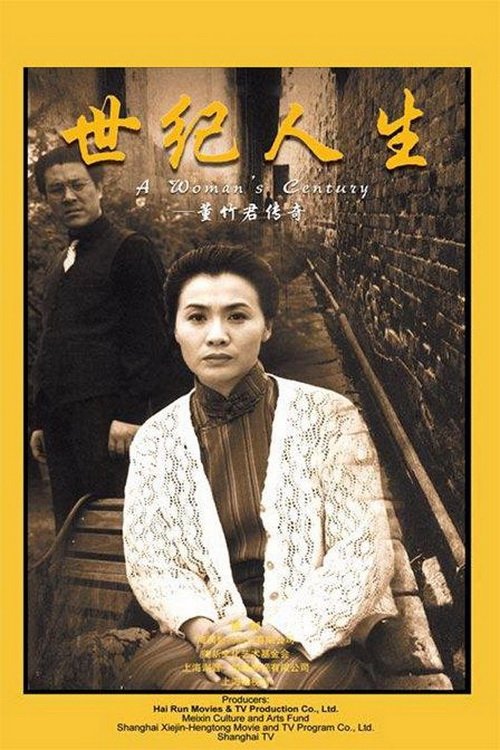
世纪人生:董竹君传奇
8.0

No description available.

世纪人生:董竹君传奇

1999
Woman Basketball Player No. 5
6.3

Tian Zhenhua arrives in Shanghai to coach a local women's basketball team. Number 5 on the team, Xiaoje, excels at basketball but is unsure of whether to continue playing. As Tian gets to grips with training Xiaoje and the rest of the team, he reflects on his career as a star basketball player before the revolution.

Woman Basketball Player No. 5

1957
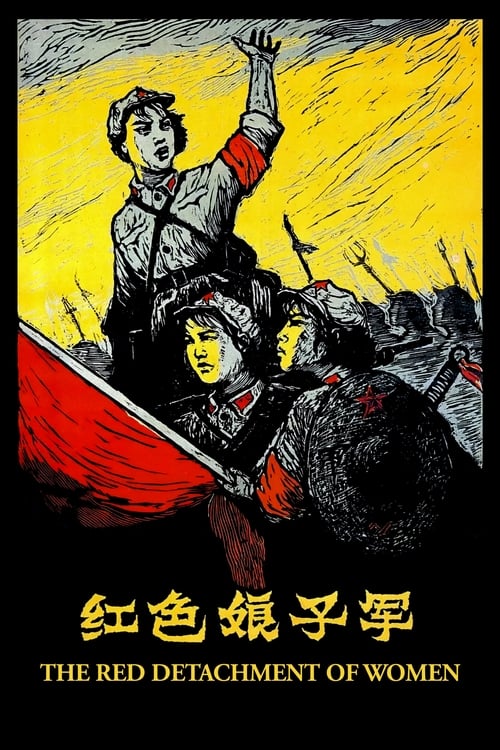
The Red Detachment of Women
6.6

Wu Qionghua, a house maid, is abused by a cruel warlord until she joins a troop of women soldiers.

The Red Detachment of Women

1961
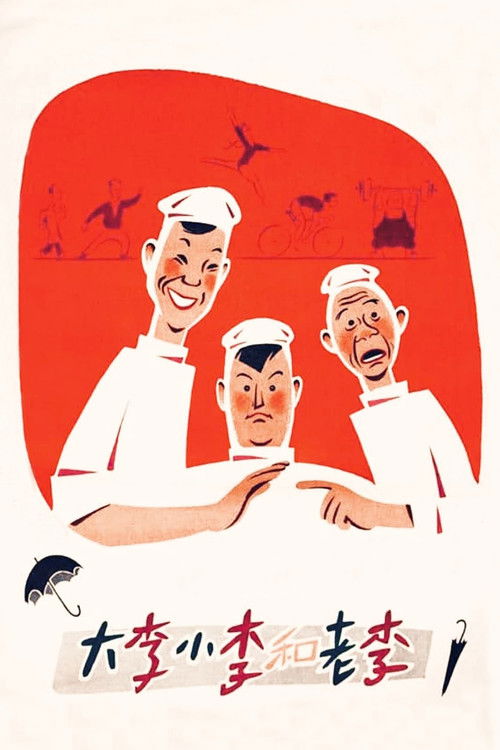
Big Li, Little Li and Old Li
8.5

Sports gain acceptance among workers at a meat processing plant.

Big Li, Little Li and Old Li

1962
Legend of Tianyun Mountain
6.7

When Song Wei's fiancee Luo Qun is denounced as a right-wing traitor by Party official Wu Yao, he is sentenced to ten years' hard labor. Song Wei breaks off her engagement, and eventually marries Wu Yao. Years later, after the Cultural Revolution, political currents have shifted; Song Wei demands that her husband, now a powerful Party official, seek Luo Qun's rehabilitation, but Wu Yao has no desire to open up old political and emotional wounds.

Legend of Tianyun Mountain

1980
Two Stage Sisters
7.2

In pre-revolutionary China, two young girls, Chunhua and Yuehong Xing, rise through the ranks of Chinese opera, but with their artistic success comes a new series of personal and social challenges.

Two Stage Sisters

1964
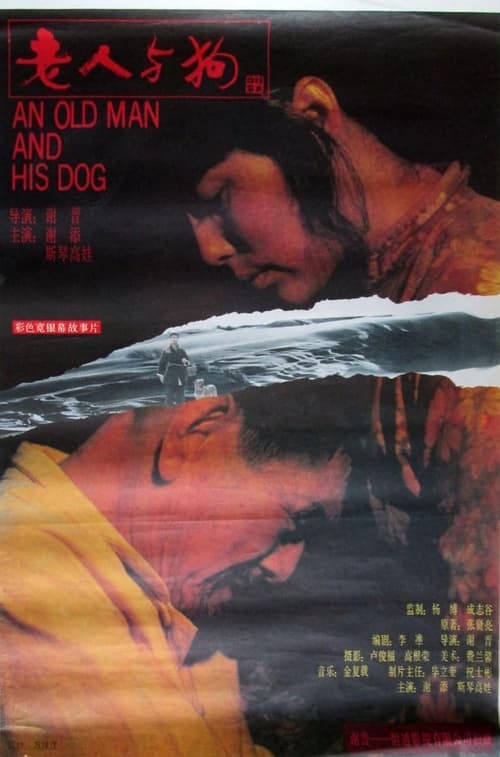
An Old Man and His Dog
8.0

An Old Man and His Dog is a 1993 Chinese film directed by Xie Jin.

An Old Man and His Dog

1993
春节大联欢
10.0

No description available.

春节大联欢

1956
Qiu Jin
8.0

Biopic of Qiu Jin (1877-1907), early Chinese womens’ liberationist and martyred revolutionary.

Qiu Jin

1983
Bell of Purity Temple
7.3

In 1945, Japan is defeated in its war of aggression against China. During a panic retreat, a baby boy is abandoned, but is adopted and grows up to become and eminent monk. Thirty years later, he visits China and meets his real mother who is now elderly and weak.

Bell of Purity Temple

1991
The Last Aristocrats
7.5

In 1948, four young girls, daughters of Shanghai's elite, attending college in America find themselves unable to return after the Communists take Shanghai.

The Last Aristocrats

1989
盛大的节日
N/A

Revolutionary film from Shanghai about the Gang of Four. Stopped in the middle of production

盛大的节日

1976