FEEL IT.STREAM
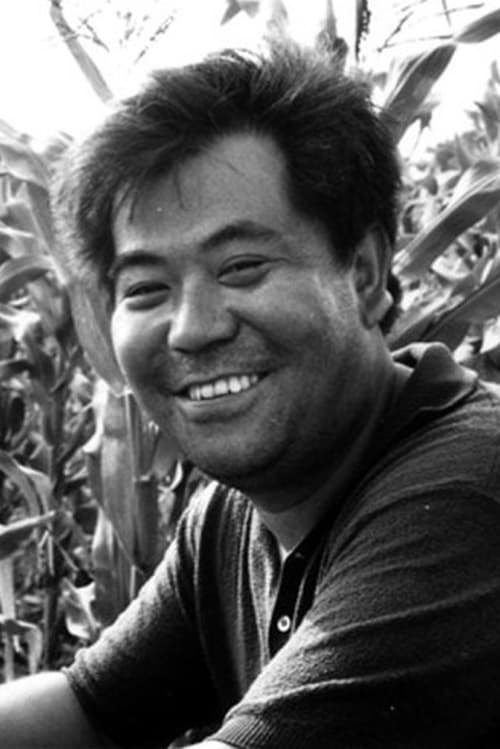
Shinsuke Ogawa

Shinsuke Ogawa

Directing

Biography

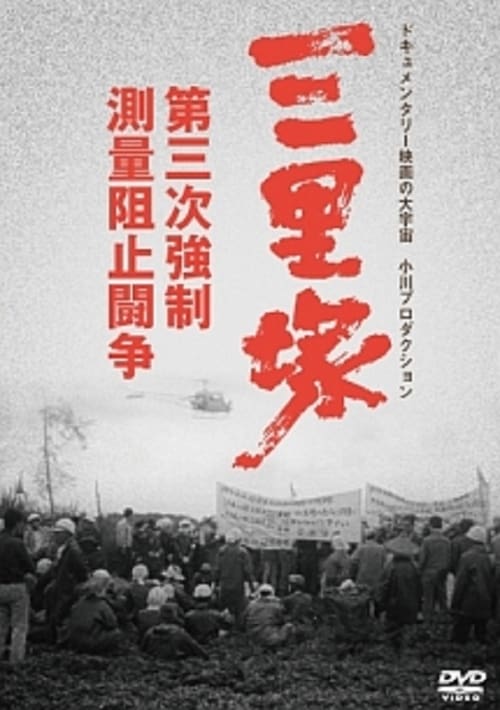
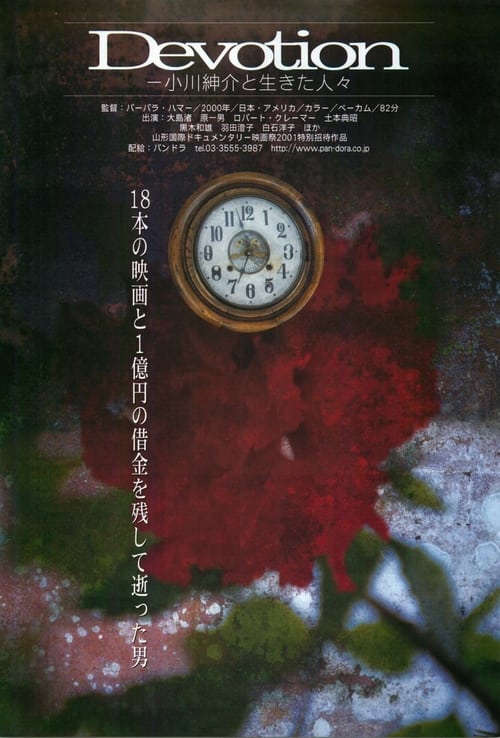
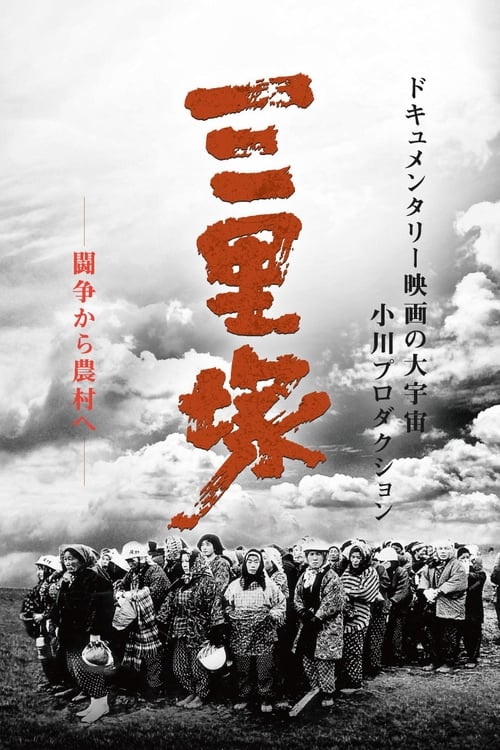
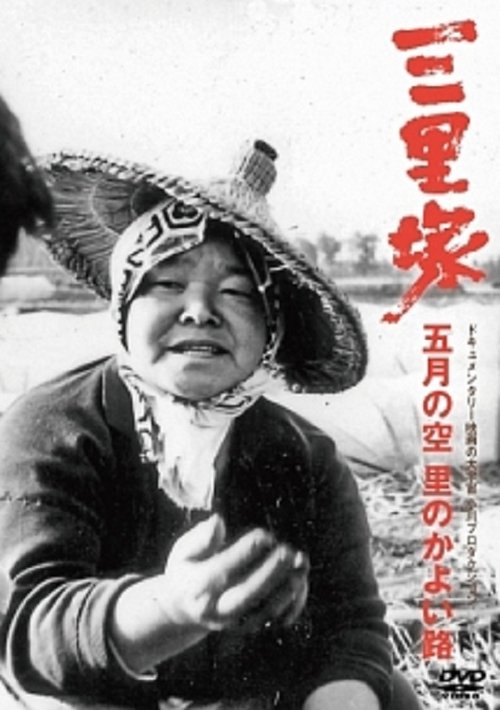
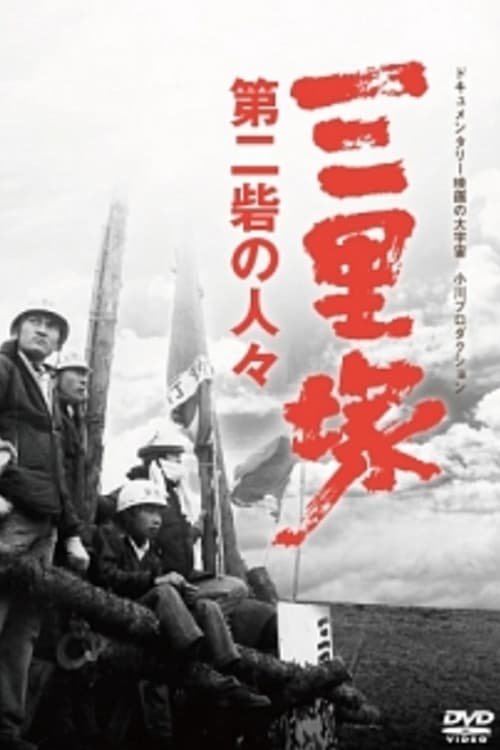
Shinsuke Ogawa (小川紳介, Ogawa Shinsuke) (25 June 1935 - 7 February 1992) was a Japanese documentary film director. Ogawa and Noriaki Tsuchimoto have been called the "two figures [that] tower over the landscape of Japanese documentary." Ogawa began his career at Iwanami Productions (Iwanami Eiga) making PR (public relations) films alongside other important directors such as Tsuchimoto, Kazuo Kuroki, Yōichi Higashi, and Susumu Hani. Turning independent, he first made documentaries about radical political movements in 1960s and 1970s Japan, most famously the "Sanrizuka" or "Narita" series, which recorded the struggle by farmers and student protesters to prevent the construction of the Narita International Airport in Sanrizuka, Chiba Prefecture. He won the Directors Guild of Japan New Directors Award for Summer in Narita in 1970. Ogawa's was a committed form of documentary, which clearly took the side of those combatting unjust power. A growing sense that he did not understand the life of the farmers he was filming, however, led Ogawa and his crew, collectively called Ogawa Productions, to leave for Magino in Yamagata Prefecture where they spent decades filming the life and histories of everyday farmers while living with them and pursuing agriculture. He often worked with the cinematographer Masaki Tamura. The "Magino" films became the epitome of Ogawa's stance towards documentary: that one can only record a reality that one has been truly immersed in. Ogawa was influential in the creation of the Yamagata International Documentary Film Festival, where the top prize in the Asia program was named after him. The film Devotion by Barbara Hammer is about Ogawa Productions.
Known For

Magino Village: A Tale
6.8

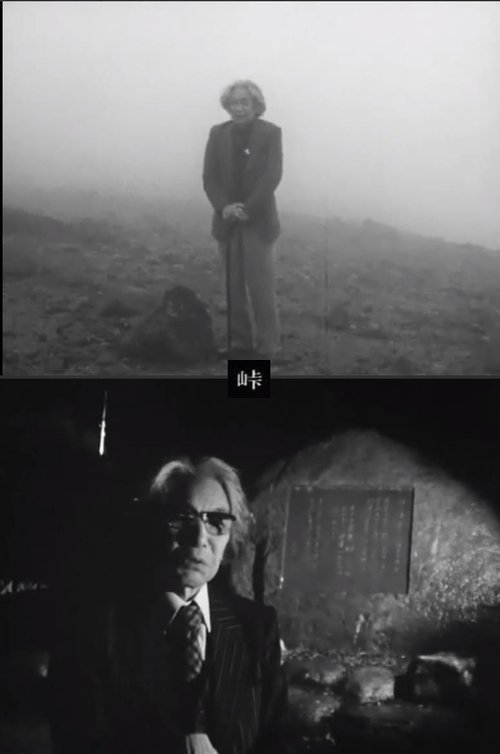
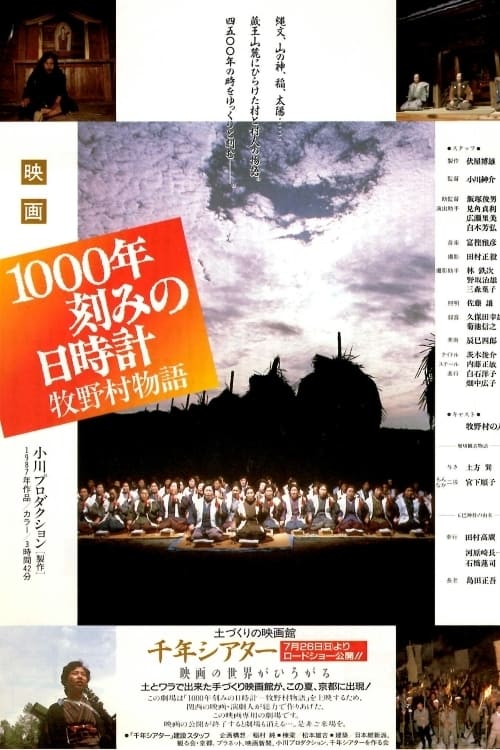
The movie compiles footage taken by Ogawa Production for a period of more than ten years after the collective moved to Magino village. Unique to this film are fictional reenactments of the history of the village in the sections titled "The Tale of Horikiri Goddess" and "The Origins of Itsutsudomoe Shrine". Ogawa combines all the techniques that were developed in his previous films to simultaneously express multiple layers of time—the temporality of rice growing and of human life, personal life histories, the history of the village, the time of the Gods, and new time created through theatrical reenactment—bring them into a unified whole. The faces of the Magino villagers appear in numerous roles transcending time and space—sometimes as individuals, sometimes as people who carry the history of the village in their memories, sometimes as storytellers reciting myths, and even as members of the crowd in the fictional sequences.

Magino Village: A Tale

1987Movie
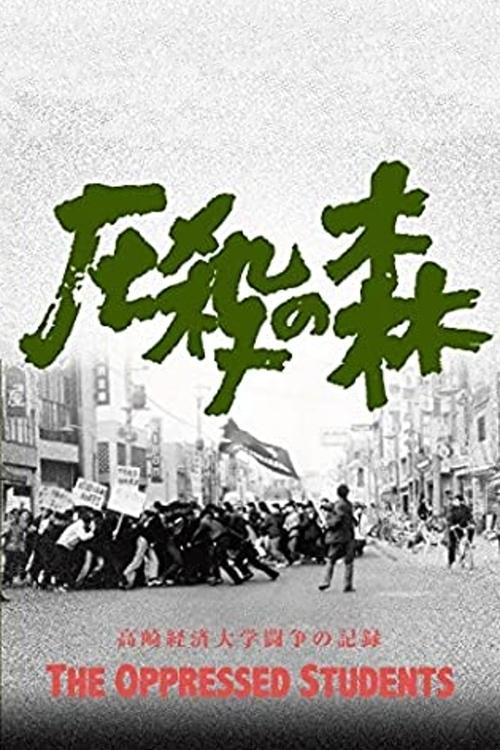
The Oppressed Students
6.8

A galvanising documentary about the organised resistance of a group of students barricaded at the Takasaki City University of Economics. The university student struggles at the end of the 1960s in Japan were the culmination of over a decade of protests, social dissent and political unrest. All this gave energy to the student movement, which displayed original and sustained forms of organisation and resistance against the government and which would spread to universities all over the country. Together with the filmmakers of the recently formed collective Jieiso, Ogawa Shinsuke joined a group of students barricading themselves inside the Takasaki City University of Economics. Shot over the course of a year, this film documents the nature of the political discussion and organisation as well as the fierce debates going on among the students and their violent struggles with the authorities. Credit: ICA London

The Oppressed Students

1967Movie
Furuyashiki: A Japanese Village
6.9

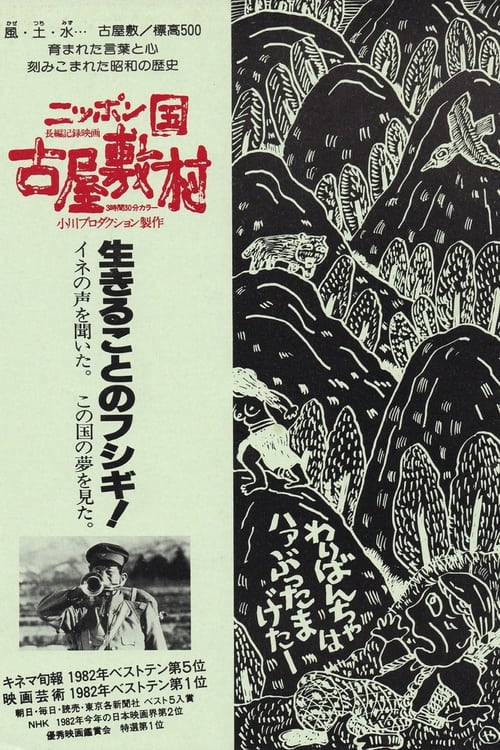
This is Ogawa Productions’ first major film from their Yamagata period. They had already started photography on Magino Village -A Tale but they were drawn to this village deep in the high country above Magino when a particularly cold bout of weather threatened crops. Inevitably, their attention strayed from the impact of weather and geography on the harvest to the “life history” of Furuyashiki Village. On the one hand, Ogawa returns to his roots by playing with the conventions of the science film. At the same time, he discovers a local, peripheral space in which to think about the nation and the state of village Japan. From this “distant perspective” in the very heart of the Japanese mountains, Ogawa discovers a village still dealing with the trauma of global warfare and struggling for survival as their children flee for the cities.

Furuyashiki: A Japanese Village

1982Movie