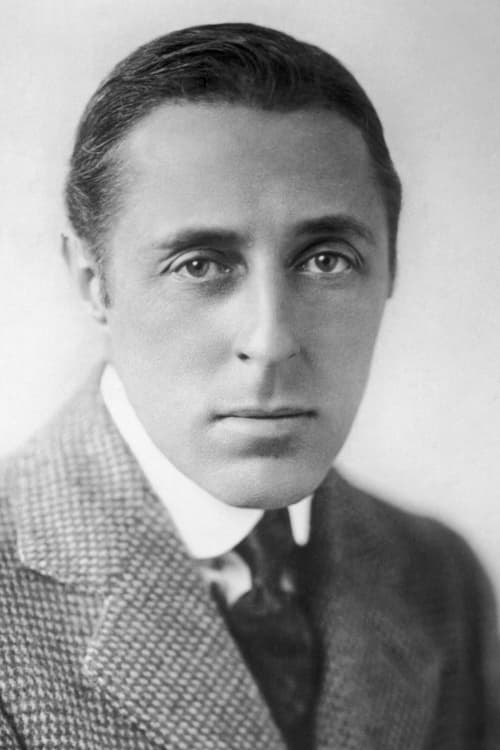
D.W. Griffith
Directing
Biography
David Llewelyn Wark Griffith was a premier pioneering American film director. He is best known as the director of the controversial and groundbreaking 1915 film The Birth of a Nation and the subsequent film Intolerance (1916). Griffith's film The Birth of a Nation made pioneering use of advanced camera and narrative techniques, and its immense popularity set the stage for the dominance of the feature-length film. It also proved extremely controversial at the time and ever since for its negative depiction of Black Americans and their supporters, and its positive portrayal of slavery and the Ku Klux Klan. Griffith responded to his critics with his next film, Intolerance, intended to show the dangers of prejudiced thought and behavior. The film was not the financial success that its predecessor had been, but was received warmly by critics. Several of his later films were also successful, but high production, promotional, and roadshow costs often made his ventures commercial failures. Even so, he is generally considered one of the most important figures of early cinema.
Known For

TV's most-watched history series brings to life the compelling stories from our past that inform our understanding of the world today.
American Experience

The epic story of the actors, writers, directors, and producers who fought for their place on the page, behind the camera and on the screen. From blackface to Black Panther, this series is a definitive chronicle of more than a century of the black experience in Hollywood and a powerful reexamination of a quintessentially American story – in brilliant color.
Hollywood Black

Two families, abolitionist Northerners the Stonemans and Southern landowners the Camerons, intertwine. When Confederate colonel Ben Cameron is captured in battle, nurse Elsie Stoneman petitions for his pardon. In Reconstruction-era South Carolina, Cameron founds the Ku Klux Klan, battling Elsie's congressman father and his African-American protégé, Silas Lynch.
The Birth of a Nation

The story of a poor young woman, separated by prejudice from her husband and baby, is interwoven with tales of intolerance from throughout history.
Intolerance: Love's Struggle Throughout the Ages

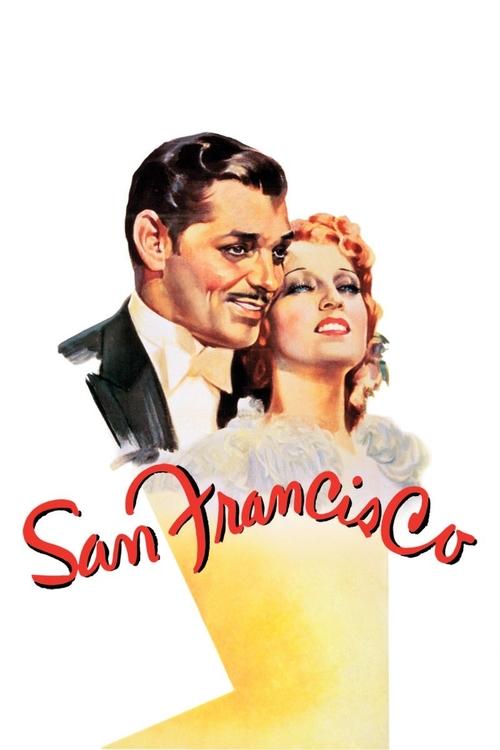
A beautiful singer and a battling priest try to reform a Barbary Coast saloon owner in the days before the great earthquake and subsequent fires in 1906.
San Francisco
Stern parents have ever been relentless obstacles in love's young dream, but it is perhaps quite doubtful if ever love could equal the accentuated bliss and anguish of these two. She refused to eat for her hero and for her he bore the marks of battle, an eye made black by a cruel parent's fist. Tired of such an unsympathetic world, they sought the wilderness, where, had it not been for Indian Charlie, these two "babes in the wood" would have ended their dream in a manner quite too disagreeable to think of.
My Hero

When the double wedding takes two daughters away from the old man at once, the youngest, now the only one left, in outraged spirit promises never to leave her father, but soon she too is departing for a new home. Then comes a cold hard fact of life. The son-in-law claims his right to make a home alone for his wife. In his bitterness and anger, the father denies them both the house. Several years later the lonely old man meets at the gate a babe in arms. When he learns whose baby it is, heart hunger craves another sight, and sought, brings with it the only natural result.
My Baby
A printer, drinking excessively and neglectful of his family obligations, is fired from his job when he offends his wealthy employer and his employer’s guests as they tour the printworks. Seeking revenge, the dismissed employee enters his former employer’s house with the intention of shooting him. There he sees the employer and his severely disabled daughter, and recognizes the strong emotional bond between father and daughter. This convincing demonstration of affection brings the printer to his senses. He asks pardon, is reinstated in his old job, and becomes a model worker, husband, and father.
The Iconoclast

A young man and a young woman, each unlucky in love, determine never to marry. But Cupid (and two separate bands of misinformed revelers) has other ideas.
The Newlyweds

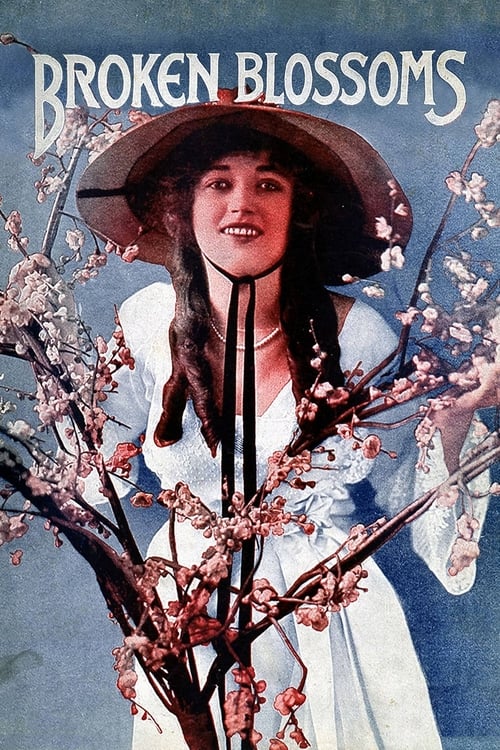
The love story of an abused English girl and a Chinese Buddhist in a time when London was a brutal and harsh place to live.
Broken Blossoms or The Yellow Man and the Girl

Nine-year-old Nedda is a direct descendant of the Trevors, a family that can trace its roots back to the reign of King Charles I. Alas, the Trevors suffer severe financial reverses, and Nedda is yanked from the luxury of her ancestral home in Britain to be raised on New York's Lower East Side. Ten years later, the grown-up Nedda stands accused of the murder of her mother.
Heredity

Mrs. Kendrick borrows a jeweled necklace from a friend for an important social event. The necklace is stolen, and Mr. Kendrick goes into debt to replace it. The thief discovers it's costume jewelry, but the Kendricks never learns the truth; Husband and wife struggle for years to pay off the huge debt.
The Necklace

The central figure is an old miser, a Harpagon of sorts, who, like Frosine, stashes his ill-gotten money in a secret cellar. While the miser is at the bank, exchanging stolen notes for gold coin, a couple of thugs witness the transaction and see their opportunity-- It seems avarice grips the hearts of all those who'd possess the bag.
Money Mad
May and Annie work in a fashionable millinery store, where the buyer, struck by May's beauty, advances her to a position among the models. She gets a little money, but finds that she is obliged to wear better clothes, which she has a hard time getting.
The Odalisque

Helen Alving leads an outwardly contented life. On the eve of the 10th anniversary of her husband's death, she is about to open an orphanage as a memorial to him. To mark this occasion, her bohemian painter son Oswald has returned from Paris. Helen plans to take the opportunity to tell Oswald the truth about his father. But ghosts of the past erupt during an eventful evening, bringing the facade of civilised family life crashing down.
Ghosts

A confirmed bachelor learns that he will inherit his late uncle's fortune only if he marries, which he does reluctantly. Shortly afterward he returns to his bachelor lifestyle but realizes he can't get his wife's face out of his thoughts.
The Awakening

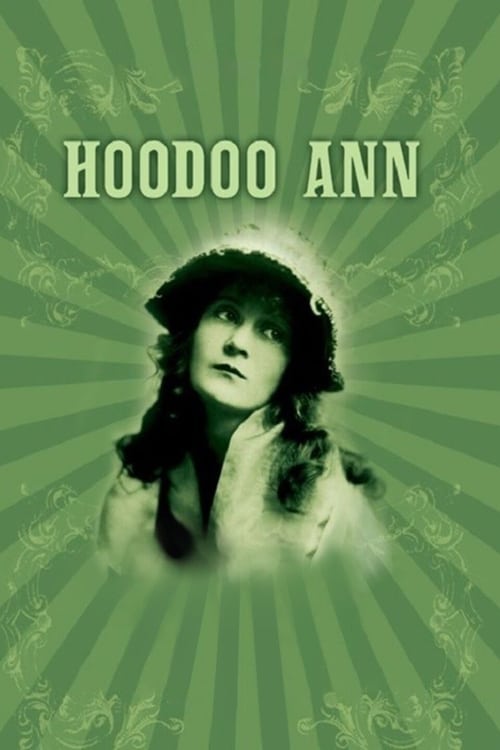
A teenage orphan (who believes herself to be "hoodooed") is taken in by a childless couple and quickly falls for the boy next door; Her luck seems to have changed. But the idyll is broken up after a trip to the movies-- It seems the 'hoodoo' has returned after she tries to replicate what she'd seen on the screen.
Hoodoo Ann

Behold in this film the Uplifter, a peculiarity of the human species, quite convinced that all that is, is wrong. Forth to the uplift he minds everybody's business but his own, until that business is as clean, pure and spotless as himself. Verily in these later days is there no school of art named, "Minding One's Business."
The Reformers

Rosie Nell, a woman of disreputable dance halls in early lawless California, is wrongly charged with the murder of one of her fellow entertainers. Because her daughter, who knows nothing of her mother's station in life, is to return the next day from her school in the east, Rosie is granted three days of grace to be spent in company with her daughter at a nearby cabin. The three days begin happily enough, thanks to the serenades of heroic bandit Alvarez and the poetry of romantic Randolph. But Bagley, the dance hall manager, has seen the daughter and has determined to make her his own.
Scarlet Days

A biopic dramatizing Abraham Lincoln's life through a series of vignettes depicting its defining chapters: his romance with Ann Rutledge; his early years as a country lawyer; his marriage to Mary Todd; his debates with Stephen A. Douglas; the election of 1860; his presidency during the Civil War; and his assassination in Ford’s Theater in 1865.