FEEL IT.STREAM
D.W. Griffith

D.W. Griffith

Directing

Biography

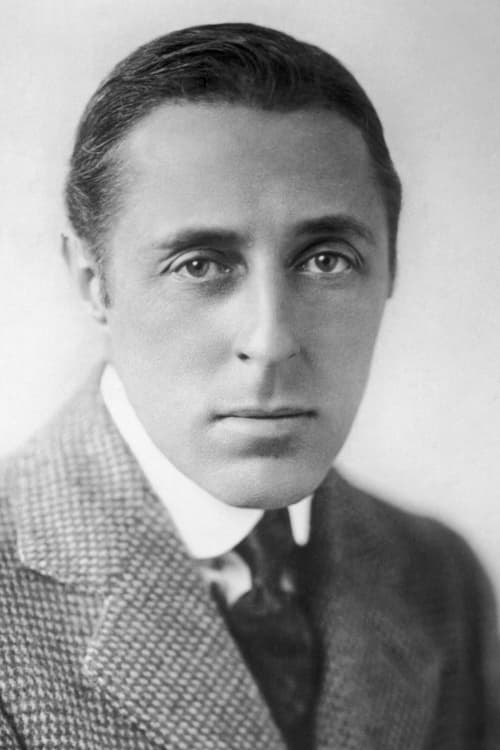
David Llewelyn Wark Griffith was a premier pioneering American film director. He is best known as the director of the controversial and groundbreaking 1915 film The Birth of a Nation and the subsequent film Intolerance (1916). Griffith's film The Birth of a Nation made pioneering use of advanced camera and narrative techniques, and its immense popularity set the stage for the dominance of the feature-length film. It also proved extremely controversial at the time and ever since for its negative depiction of Black Americans and their supporters, and its positive portrayal of slavery and the Ku Klux Klan. Griffith responded to his critics with his next film, Intolerance, intended to show the dangers of prejudiced thought and behavior. The film was not the financial success that its predecessor had been, but was received warmly by critics. Several of his later films were also successful, but high production, promotional, and roadshow costs often made his ventures commercial failures. Even so, he is generally considered one of the most important figures of early cinema.


Known For

American Experience
6.7

TV's most-watched history series brings to life the compelling stories from our past that inform our understanding of the world today.

American Experience

1988
Hollywood Black
9.0

The epic story of the actors, writers, directors, and producers who fought for their place on the page, behind the camera and on the screen. From blackface to Black Panther, this series is a definitive chronicle of more than a century of the black experience in Hollywood and a powerful reexamination of a quintessentially American story – in brilliant color.

Hollywood Black

2024
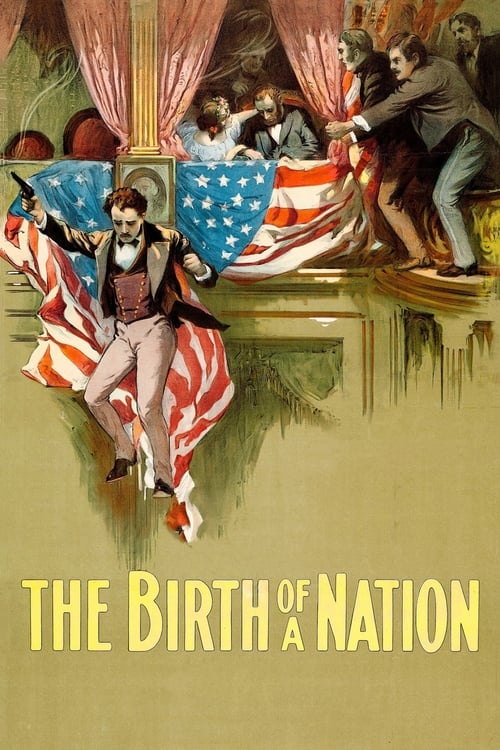
The Birth of a Nation
6.0

Two families, abolitionist Northerners the Stonemans and Southern landowners the Camerons, intertwine. When Confederate colonel Ben Cameron is captured in battle, nurse Elsie Stoneman petitions for his pardon. In Reconstruction-era South Carolina, Cameron founds the Ku Klux Klan, battling Elsie's congressman father and his African-American protégé, Silas Lynch.

The Birth of a Nation

1915
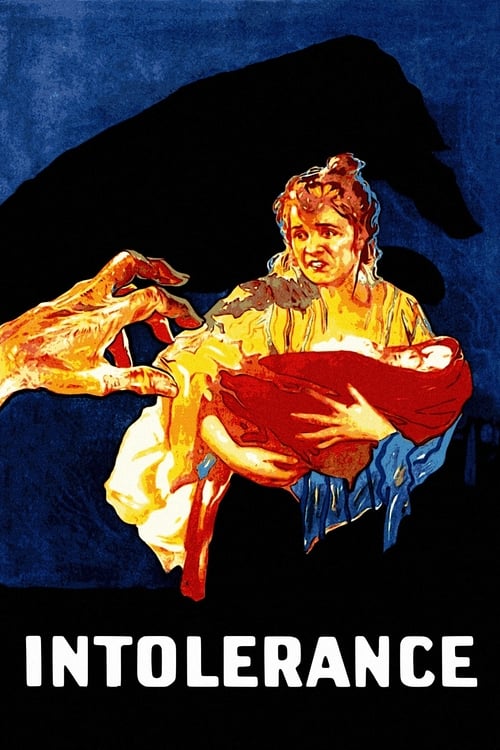
Intolerance: Love's Struggle Throughout the Ages
7.1

The story of a poor young woman, separated by prejudice from her husband and baby, is interwoven with tales of intolerance from throughout history.

Intolerance: Love's Struggle Throughout the Ages

1916
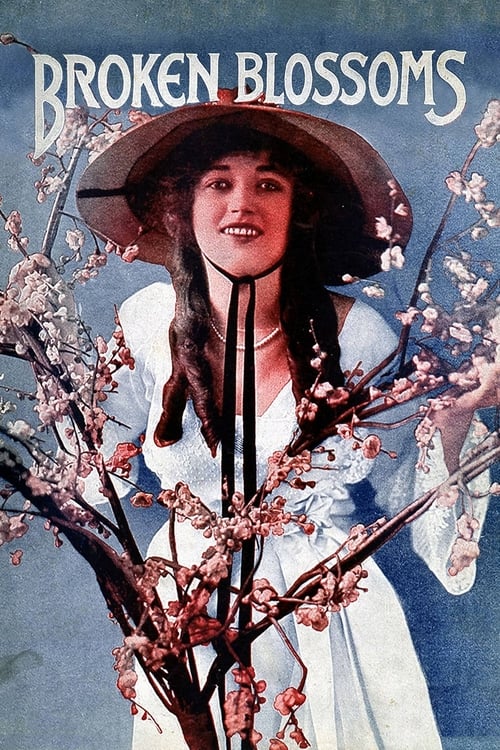
Broken Blossoms or The Yellow Man and the Girl
6.9

The love story of an abused English girl and a Chinese Buddhist in a time when London was a brutal and harsh place to live.

Broken Blossoms or The Yellow Man and the Girl

1919
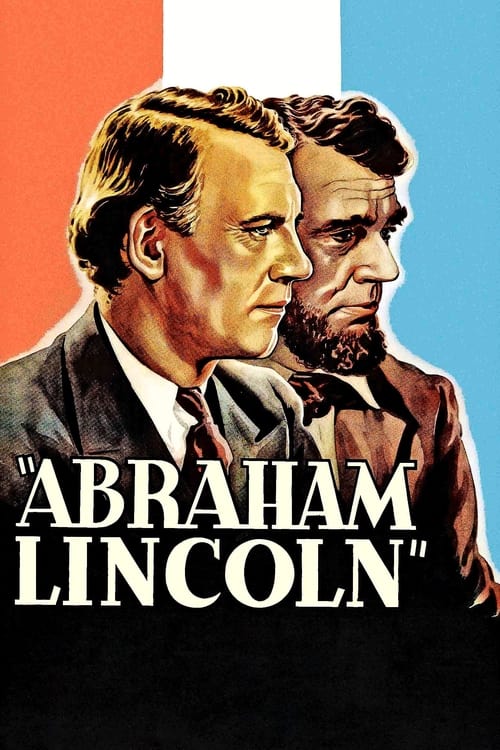
Abraham Lincoln
5.5

A biopic dramatizing Abraham Lincoln's life through a series of vignettes depicting its defining chapters: his romance with Ann Rutledge; his early years as a country lawyer; his marriage to Mary Todd; his debates with Stephen A. Douglas; the election of 1860; his presidency during the Civil War; and his assassination in Ford’s Theater in 1865.

Abraham Lincoln

1930
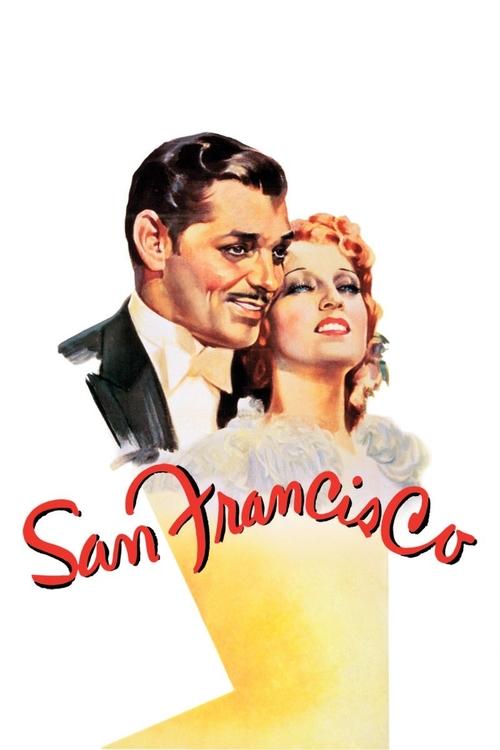
San Francisco
6.6

A beautiful singer and a battling priest try to reform a Barbary Coast saloon owner in the days before the great earthquake and subsequent fires in 1906.

San Francisco

1936
Orphans of the Storm
6.8

France, on the eve of the French Revolution. Henriette and Louise have been raised together as sisters. When the plague that takes their parents' lives causes Louise's blindness, they decide to travel to Paris in search of a cure, but they separate when a lustful aristocrat crosses their path.

Orphans of the Storm

1921
The King of Kings
6.4

The King of Kings is the Greatest Story Ever Told as only Cecil B. DeMille could tell it. In 1927, working with one of the biggest budgets in Hollywood history, DeMille spun the life and Passion of Christ into a silent-era blockbuster. Featuring text drawn directly from the Bible, a cast of thousands, and the great showman’s singular cinematic bag of tricks, The King of Kings is at once spectacular and deeply reverent—part Gospel, part Technicolor epic.

The King of Kings

1927
The Musketeers of Pig Alley
6.2

A man recognizes the thief who had previously robbed him as one of the men involved in an unrelated mob shootout.

The Musketeers of Pig Alley

1912
Ramona
4.9

Ramona, residing on her wealthy Spanish adoptive mother's rancho in California, falls in love with the Indian Alessandro. When Ramona is denied permission to marry Alessandro, the lovers elope, only to find a life of great hardship and unhappiness amidst the greed and injustice of the white landowners.

Ramona

1910
So Near, Yet So Far
5.9

It's love at first sight for the Boy, but obstacles— namely shyness, and the temerity of other suitors— place themselves in the way of his love. Unknowingly, the Boy and the young woman of his fancy both stay at the home of mutual friends— But all is not well, as robbers lurk outside the house.

So Near, Yet So Far

1912
Way Down East
6.9

A naive country girl is tricked into a sham marriage by a wealthy womanizer, then must rebuild her life despite the taint of having borne a child out of wedlock.

Way Down East

1920
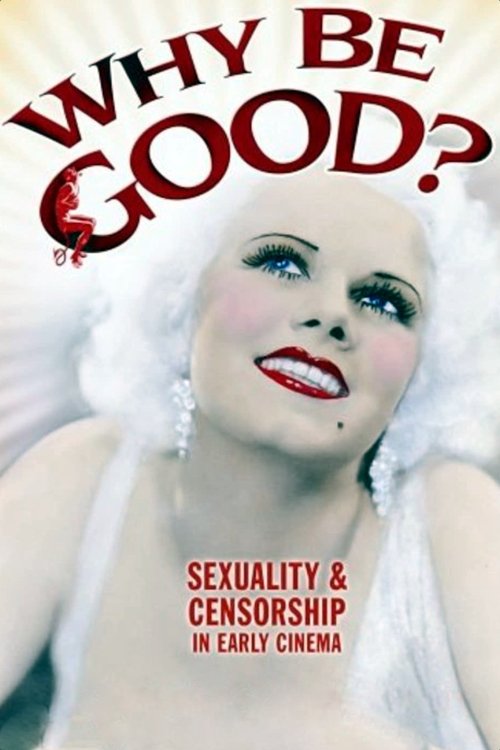
Why Be Good?: Sexuality & Censorship in Early Cinema
4.3

Before the G, PG and R ratings system there was the Production Code, and before that there was, well, nothing. This eye-opening documentary examines the rampant sexuality of early Hollywood through movie clips and reminiscences by stars of the era. Gloria Swanson, Mary Pickford, Marlene Dietrich and others relate tales of the artistic freedom that led to the draconian Production Code, which governed content from 1934 to 1968. Diane Lane narrates.

Why Be Good?: Sexuality & Censorship in Early Cinema

2007
The Avenging Conscience
5.9

Thwarted by his despotic uncle from continuing his love affair, a young man's thoughts turn dark as he dwells on ways to deal with his uncle. Becoming convinced that murder is merely a natural part of life, he kills his uncle and hides the body. However, the man's conscience awakens; paranoia sets in and nightmarish visions begin to haunt him.

The Avenging Conscience

1914
The Sunbeam
6.3

Set in a tenement, a lonely confirmed bachelor occupies a room across the hall from a dour spinster. Children run amok in the hallways playing pranks on the two. A little girl from the floor above, now alone in the world, brings the pair together and brightens their lives.

The Sunbeam

1912
A Corner in Wheat
6.2

On a whim, a greedy tycoon decides to corner the world market in wheat. This doubles the price of bread, forcing grain producers into charity lines and others further into poverty. The film contrasts the differences between the lives of those who work to grow the wheat and the life of the man who dabbles in its sale for profit.

A Corner in Wheat

1909
America
5.9

The story of a family caught up in the American Revolutionary War.

America

1924
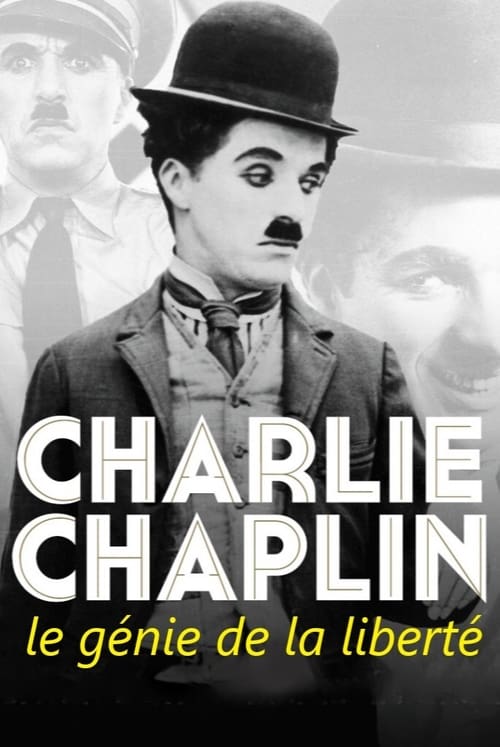
Charlie Chaplin, The Genius of Liberty
8.0

The whole world knows him. Burlesque comedy genius, popular actor, author, director, producer, composer, choreographer, Charlie Chaplin (1889-1977) used his talent to serve an ideal of justice and freedom. But his best scenario was his own destiny, a story written into the political and artistic history of the 20th century.

Charlie Chaplin, The Genius of Liberty

2020
No image
5.0

Miguel casts out his daughter when she marries a poor man, causing his wife to leave him, too. After he is unable to find a reliable cook, he reconciles with his daughter so he can get a good meal.

The Road to the Heart

1909