Mohammad Reza Darvishi
Sound
Known For
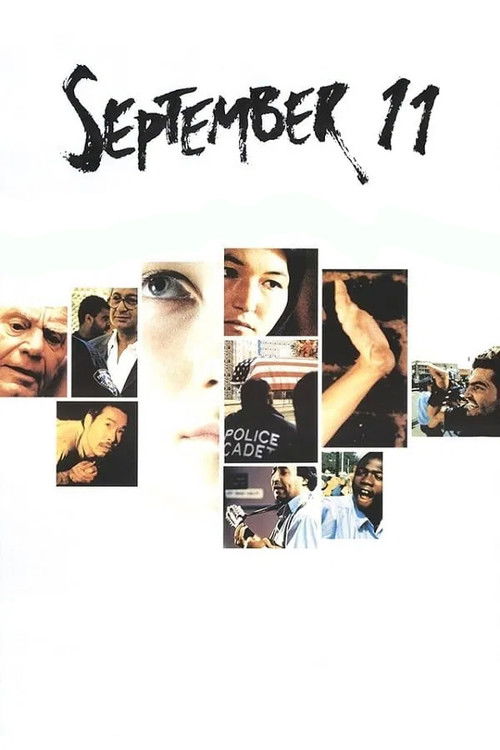
An anthology of short films inspired by the events of the September 11 World Trade Center attacks.
September 11
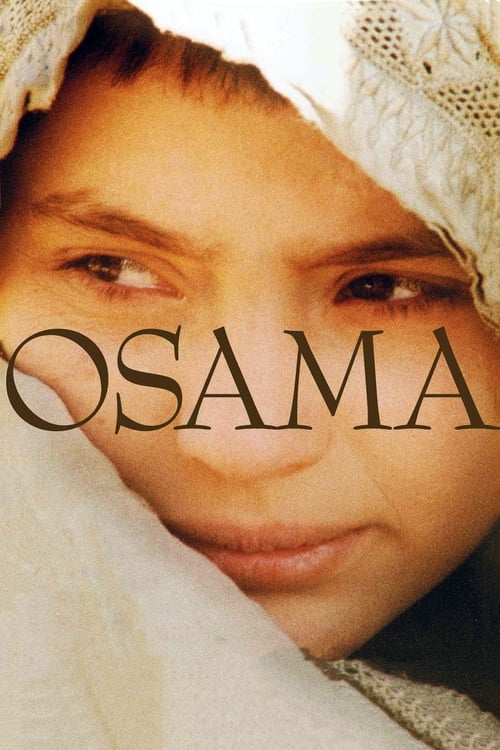
After the rise of the Taliban in Afghanistan and the restriction of women in public life, a preteen girl is forced to masquerade as a boy in order to find work to support her mother and grandmother.
Osama
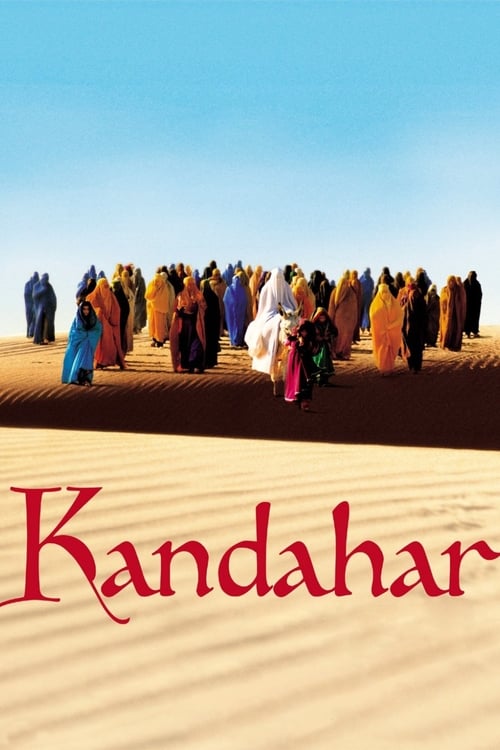
After an Afghanistan-born woman who lives in Canada receives a letter from her suicidal sister, she takes a perilous journey through Afghanistan to try to find her.
Kandahar

Nogreh is a young Afghani woman living with her father and her sister-in-law, Leylomah, whose husband, Akhtar, is missing. Beyond the issue of Akhtar, Leylomah is most concerned with how to feed her baby. She cannot provide milk for her baby as her own hunger is preventing her from lactating. Nogreh, however, aspires toward a life in a western styled democracy. Although the Taliban are no longer in power in Afghanistan, traditional forces are still active in the country. Nogreh often displays signs of rebellion, such as wearing a pair of white pumps instead of the traditional slipper beneath her burqa. But mostly, Nogreh wants to be educated. Without her father's knowledge, Nogreh is attending a secular girls school. Ultimately, she wants to become President of Afghanistan. With the help of a Pakistani refugee who likes her as a woman, Nogreh tries to understand exactly what forces led to current world leaders being elected, those forces which she wants to emulate.
At Five in the Afternoon
A girl reaches the age of nine and is supposed to act as a grown woman according to her family. A girl participates in a bike race against the will of her husband. An elderly woman decides she wants to buy all the things she always wanted but could never get.
The Day I Became a Woman
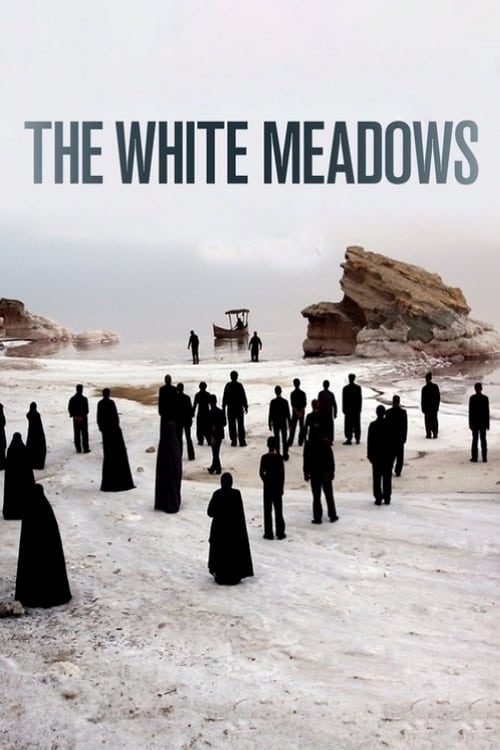
Rahmat travels to a host of islands in a vast salt pan in order to collect the inhabitant's tears for an unknown purpose. He is joined on his mysterious journey by a young boy searching for his father. As their travel nears its end, a potent critique of Iran's political leadership emerges.
The White Meadows
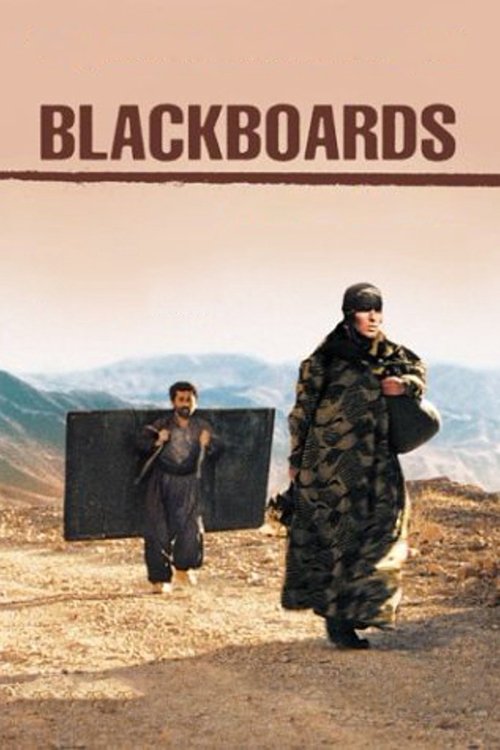
Itinerant Kurdish teachers, carrying blackboards on their backs, look for students in the hills and villages of Iran, near the Iraqi border during the Iran-Iraq war. Said falls in with a group of old men looking for their bombed-out village; he offers to guide them, and takes as his wife Halaleh, the clan's lone woman, a widow with a young son. Reeboir attaches himself to a dozen pre-teen boys weighed down by contraband they carry across the border; they're mules, always on the move. Said and Reeboir try to teach as their potential students keep walking. Danger is close; armed soldiers patrol the skies, the roads, and the border. Is there a role for a teacher? Is there hope?
Blackboards
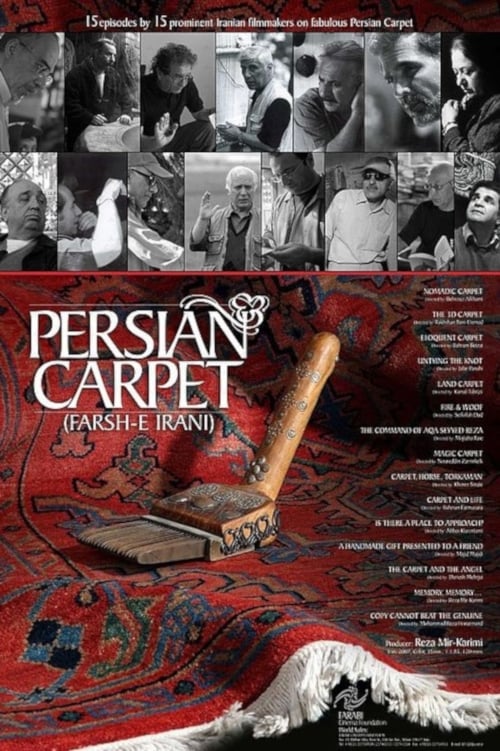
Persian Carpet is an omnibus film produced by Iran's National Carpet Center and Farabi Cinema Foundation where 15 renowned Iranian directors contributed films on the subject of Persian carpet. Carpets are the reflection of the cultural and historical identity of Iran.
Persian Carpet
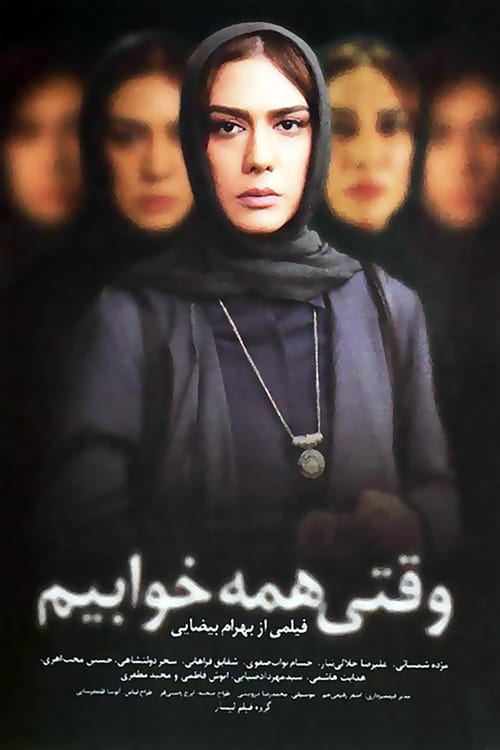
Chakameh, who has lost both her husband and child in a car accident, meets a guy who was recently released from prison. While she is under pressure from lawyers to compromise with the arrested driver, the guy tells her his story of his arrest and subsequent release from prison.
When We Are All Asleep
It is September 11, 2001, and a young man goes missing in New York. Because of his eastern name and his Islamic religion, he is suspected of being involved in the World Trade Center attack. The FBI inquire about him. The neighbors of his family show their disapproval. His family hold out hope that he will be found and exonerated. (Originally appeared as a segment of the omnibus film 11’09”01—September 11, but later presented as a separate short film.)
11’09”01—September 11: India
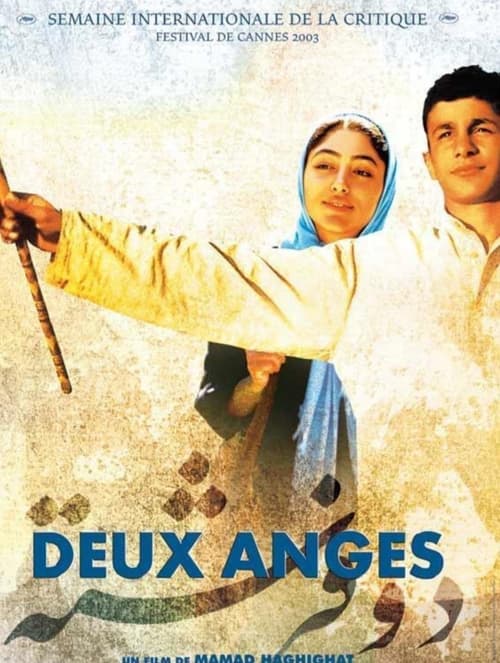
In a small religious town in Iran, Ali After a fight with his father, escapes to the desert where he hears music for the first time in his life: a shepherd who plays Ney. From that moment his life changes forever.
Two Angels
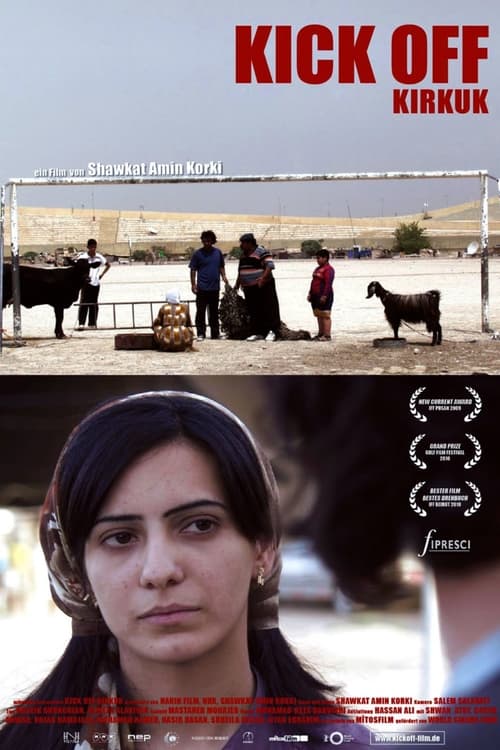
Inside a beat up stadium in Kirkuk, Iraq, live many refugees trying to escape Sadam Hussein's administration. Asu lives with his younger brother who has lost his legs from a landmine. Next door lives Hilin, who has not been able to express her feelings. One of the only sources of happiness for these people who live amid fear of poverty and bombings is soccer. Asu gathers together the Kurdish, Arabs and Turkish in order to hold a soccer match. Although they are of different races, they become close neighbors.
Kick Off
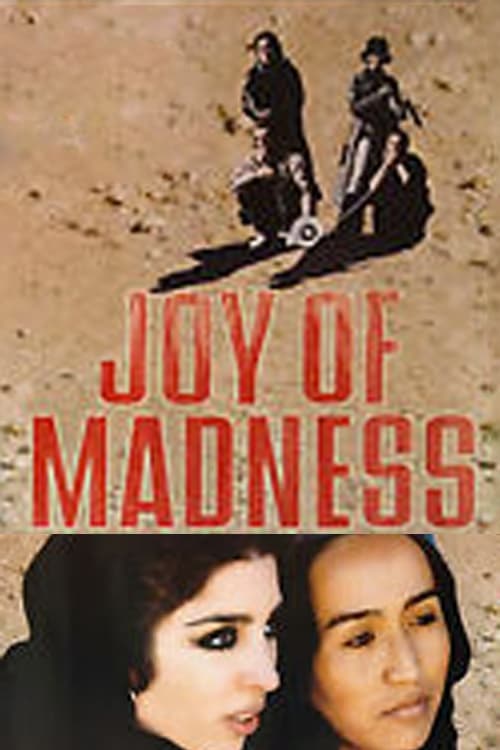
Documentary showing the backstage of production of Samira Makhmalbaf's film Panj É Asr(At Five in the Afternoon), in Kabul, after the fall of the Taliban regime. Everything was recorded with a small digital camera by Samira's 14-year-old sister Hana.
Joy of Madness

A road movie set in Iraq in 2003 during the fall of Saddam. Two Kurds are looking for the parents of a five-year-old boy who has been found in the street in tears. His name is Saddam too. At the same time the boy's parents are looking for him everywhere, worried because of the boy's name which is now taboo. All the attempts of the two Kurds to get rid of the child fail: neither the Americans nor the men of religion at the mosque want him. Little Saddam begins to become a real problem. In the streets and all around them, they are surrounded by the chaos and crazy atmosphere of those days, with violence always on the verge of exploding.
Crossing the Dust

"Lady of the Roses" is the name of the living memory of "Shahindokht Industrial". A lady who went to Laleh-e-Zar region of Kerman before the revolution and replaced flowers with poppies and roses with opium, and reached a point where "Gulab Zahra" changed the agricultural destiny of a region. We hear this story from Homayoun Sanati, Shahin Dokht's wife, three years after his death. The man who is the founder of "Franklin Publications", "Offset Printing House", "Pars Paper Making" and in general one of the rare figures of Iranian culture, industry and management.
Lady of the Roses
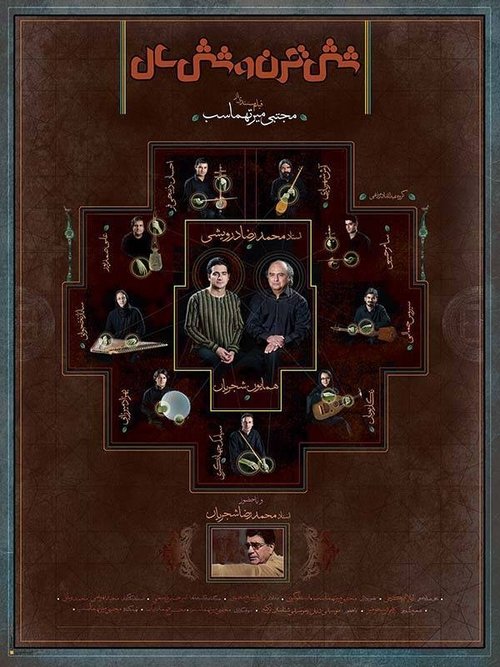
Six Centuries and Six Years is a documentary by Mojtaba Mir Tahmasb. In this documentary, a group of musicians try to retrieve and reread the ballads attributed to Abdul Qader Maraghi, the most prominent musician, theorist, writer and poet of six hundred years ago, based on ancient books and treatises from the history and culture of Iran.
Six Centuries and Six Years

Where is Lily? There is a portrait and biography of "Mohammad Reza Darvishi" who has been researching the music of the regions for almost 25 years and has written valuable reference books about it. In this film, Mr. Ahmad Reza Ahmadi, Ehsan Naraghi, Kayhan Kalhor and also the photographer Reza Motarian are always present with him.