La primer imagen del mundo

Synopsis
Vous aimerez aussi

En 1974, le réalisateur franco-chilien Alejandro Jodorowsky se lance dans le projet chimérique d'adapter au grand écran le roman influent de Frank Herbert, « Dune » (1969). Après avoir investi deux ans et des millions de dollars, ce projet gigantesque se solde par un échec ; mais les artistes réunis par Jodorowsky pour le mener à bien continuent à travailler ensemble et finissent par jeter les bases du cinéma de science-fiction moderne.
Jodorowsky's Dune
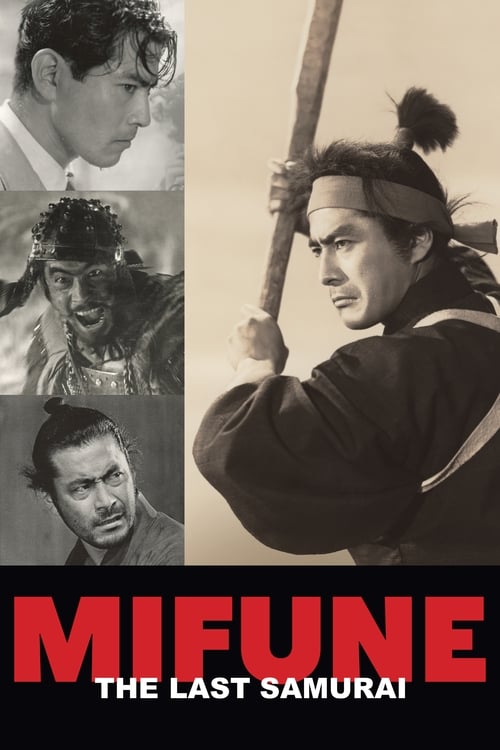
Un récit de la vie et de l'œuvre du légendaire acteur japonais Toshirō Mifune (1920-97), l'acteur le plus en vue de l'âge d'or du cinéma japonais.
Mifune, le dernier des samouraï
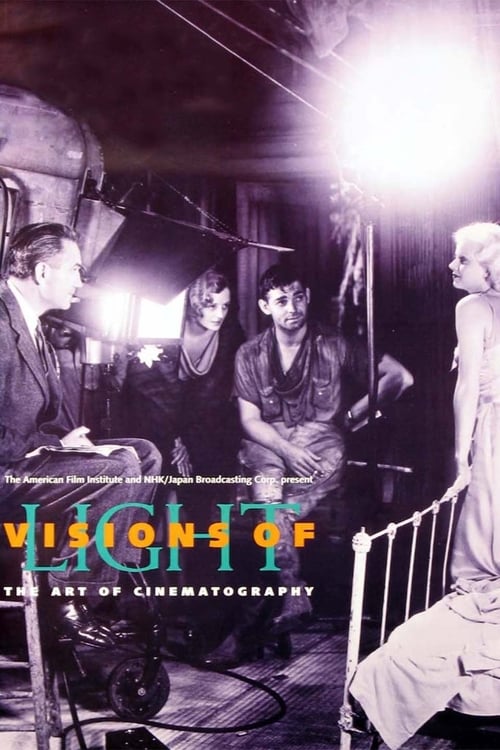
Cameramen and women discuss the craft and art of cinematography and of the "DP" (the director of photography), illustrating their points with clips from 100 films, from Birth of a Nation to Do the Right Thing. Themes: the DP tells people where to look; changes in movies (the arrival of sound, color, and wide screens) required creative responses from DPs; and, these artisans constantly invent new equipment and try new things, with wonderful results. The narration takes us through the identifiable studio styles of the 30s, the emergence of noir, the New York look, and the impact of Europeans. Citizen Kane, The Conformist, and Gordon Willis get special attention.
Visions of Light
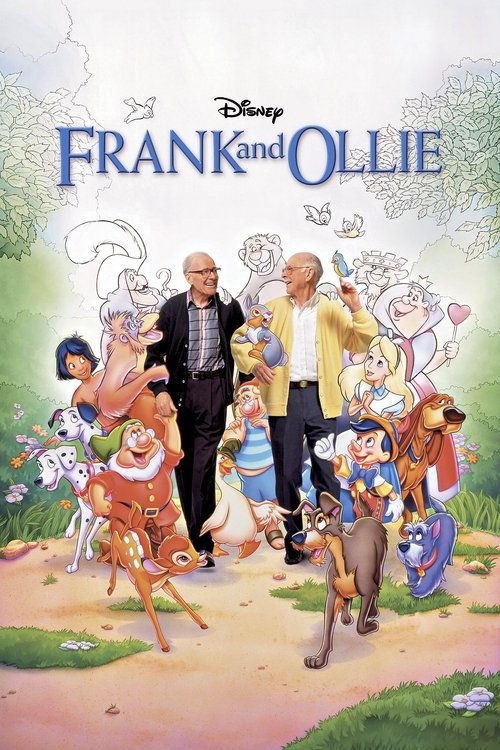
Bien avant la révolution technologique de l'animation assistée par ordinateur et ses possibilités infinies, la magie de l'animation s'écoulait du crayon de deux des meilleurs animateurs que la Walt Disney Company n'aie jamais connu : Frank Thomas et Ollie Johnston. Talentueux dessinateurs de Bambi, Pinocchio, La belle et le clochard ou Le livre de la jungle, ils sont devenus des modèles pour toute une génération de nouveaux animateurs, et notamment ceux de succès récents comme Le roi lion. Leur génie créatif a rendu à tout jamais le nom de Disney synonyme d'excellence dans l'animation et ses attributs que sont la belle musique et les scénarii intemporels. Ils nous livrent ici leurs secrets, pensées, inspirations et réflexions sur la genèse de films d'animation parmi les plus beaux de l'histoire du cinéma
Frank et Ollie

Ce documentaire traite du passage de la pellicule au numérique , ceci vu par les réalisateurs et chefs-opérateurs majeurs de l’Histoire du cinéma.
La révolution digitale
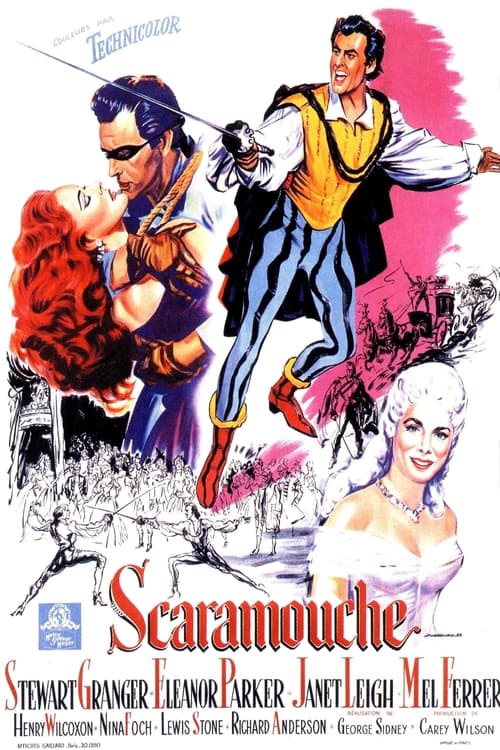
France, XVIIe siècle. Alors que la Révolution éclate, Andre Moreau, un aventurier, prend le masque du comédien Scaramouche, afin de venger un ami tué par un duelliste hors pair, le marquis de Mayne...
Scaramouche
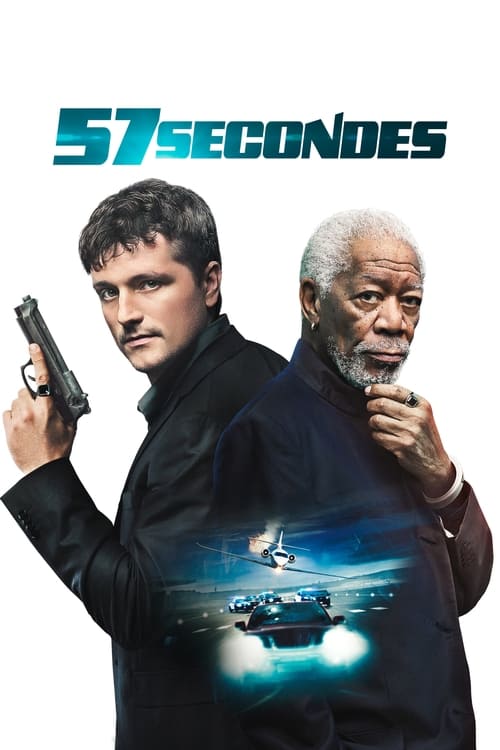
Le blogueur, Franklin Fausti, obtient une interview avec le gourou visionnaire, Anton Burrell. Après avoir déjoué un attentat contre ce dernier, Franklin récupère une bague mystérieuse que Burrell a laissée tomber et découvre bientôt que le bijou permet à son possesseur de voyager 57 secondes dans le passé. Poussé par la vengeance et avec le soutien de Burrell, Franklin utilise l'anneau pour démanteler le laboratoire pharmaceutique responsable de la mort de sa sœur.
57 secondes
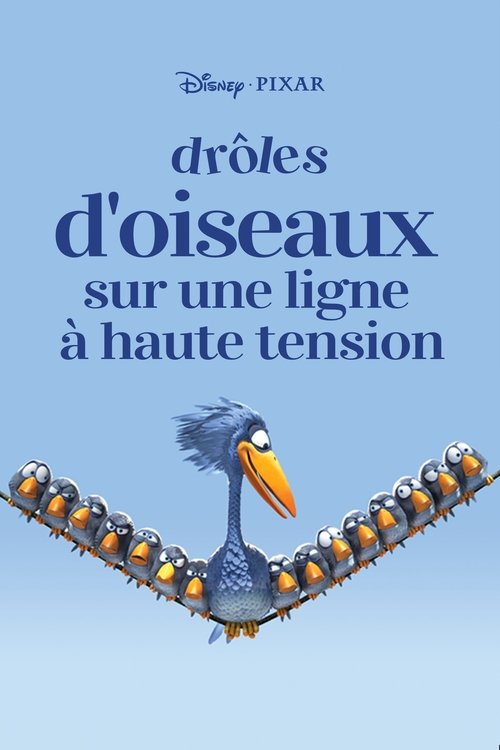
Un groupe de petits volatiles voit débarquer un oiseau envahissant sur sa ligne de téléphone...
Drôles d'oiseaux sur une ligne à haute tension
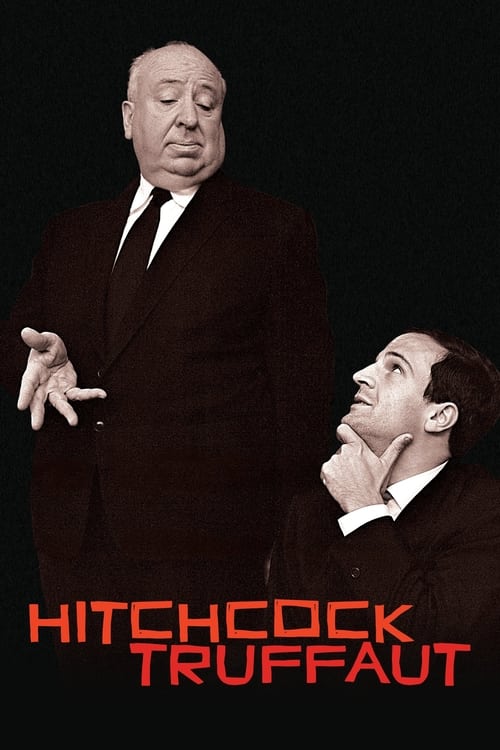
En 1962, Hitchcock et Truffaut s’enferment pendant une semaine à Hollywood pour mettre à jour les secrets de la mise en scène au cinéma. A partir des enregistrements originaux de cette rencontre qui servirent à élaborer le livre mythique Le Cinéma selon Hitchcock, ce film met en image la plus grande leçon de cinéma de tous les temps, et nous plonge dans l’univers de l’auteur de Psychose, Les Oiseaux et Sueurs froides.
Hitchcock/Truffaut

Documentaire making-off de l'épisode IX : Star Wars : L'Ascension de Skywalker.
The Skywalker Legacy
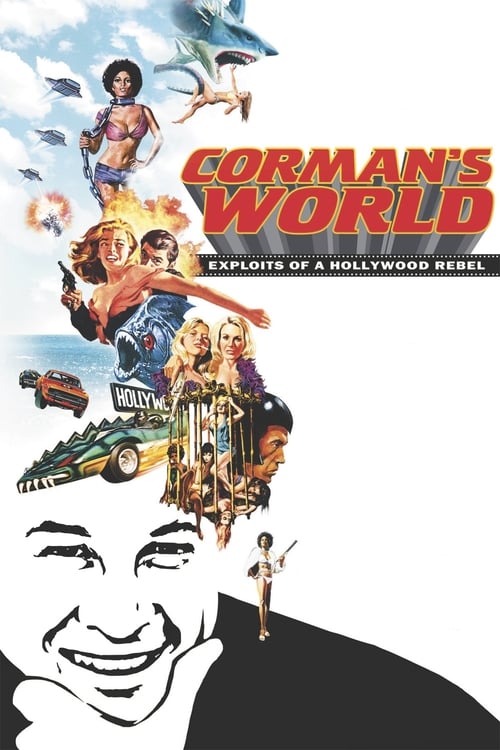
Le documentaire d’Alex Stapleton visite la carrière de Roger Corman, l’homme capable de réaliser ou de produire des films en trois jours, à qui l’on doit également le lancement des carrières de Jack Nicholson, Martin Scorsese, Monte Hellman et de nombreuses autres personnalités du cinéma américain.
Le Monde de Corman
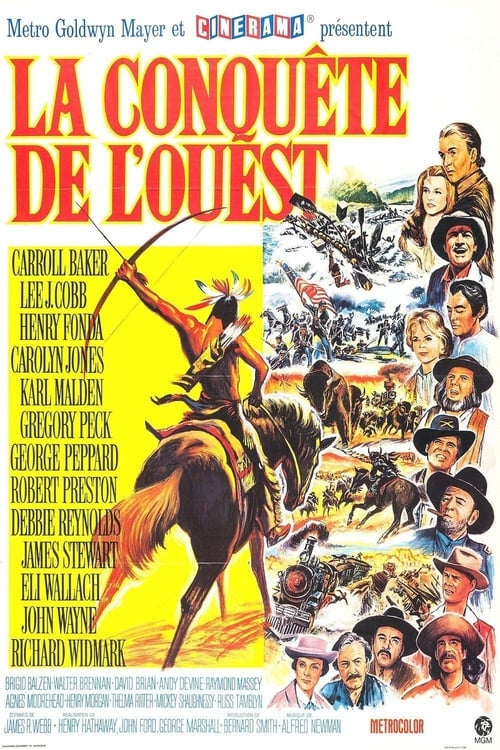
La conquête de l'Ouest nous est racontée à travers l'histoire d'une famille de pionniers qui traversera les rivières, les plaines, mais aussi la guerre de sécession et l'installation du chemin de fer. Ils rencontrent sur leur chemin des brigands, des bandits, et aussi des indiens.
La Conquête de l'Ouest
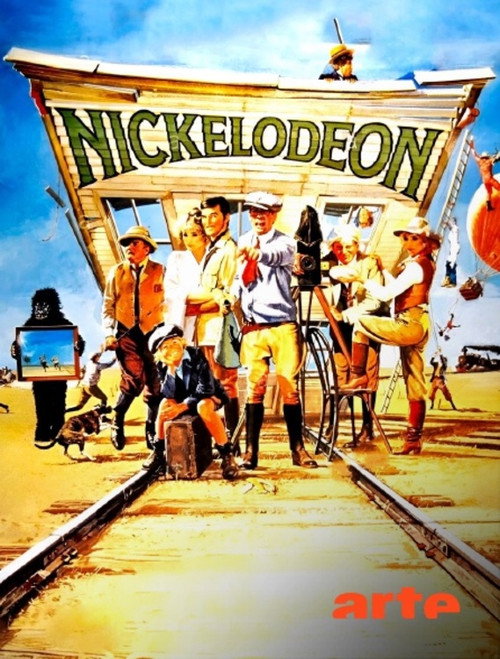
En 1910, l'industrie cinématographique est en plein essor. Harrigan abandonne son métier d'avocat et se lance dans l'écriture de scénarios pour un producteur indépendant, HH Cobb. Tom Greenway, l'homme de main d'une grande compagnie new-yorkaise qui cherche à casser les indépendants, lui tombe dessus...
Nickelodeon
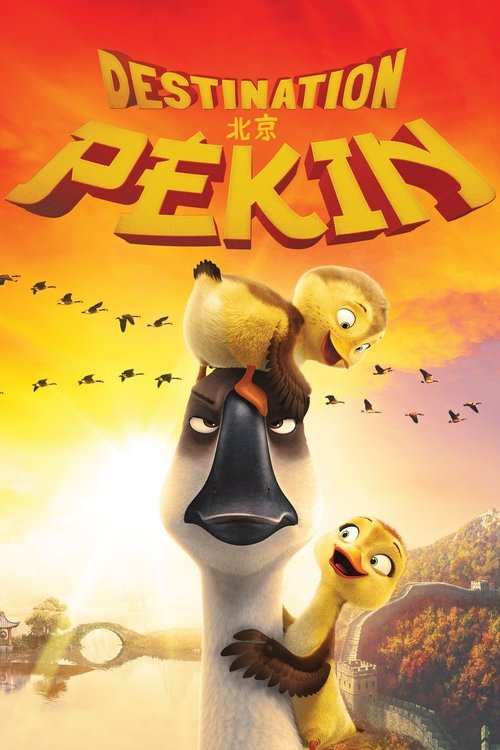
Peng est un jars casse-cou, farceur et dragueur. A force d’acrobaties pour épater les jolies oies, il se blesse et doit renoncer à partir avec les oies pour leur grande migration annuelle. Il rencontre alors Chao et Chi, deux petits canetons, également séparés de leur groupe. Aucun ne peut voler ? Qu’importe, ils décident de partir tous les trois, à travers toute la Chine, pour une grande migration… à pied ! Chao et Chi se font un malin plaisir à taquiner Peng, qui découvre bien malgré lui les inconvénients d’un voyage avec des petits canetons facétieux ! Les péripéties et les blagues ne vont pas manquer lors de cette expédition à pied très mouvementée !
Destination Pékin !
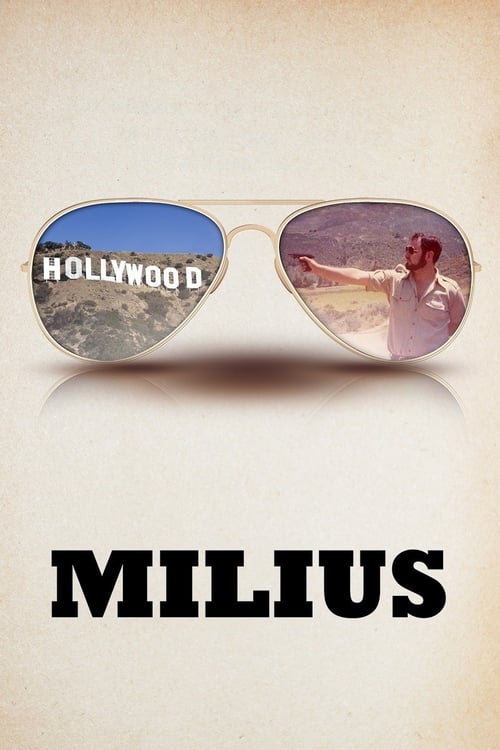
Focus sur la vie de John Milius.
Milius

Burden of Dreams est un documentaire réalisé par Les Blank en 1982. Filmé en Amérique du sud, il met en scène les principaux artistes impliqués dans la réalisation de Fitzcarraldo : Claudia Cardinale, Werner Herzog, Mick Jagger, Klaus Kinski et Jason Robards.
Burden of Dreams
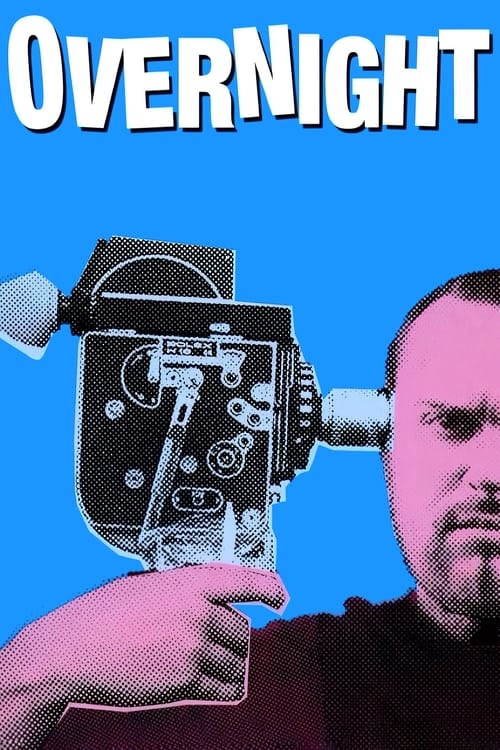
Alternately hilarious and horrifying, Overnight chronicles one man's misadventures of making a Hollywood movie. It starts out as a rags to riches story as Troy Duffy, a Boston-bred bartender, sells his first screenplay for The Boondock Saints.
Overnight
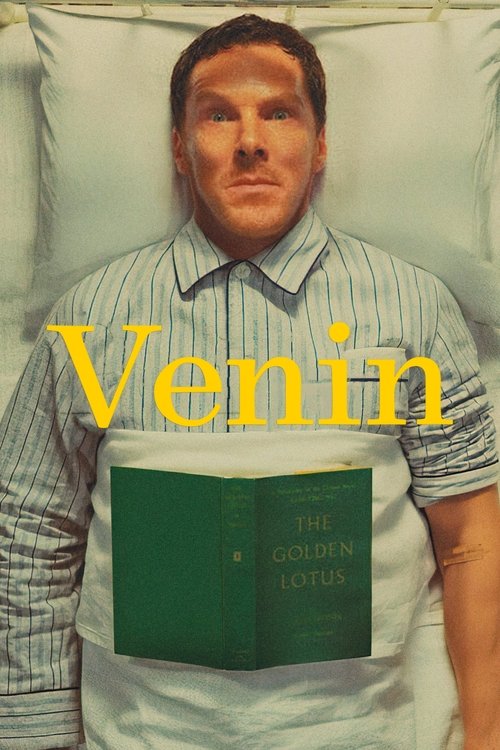
Dans cette nouvelle de Roald Dahl, un homme découvre un serpent venimeux endormi dans son lit
Venin
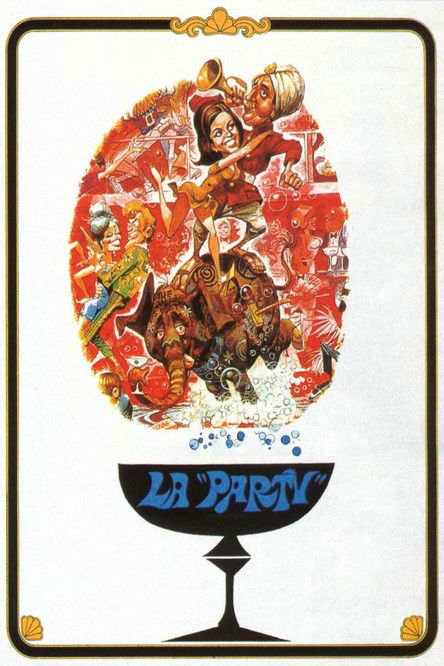
Hrundi V. Bakshi, un acteur indien, est engagé par un studio hollywoodien pour interpréter un soldat indigène dans un remake de « Gunga Din ». Faisant preuve d'une terrible maladresse, il fait exploser un coûteux décor. Exaspéré, le producteur demande à ce que le nom de Bakshi soit inscrit sur une liste noire. Mais suite à un quiproquo, le comédien se retrouve en fait invité à la soirée annuelle du studio.
La Party
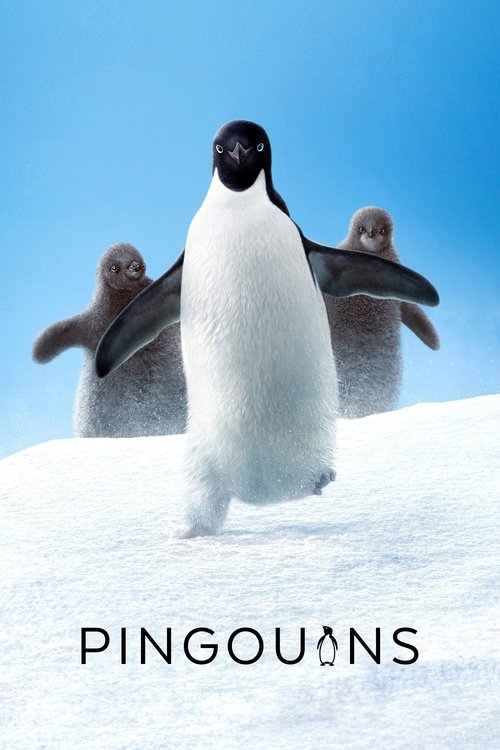
Dans le printemps glacé de l'Antarctique, Steve, un manchot Adélie, rejoint des millions de congénères mâles dans une quête pour construire un nid convenable, trouver une partenaire pour la vie et fonder une famille. Mais rien de tout cela n'est simple pour Steve, lui qui est la cible de prédateurs comme les orques ou les phoques, qui menacent sans répit sa fin heureuse.