Synopsis
- Réalisateur
- Mehdi Boostani
- Scénario
- Mehdi Boostani
- Langue originale
- persan
Vous aimerez aussi
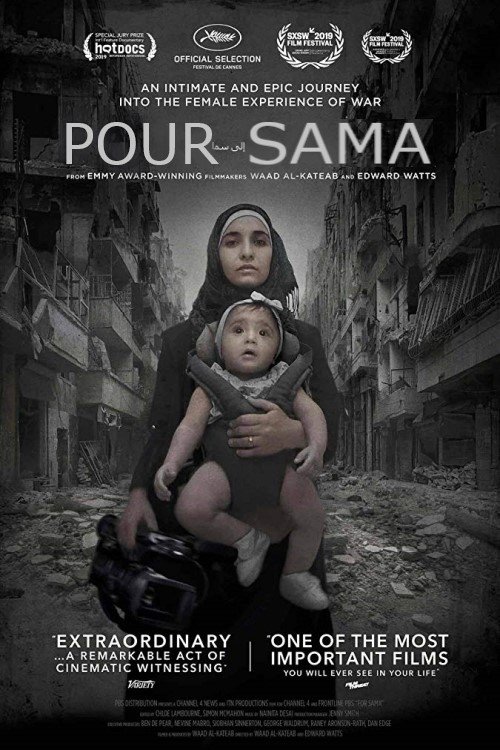
Waad al-Kateab est une jeune femme syrienne qui vit à Alep lorsque la guerre éclate en 2011. Sous les bombardements, la vie continue. Waad tombe amoureuse, se marie avec Hamza et donne naissance à sa fille, Sama. Elle filme au quotidien les pertes, les espoirs et la solidarité du peuple d’Alep. Son mari médecin sauve des centaines de vies dans un hôpital de fortune. Le couple est déchiré entre la protection de leur enfant et leur combat pour la liberté.
Pour Sama

Azar Nafisi, professeure à l’université de Téhéran, réunit secrètement sept de ses étudiantes pour lire des classiques de la littérature occidentale interdits par le régime. Alors que les fondamentalistes sont au pouvoir, ces femmes se retrouvent, retirent leur voile et discutent de leurs espoirs, de leurs amours et de leur place dans une société de plus en plus oppressive. Pour elles, lire Lolita à Téhéran, c’est célébrer le pouvoir libérateur de la littérature.
Lire Lolita à Téhéran
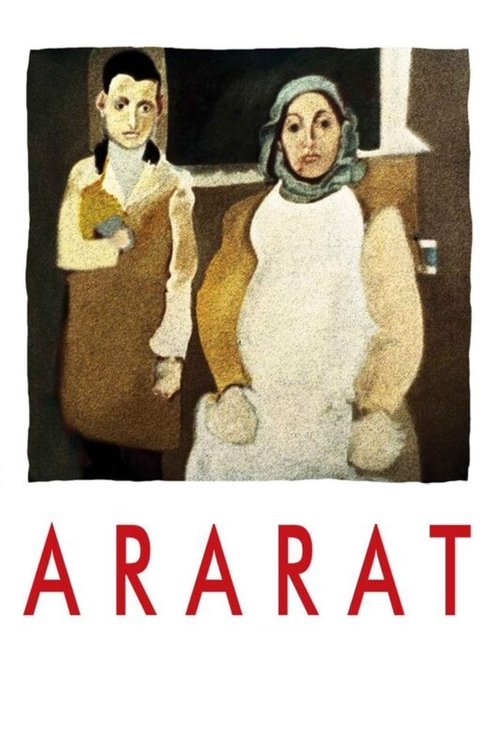
Un artiste tente de peindre le portrait de sa mère. Un metteur en scène veut réaliser le film de sa vie. Un jeune homme tente de passer la douane. Une jeune femme veut comprendre comment son père a disparu. Une conférencière se sert de la grande histoire pour oublier la sienne. Un acteur endosse le rôle d'un méchant sans en mesurer les conséquences. Une seule histoire les réunit : celle de l'Arménie.
Ararat
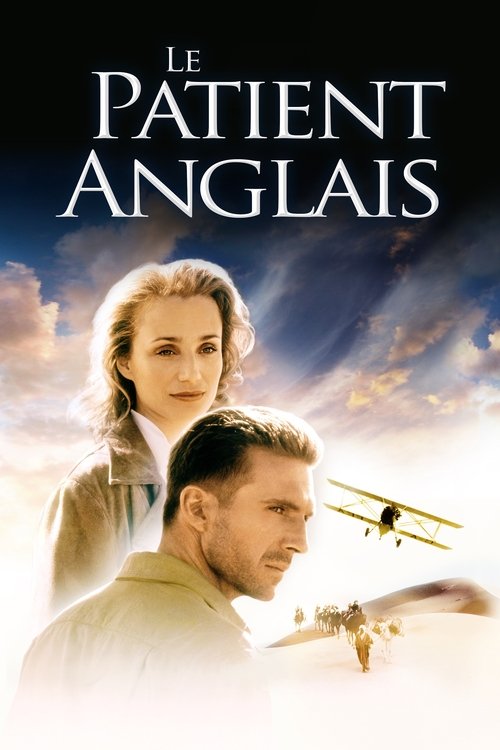
En 1945, quatre personnes déchirées par la guerre se réfugient dans un monastère abandonné de Toscane pour se guérir de leurs maux. Peu à peu le passé va resurgir et la présence d'un homme mystérieux et méconnaissable, le patient anglais, va bouleverser le destin de ceux qui croisent son chemin.
Le Patient anglais
Un documentaire expérimental qui explore les relations de l'Arabie Saoudite avec les États-Unis et le rôle que celles-ci ont joué dans la guerre en Afghanistan.
Bitter Lake
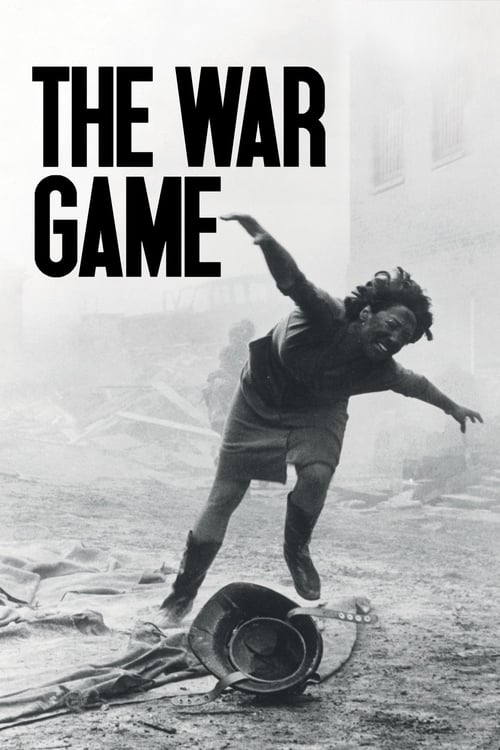
Une bombe atomique soviétique s'abat en Angleterre. A partir de cette hypothèse faite dans le contexte de la guerre froide, Peter Watkins imagine les conséquences immédiates de l'attaque, l'éventualité et les conditions d'une survie.
La Bombe
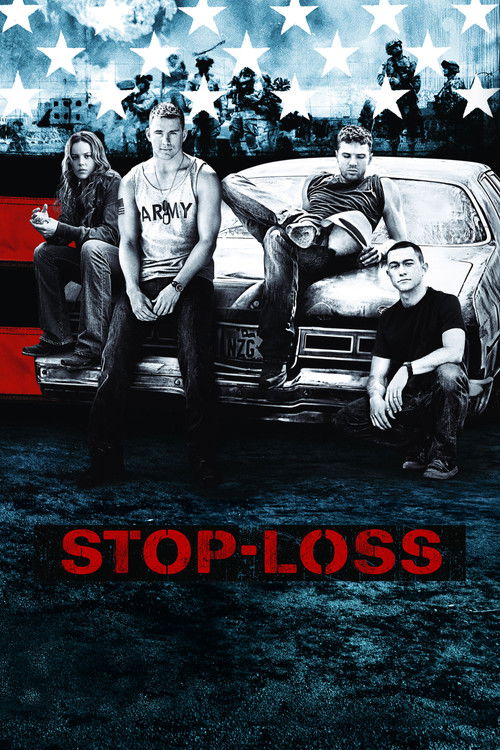
Brandon King, un héros de la guerre en Irak, fête son retour dans sa petite ville natale du Texas. Il essaye de renouer avec sa vie d'avant, de ressérrer les liens avec sa famille et son meilleur ami, Steve Shriver, qui était avec lui en Irak. Mais l'armée lui ordonne de repartir là-bas, mais il refuse...
Stop-Loss
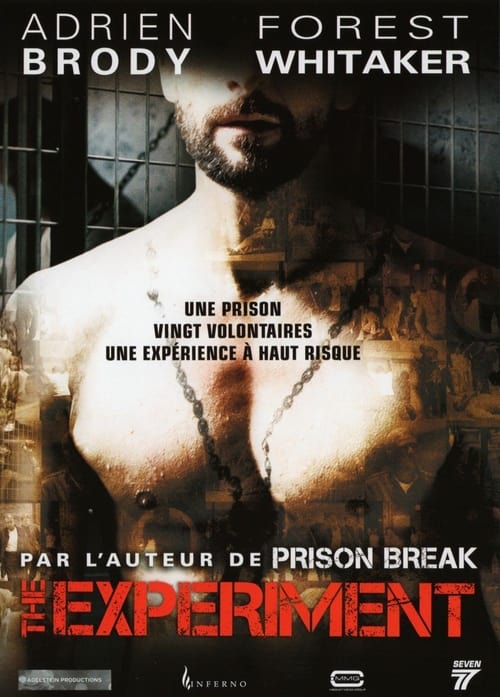
Pour étudier scientifiquement le comportement humain, un scientifique enferme vingt volontaires dans un univers carcéral. Parmi eux, des "gardiens" et des "prisonniers". Mais la situation se détériore. L'expérience dépasse tout ce qui était prévu.
The Experiment
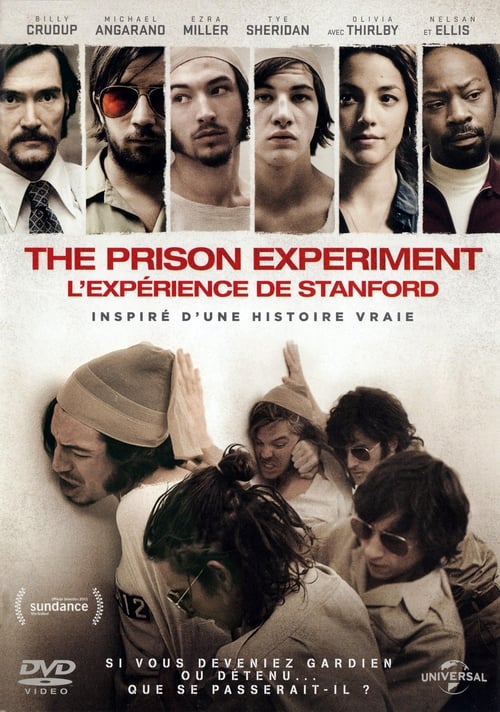
La chronique de la funeste "Expérience de Stanford", une simulation scientifique organisée par l'université américaine en 1971 tentant d'explorer les effets de l'enfermement carcéral sur les prisonniers et leurs geôliers...
The Prison Experiment : L'Expérience de Stanford
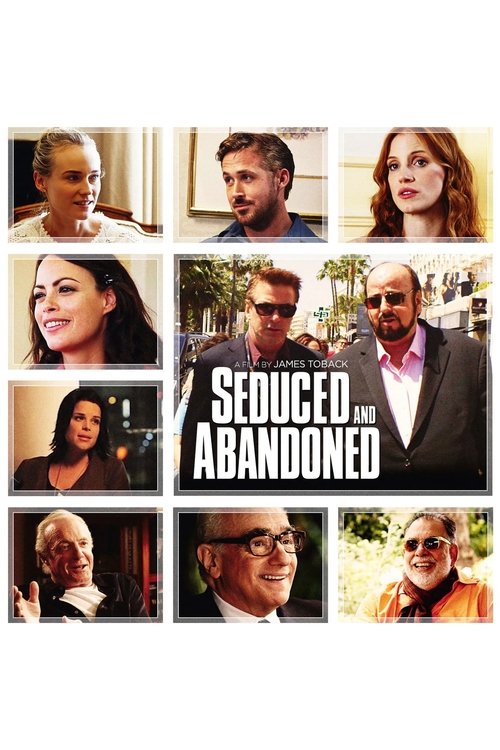
Un documentaire sur la difficulté de monter un film.
Seduced and Abandoned
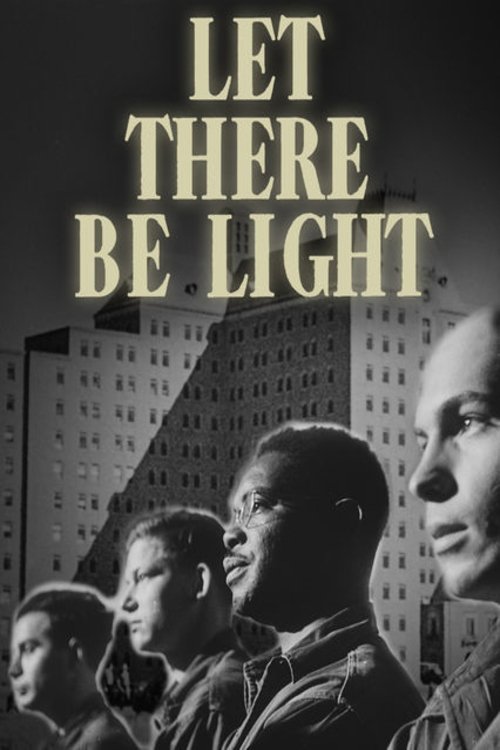
Bouleversant témoignage sur les horreurs de la guerre censuré jusqu’en 1980, Que la lumière soit est aujourd’hui considéré comme l’un des meilleurs films jamais réalisés sur les conséquences psychologiques de la guerre.
Que la lumière soit
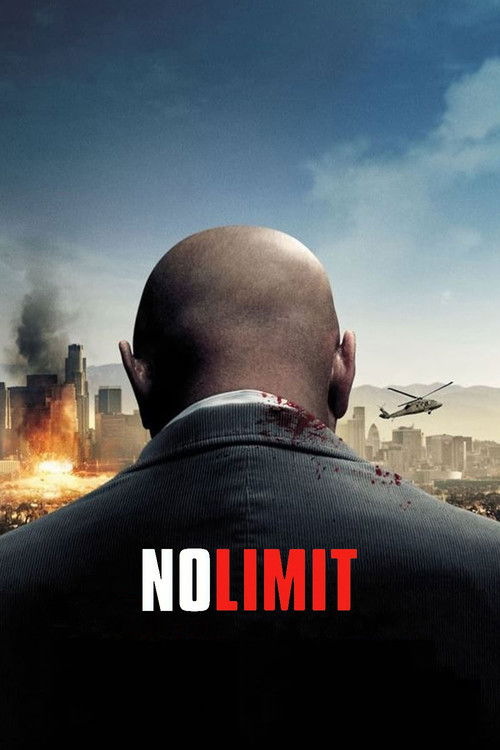
Younger, un psychopathe, menace les États-Unis en déclarant avoir dissimulé trois bombes nucléaires dans trois villes américaines. Capturé par les autorités, il est interrogé par l'agent du FBI, Helen Brody, qui désespère de le faire parler. Jusqu'à l'arrivée de H, un agent du gouvernement, bien décidé à tout mettre en œuvre pour faire craquer le suspect et découvrir où sont cachées les bombes…
No Limit
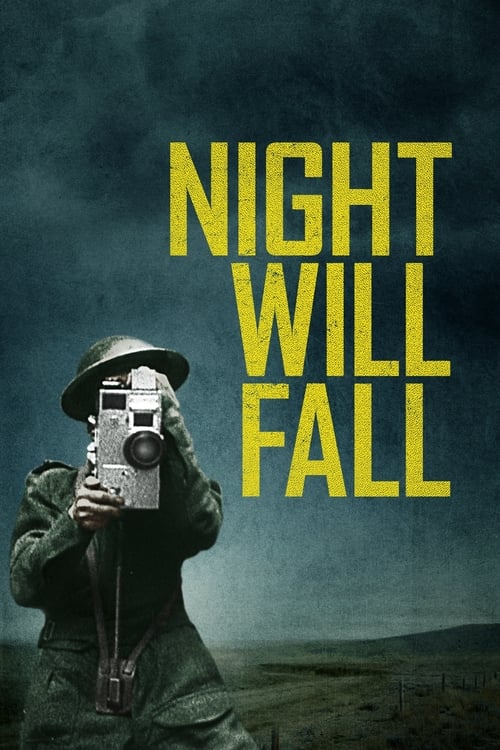
En 1945, le cinéaste Alfred Hitchcock est engagé pour superviser le montage d'un documentaire produit par l'armée britannique sur la libération des camps de concentration nazis. Un film qui était destiné à montrer au peuple allemand les atrocités qui avaient été commises en son nom par les nazis. Une fois le film terminé, celui-ci fut cependant enterré pour des raisons politiques et jamais diffusé. Il fut alors simplement déposé à l'Imperial War Museum, à Londres, où dans les années 1980, les pellicules y ont été redécouvertes par un chercheur américain. Le film a fait l'objet d'une restauration complète respectant les choix du cinéaste. "Night Will Fall" retrace l’histoire de ce film pas fini, qui était connue longtemps sous le nom "The missing Hitchcock"...
Images de la libération des camps. Chronique d’un film inachevé
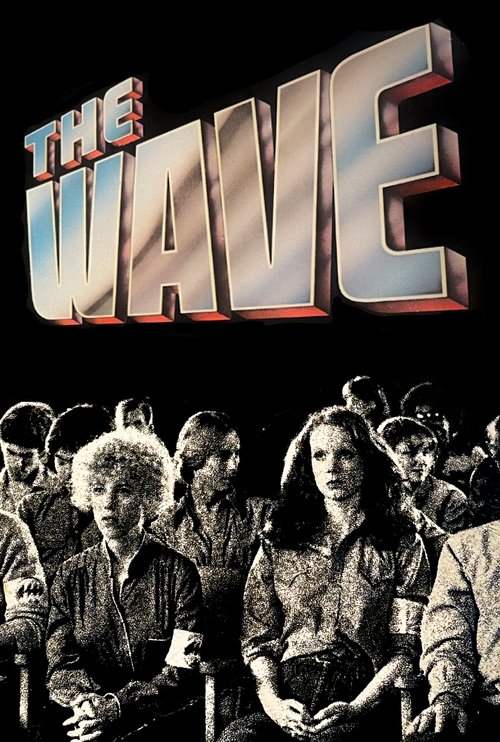
Un enseignant joue un jeu mental avec certains de ses élèves. Basé sur une histoire vraie.
La vague
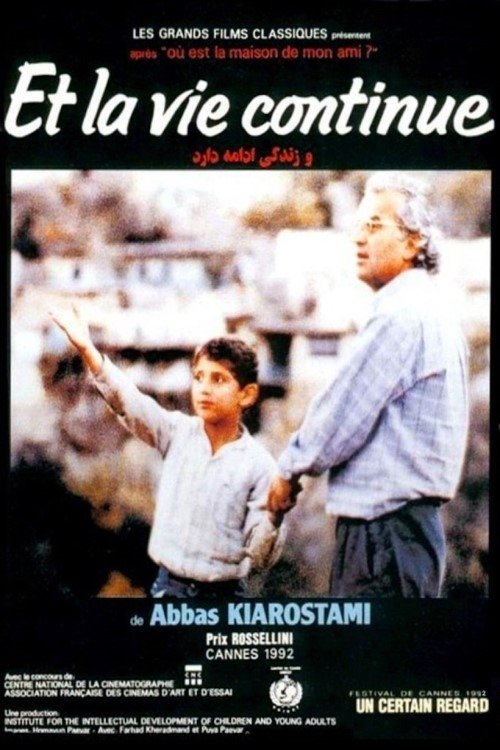
En 1990, un tremblement de terre détruit le nord de l’Iran, dévastant de nombreux villages et faisant plusieurs milliers de morts. Un cinéaste et son jeune fils décident de prendre la route pour se rendre sur les lieux. Ils veulent retrouver les deux jeunes acteurs qui avaient tourné dans le précédent film d’Abbas Kiarostami, « Où est la maison de mon ami ? ». Au cours de ce pèlerinage, tous deux vont prendre conscience que malgré tout, la vie continue pour les habitants.
Et la vie continue
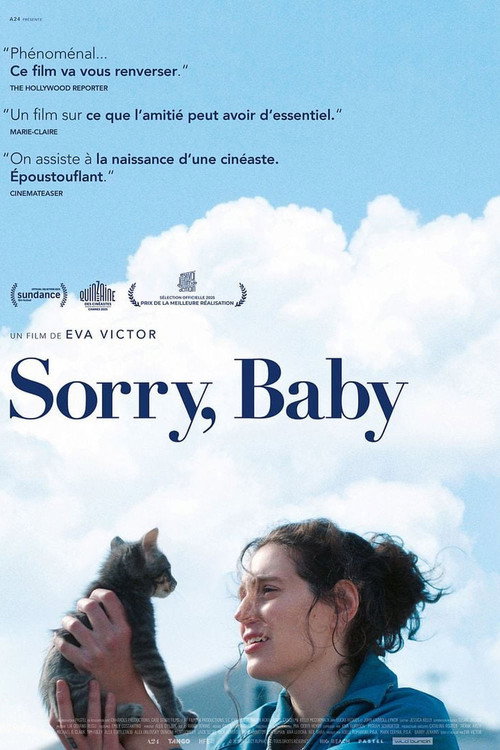
Agnes a vécu un drame, mais la vie continue… du moins pour ceux qui l’entourent. Lorsque sa meilleure amie lui rend visite à l’approche d’une étape importante, Agnes prend conscience de son immobilisme et trouve des moyens de s’en sortir afin d’aller de l’avant.
Sorry, Baby
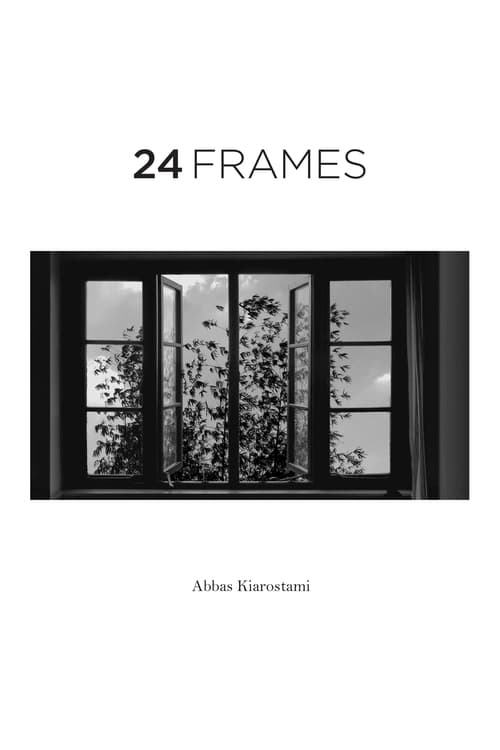
"Je me demande toujours dans quelle mesure les artistes cherchent à représenter la réalité d'une scène. Les peintres et les photographes ne capturent qu'une seule image et rien de ce qui survient avant ou après. Pour "24 Frames", j'ai décidé d'utiliser les photos que j’ai prises ces dernières années, j'y ai ajouté ce que j'ai imaginé avoir eu lieu avant ou après chacun des moments capturés". Abbas Kiarostami
24 Frames
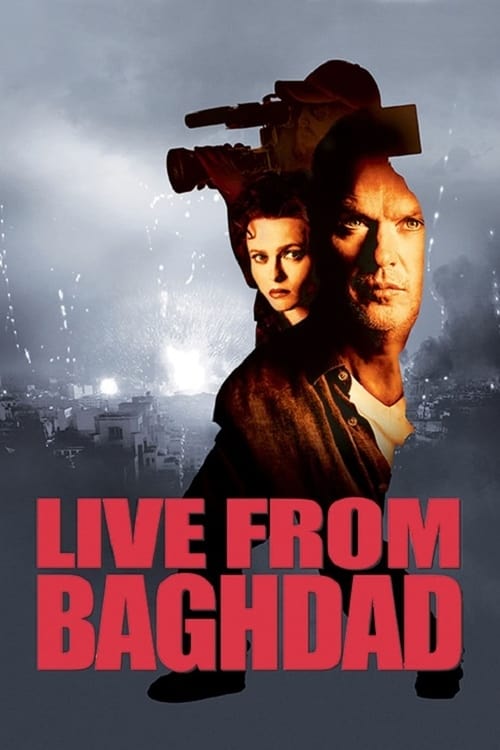
Pendant la première guerre du Golfe, un producteur de CNN, Robert Wiener, sa co-productrice Ingrid Formanek et leur équipe de journalistes tentent de faire passer les informations malgré la censure.
En direct de Bagdad
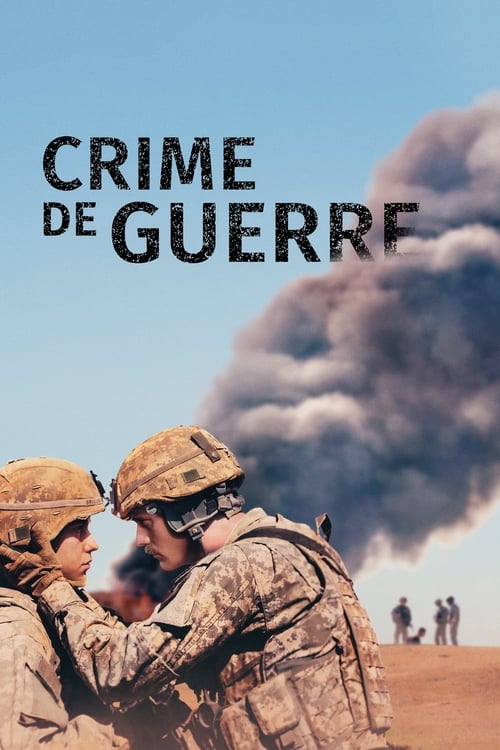
L'histoire du soldat Adam Winfield qui, en opération en Afghanistan, tenta de dénoncer certains membres de son équipe qui appliquaient un plan meurtrier.
Crime de guerre
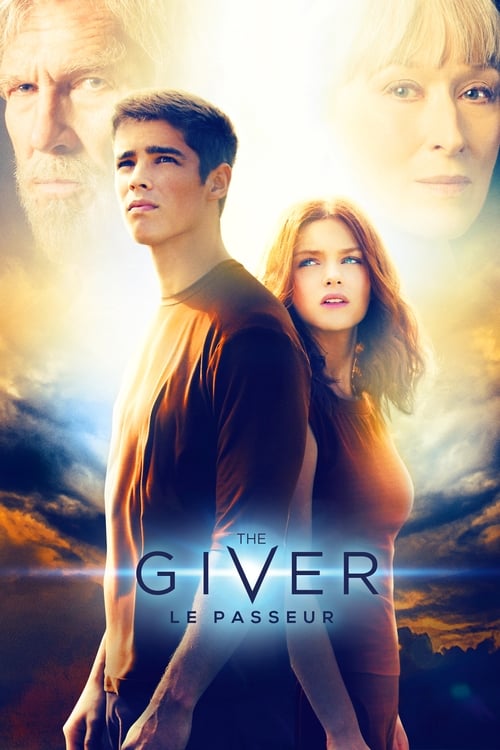
Dans un futur lointain, les émotions ont été éradiquées en supprimant toute trace d'histoire. Seul « Le Passeur » a la lourde tâche de se souvenir du passé, en cas de nécessité. On demande alors au jeune Jonas de devenir le prochain « Passeur »...
The Giver - Le Passeur
Avis & Notes
Connectez-vous pour donner votre avis
Partagez votre opinion avec la communauté.