Synopsis
You might also like

Kiyoha rises from the lowly courtesan ranks to the high class position of Oiran in the steamy red-light district of Yoshiwara. She is determined to stand on her own two feet and live life as she pleased.
Sakuran
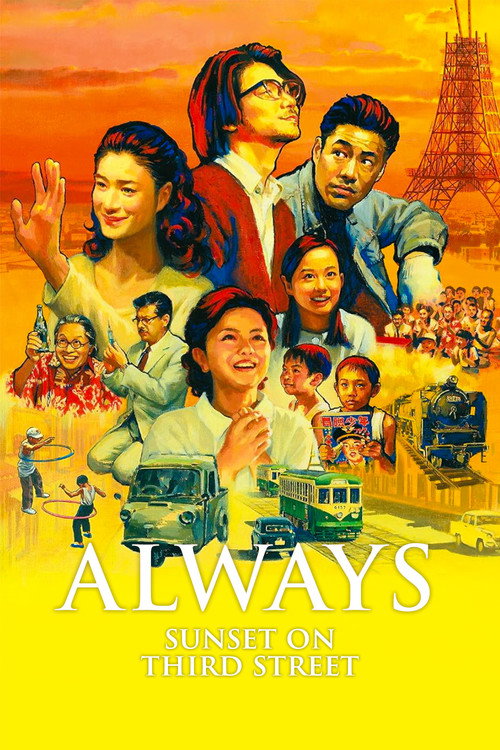
In 1958 postwar Tokyo, the residents of a humble Third Street neighbourhood struggle, dream, and grow together as rapid modernisation transforms their lives beneath the shadow of the newly rising Tokyo Tower.
Always - Sunset on Third Street
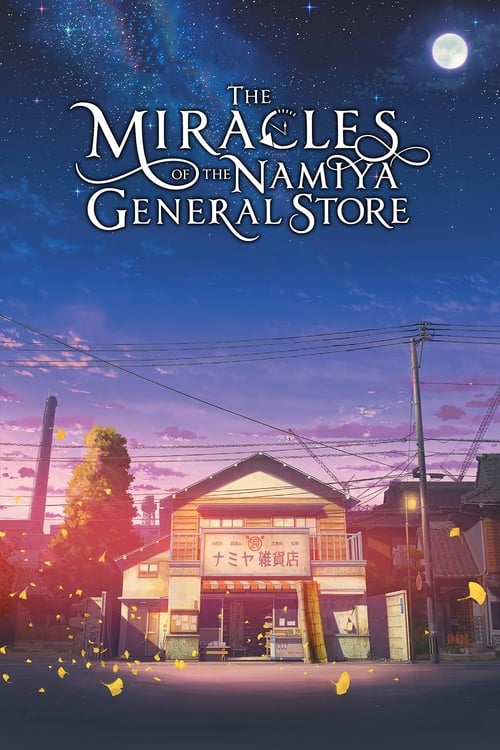
In 2012, Atsuya and his 2 childhood friends do something bad and run into an old general store. They decide to stay there until the morning. Late into the night, Atsuya sees a letter in the mailbox. The letter is addressed to the Namiya General Store and the letter was written by someone to consult about worries. Incredibly, the letter was written 32 years ago. The mailbox is somehow connected to the year 1980. Atsuya and his friends decide to write a reply and place their letter in the mailbox.
The Miracles of the Namiya General Store

Set during Japan's Shogun era, this film looks at life in a samurai compound where young warriors are trained in swordfighting. A number of interpersonal conflicts are brewing in the training room, all centering around a handsome young samurai named Sozaburo Kano. The school's stern master can choose to intervene, or to let Kano decide his own path.
Taboo
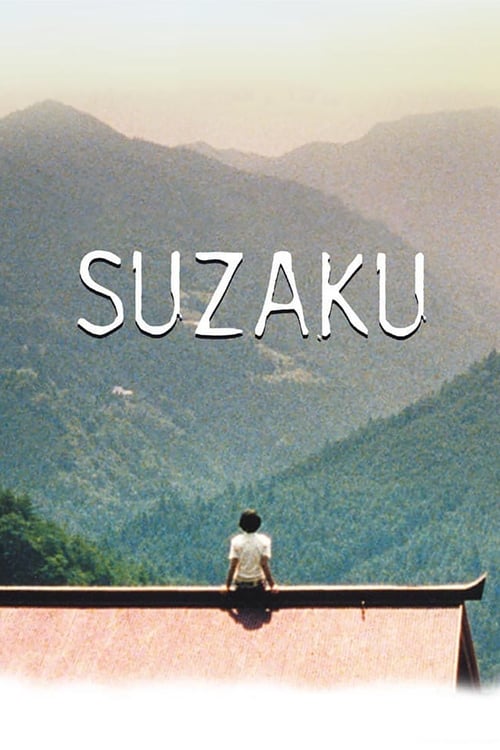
Depicts the life of a family in a remote Japanese timber village. Family head Tahara Kozo lives with his mother Sachiko, wife Yasuyo, nephew Eisuke and young daughter Michiru. Economic recession and failed development plans cause tragedy in the family.
Suzaku
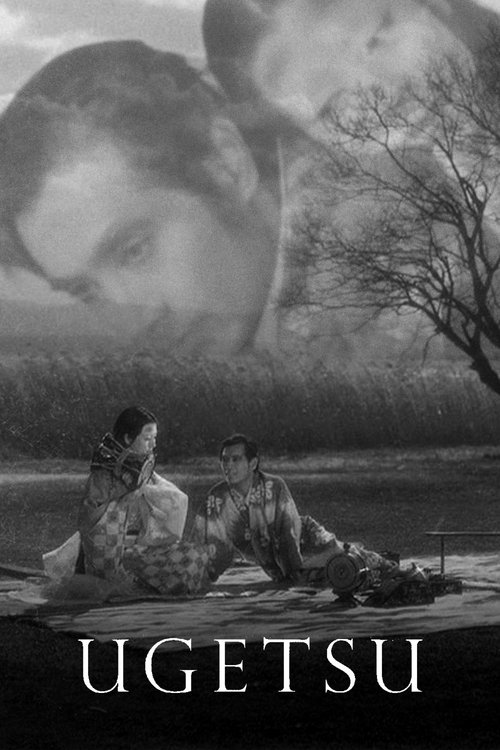
In 16th century Japan, peasants Genjuro and Tobei sell their earthenware pots to a group of soldiers in a nearby village, in defiance of a local sage's warning against seeking to profit from warfare. Genjuro's pursuit of both riches and the mysterious Lady Wakasa, as well as Tobei's desire to become a samurai, run the risk of destroying both themselves and their wives, Miyagi and Ohama.
Ugetsu
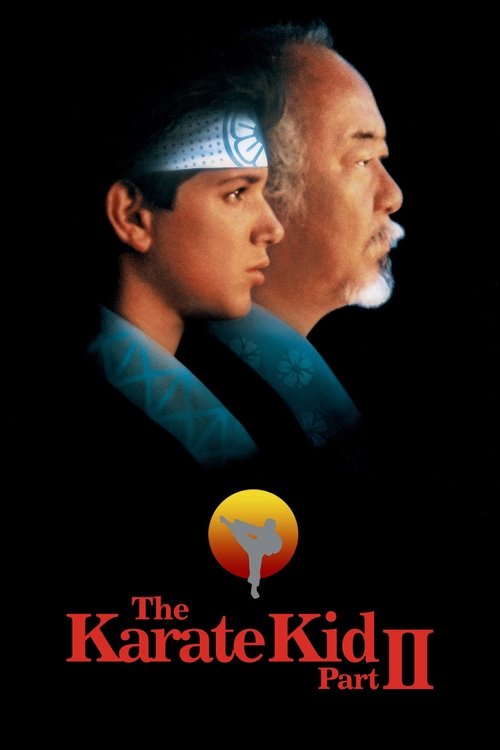
Summoned by his dying father, Miyagi returns to his homeland of Okinawa, with Daniel, after a 40-year exile. There he must confront Yukie, the love of his youth, and Sato, his former best friend turned vengeful rival. Sato is bent on a fight to the death, even if it means the destruction of their village. Daniel finds his own love in Yukia's niece, Kumiko, and his own enemy in Sato's nephew, the vicious Chozen. Now, far away from the tournaments, cheering crowds and safety of home, Daniel will face his greatest challenge ever when the cost of honor is life itself.
The Karate Kid Part II
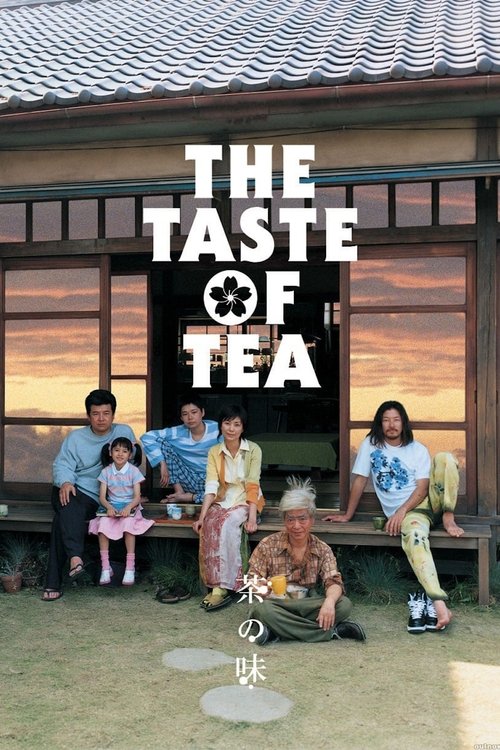
A spell of time in the life of the five-piece Haruno family in rural Tochigi Prefecture. Yoshiko is not an ordinary housewife, instead working on an animated film project. Uncle Ayano, a successful music producer, is looking to get his head together after living in Tokyo. Meanwhile, Sachiko is concerned with why she seems to be followed by a giant version of herself. As the lazy days pass by, each member of the family is followed in a series of episodic vignettes.
The Taste of Tea

Down-on-his-luck veteran Tsugumo Hanshirō enters the courtyard of the prosperous House of Iyi. Unemployed, and with no family, he hopes to find a place to commit seppuku—and a worthy second to deliver the coup de grâce in his suicide ritual. The senior counselor for the Iyi clan questions the ronin’s resolve and integrity, suspecting Hanshirō of seeking charity rather than an honorable end. What follows is a pair of interlocking stories which lay bare the difference between honor and respect, and promises to examine the legendary foundations of the Samurai code.
Harakiri
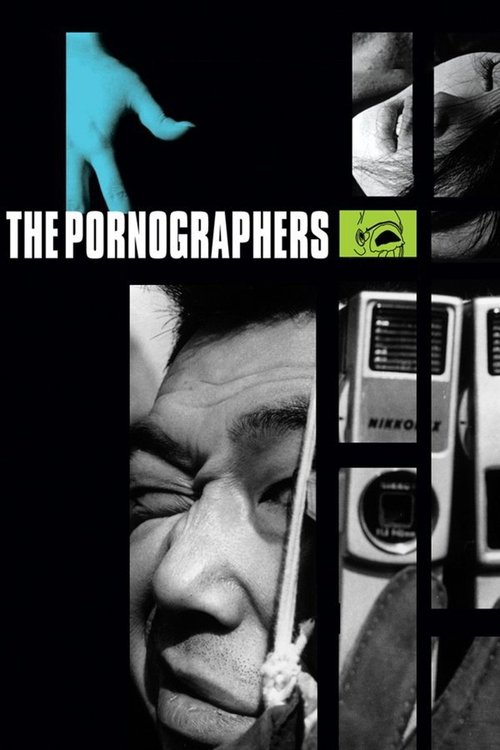
Subu makes pornographic films. He sees nothing wrong with it. They are an aid to a repressed society, and he uses the money to support his landlady, Haru, and her family. From time to time, Haru shares her bed with Subu, though she believes her dead husband, reincarnated as a carp, disapproves. Director Shohei Imamura has always delighted in the kinky exploits of lowlifes, and in this 1966 classic, he finds subversive humor in the bizarre dynamics of Haru, her Oedipal son, and her daughter, the true object of her pornographer-boyfriend’s obsession. Imamura’s comic treatment of such taboos as voyeurism and incest sparked controversy when the film was released, but The Pornographers has outlasted its critics, and now seems frankly ahead of its time.
The Pornographers
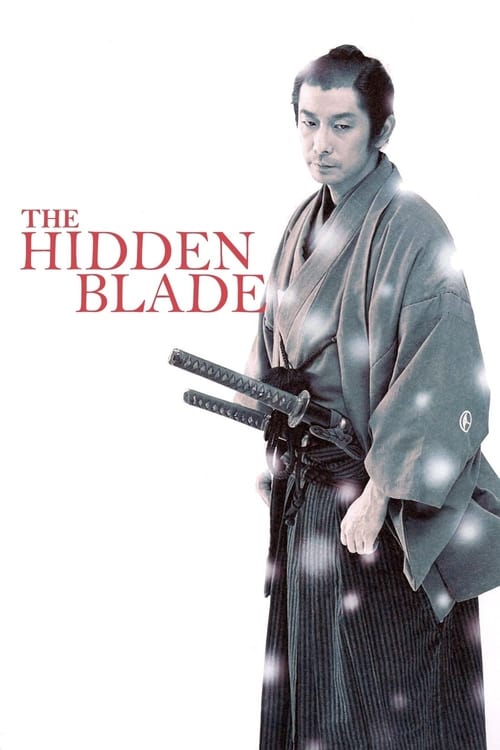
Set in 19th Century Japan a young samurai who finds himself in love with a farm girl leaves his home to begin a new life. He has to take stock of his new life when he is put to the test and ordered to kill a traitor who just happens to be his dearest friend.
The Hidden Blade
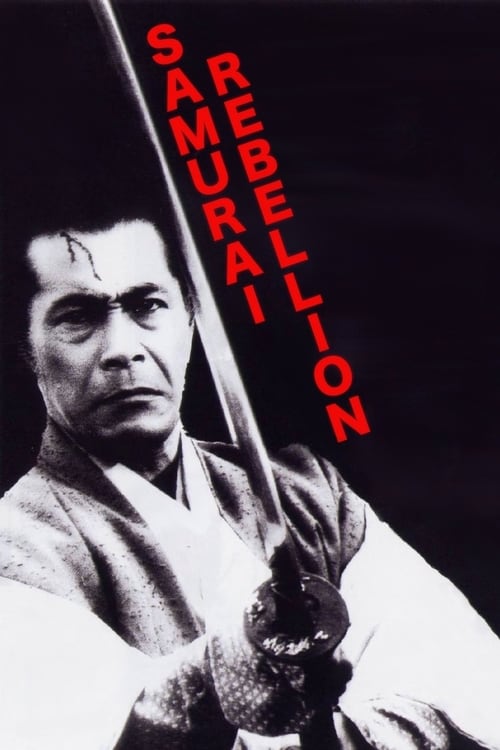
The mother of a feudal lord's only heir is kidnapped by the lord. Her husband and his samurai father must decide whether to accept the unjust decision, or risk death to rescue her.
Samurai Rebellion

Because of her past, 17-year-old Rio lives her days filling the emptiness in her heart with money—until one day, she meets a university professor named Kouki and falls in love.
My Rainy Days
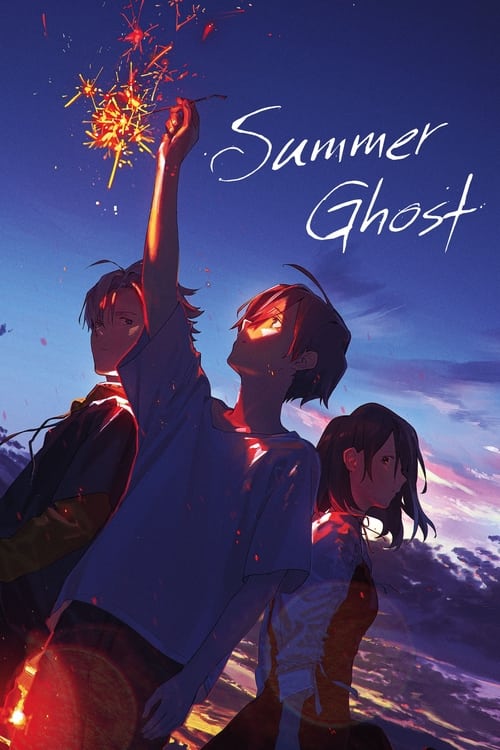
An urban legend says that lighting fireworks at an abandoned airfield will beckon the "summer ghost," a spirit that can answer any question. Three teenagers, Tomoya, Aoi, and Ryo, each have their own reason to show up one day. When a ghost named Ayane appears, she reveals she is only visible to those "who are about to touch their death." Compelled by the ghost and her message, Tomoya begins regularly visiting the airfield to uncover the true purpose of her visits.
Summer Ghost
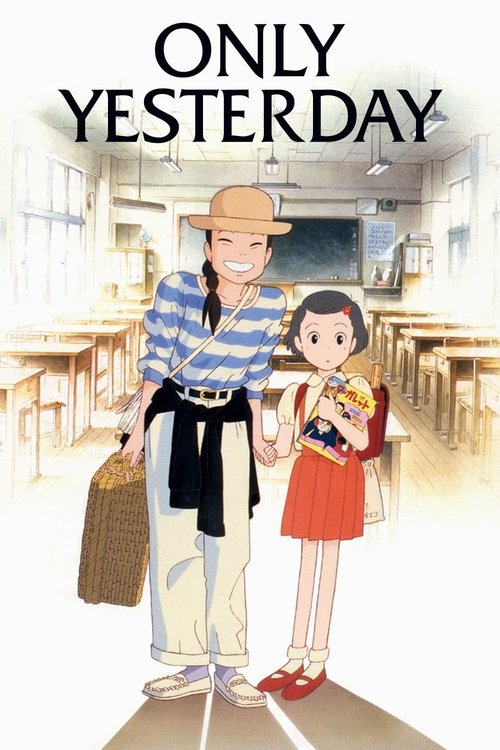
In lyrical switches between the present and the past, Taeko contemplates the arc of her life, and wonders if she has been true to the dreams of her childhood self.
Only Yesterday
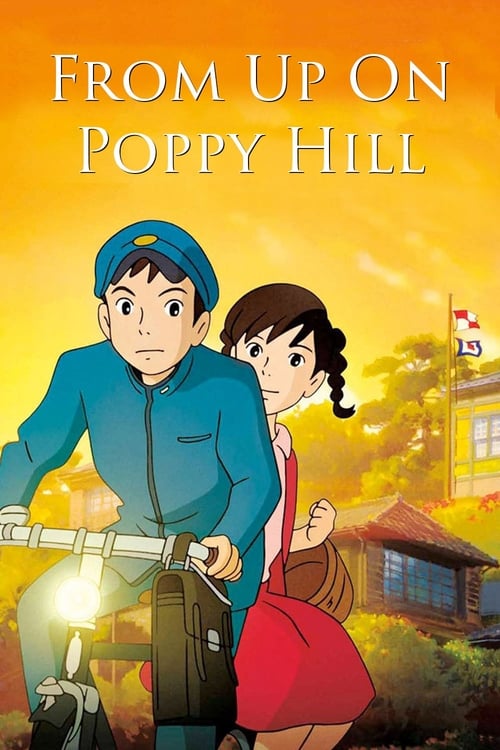
Yokohama, 1963. Japan is picking itself up from the devastation of World War II and preparing to host the 1964 Olympics—and the mood is one of both optimism and conflict as the young generation struggles to throw off the shackles of a troubled past. Against this backdrop of hope and change, a friendship begins to blossom between high school students Umi and Shun—but a buried secret from their past emerges to cast a shadow on the future and pull them apart.
From Up on Poppy Hill

Takatoshi Minamiyama majors in art at an university in Kyoto. On the train to the school, he sees Emi Fukuju and falls in love with her at first sight. Gathering up all his courage, he speaks to her. They begin to date and enjoy happy days together, but Emi reveals her secret to him.
My Tomorrow, Your Yesterday
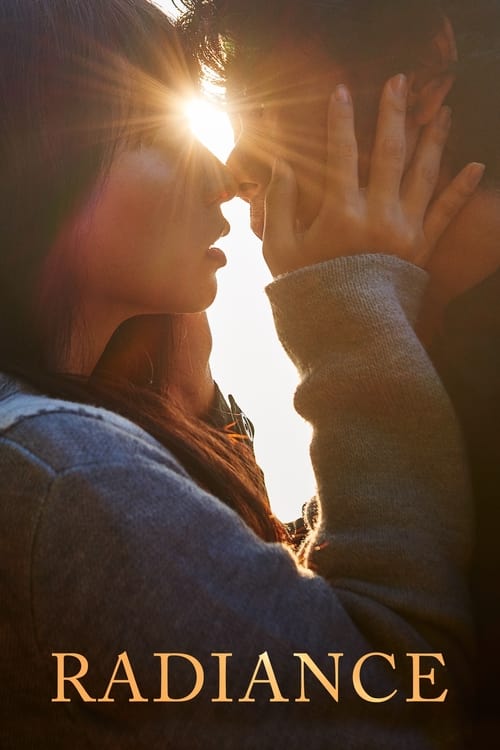
The story follows the social intercourse between a cameraman, Masaya, with a visual impairment, and Misako who disconnects from the world.
Radiance

A director faces creative block while working on his latest film – a reimagination of his adolescence growing up in a mountain village in rural Japan.
Pastoral: To Die in the Country
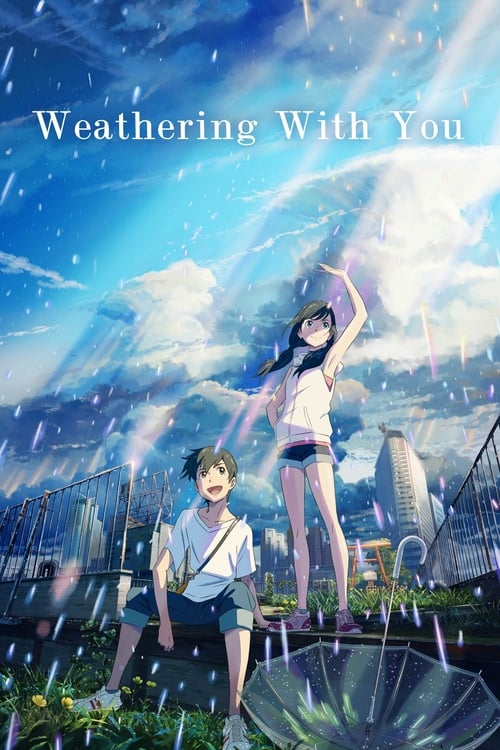
The summer of his high school freshman year, Hodaka runs away from his remote island home to Tokyo, and quickly finds himself pushed to his financial and personal limits. The weather is unusually gloomy and rainy every day, as if taking its cue from his life. After many days of solitude, he finally finds work as a freelance writer for a mysterious occult magazine. Then, one day, Hodaka meets Hina on a busy street corner. This bright and strong-willed girl possesses a strange and wonderful ability: the power to stop the rain and clear the sky.