Dialogue: A Portrait of Slavoj Zizek
Synopsis
You might also like

A man, accompanied by a dog, struggles through snow on a mountain side. We see film stock blister; drawn square shapes appear. Then, we see an infant's face. The images of struggling climber, baby, blurred film stock, large snow flakes, and what may be microscopic details of matter are superimposed on each other, one dominating the frame briefly to be replaced by another. As the man falls in the snow and tries to regain his feet, the baby continues to appear, first with eyes closed. Alternately, images rush by - montages of paper cutouts and life under a microscope.
Dog Star Man: Part II
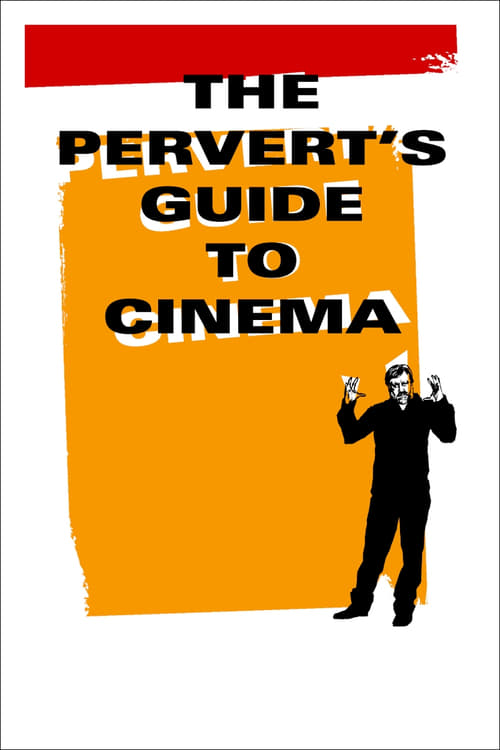
A hilarious introduction, using as examples some of the best films ever made, to some of Slovenian philosopher and psychoanalyst Slavoj Žižek's most exciting ideas on personal subjectivity, fantasy and reality, desire and sexuality.
The Pervert's Guide to Cinema
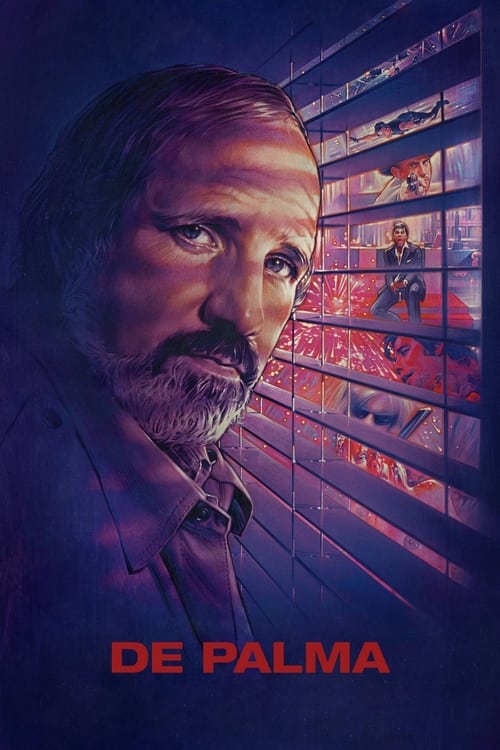
An intimate conversation between filmmakers, chronicling De Palma’s 55-year career, his life, and his filmmaking process, with revealing anecdotes and, of course, a wealth of film clips.
De Palma
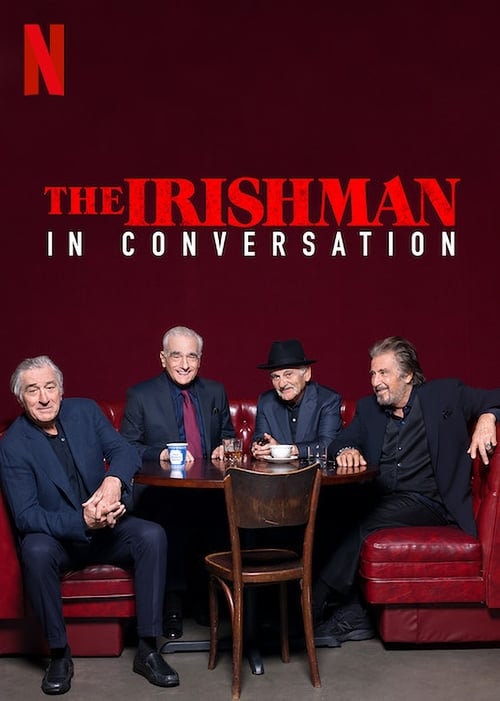
Martin Scorsese, Robert De Niro, Joe Pesci, and Al Pacino in conversation about The Irishman.
The Irishman: In Conversation
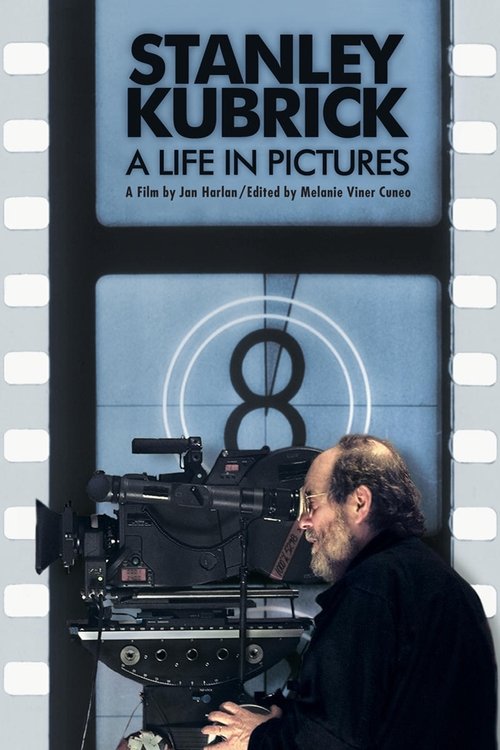
With commentary from Hollywood stars, outtakes from his movies and footage from his youth, this documentary looks at Stanley Kubrick's life and films. Director Jan Harlan, Kubrick's brother-in-law and sometime collaborator, interviews heavyweights like Jack Nicholson, Woody Allen and Sydney Pollack, who explain the influence of Kubrick classics like "Dr. Strangelove" and "2001: A Space Odyssey," and how he absorbed visual clues from disposable culture such as television commercials.
Stanley Kubrick: A Life in Pictures
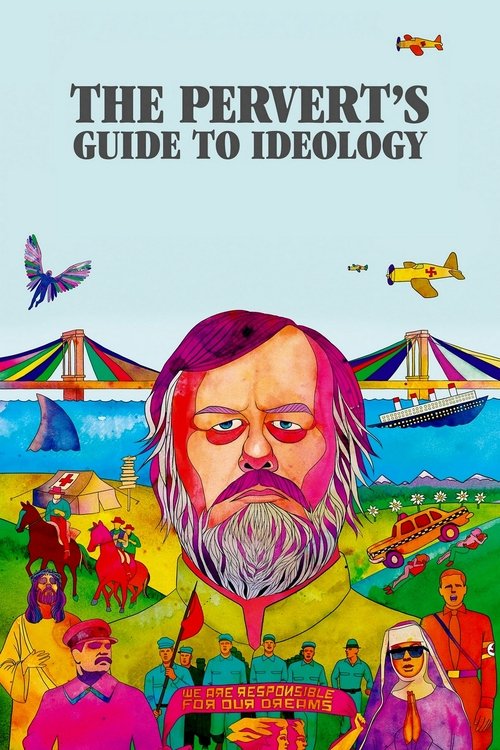
A journey into the labyrinthine heart of ideology, which shapes and justifies both collective and personal beliefs and practices: with an infectious zeal and voracious appetite for popular culture, Slovenian philosopher and psychoanalyst Slavoj Žižek analyzes several of the most important films in the history of cinema to explain how cinematic narrative helps to reinforce prevailing ethics and political ideas.
The Pervert's Guide to Ideology
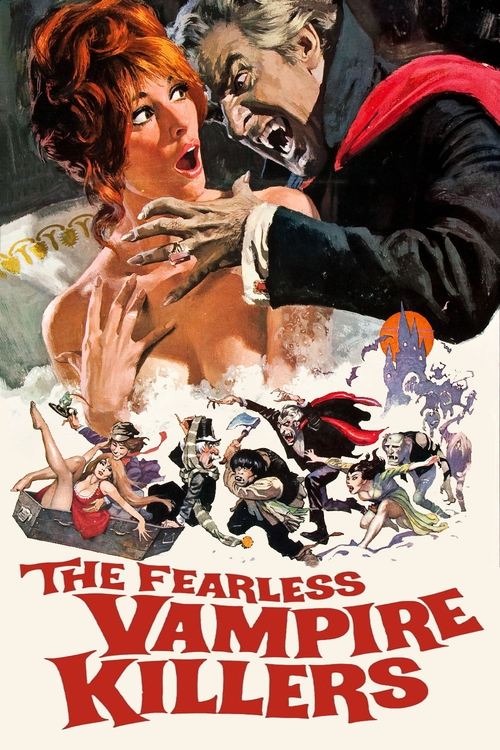
A noted professor and his dim-witted apprentice fall prey to their inquiring vampires, while on the trail of the ominous damsel in distress.
The Fearless Vampire Killers
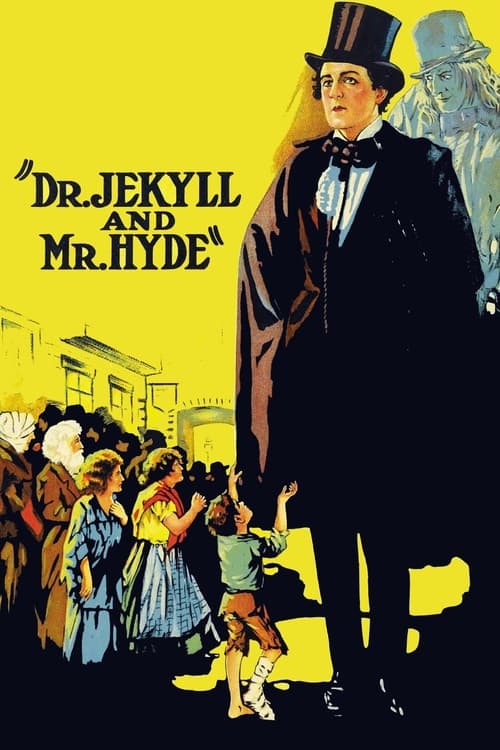
A doctor's research into the roots of evil turns him into a hideous depraved fiend.
Dr. Jekyll and Mr. Hyde
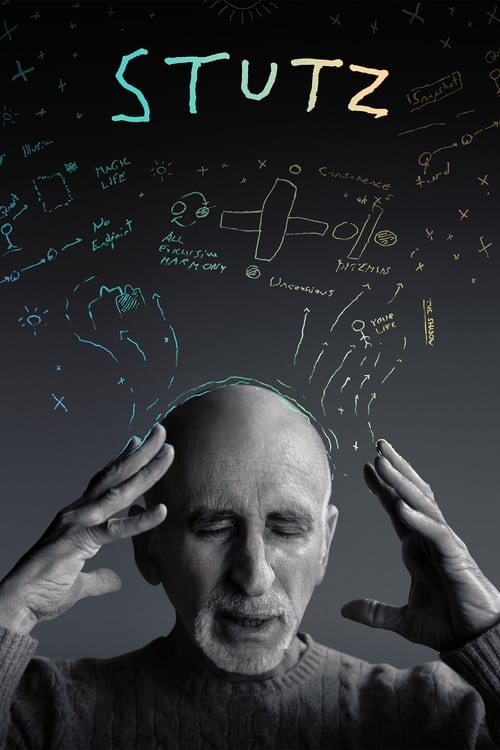
In candid conversations with actor Jonah Hill, leading psychiatrist Phil Stutz explores his early life experiences and unique, visual model of therapy.
Stutz

A man lurks the night alleys, killing people at random, he feels nothing, no emotion, and no pain; when he meets a graceful widow he must confront what it means to be human.
Killer of Men
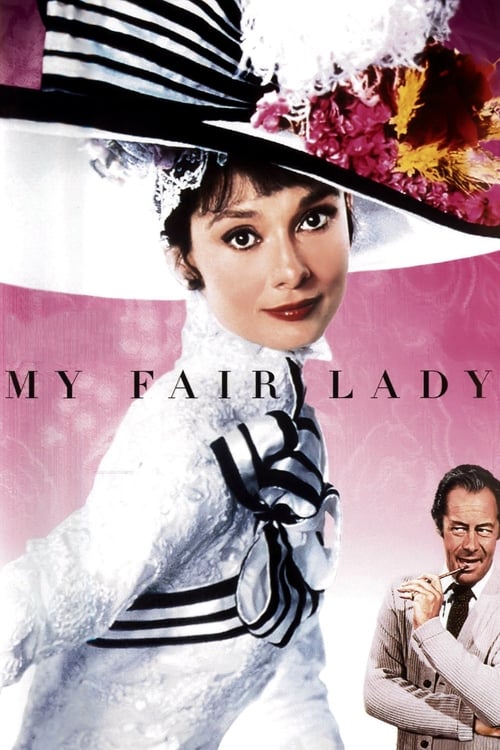
A snobbish phonetics professor agrees to a wager that he can take a flower girl and make her presentable in high society.
My Fair Lady
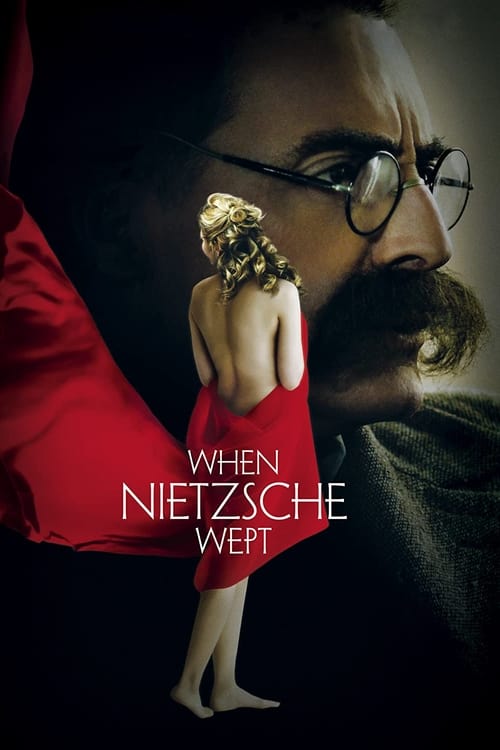
Viennese doctor Josef Bruer meets with philosopher Friedrich Nietzsche to help him deal with his despair.
When Nietzsche Wept
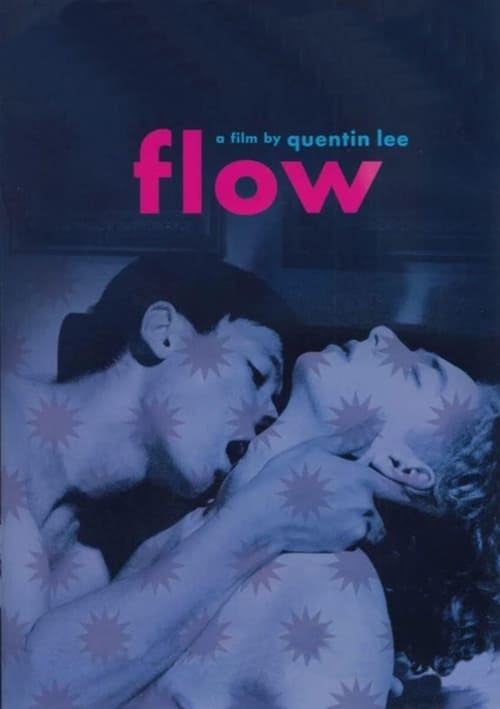
A filmmaker talks about his work and love life with an unseen friend behind the camera. We also watch four of his short films.
Flow

A vampiric doctoral student tries to follow the philosophy of a nocturnal comrade and control her thirst for blood.
The Addiction

While investigating the disappearance of several high school girls, an undercover cop posing as a student finds herself fighting for her life.
Drawn Into the Night
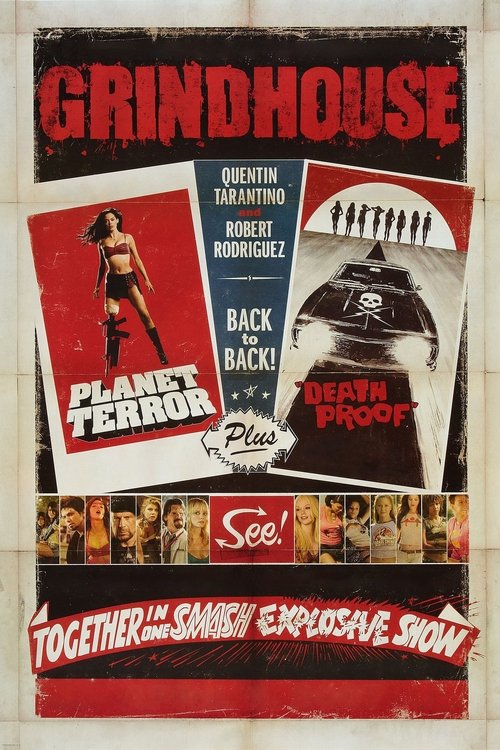
Grindhouse combines Robert Rodriguez's Planet Terror, a horror comedy about a group of survivors who battle zombie-like creatures, and Quentin Tarantino's Death Proof, an action thriller about a murderous stuntman who kills young women with modified vehicles. It is presented as a double feature with fictitious exploitation trailers preceding each segment.
Grindhouse
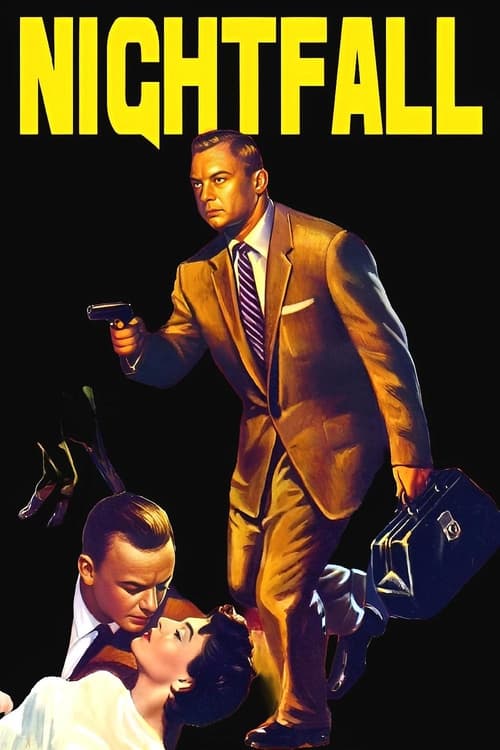
An innocent man turns fugitive as he reconstructs events that implicate him for a murder and robbery he did not commit.
Nightfall

A dreamlike conversation with the past and the present, reimagining Latasha Harlins' story by excavating intimate memories shared by those who loved her.
A Love Song for Latasha
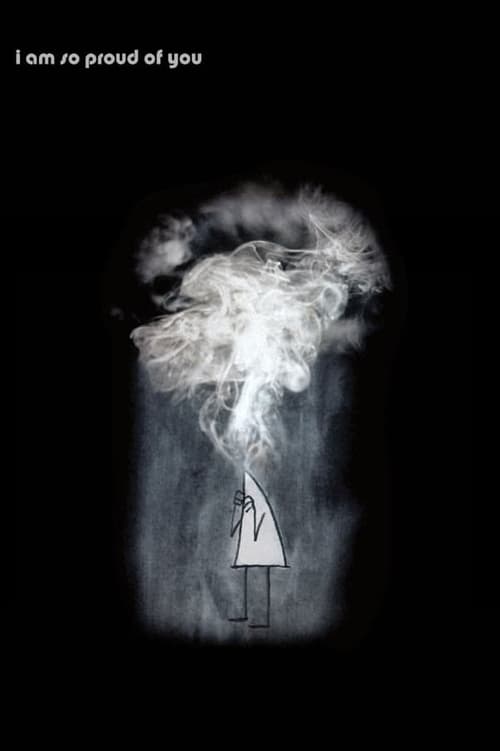
Dark shadows are cast over Bill's recovery.
I Am So Proud of You

A depiction of life in wartime Britain during the Second World War. Director Humphrey Jennings visits many aspects of civilian life and of the turmoil and privation caused by the war, all without narration.