Synopsis
You might also like

A Yokohama shoe executive faces a wrenching choice when kidnappers mistakenly seize his chauffeur’s son but demand the ransom anyway.
High and Low

Repeatedly beat to a pulp by gamblers, cops, and gangsters, lone wolf Shoji Yamanaka finally finds a home as a Muraoka family hitman and falls in love with boss Muraoka's niece. Meanwhile, the ambitions of mad dog Katsutoshi Otomo draws our series' hero, Shozo Hirono, and the other yakuza into a new round of bloodshed.
Battles Without Honor and Humanity: Deadly Fight in Hiroshima
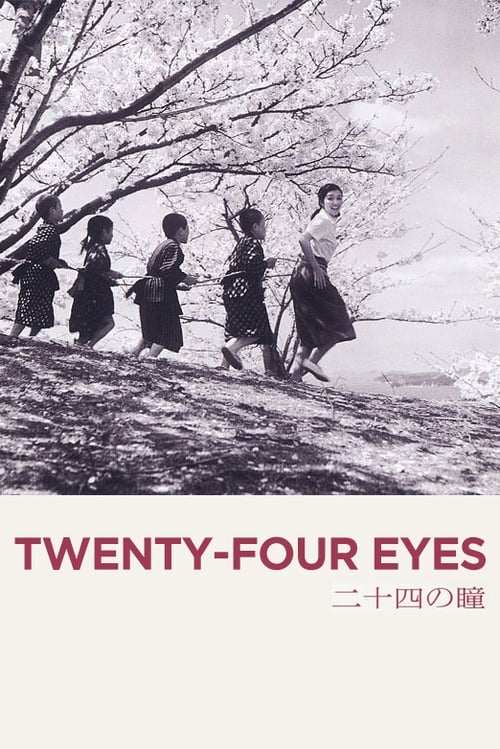
From 1928 to 1946, the lives of 12 young people and their school teacher in a poor Japanese village are profoundly affected by historical events and personal circumstances.
Twenty-Four Eyes
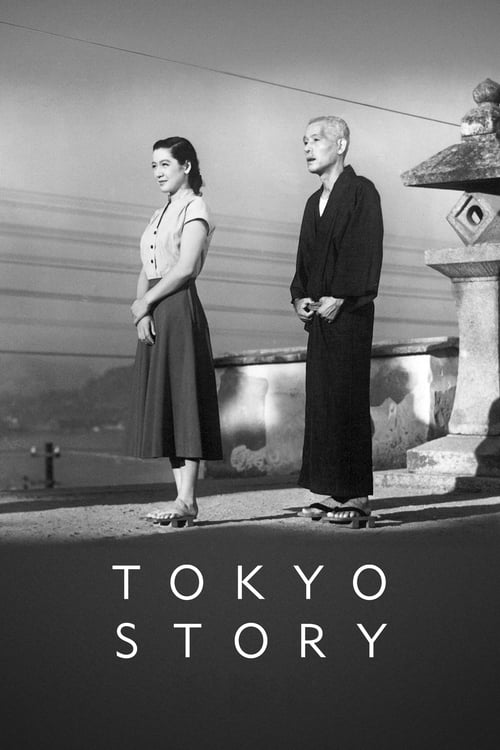
The elderly Shukishi and his wife, Tomi, take the long journey from their small seaside village to visit their adult children in Tokyo. Their elder son, Koichi, a doctor, and their daughter, Shige, a hairdresser, don't have much time to spend with their aged parents, and so it falls to Noriko, the widow of their younger son who was killed in the war, to keep her in-laws company.
Tokyo Story
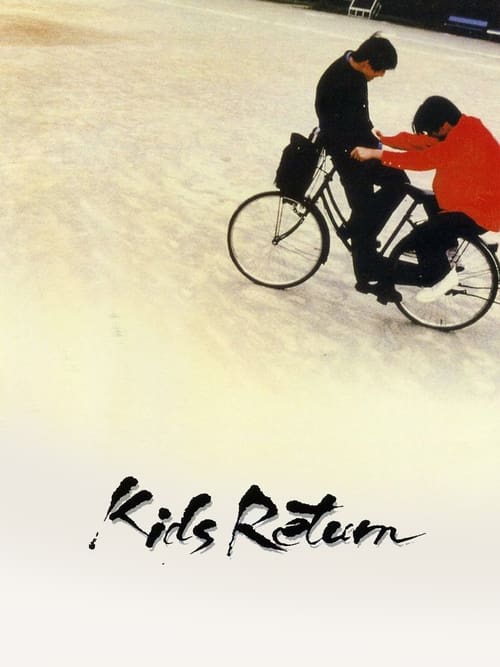
Shinji and Masaru spend most of their school days harassing fellow classmates and playing pranks. They drop out and Shinji becomes a small-time boxer, while Masaru joins up with a local yakuza gang. However, the world is a tough place.
Kids Return

As Islamic morality squads stage arbitrary raids in Tehran and as fundamentalists seize hold of the universities, Azar Nafisi, an inspired teacher, secretly gathers six of her most committed female students to read forbidden western classics. Unaccustomed to being asked to speak their minds, they soon removed their veils, their stories intertwining with the novels they read: just like the heroines of Nabokov, F. Scott Fitzgerald, Henry James or Jane Austen, the women in Nafisi’s living room dare to dream, hope and love as we experience the complexity of the lives of individuals facing political, moral and personal siege.
Reading Lolita in Tehran
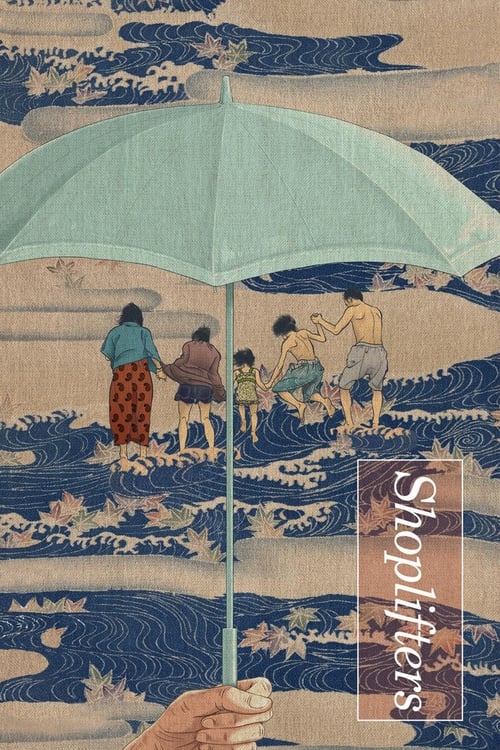
In the outskirts of Tokyo, a poor but close-knit group living on the fringes of society survives through shoplifting and odd jobs. When Osamu and his son take in a neglected young girl, their already fragile existence begins to unravel. As the family grows attached to her, buried secrets surface, forcing them to confront the true meaning of love, belonging, and what makes a family.
Shoplifters
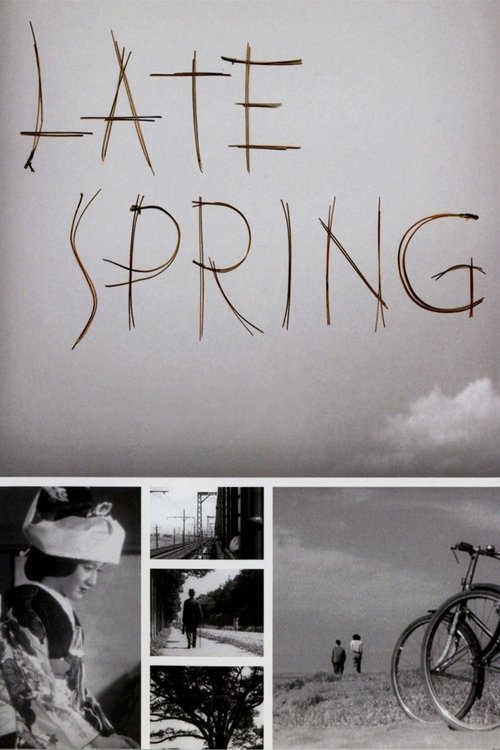
Noriko is perfectly happy living at home with her widowed father, Shukichi, and has no plans to marry -- that is, until her aunt Masa convinces Shukichi that unless he marries off his 27-year-old daughter soon, she will likely remain alone for the rest of her life. When Noriko resists Masa's matchmaking, Shukichi is forced to deceive his daughter and sacrifice his own happiness to do what he believes is right.
Late Spring

In 1923, teenager Kim Shun-Pei moves from Cheju Island, in South Korea, to Osaka, in Japan. Along the years, he becomes a cruel, greedy and violent man and builds a factory of kamaboko, processed seafood products, in his poor Korean-Japanese community exploiting his employees.
Blood and Bones

During the 1976 Soweto uprising, a white school teacher's life and values are threatened when he asks questions about the death of a young black boy who died in police custody.
A Dry White Season
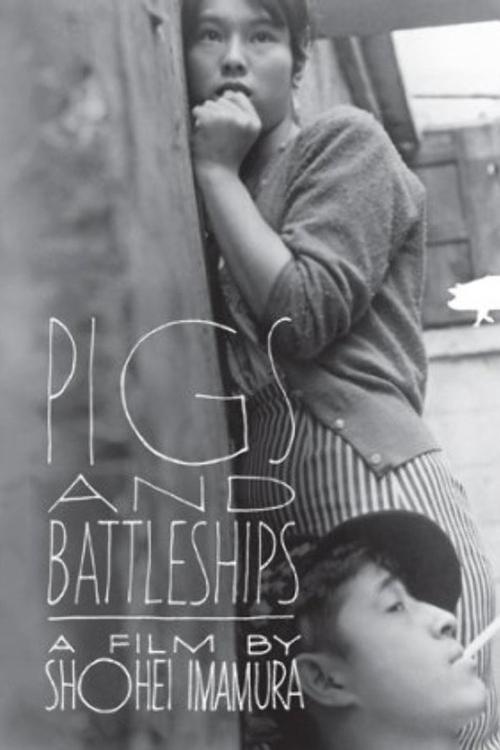
In the city of Yokosuka, Kinta and his lover Haruko, both involved with yakuza, brave the post-occupation period with a goal to be together.
Pigs and Battleships
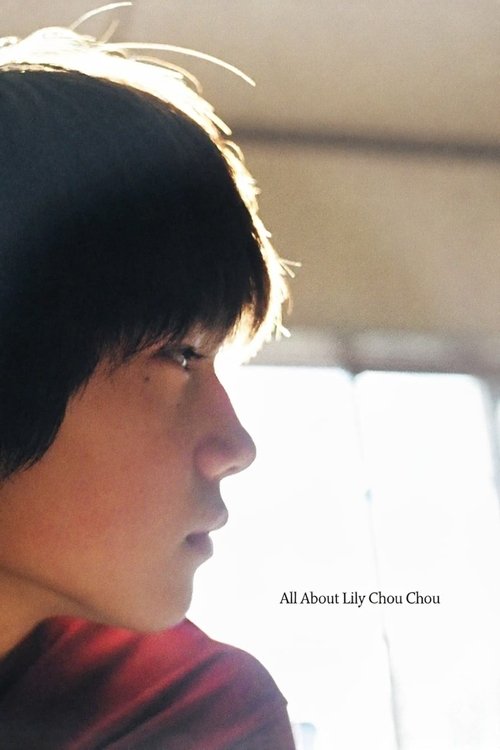
Charts the troubled teenage years of students Yūichi Hasumi and Shūsuke Hoshino, exploring the shifting and complex power dynamics of their relationship against the backdrop of Yūichi's love for the dreamy and abstract music of pop star Lily Chou-Chou.
All About Lily Chou-Chou
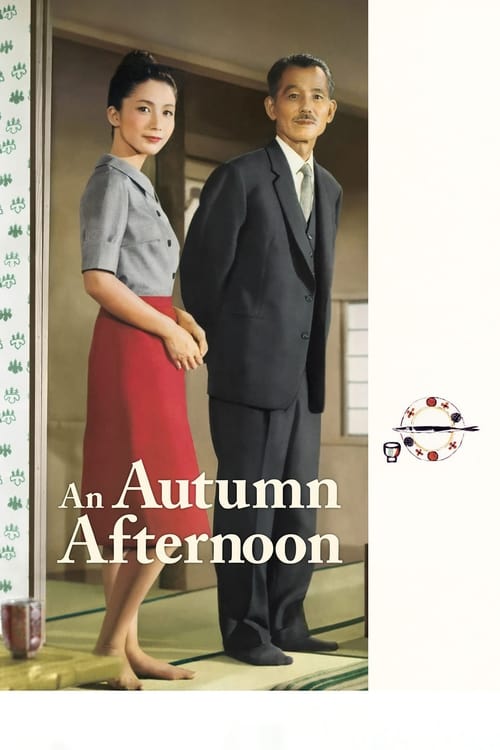
Widower Shuhei Hirayama's caretaker is his 24-year-old daughter, Michiko. Gradually, he comes to realize that Michiko should not be obliged to look after him for the rest of his life, so he arranges a marriage for her.
An Autumn Afternoon

Over one intense day, the devoted head teacher of a last-chance reform school strives to keep his students in line while facing pressures of his own.
Steve
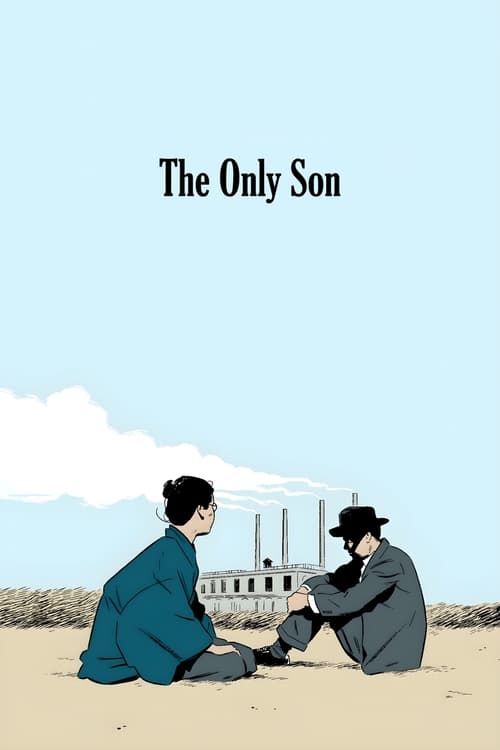
A rural widow sends her only son to Tokyo to receive a better education. Years later, she visits him and finds he has become a night school teacher struggling to support his wife and son.
The Only Son
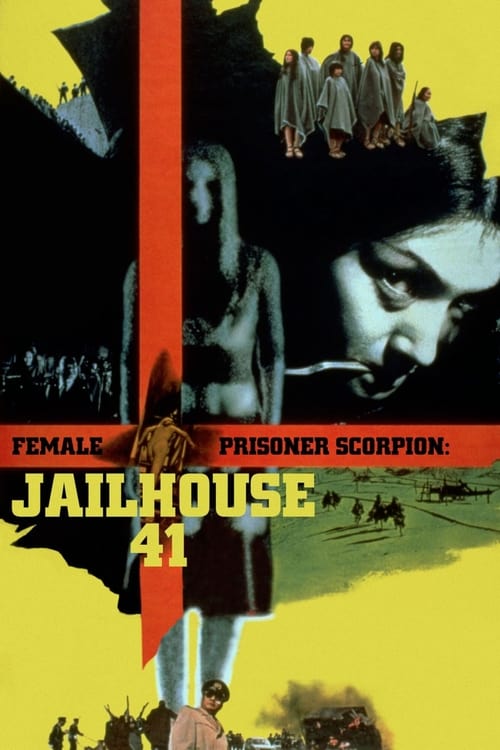
After being used and betrayed by the detective she had fallen in love with, young Matsu is sent to a female prison full of sadistic guards and disobedient prisoners.
Female Prisoner Scorpion: Jailhouse 41
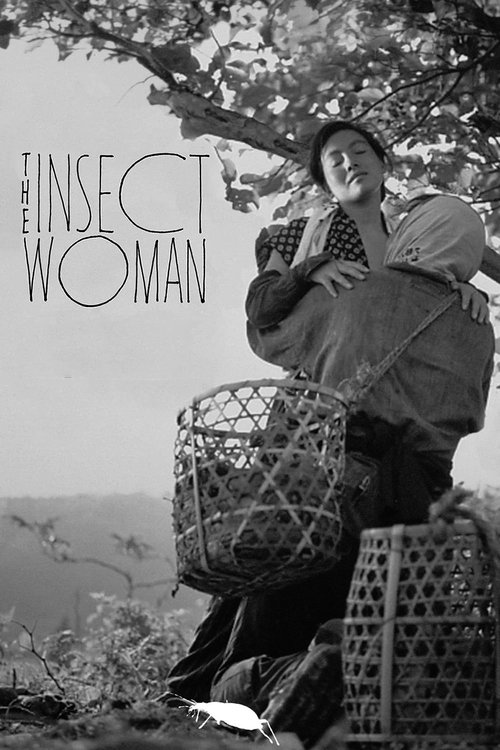
A woman, Tome, is born to a lower class family in Japan in 1918. The title refers to an insect, repeating its mistakes, as in an infinite circle. Imamura, with this metaphor, introduces the life of Tome, who keeps trying to change her poor life.
The Insect Woman
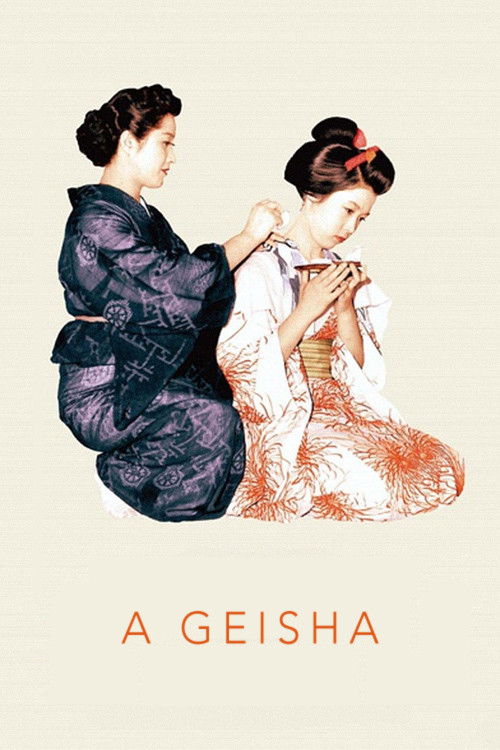
Fleeing a distressing family situation, Eiko, a very young girl, becomes an apprentice to Miyoharu, a veteran geisha. Both, determined to preserve their professional integrity, must face the selfishness and ambition of several petty people.
A Geisha

Before he hit it big, Takeshi Kitano got his start apprenticing with comedy legend Fukami of Asakusa. But as his star rises, his mentor's declines.
Asakusa Kid
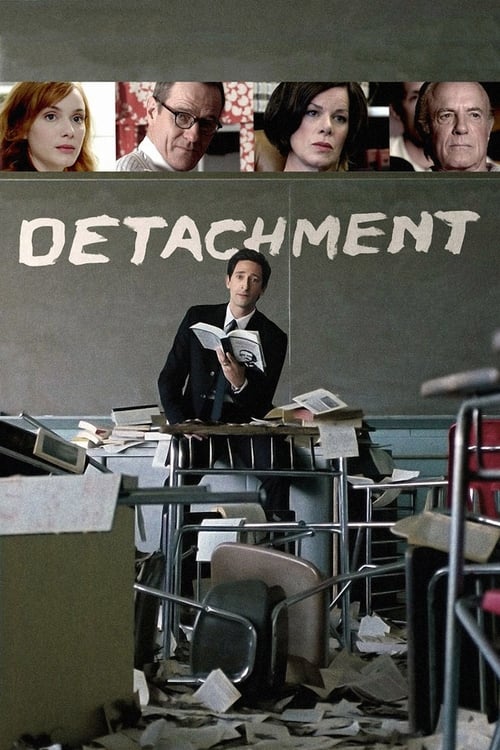
A chronicle of three weeks in the lives of several high school teachers, administrators and students through the eyes of substitute teacher, Henry Barthes. Henry roams from school to school, imparting modes of knowledge, but never staying long enough to form any semblance of sentient attachment.
