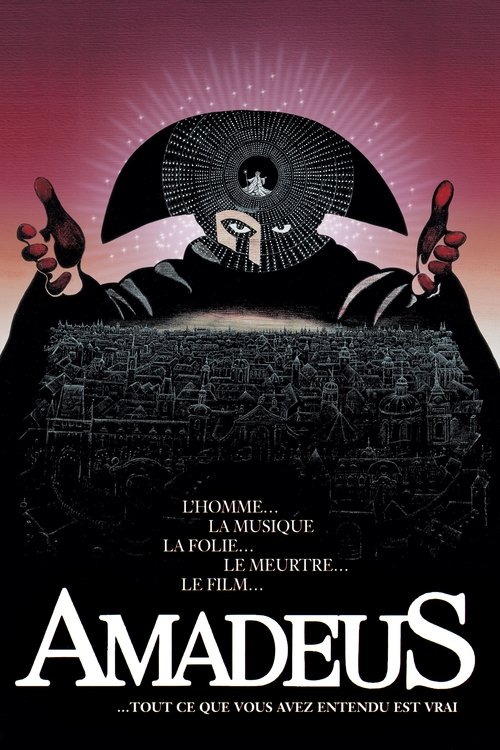
En 1781, un jeune artiste arrive à Vienne précédé d’une enviable réputation ; il s’appelle Wolfgang Amadeus Mozart. Accueilli de façons diverses au palais de l’Empereur Joseph, il se fait un ennemi acharné d’Antonio Salieri, musicien réputé et compositeur officiel de la Cour. Ce dernier ne comprend pas pourquoi ce jeune homme arrogant, paillard, a un tel génie, une telle puissance créatrice. Se sentant trahi par Dieu, Salieri décide de faire obstacle à Mozart par tous les moyens…

Fils de cheminot admis à l’Académie Militaire de l’Empire austro-hongrois. Alfred Redl se lie d’amitié avec un jeune aristocrate. Dissimulant ses origines comme son homosexualité, il gravit rapidement la hiérarchie. À la veille de la Première Guerre mondiale, l’archiduc François-Ferdinand lui confie la responsabilité des services secrets…

Noël 1877, Élisabeth d’Autriche (Sissi), fête son 40e anniversaire. Première dame d’Autriche, femme de l’Empereur François-Joseph Ier, elle n’a pas le droit de s’exprimer et doit rester à jamais la belle et jeune impératrice. Pour satisfaire ces attentes, elle se plie à un régime rigoureux de jeûne, d’exercices, de coiffure et de mesure quotidienne de sa taille. Etouffée par ces conventions, avide de savoir et de vie, Élisabeth se rebelle de plus en plus contre cette image.

Évocation de la vie de la reine d'origine autrichienne, épouse mal-aimée de Louis XVI, guillotinée en 1793. Au sortir de l'adolescence, une jeune fille découvre un monde hostile et codifié, un univers frivole où chacun observe et juge l'autre sans aménité. Mariée à un homme maladroit qui la délaisse, elle est rapidement lassée par les devoirs de représentation qu'on lui impose. Elle s'évade dans l'ivresse de la fête et les plaisirs des sens pour réinventer un monde à elle. Y a-t-il un prix à payer à chercher le bonheur que certains vous refusent ?

1938. La tension est palpable à la conférence de Munich. Deux anciens amis travaillant pour des gouvernements adverses agissent en coulisses pour révéler un secret nazi.

1900, Nord de l’Allemagne. Paula Becker a 24 ans et veut la liberté, la gloire, le droit de jouir de son corps, et peindre avant tout. Malgré l’amour et l’admiration de son mari, le peintre Otto Modersohn, le manque de reconnaissance la pousse à tout quitter pour Paris, la ville des artistes. Elle entreprend dès lors une aventure qui va bouleverser son destin. Paula Modersohn-Becker devient la première femme peintre à imposer son propre langage pictural.
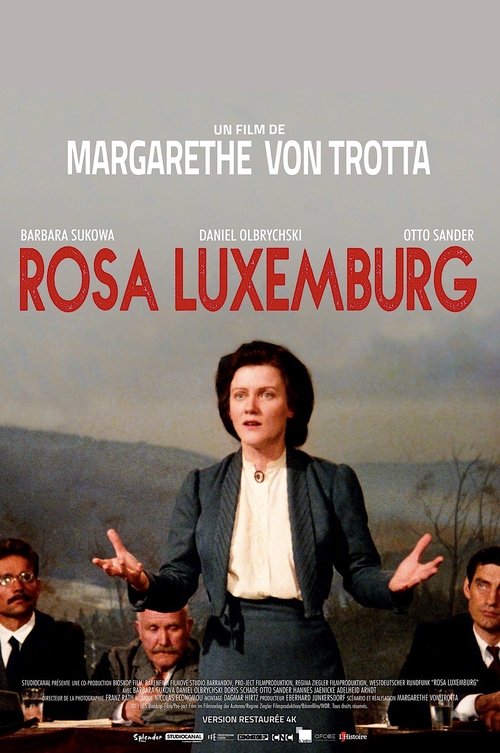
En décembre 1917, à la prison de Wronke, Rosa Luxembourg se souvient : 1906, déjà en prison, à Varsovie, l'exécution d'hommes dans la cour, son propre interrogatoire. 1899, Berlin : ses retrouvailles avec Léo Jogiches, son camarade de combat, son compagnon dans la vie. Lors de la soirée du jour de l'an, elle le présente aux dirigeants de la social-démocratie August Bebel, Karl Kautsky, mais évite le révisionniste Bernstein. 1910, Berlin : après une longue période d'activité révolutionnaire coupée d'emprisonnements en Pologne et en Allemagne, elle retrouve son amie Luise Kautsky. Puis, Léo arrive de Varsovie. Meetings et discussions théoriques de plus en plus vives s'enchaînent. L'amour et la politique s'emmêlent...

Louis II de Bavière monte sur le trône à l'âge de dix-neuf ans. Dédaignant la politique pour la musique, il rencontre Wagner à qui il voue une admiration sans limite. Conscient de son homosexualité refoulée, il rompt ses fiançailles avec Sophie de Bavière. Mais le peuple s'inquiète…

A la fin du XVIIIe siècle, alors que le royaume d'Espagne subit les derniers sursauts de l'Inquisition et que les guerres napoléoniennes bouleversent l'Europe, le frère Lorenzo, impitoyable inquisiteur, s'en prend à Inès, la muse du peintre Francisco Goya. Abusivement accusée d'hérésie, Inès se retrouve emprisonnée. Pour Goya, c'est le début d'une période qui changera sa vie et son oeuvre à jamais...

Franz Jägerstätter, paysan autrichien, refuse de se battre aux côtés des nazis. Reconnu coupable de trahison par le régime hitlérien, il est passible de la peine capitale. Mais, porté par sa foi inébranlable et son amour pour sa femme, Fani, et ses enfants, Franz reste un homme libre.
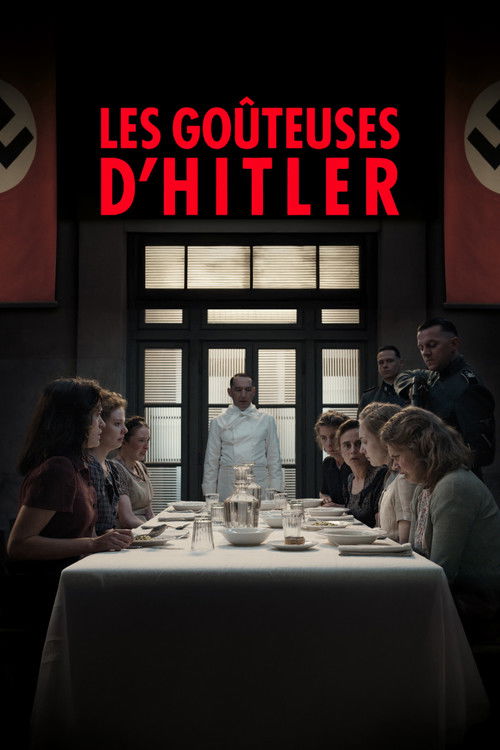
Durant la Seconde Guerre mondiale, Rosa est recrutée comme goûteuse pour le chef du parti nazi, Adolf Hitler. Trois fois par jour, la jeune femme et d'autres camarades doivent manger afin de s'assurer que la nourriture n'est pas empoisonnée. Chaque bouchée sera peut-être la dernière…

L’extraordinaire histoire vraie d’une amitié inattendue, à la fin du règne marquant de la Reine Victoria. Quand Abdul Karim, un jeune employé, voyage d’Inde pour participer au jubilé de la reine Victoria, il est surpris de se voir accorder les faveurs de la Reine en personne. Alors que la reine s’interroge sur les contraintes inhérentes à son long règne, les deux personnages vont former une improbable alliance, faisant preuve d’une grande loyauté mutuelle que la famille de la Reine ainsi que son entourage proche vont tout faire pour détruire. A mesure que l’amitié s’approfondit, la Reine retrouve sa joie et son humanité et réalise à travers un regard neuf que le monde est en profonde mutation.

De la magnifique campagne anglaise aux contrées d’une Europe plongée en pleine Première Guerre mondiale, «Cheval de guerre» raconte l’amitié exceptionnelle qui unit un jeune homme, Albert, et le cheval qu’il a dressé, Joey. Séparés aux premières heures du conflit, l’histoire suit l’extraordinaire périple du cheval alors que de son côté Albert va tout faire pour le retrouver. Joey, animal hors du commun, va changer la vie de tous ceux dont il croisera la route: soldats de la cavalerie britannique, combattants allemands, et même un fermier français et sa petite-fille…

Le commandant d'Auschwitz Rudolf Höss et son épouse Hedwig réalisent sur un terrain directement adjacent au mur du camp leur vision d'une vie de rêve avec une famille nombreuse, une maison et un grand jardin. Cependant, lorsque Rudolf doit être muté à Oranienburg, leur petite vie idéale menace de s'effondrer et il cache l'information à son épouse. Quand Hedwig l'apprend, elle refuse de quitter sa maison de rêve.

Dans l'Allemagne de la fin du XIXe siècle, deux soeurs tentent de reprendre, non sans mal, l’atelier de verrerie paternel... Une émouvante histoire d'émancipation, présentant deux figures féminines fortes s’élevant contre les règles de la société étriquée de leur temps.

Un professeur très autoritaire sombre dans la déchéance en succombant à la passion dévastatrice qu'il éprouve pour une chanteuse de cabaret…
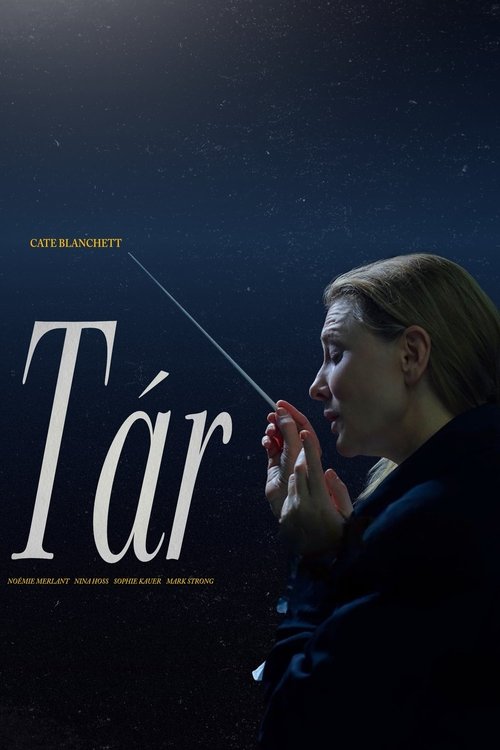
Lydia Tár, cheffe avant-gardiste d’un grand orchestre symphonique allemand, est au sommet de son art et de sa carrière. Le lancement de son livre approche et elle prépare un concerto très attendu de la célèbre Symphonie n° 5 de Gustav Mahler. Mais, en l’espace de quelques semaines, sa vie va se désagréger d’une façon singulièrement actuelle. En émerge un examen virulent des mécanismes du pouvoir, de leur impact et de leur persistance dans notre société.

Constance, 1414… À la veille de son mariage, rien ne prépare Marie au cataclysme qui va s’abattre sur son existence. Sa beauté, sa chasteté et sa dot la promettent au meilleur des partis. Amoureuse de Michel son ami d’enfance, elle souhaite s’établir à Cologne afin de vivre sa vie de manière indépendante. Mais son père, un riche marchand, en a décidé autrement. Selon sa volonté, elle épousera Maître Ruppertus Splendidus, jeune et brillant avocat, fils illégitime d’un noble local. Cette union lui permettra ainsi de devenir une noble et d’avoir accès à la cour. Mais lorsque Marie est calomniée, jetée en prison puis violée, le conte de fées tourne soudain au cauchemar… Jugée sommairement puis bannie, elle n’a d’autre solution pour survivre que de rejoindre un groupe de prostituées itinérantes. Rejetée avec ses compagnes d’infortune au ban de la société, Marie a cependant un atout qui l’aidera à surmonter toutes les épreuves : en elle, brûle le feu de la vengeance…

Alors qu'elle est aux prises avec une terrible tragédie personnelle, Isabel s'engage sur la voie de l'investigation et de la découverte à l'échelle mondiale. Malgré l'ampleur colossale de son projet, elle trouve la beauté et le courage de rédiger l'un des livres américains les plus marquants de notre époque.

Partout sur la Terre, Steve Jobs est célébré comme un créateur de génie dont les inventions ont révolutionné notre façon de vivre et de percevoir notre monde. Il est aussi connu comme l’un des chefs d’entreprise les plus charismatiques et les plus inspirants qui soient. Mais qui connaît l’homme derrière l’icône ? Qui sait quel parcours humain se cache derrière la destinée de ce visionnaire d’exception ? De l’abandon de ses études universitaires au formidable succès de sa société, voici l’incroyable ascension de Steve Jobs, co-créateur d’Apple Inc., l'un des entrepreneurs les plus créatifs et respectés du XXIe siècle.
Connectez-vous pour donner votre avis
Partagez votre opinion avec la communauté.

Susanne Wolff
Empress Elisabeth of Austria

Sandra Hüller
Irma Sztáray

Tom Rhys Harries
Smythe

Johanna Wokalek
Countess Marie Festetics

Angela Winkler
Princess Ludovika of Bavaria

Stefan Kurt
Count of Berzeviczy

Maresi Riegner
Marie
William Erazo Fernández
Porter

Georg Friedrich
Archduke Ludwig Viktor of Austria

Sophie Hutter
Fritzi

Sibylle Canonica
Maria Sztáray

Markus Schleinzer
Kaiser Franz Joseph