The Trial of Tilted Arc
Synopsis
You might also like
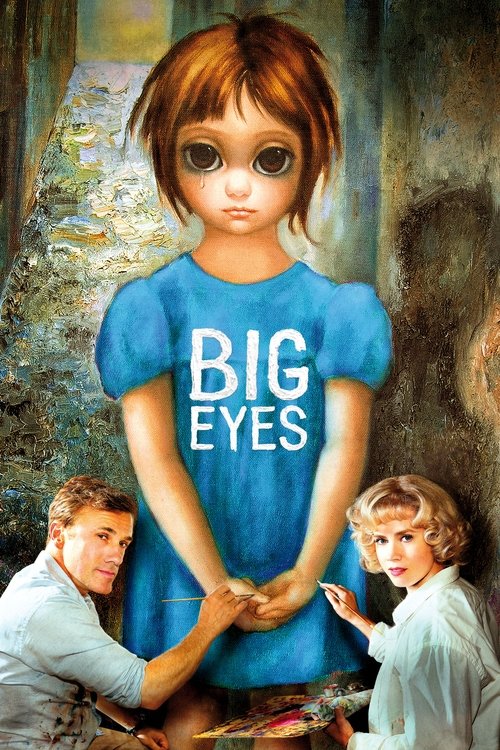
In the late 1950s and early '60s, artist Walter Keane achieves unbelievable fame and success with portraits of saucer-eyed waifs. However, no one realizes that his wife, Margaret, is the real painter behind the brush. Although Margaret is horrified to learn that Walter is passing off her work as his own, she is too meek to protest too loudly. It isn't until the Keanes' marriage comes to an end and a lawsuit follows that the truth finally comes to light.
Big Eyes
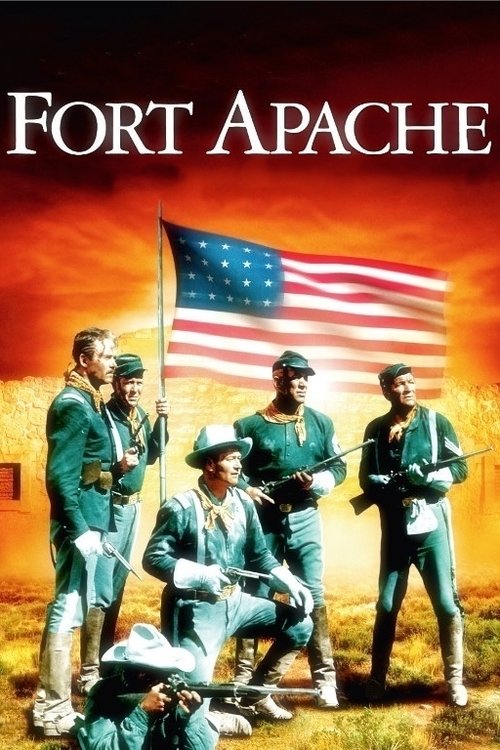
Owen Thursday sees his new posting to the desolate Fort Apache as a chance to claim the military honour which he believes is rightfully his. Arrogant, obsessed with military form and ultimately self-destructive, he attempts to destroy the Apache chief Cochise after luring him across the border from Mexico, against the advice of his subordinates.
Fort Apache
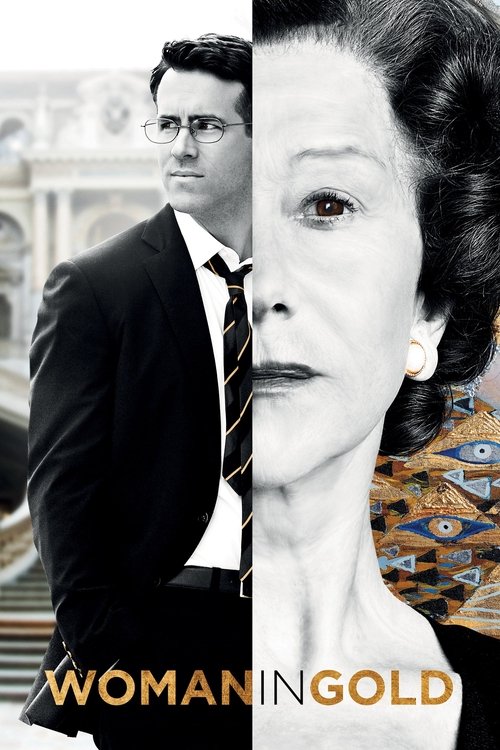
Maria Altmann, an octogenarian Jewish refugee, takes on the government to recover artwork she believes rightfully belongs to her family.
Woman in Gold
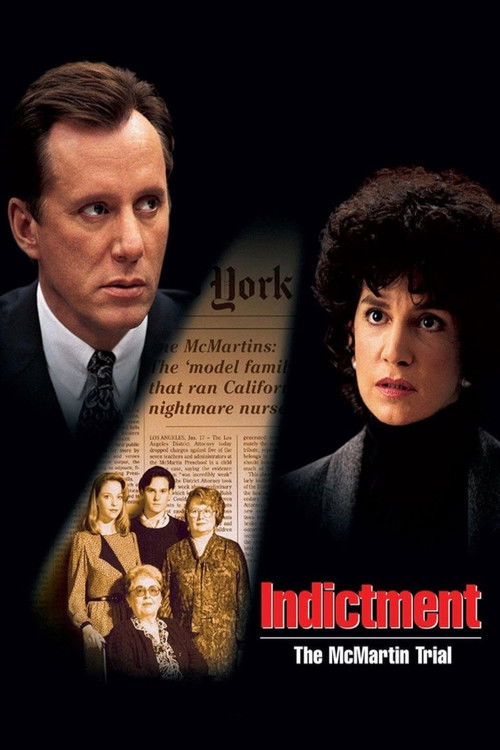
The McMartin family's lives are turned upside down when they are accused of serious child molestation. The family run a school for infants. An unqualified child cruelty "expert" videotapes the children describing outrageous stories of abuse. One of the most expensive and long running trials in US legal history, exposes the lack of evidence and unprofessional attitudes of the finger pointers which kept one of the accused in jail for over 5 years without bail.
Indictment: The McMartin Trial
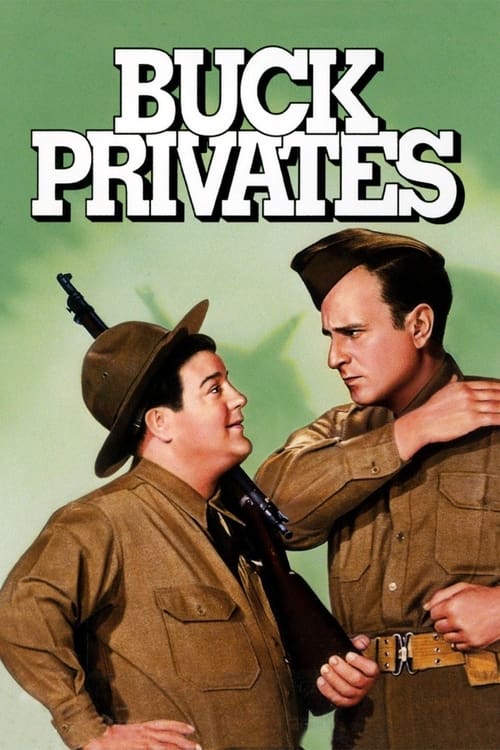
Petty con artists Slicker Smith and Herbie Brown mistakenly join the Army evading the cops. The cop chasing them winds up as their drill instructor. A rich young man and his former working class chauffeur are not only in the same unit, they're vying for a pretty girl who seems attracted to both.
Buck Privates
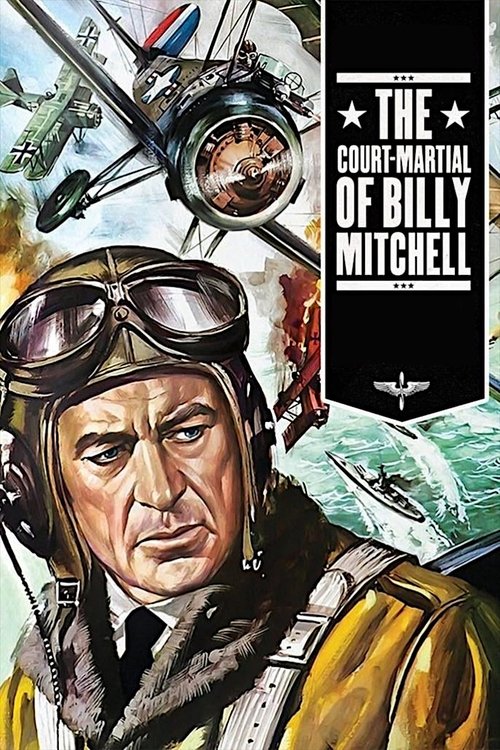
A dramatization of the American general and his court martial for publically complaining about High Command's dismissal and neglect of the aerial fighting forces.
The Court-Martial of Billy Mitchell
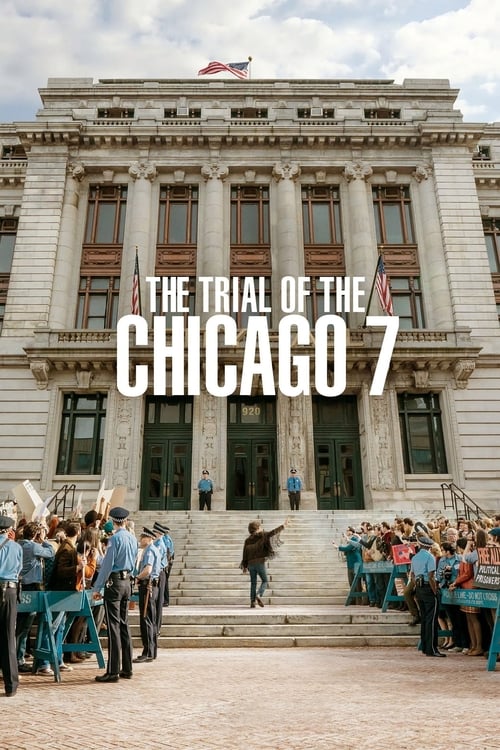
What was supposed to be a peaceful protest turned into a violent clash with the police. What followed was one of the most notorious trials in history.
The Trial of the Chicago 7
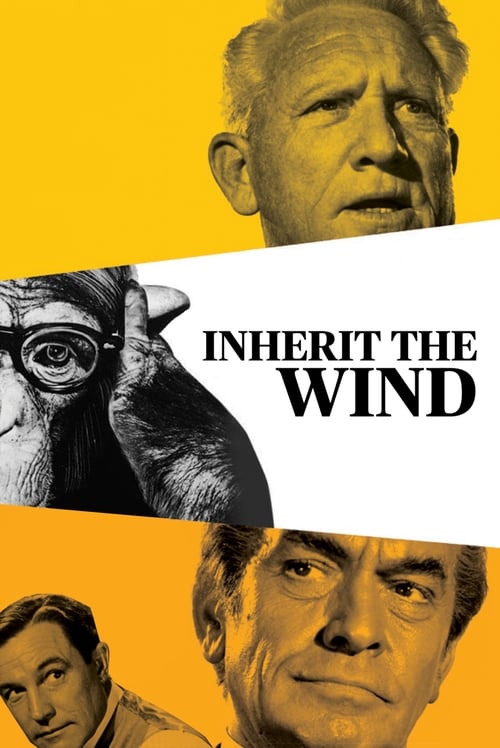
Schoolteacher Bertram Cates is arrested for teaching his students Darwin's theory of evolution. The case receives national attention and one of the newspaper reporters, E.K. Hornbeck, arranges to bring in renowned defense attorney and atheist Henry Drummond to defend Cates. The prosecutor, Matthew Brady is a former presidential candidate, famous evangelist, and old adversary of Drummond.
Inherit the Wind
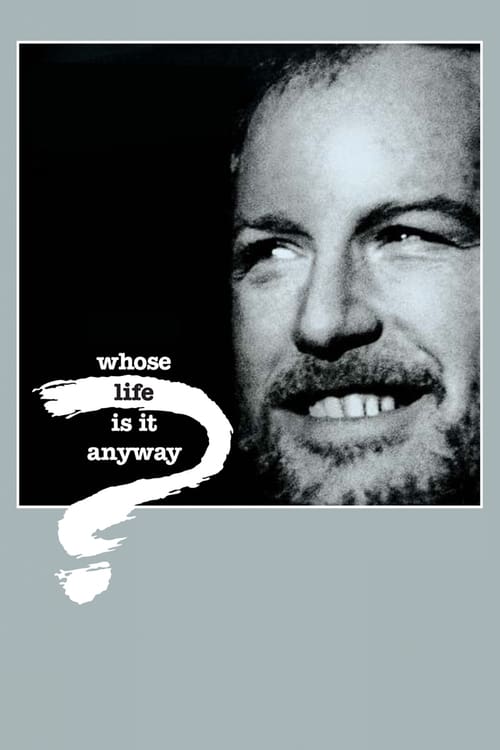
Ken Harrison is an artist that lives to make sculptures. One day he is involved in a car accident, and is paralyzed from his neck down. All he can do is talk and move his head, and he wants to die. Whilst he is in hospital he makes friends with some of the staff, and they support him when he goes to trial to be allowed to die.
Whose Life Is It Anyway?

In 1950s England, slow-witted Derek Bentley falls in with a group of petty criminals led by Chris Craig, a teenager with a fondness for American gangster films. Chris and Derek's friendship leads to their involvement in the true case which would forever shake England's belief in capital punishment.
Let Him Have It
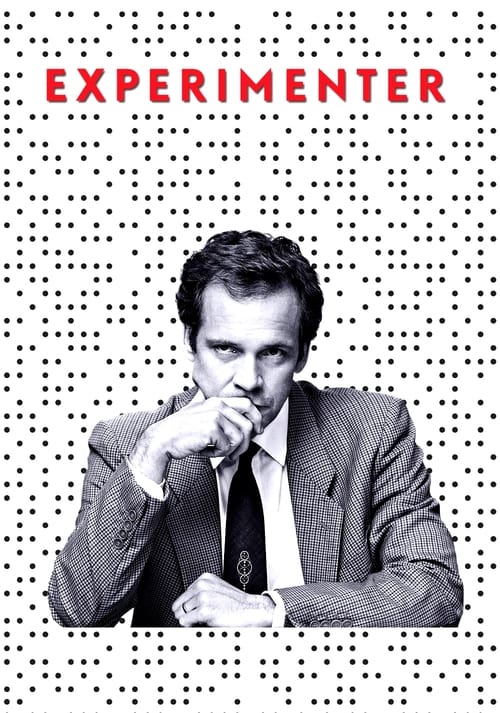
Yale University, 1961. Stanley Milgram designs a psychology experiment that still resonates to this day, in which people think they’re delivering painful electric shocks to an affable stranger strapped into a chair in another room. Despite his pleads for mercy, the majority of subjects don’t stop the experiment, administering what they think is a near-fatal electric shock, simply because they’ve been told to do so. With Nazi Adolf Eichmann’s trial airing in living rooms across America, Milgram strikes a nerve in popular culture and the scientific community with his exploration into people’s tendency to comply with authority. Celebrated in some circles, he is also accused of being a deceptive, manipulative monster, but his wife Sasha stands by him through it all.
Experimenter
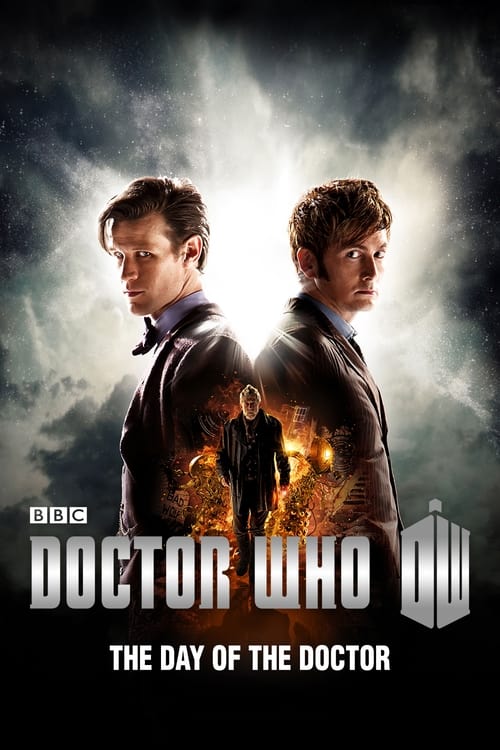
In 2013, something terrible is awakening in London's National Gallery; in 1562, a murderous plot is afoot in Elizabethan England; and somewhere in space an ancient battle reaches its devastating conclusion. All of reality is at stake as the Doctor's own dangerous past comes back to haunt him.
Doctor Who: The Day of the Doctor

When Bodi and his band 'True Blue' leave Snow Mountain to tour with pop sensation Lil' Foxy, they learn that fame comes at a price.
Rock Dog 2: Rock Around the Park
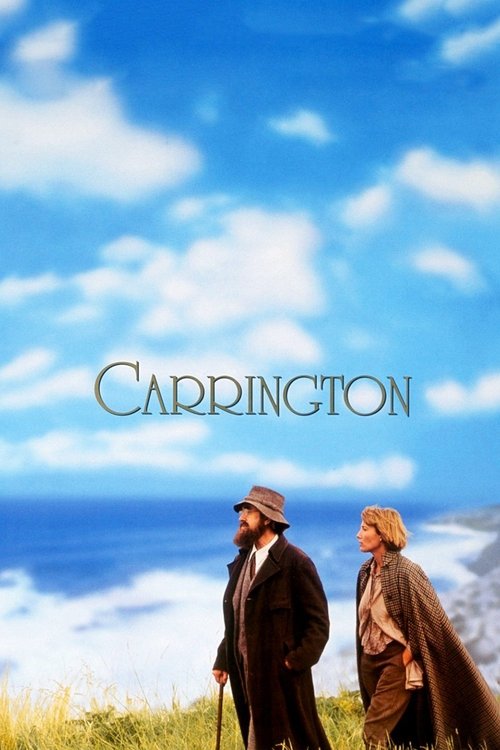
Painter Dora Carrington develops an intimate but extremely complex bond with writer Lytton Strachey. Though Lytton is a homosexual, he is enchanted by the mysterious Dora and they begin a lifelong friendship that has strangely romantic undertones. Eventually, Lytton and Dora decide to live together, despite the fact that the latter has fallen in love with military man Ralph Partridge, whom she plans to marry.
Carrington

Herbert Stempel's transformation into an unexpected television personality unfolds as he secures victory on the cherished American game show, 'Twenty-One.' However, when the show introduces the highly skilled contestant Charles Van Doren to replace Stempel, it compels Stempel to let out his frustrations and call out the show as rigged. Lawyer Richard Goodwin steps in and attempts to uncover the orchestrated deception behind the scenes.
Quiz Show
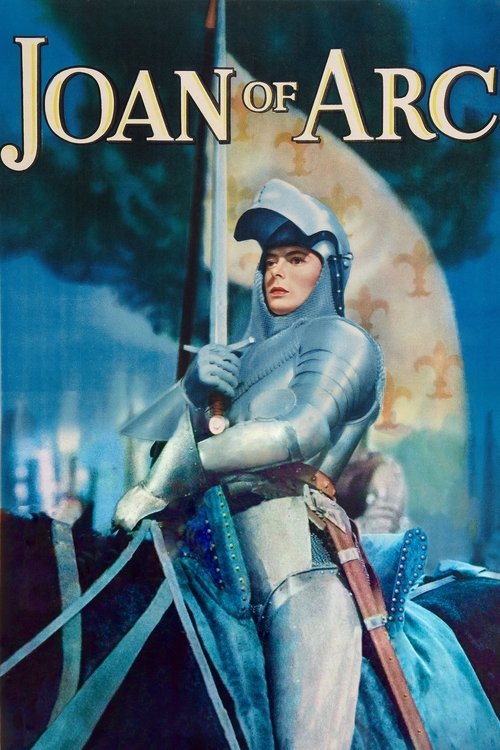
In the 15th Century, France is a defeated and ruined nation after the One Hundred Years War against England. The fourteen-year-old farm girl Joan of Arc claims to hear voices from Heaven asking her to lead God's Army against Orleans and crowning the weak Dauphin Charles VII as King of France. Joan gathers the people with her faith, forms an army, and conquers Orleans.
Joan of Arc
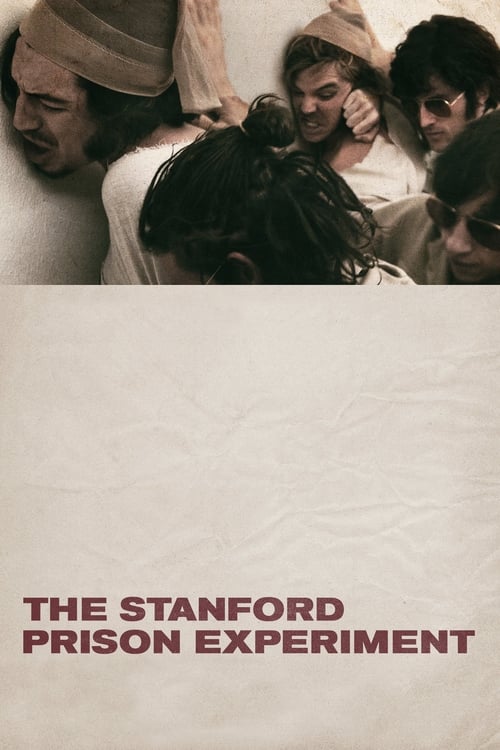
In 1971, Stanford's Professor Philip Zimbardo conducts a controversial psychology experiment in which college students pretend to be either prisoners or guards, but the proceedings soon get out of hand. Based on a true story.
The Stanford Prison Experiment

After writing a tell-all book about her days in the dance troupe "Barry Nichols and Les Girls", Sybil Wren is sued for libeling her fellow dancer Angele. A Rashômon style narrative presents the story from three points of view where Sybil accuses Angele of having an affair with Barry, while Angele insists that it was actually Sybil who was having the affair. Finally, Barry gives his side of the story.
Les Girls
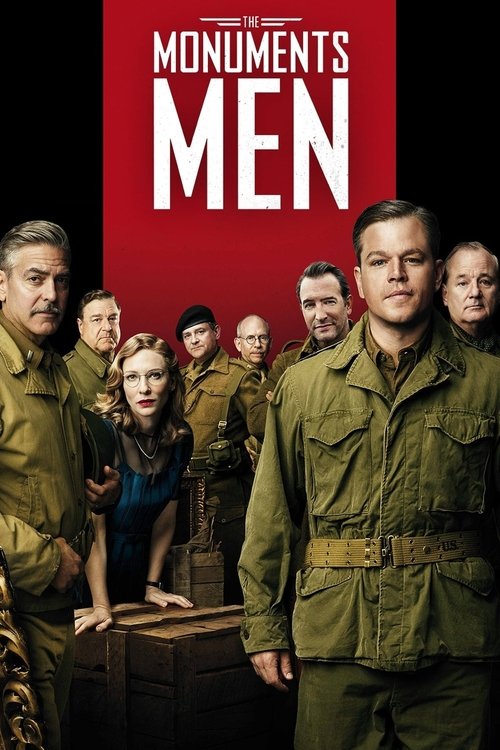
Based on the true story of the greatest treasure hunt in history, The Monuments Men is an action drama focusing on seven over-the-hill, out-of-shape museum directors, artists, architects, curators, and art historians who went to the front lines of WWII to rescue the world’s artistic masterpieces from Nazi thieves and return them to their rightful owners. With the art hidden behind enemy lines, how could these guys hope to succeed?
The Monuments Men

Beginning just after the bloody Sioux victory over General Custer at Little Big Horn, the story is told through two unique perspectives: Charles Eastman, a young, white-educated Sioux doctor held up as living proof of the alleged success of assimilation, and Sitting Bull the proud Lakota chief whose tribe won the American Indians’ last major victory at Little Big Horn.