Promenades Champêtres
Synopsis
You might also like

On a business trip to the Cannes Film Festival, Manhee is accused of being dishonest, and fired. A teacher named Claire goes around taking photos with a Polaroid camera. She gets to know Manhee and sympathizes with her. Claire is like a person who can see Manhee's possible future or past selves, through the mysterious power of the beach tunnel. Through taking photos, Claire has acquired the ability to look slowly at things, and to transform objects. Now, Claire goes with Manhee to the café where she was fired. We look forward to seeing Claire's power at work.
Claire's Camera

A chronicle of the production problems — including bad weather, actors' health, war near the filming locations, and more — which plagued the filming of Apocalypse Now, increasing costs and nearly destroying the life and career of Francis Ford Coppola.
Hearts of Darkness: A Filmmaker's Apocalypse
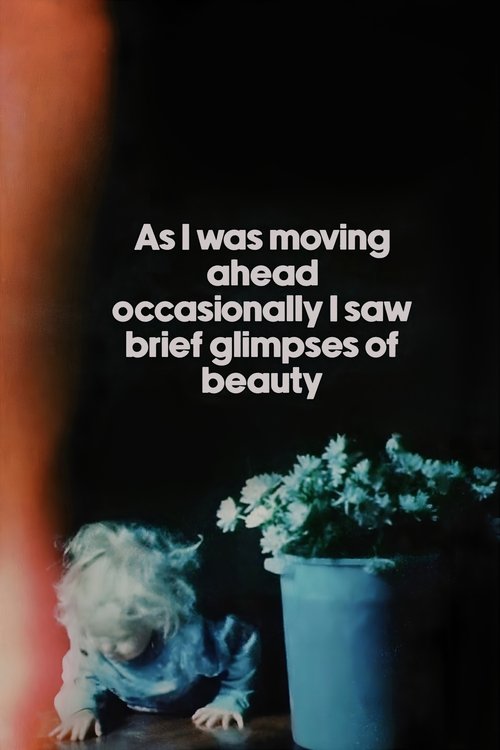
A compilation of over 30 years of private home movie footage shot by Lithuanian-American avant-garde director Jonas Mekas, assembled by Mekas "purely by chance", without concern for chronological order.
As I Was Moving Ahead, Occasionally I Saw Brief Glimpses of Beauty
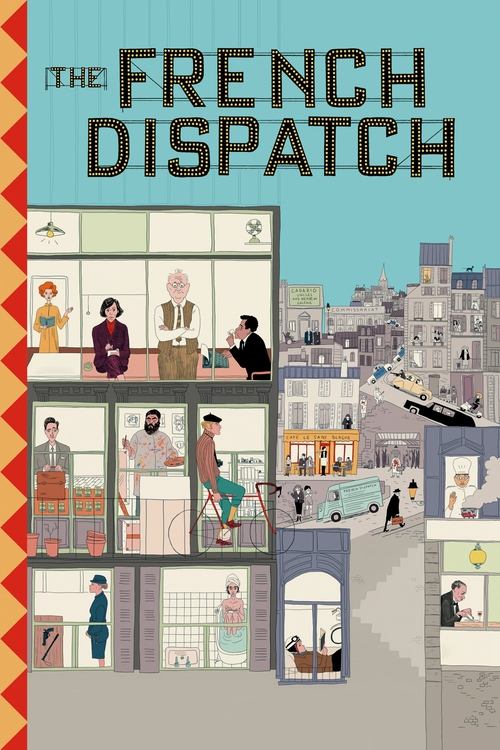
The staff of an American magazine based in France puts out its last issue, with stories featuring an artist sentenced to life imprisonment, student riots, and a kidnapping resolved by a chef.
The French Dispatch of the Liberty, Kansas Evening Sun
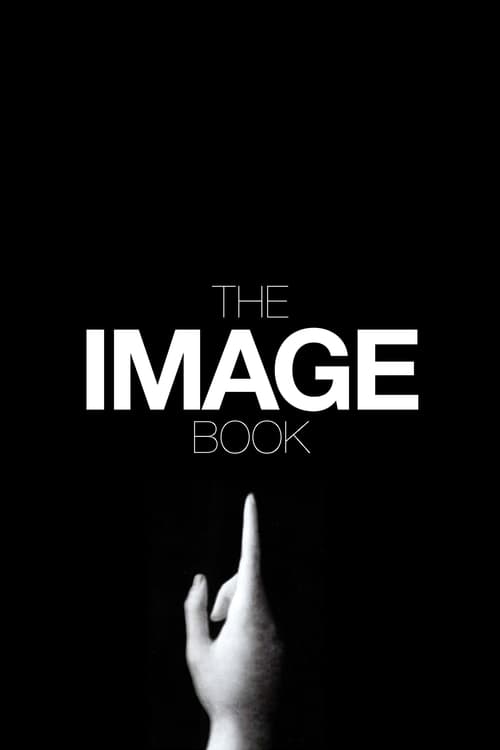
In Le Livre d’Image, Jean-Luc Godard recycles existing images (films, documentaries, paintings, television archives, etc.), quotes excerpts from books, uses fragments of music. The driving force is poetic rhyme, the association or opposition of ideas, the aesthetic spark through editing, the keystone. The author performs the work of a sculptor. The hand, for this, is essential. He praises it at the start. “There are the five fingers. The five senses. The five parts of the world (…). The true condition of man is to think with his hands. Jean-Luc Godard composes a dazzling syncopation of sequences, the surge of which evokes the violence of the flows of our contemporary screens, taken to a level of incandescence rarely achieved. Crowned at Cannes, the last Godard is a shock film, with twilight beauty.
The Image Book
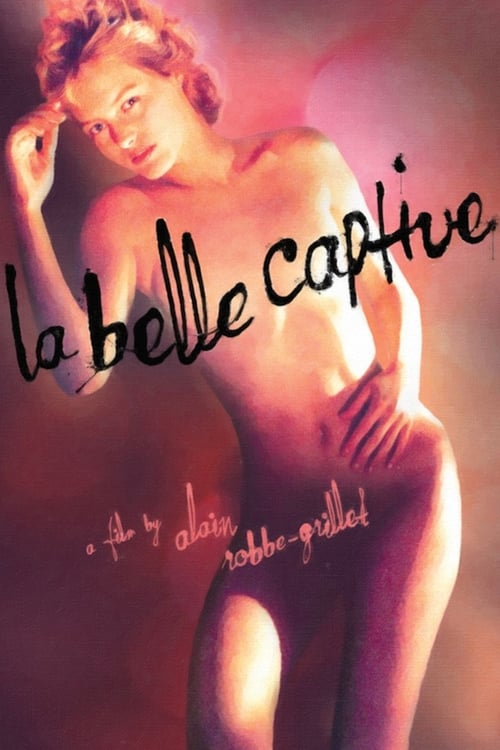
Walter is told by his boss, Sara, to deliver an urgent letter to Henri de Corinthe. On the way he finds a beautiful woman he had been eying in a nightclub, lying in the road, bound up. He takes her to a villa to get a doctor, and ends up being locked in a bedroom with her. While she is making love to him, he has visions of surrealistic images from René Magritte's paintings. In the morning, the girl, Marie-Ange, has vanished, the villa looks derelict, and his neck is bleeding. Was it all just a nightmare?
The Beautiful Prisoner

Agnès Varda eloquently captures Paris in the sixties with this real-time portrait of a singer set adrift in the city as she awaits test results of a biopsy. A chronicle of the minutes of one woman’s life, Cléo from 5 to 7 is a spirited mix of vivid vérité and melodrama, featuring a score by Michel Legrand and cameos by Jean-Luc Godard and Anna Karina.
Cléo from 5 to 7
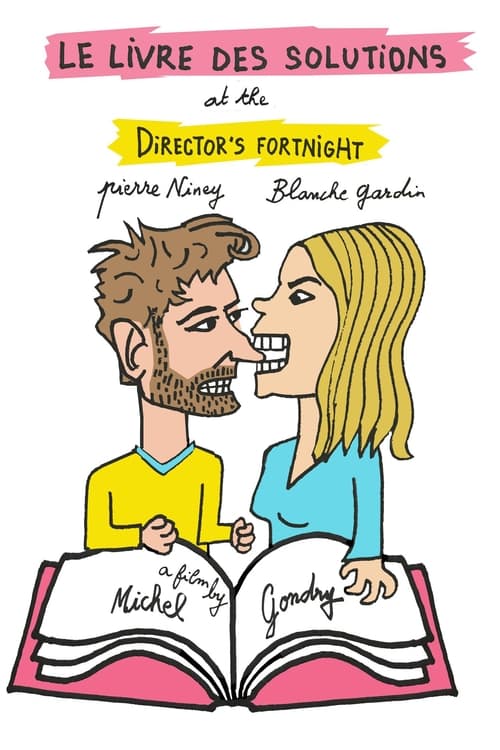
Marc, a bipolar and paranoid filmmaker, cannot tolerate seeing his current project picked apart by his producers. The clips he’s been able to sneak a look at lead him to fear the worst. With his editor as an accomplice, he manages to spirit away the rushes to his aunt’s place in the Cévennes, to finish the film as he envisions it. Instead, its completion is constantly postponed, as he creates endless diversions and impasses, which alternate between the comic and the downright disturbing.
The Book of Solutions
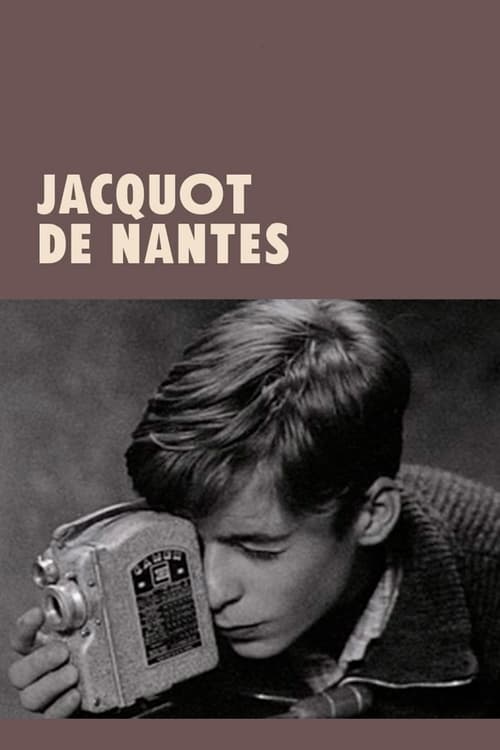
Jacquot Demy, the son of a garage owner and a hairdresser, is fascinated by cinema and decides to pursue his dream of becoming a filmmaker by any means necessary.
Jacquot

In the hospital where she works in Brest, France, a lung specialist discovers a direct link between suspicious deaths and state-approved medicine. She fights single-handedly for the truth to come out.
150 Milligrams
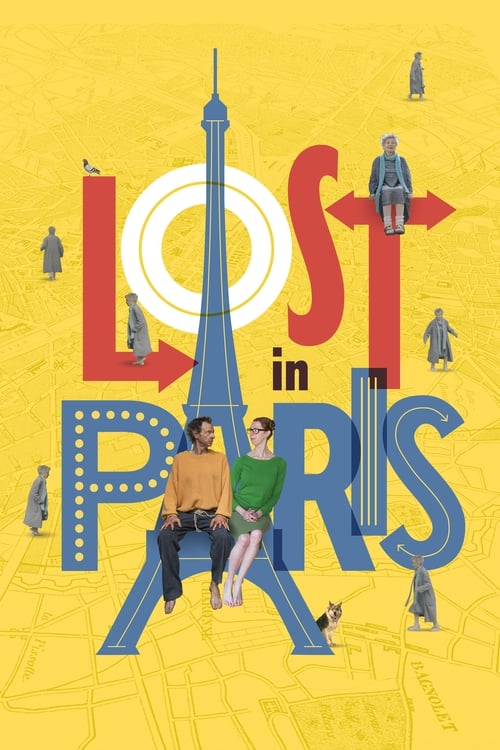
Fiona visits Paris for the first time to assist her myopic Aunt Martha. Catastrophes ensue, mainly involving Dom, a homeless man who has yet to have an emotion or thought he was afraid of expressing.
Lost in Paris
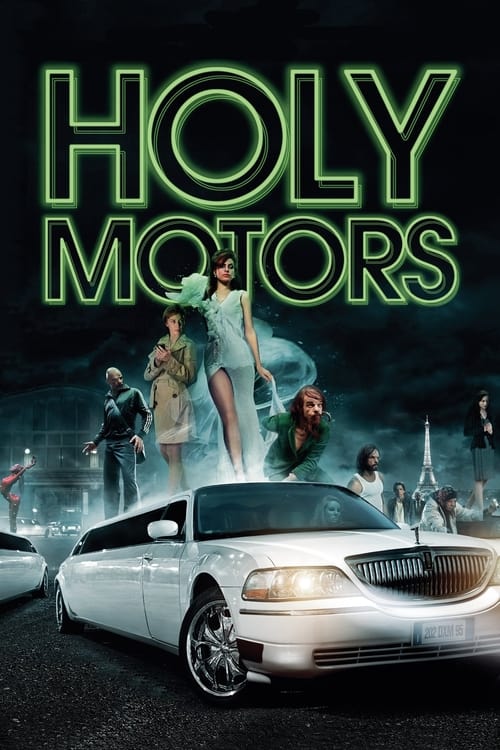
We follow 24 hours in the life of a being moving from life to life like a cold and solitary assassin moving from hit to hit. In each of these interwoven lives, the being possesses an entirely distinct identity: sometimes a man, sometimes a woman, sometimes youthful, sometimes old. By turns murderer, beggar, company chairman, monstrous creature, worker, family man.
Holy Motors
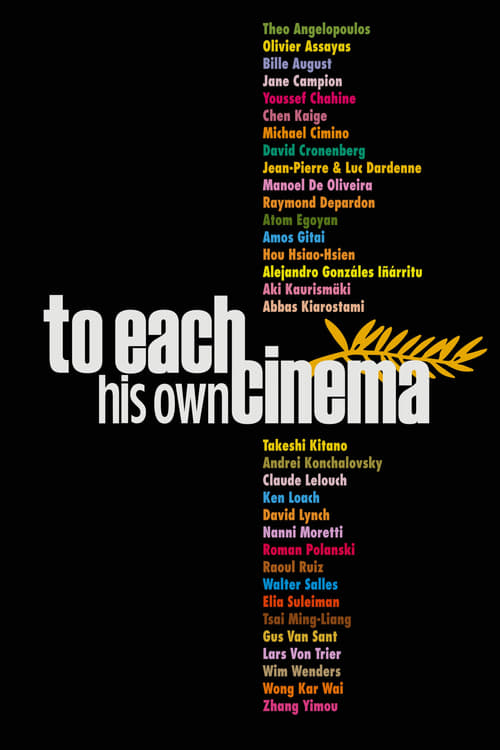
Commissioned to mark the 60th anniversary of the Cannes Film Festival, "To Each His Own Cinema" brought together 33 of the world's pre-eminent filmmakers to produce short pieces exploring the multifarious facets of cinema and their perspective on the state of their chosen artform in the early 21st century.
To Each His Own Cinema
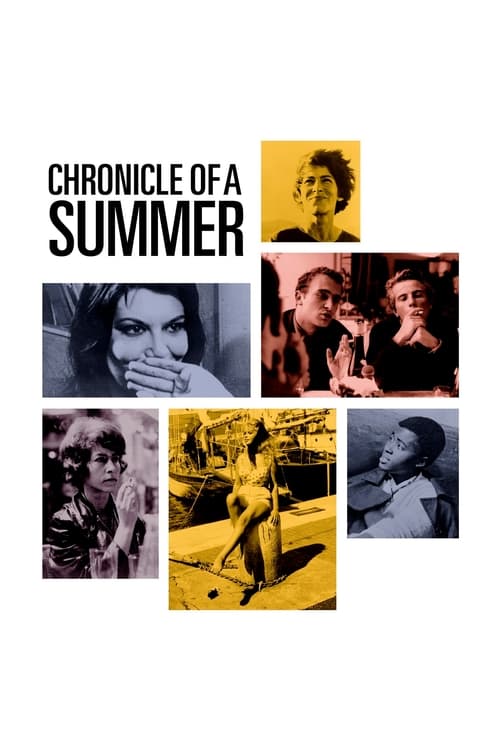
Paris, summer 1960. Anthropologist and filmmaker Jean Rouch and sociologist and film critic Edgar Morin wander through the crowded streets asking passersby how they cope with life's misfortunes.
Chronicle of a Summer

Director Agnès Varda and photographer/muralist JR journey through rural France and form an unlikely friendship.
Faces Places
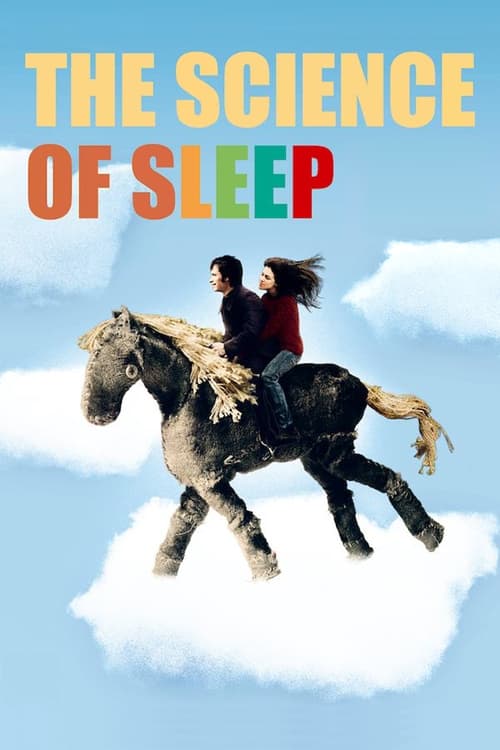
A man entranced by his dreams and imagination is lovestruck with a French woman and feels he can show her his world.
The Science of Sleep
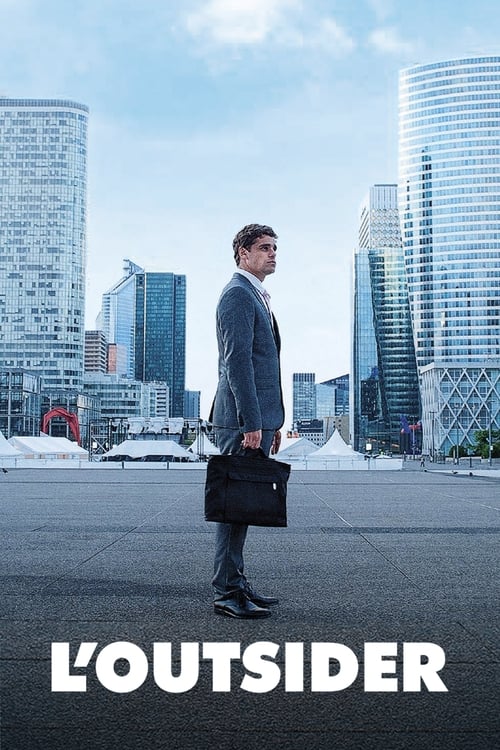
A drama about the less known aspects of the trading activity inside one of the biggest banks in the world - Société Générale. The movie tracks the rise and fall of anonymous trader turned superstar turned escape goat - Jérôme Kerviel - just as the 2008 financial crisis was unfolding
The Outsider

Muriel Bayen, a divorced beautician and mother of two, loves to tell stories. She is a huge fan of this singer Vincent Lacroix, in fact she is a dedicated fan. One day Vincent knock on her door and ask for her help.
Number One Fan
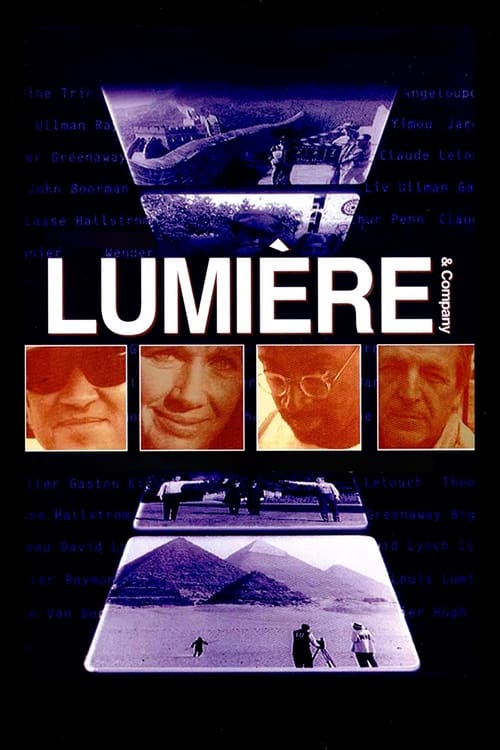
40 international directors were asked to make a short film using the original Cinematographe invented by the Lumière Brothers, working under conditions similar to those of 1895. There were three rules: (1) The film could be no longer than 52 seconds, (2) no synchronized sound was permitted, and (3) no more than three takes.
Lumière & Company
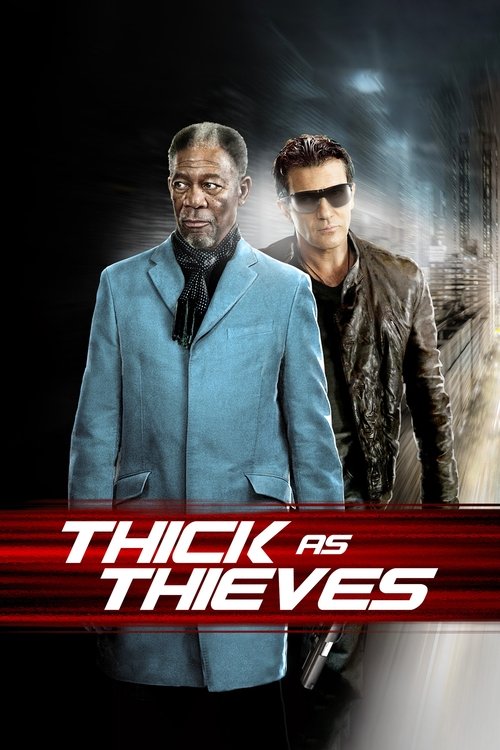
A master thief recruits a notorious thief to help him steal two famous Faberge eggs from an impenetrable vault in an effort to pull off one final job and repay his debt to the Russian mob.