

Vous aimerez aussi
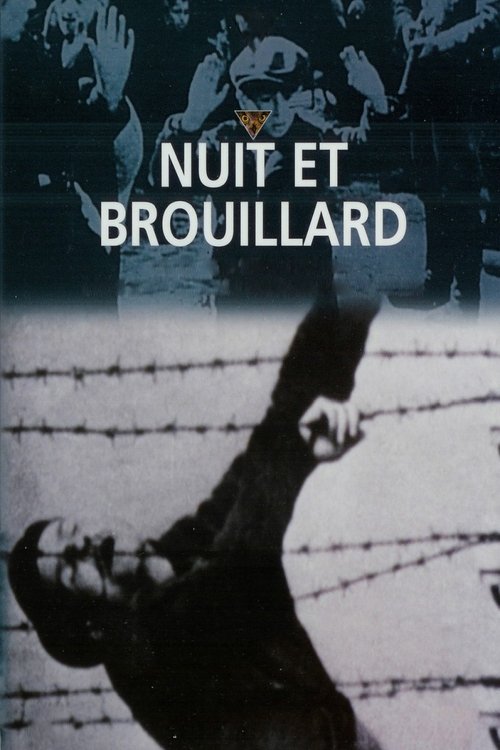
1955 : Alain Resnais, à la demande du comité d'histoire de la Seconde Guerre mondiale, se rend sur les lieux où des milliers d'hommes, de femmes et d'enfants ont perdu la vie. Il s'agit d'Orianenbourg, Auschwitz, Dachau, Ravensbruck, Belsen, Neuengamme, Struthof. Avec Jean Cayrol et l'aide de documents d'archives, il retrace le lent calvaire des déportés.
Nuit et Brouillard
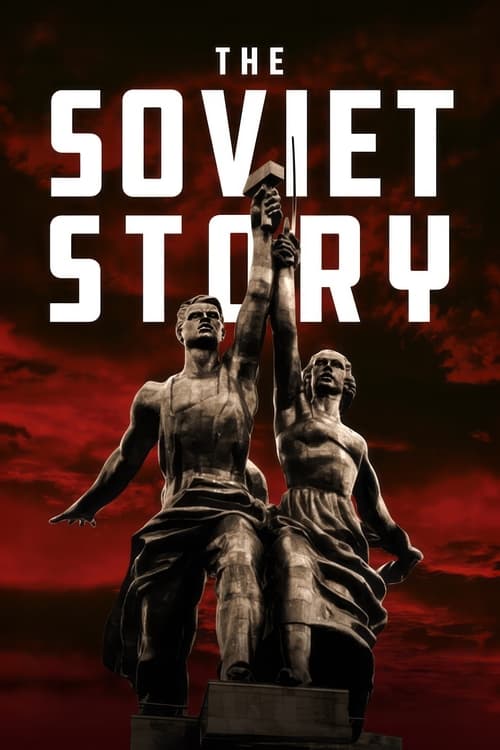
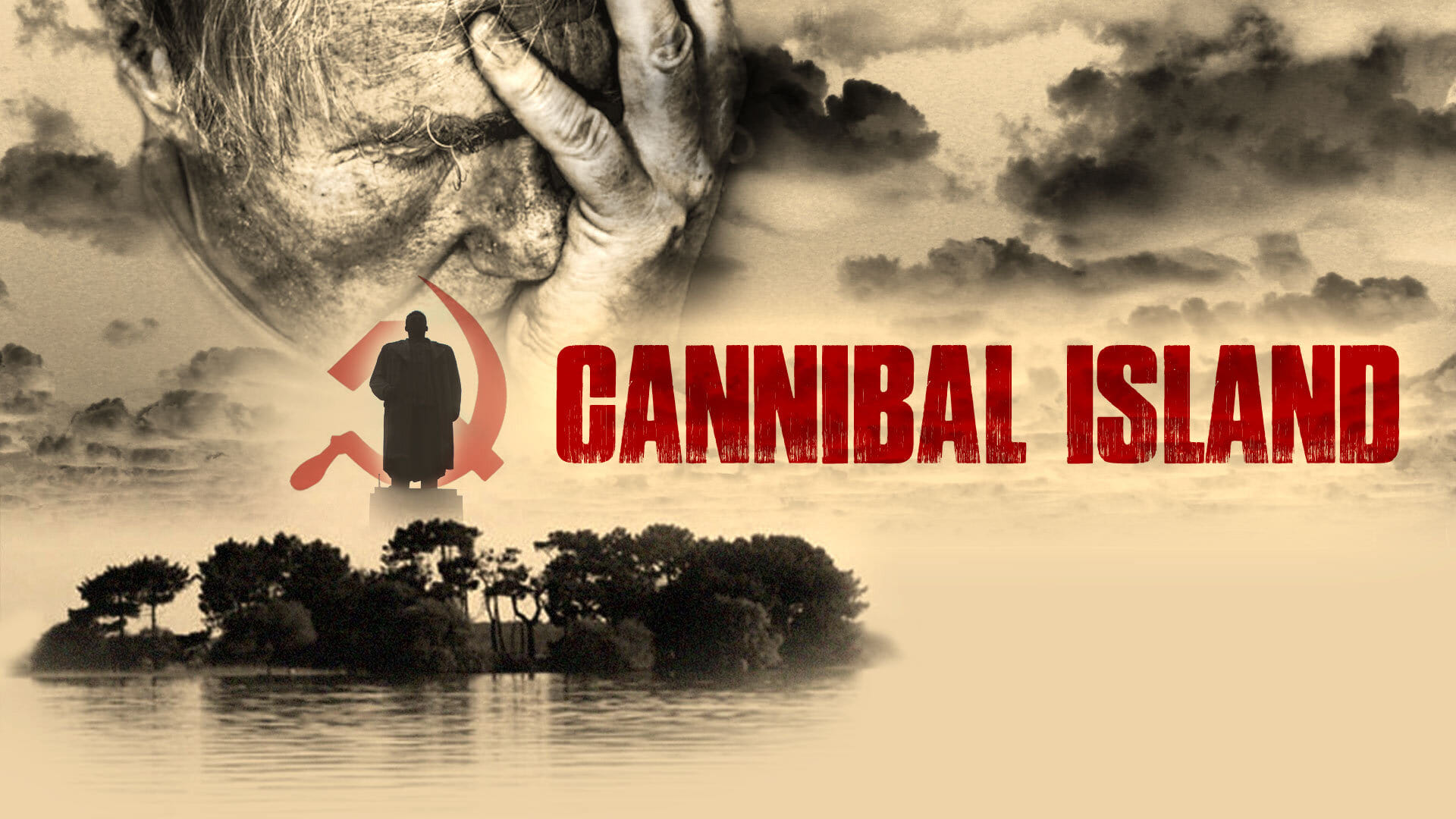
“The Soviet Story” is a story of an Allied power, which helped the Nazis to fight Jews and which slaughtered its own people on an industrial scale. Assisted by the West, this power triumphed on May 9th, 1945. Its crimes were made taboo, and the complete story of Europe’s most murderous regime has never been told. Until now...
The Soviet Story
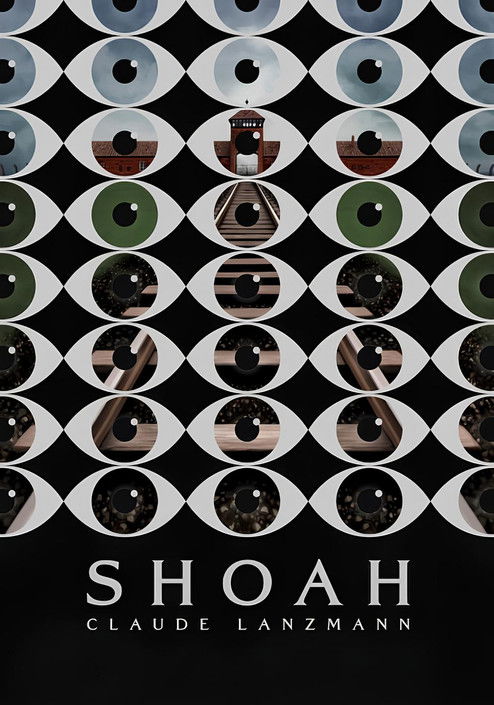
Claude Lanzmann a retrouvé des rescapés juifs des camps d’extermination. Il a traqué les nazis qui se cachaient et réussi à les filmer clandestinement. Il est retourné sur les lieux, dans les villages limitrophes de Chelmno, Ponari, Treblinka, Sobibor, Auschwitz, pour interroger les témoins polonais. Ni fiction – tous les protagonistes ont été en contact direct avec les camps –, ni documentaire – il ne s’agit pas d’une compilation de souvenirs –, Shoah est avant tout un film de la mémoire qui abolit la distance entre le passé et le présent. Sans recourir aux documents d’archives – il n’y a pas un cadavre dans cette œuvre pétrie de mort – ni aux “images chocs”, Shoah (“anéantissement”, “destruction”, en hébreu) démonte les rouages de la “solution finale”. “Nous avons lu, après la guerre, quantité de témoignages sur les ghettos, sur les camps d’extermination.
Shoah
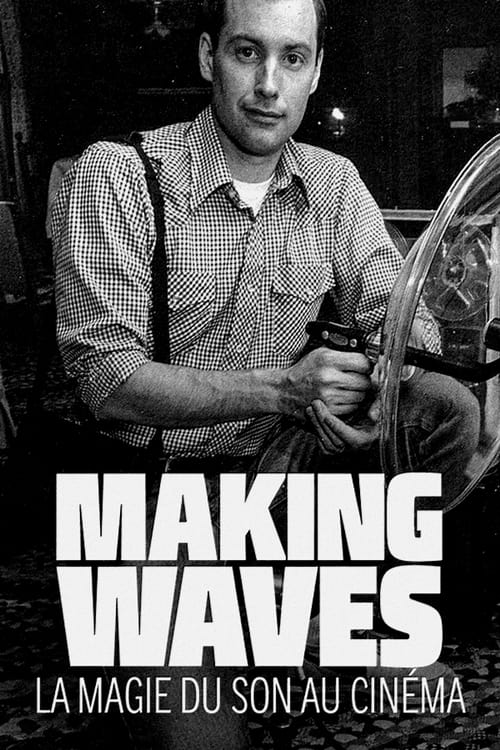
L'histoire du son au cinéma, racontée par des concepteurs sonores légendaires et des cinéastes visionnaires.
Making waves : la magie du son au cinéma

En 1980, Stanley Kubrick signe SHINING, qui deviendra un classique du cinéma d’horreur. A la fois admiré et vilipendé, le film est considéré comme une œuvre marquante du genre par de nombreux experts, tandis que d’autres estiment que Kubrick s’est dévoyé en la réalisant. Mais il y a aussi des fans acharnés qui ont voué leur vie au décryptage des messages cachés de ce film culte… Théories du complot ? Ont ils décrypté les messages secrets de Shining ?
Room 237
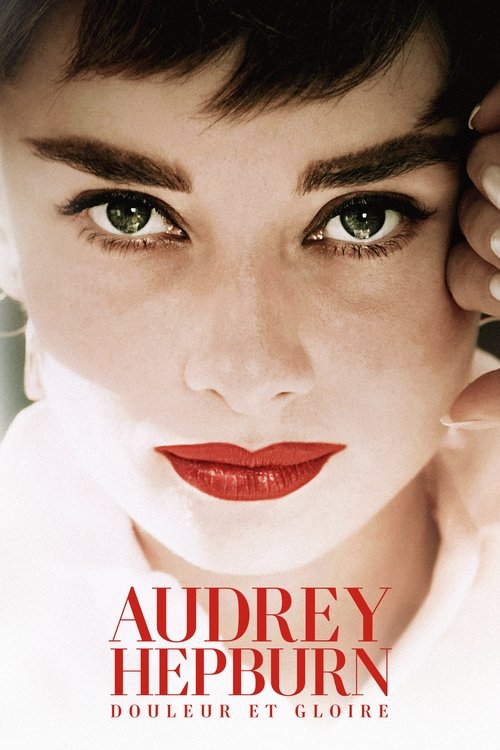
Un regard intime et sans précédent sur la vie, l'œuvre et l'héritage durable de l'actrice britannique Audrey Hepburn (1929-1993).
Audrey Hepburn : douleur et gloire
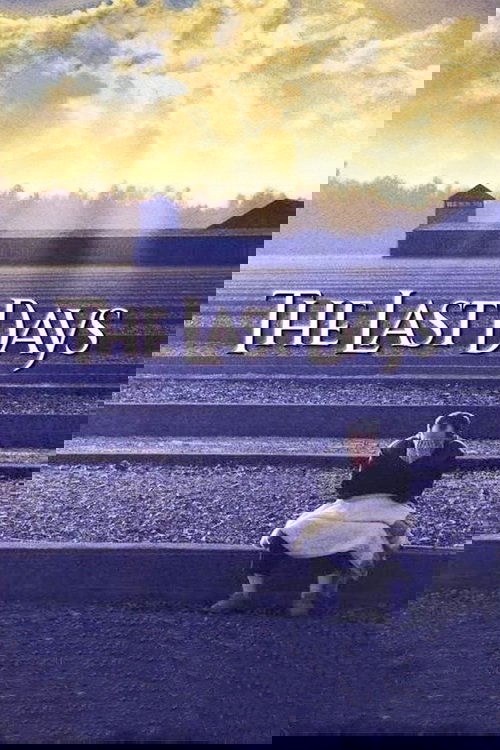
Récompensé aux Oscars, ce documentaire retrace l'histoire terrifiante de cinq Juifs de Hongrie victimes des horreurs de l'Holocauste et du régime d'Adolf Hitler.
Les Derniers jours
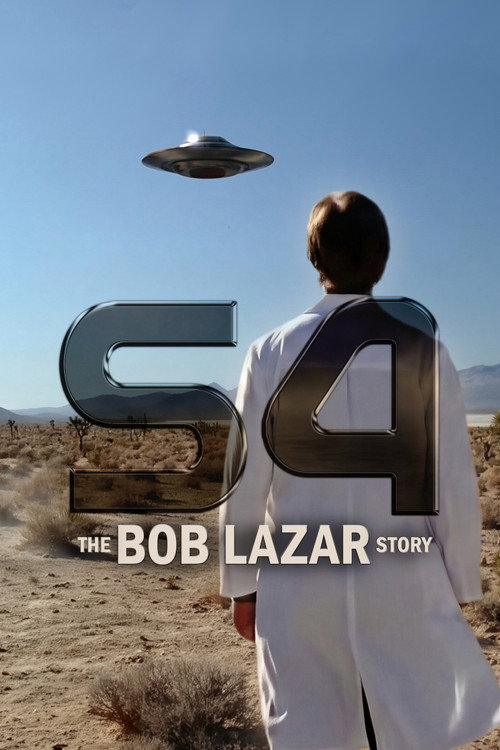
Over 35 years after Bob Lazar's revelations, this documentary exposes secrets of a facility the government still denies. Featuring Lazar's testimony, recreations, and new evidence, it reopens a case that continues to spark global curiosity
S4: The Bob Lazar Story
Considéré comme le film le plus rentable de tous les temps, Gorge profonde fut bien plus qu'une curiosité pour adultes et une réussite financière. Sorti en 1972, au moment où les Etats-Unis découvraient les mouvements pour la libération sexuelle et les valeurs de la contre-culture, ce film au contenu sexuellement explicite déclencha une tempête sociale et politique sans précédent. Gorge profonde devint un phénomène culturel majeur, dont l'impact se ressent encore aujourd'hui. Plus de trente ans après les scandales provoqués par ce classique du cinéma porno, le documentaire Inside Deep throat examine l'incroyable abîme entre les modestes intentions des créateurs du film et l'héritage qu'ils ont involontairement laissé.
Inside Deep Throat
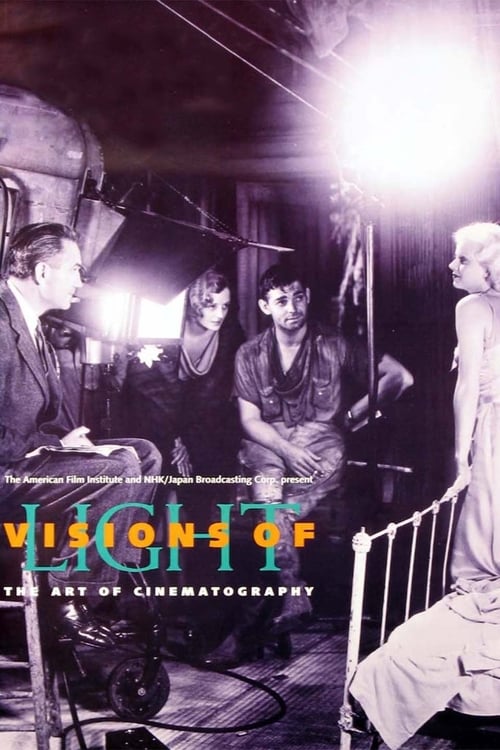
Cameramen and women discuss the craft and art of cinematography and of the "DP" (the director of photography), illustrating their points with clips from 100 films, from Birth of a Nation to Do the Right Thing. Themes: the DP tells people where to look; changes in movies (the arrival of sound, color, and wide screens) required creative responses from DPs; and, these artisans constantly invent new equipment and try new things, with wonderful results. The narration takes us through the identifiable studio styles of the 30s, the emergence of noir, the New York look, and the impact of Europeans. Citizen Kane, The Conformist, and Gordon Willis get special attention.
Visions of Light
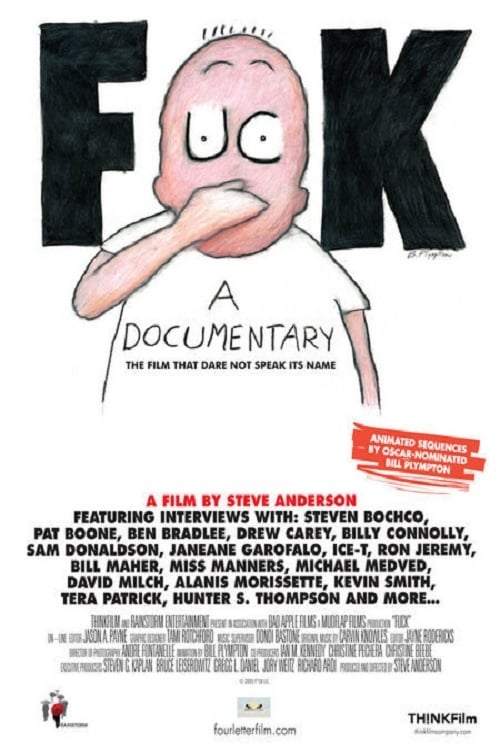
A documentary on the expletive's origin, why it offends some people so deeply, and what can be gained from its use.
Fuck
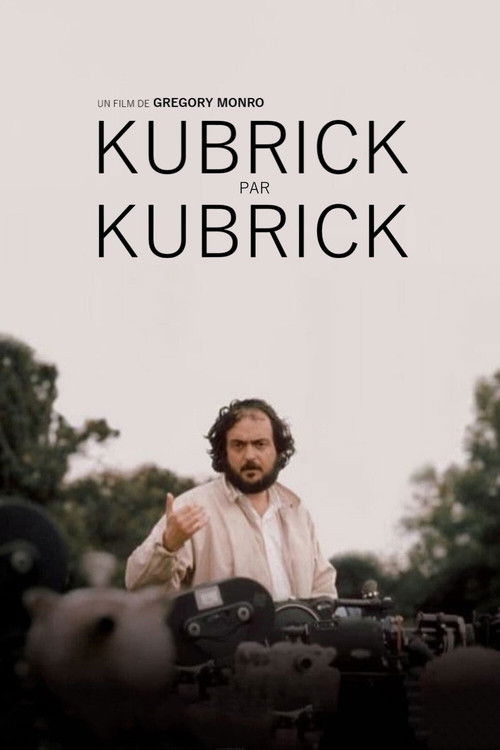
Le cinéaste américain Stanley Kubrick (1928-1999), l'un des plus grands de l'histoire, mais aussi l'un des plus réservés, a accordé peu d'interviews tout au long de sa longue carrière, et aucune d'entre elles n'a été filmée. Un voyage à la première personne à travers sa vie et son œuvre, basé sur une conversation enregistrée avec le critique de cinéma français Michel Climent.
Kubrick par Kubrick

Dans le film, Adam Curtis avance que depuis les années 1970, les gouvernements, la finance et les utopistes technologiques ont abandonné la complexité du "monde réel" et ont construit un simple "monde factice" qui est géré par les entreprises et maintenu stable par les politiciens.
HyperNormalisation
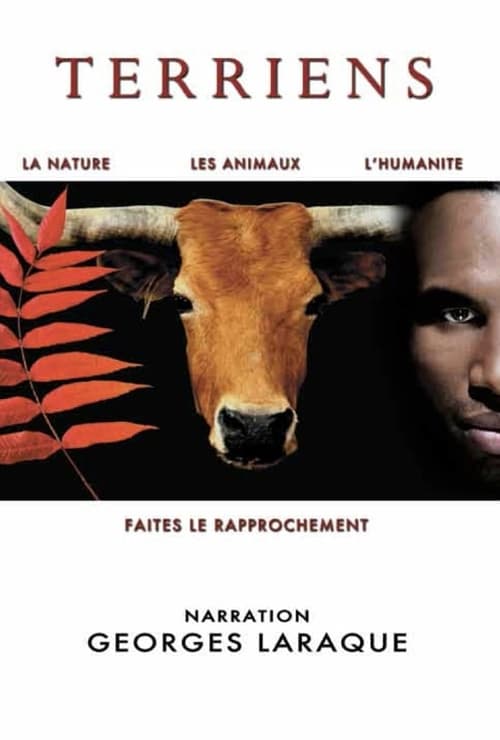
En utilisant des caméras cachées et des images inédites, Earthlings est une condamnation de la conduite humaine face au monde animal. Y sont présentées de grandes et petites industries contemporaines, dont les profits dépendent — d'une manière ou d'une autre — de l'exploitation animale.
Earthlings
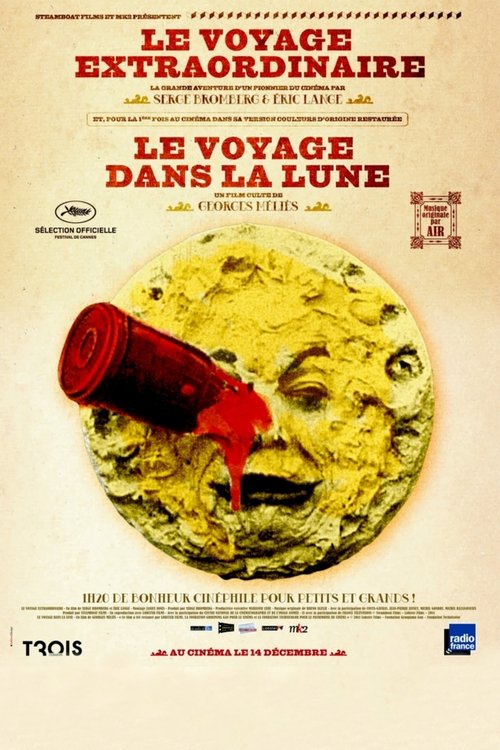
Un récit de la vie extraordinaire du pionnier du cinéma Georges Méliès (1861-1938) et l'histoire étonnante de la copie en couleur de son chef-d'œuvre « Un voyage dans la lune » (1902), retrouvée inopinément en Espagne et restaurée grâce aux efforts héroïques d'un groupe de vrais cinéphiles.
Le Voyage extraordinaire
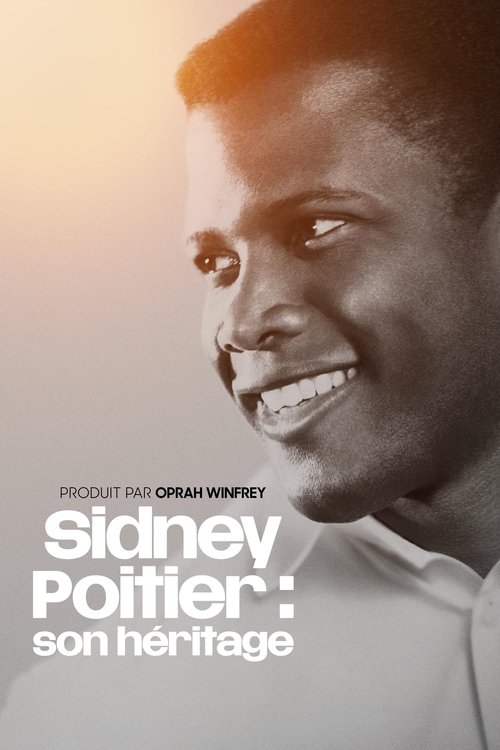
Réalisé par Oprah Winfrey, ce documentaire révélateur rend hommage au légendaire Sidney Poitier, acteur, cinéaste et militant des droits civiques. Découvrez des entretiens avec Denzel Washington, Spike Lee, Barbra Streisand, et bien d'autres.
Sidney Poitier : son héritage

Un hommage au cinéaste italien Sergio Corbucci (1926-90), présenté par le cinéaste américain Quentin Tarantino.
Django & Django
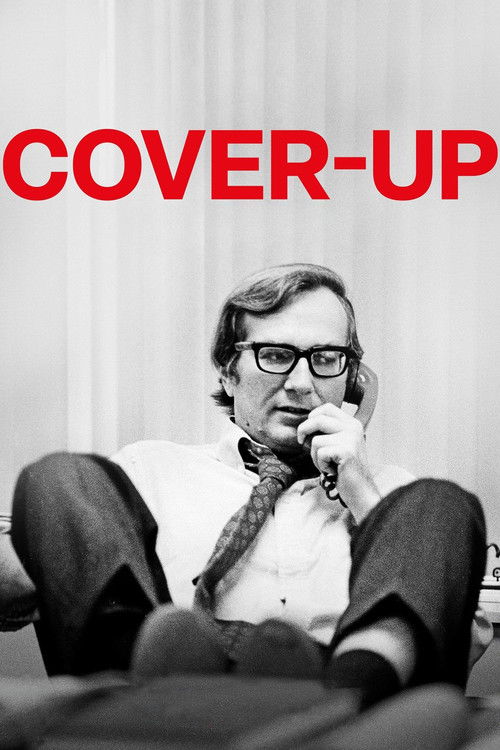
Il a consacré sa vie à révéler des histoires que les puissants veulent étouffer. De My Lai à Abou Ghraib, plongez au cœur de l'œuvre de toute une vie du journaliste Seymour Hersh.
Cover-Up : Un journaliste face au pouvoir
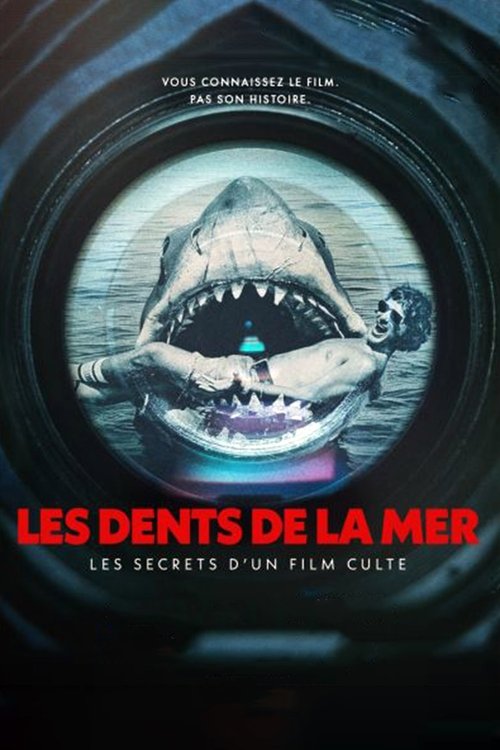
50 ans après sa sortie, ce documentaire célèbre le film qui a redéfini Hollywood et dévoile le chaos qui régnait en coulisses. Composé d'images d'archives rares et d'entretiens avec des réalisateurs hollywoodiens de renom, aux côtés de Steven Spielberg, de scientifiques reconnus spécialisés dans les requins, ainsi que de défenseurs de l'environnement, ce documentaire explique comment le film a lancé le phénomène des blockbusters de l'été, comment il a depuis inspiré une nouvelle vague de cinéastes et comment il a ouvert la voie à la conservation des requins qui perdure encore aujourd'hui.
Les Dents de la mer : Les Secrets d'un film culte

Dans un récit qui a fait sensation, Misha Defonseca disait avoir, enfant, traversé les forêts d’Europe pour retrouver ses parents déportés, survivant grâce à une meute de loups. Une mystification décryptée dans ce documentaire d’investigation passionnant. Une enquête d’investigation historique, menée à la manière d’un thriller sur une histoire trop belle pour être vraie.