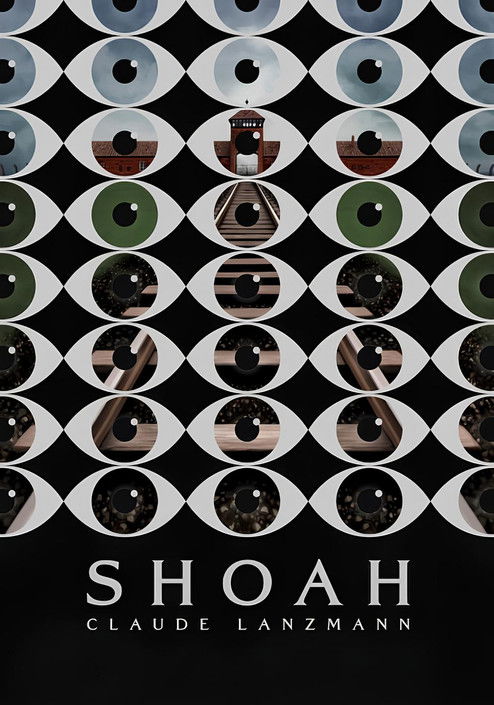
Claude Lanzmann a retrouvé des rescapés juifs des camps d’extermination. Il a traqué les nazis qui se cachaient et réussi à les filmer clandestinement. Il est retourné sur les lieux, dans les villages limitrophes de Chelmno, Ponari, Treblinka, Sobibor, Auschwitz, pour interroger les témoins polonais. Ni fiction – tous les protagonistes ont été en contact direct avec les camps –, ni documentaire – il ne s’agit pas d’une compilation de souvenirs –, Shoah est avant tout un film de la mémoire qui abolit la distance entre le passé et le présent. Sans recourir aux documents d’archives – il n’y a pas un cadavre dans cette œuvre pétrie de mort – ni aux “images chocs”, Shoah (“anéantissement”, “destruction”, en hébreu) démonte les rouages de la “solution finale”. “Nous avons lu, après la guerre, quantité de témoignages sur les ghettos, sur les camps d’extermination.
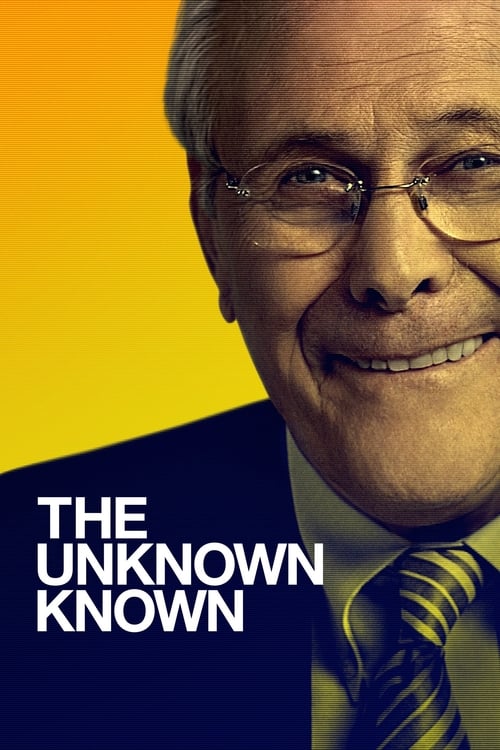
Former United States Secretary of Defense, Donald Rumsfeld, discusses his career in Washington D.C. from his days as a congressman in the early 1960s to planning the invasion of Iraq in 2003.
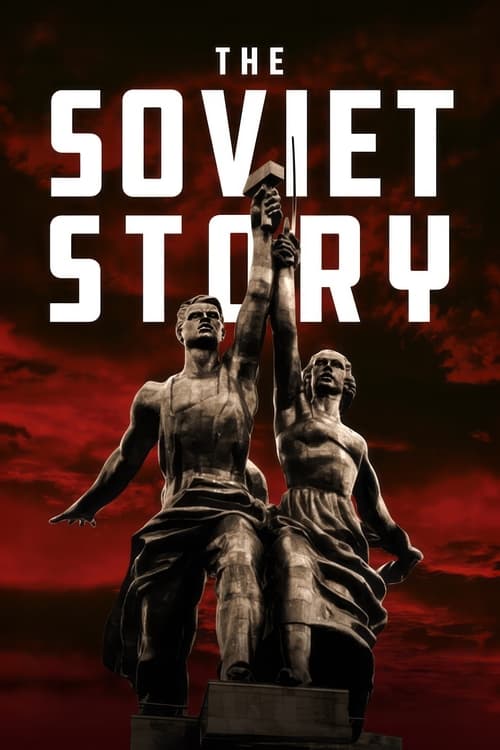
“The Soviet Story” is a story of an Allied power, which helped the Nazis to fight Jews and which slaughtered its own people on an industrial scale. Assisted by the West, this power triumphed on May 9th, 1945. Its crimes were made taboo, and the complete story of Europe’s most murderous regime has never been told. Until now...
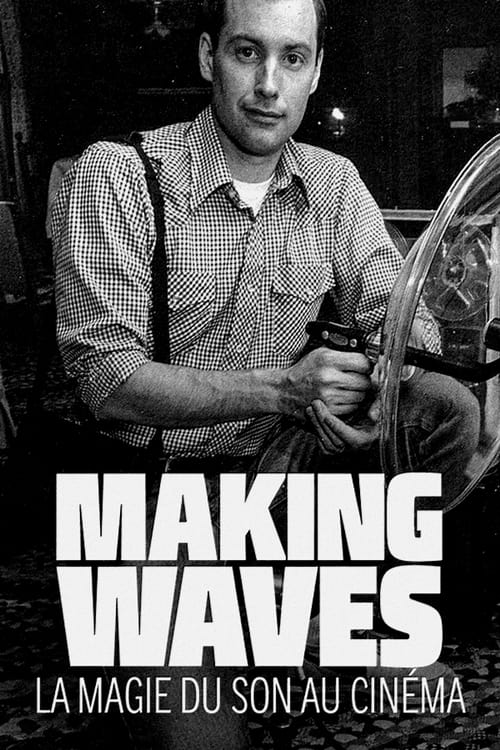
L'histoire du son au cinéma, racontée par des concepteurs sonores légendaires et des cinéastes visionnaires.
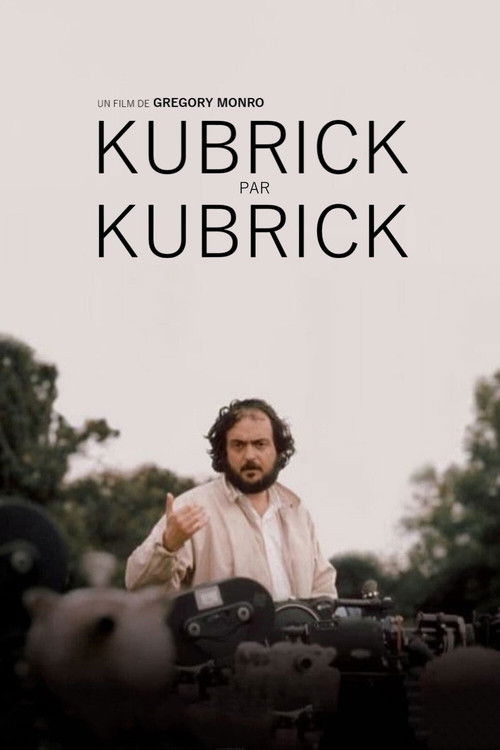
Le cinéaste américain Stanley Kubrick (1928-1999), l'un des plus grands de l'histoire, mais aussi l'un des plus réservés, a accordé peu d'interviews tout au long de sa longue carrière, et aucune d'entre elles n'a été filmée. Un voyage à la première personne à travers sa vie et son œuvre, basé sur une conversation enregistrée avec le critique de cinéma français Michel Climent.

En 1945, le cinéaste Alfred Hitchcock est engagé pour superviser le montage d'un documentaire produit par l'armée britannique sur la libération des camps de concentration nazis. Un film qui était destiné à montrer au peuple allemand les atrocités qui avaient été commises en son nom par les nazis. Une fois le film terminé, celui-ci fut cependant enterré pour des raisons politiques et jamais diffusé. Il fut alors simplement déposé à l'Imperial War Museum, à Londres, où dans les années 1980, les pellicules y ont été redécouvertes par un chercheur américain. Le film a fait l'objet d'une restauration complète respectant les choix du cinéaste. "Night Will Fall" retrace l’histoire de ce film pas fini, qui était connue longtemps sous le nom "The missing Hitchcock"...
Vivez les évènements du 11 septembre 2001 à travers les yeux du Président Bush et de ses plus proches conseillers alors qu’ils revisitent les heures cruciales et les décisions clés de cette journée qui a marqué l’histoire.
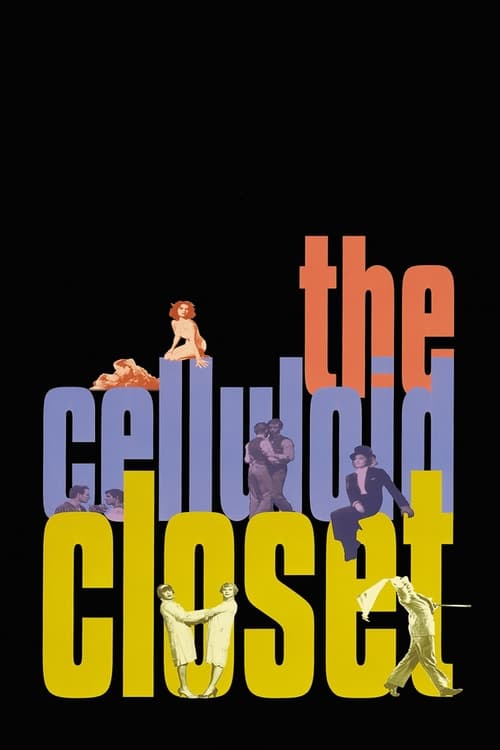
L'homosexualité vue a travers cent ans de cinéma hollywoodien. Pour les auteurs "The Celluloid Closet" montre comment notre attitude envers l'homosexualité et notre perception des rôles des deux sexes ont évolue au cours de ce siècle.
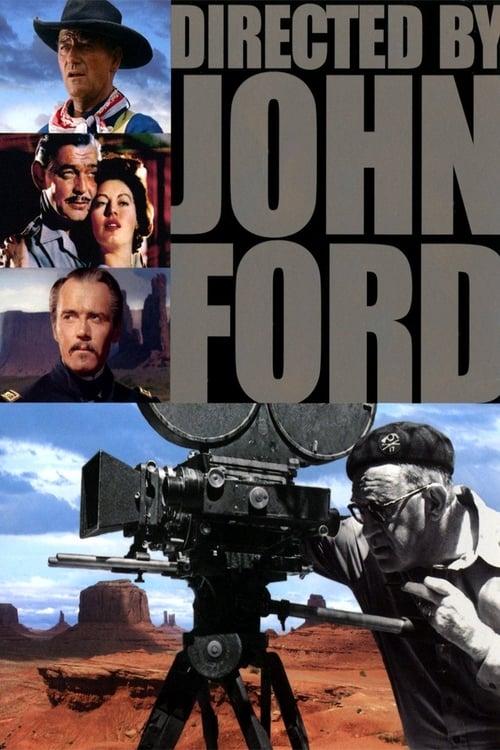
Un documentaire sur la vie et les films du réalisateur John Ford...
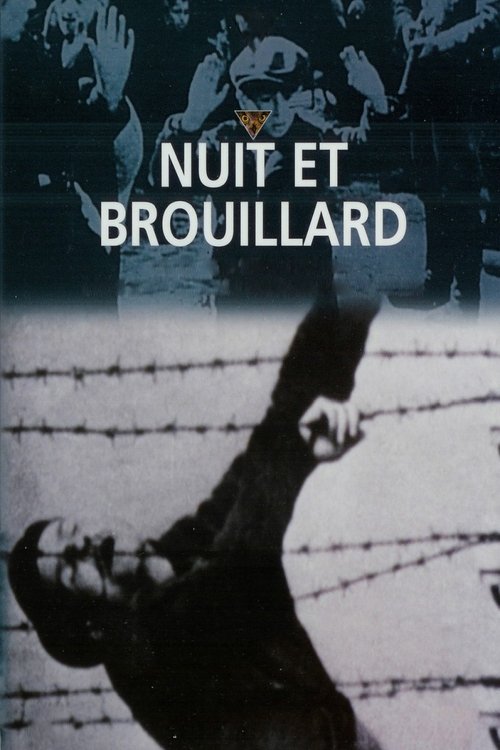
1955 : Alain Resnais, à la demande du comité d'histoire de la Seconde Guerre mondiale, se rend sur les lieux où des milliers d'hommes, de femmes et d'enfants ont perdu la vie. Il s'agit d'Orianenbourg, Auschwitz, Dachau, Ravensbruck, Belsen, Neuengamme, Struthof. Avec Jean Cayrol et l'aide de documents d'archives, il retrace le lent calvaire des déportés.
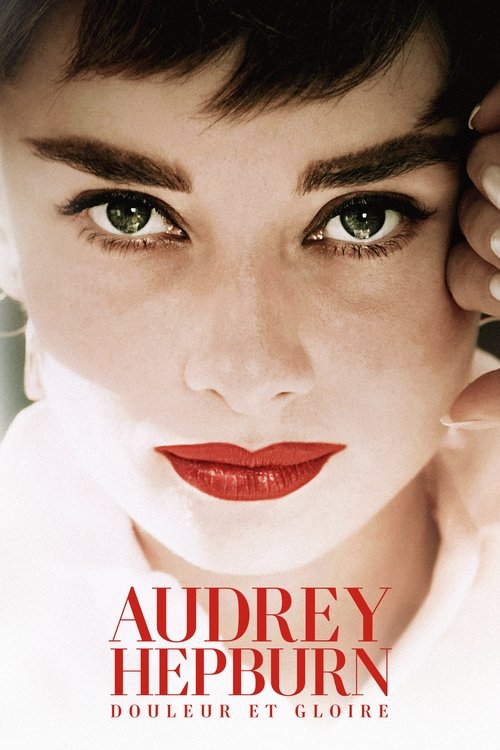
Un regard intime et sans précédent sur la vie, l'œuvre et l'héritage durable de l'actrice britannique Audrey Hepburn (1929-1993).
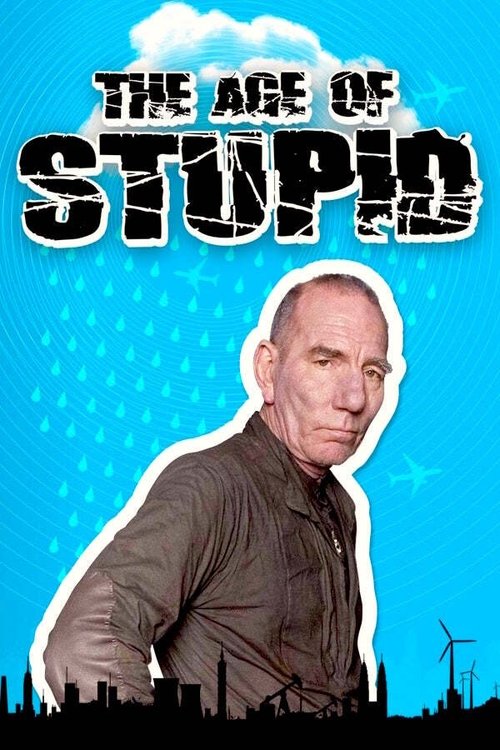
2055, un homme seul en haut d'une tour s'installe devant son ordinateur relié à l'ensemble des archives vidéo du monde. Face au monde dévasté qui l'entoure, il se pose la question suivante : pourquoi n'avons nous pas réagi lorsqu'il était encore temps ? Pour y répondre, il ouvre les archives de 2008.
Documentary about the art of film editing. Clips are shown from many groundbreaking films with innovative editing styles.
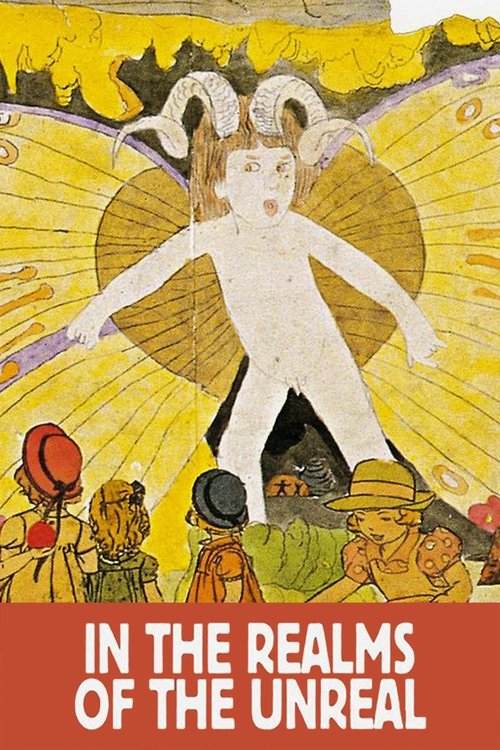
Un documentaire qui explore la vie et l'oeuvre complexe de Henry Derger, artiste légendaire et marginal. Reclus, portier le jour et artiste visionnaire la nuit, Darger est l'auteur d'un roman de 15000 pages qui détaille les exploits des Vivian Girls, sept soeurs qui ont mené la rébellion contre l'esclavage des enfants.
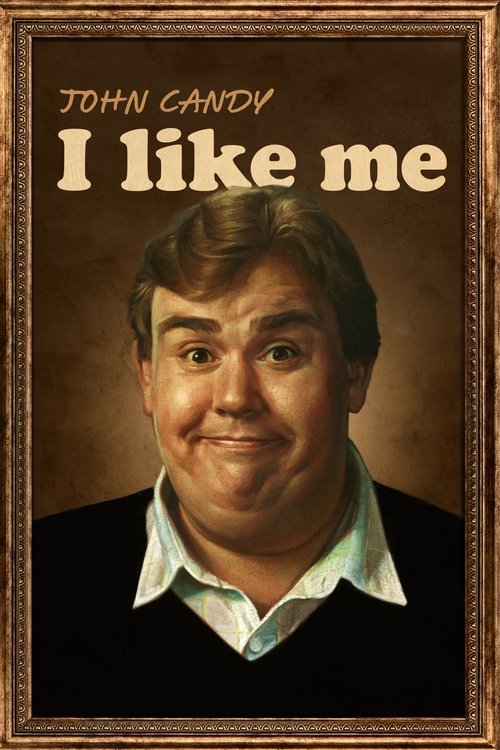
Réalisé par Colin Hanks et produit par Ryan Reynolds, John Candy: I Like Me donne la parole à ceux qui ont le mieux connu John. Ils racontent son histoire à leur façon à travers des films, des photos et des interviews d'archives inédites. C'est un documentaire sur la vie, la carrière et la disparition d'un des acteurs les plus aimés de tous les temps.
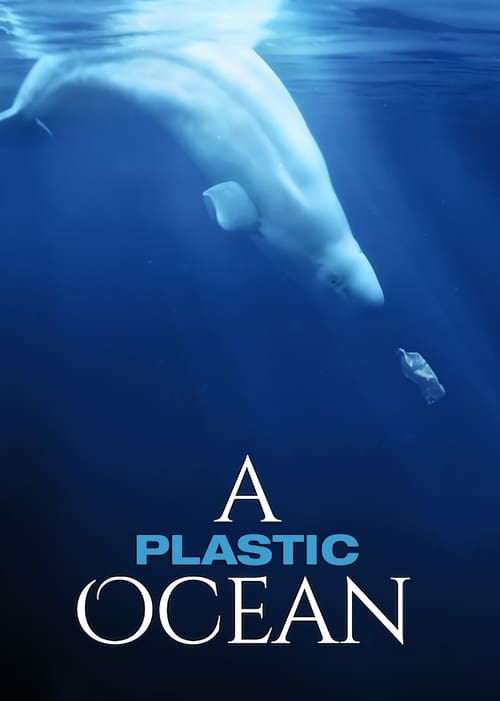
Ce documentaire montre l'amoncellement de débris plastiques flottants dans les océans et met en lumière les conséquences de cette forme de pollution sur l'environnement.
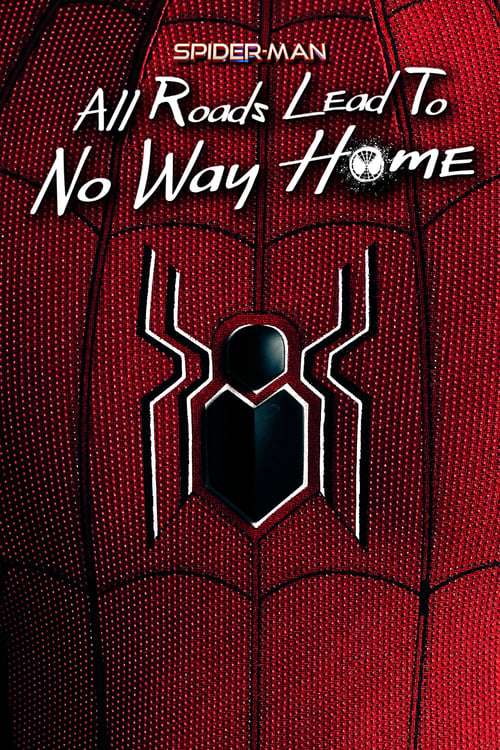
Afin de célébrer les 20 ans de sortie du premier film Spider-Man de Sam Raimi, Sony Pictures a préparé une forme de rétrospective documentaire intitulée Spider-Man : All Roads Lead to No Way Home -- une façon, quelque part de réécrire un peu l'histoire du studio comme si le dernier film produit avec Marvel Studios avait été une évidence depuis le début (ce qui : n'est pas vrai). Pour le plaisir de tout le monde, le studio a mis en ligne le documentaire à disposition de tous et toutes.
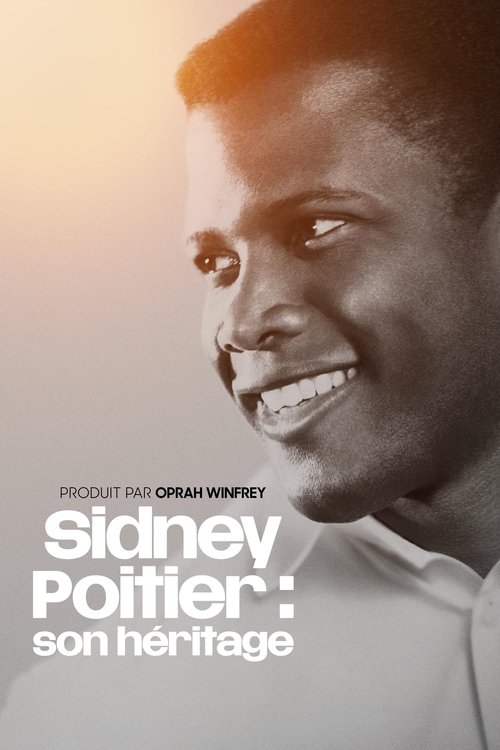
Réalisé par Oprah Winfrey, ce documentaire révélateur rend hommage au légendaire Sidney Poitier, acteur, cinéaste et militant des droits civiques. Découvrez des entretiens avec Denzel Washington, Spike Lee, Barbra Streisand, et bien d'autres.
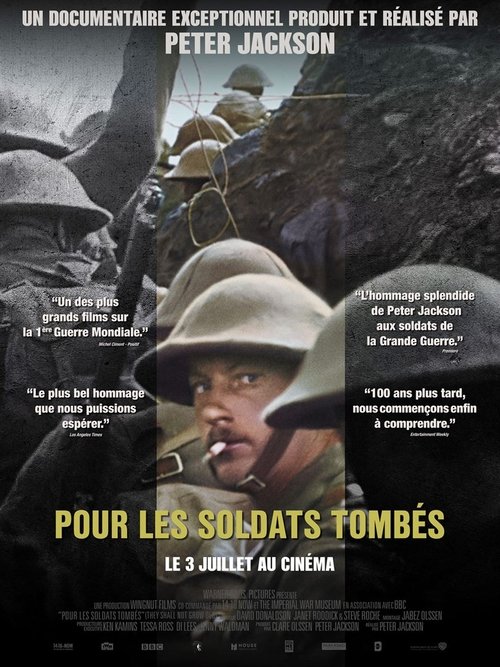
Entre 1914 et 1918, un conflit mondial change à jamais le cours de l’histoire. Les hommes et femmes qui y ont participé ne vivaient pas dans un monde silencieux, en noir et blanc. Un voyage dans le temps pour revivre l‘histoire avec ceux qui y étaient.
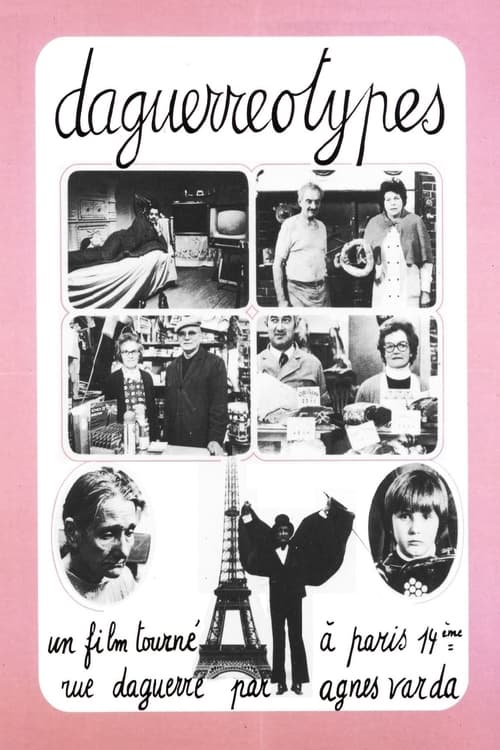
« Daguerréotypes » n'est pas un film sur la rue Daguerre, pittoresque rue du 14e arrondissement, c'est un film sur un petit morceau de la rue Daguerre, entre le numéro 70 et le numéro 90, c'est un document modeste et local sur quelques petits commerçants, un regard attentif sur la majorité silencieuse. C'est un album de quartier, ce sont des portraits stéréo-daguérréotypés. Ce sont des archives pour les archéo-sociologues de l'an 2975.
Connectez-vous pour donner votre avis
Partagez votre opinion avec la communauté.