Tela Preta
Synopsis
- Réalisateur
- Erik Ely
- Langue originale
- anglais
Vous aimerez aussi
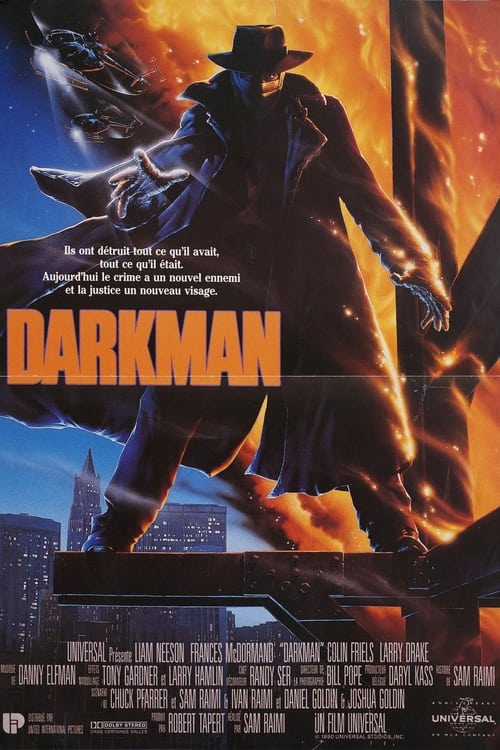
Peyton Westlake, brillant généticien, vient de réaliser la synthèse des cellules de la peau. Sa femme, avocate, a pour client un constructeur immobilier, Louis Strack Jr, dont un document confidentiel vient de lui révéler les agissements douteux. Elle cache le document dans le laboratoire de son mari. Louis Strack Jr envoie des tueurs pour récupérer son bien. Le professeur est laissé pour mort mais il survit a ses horribles blessures. Défiguré, il réussit à se recomposer un visage, mais qui ne tient qu'une heure, afin d'assouvir sa vengeance.
Darkman

Il y a vingt-huit ans, des extraterrestres entrèrent en contact avec la Terre... Ces visiteurs d'au-delà des étoiles étaient des réfugiés et furent installés dans le District 9, en Afrique du Sud, pendant que les nations du monde se querellaient pour savoir quoi en faire... Depuis, la gestion de la situation a été transférée au MNU (Multi-National United), une société privée qui n'a pas grand-chose à faire du sort de ces créatures, mais qui fera d'énormes bénéfices si elle arrive à faire fonctionner leur extraordinaire armement. Jusqu'à présent, toutes les tentatives ont échoué: pour que les armes marchent, il faut de l'ADN extraterrestre. La tension entre extraterrestres et humains atteint son maximum lorsque le MNU commence à évacuer les non-humains du District 9 vers un nouveau camp.
District 9

En 1974, le réalisateur franco-chilien Alejandro Jodorowsky se lance dans le projet chimérique d'adapter au grand écran le roman influent de Frank Herbert, « Dune » (1969). Après avoir investi deux ans et des millions de dollars, ce projet gigantesque se solde par un échec ; mais les artistes réunis par Jodorowsky pour le mener à bien continuent à travailler ensemble et finissent par jeter les bases du cinéma de science-fiction moderne.
Jodorowsky's Dune
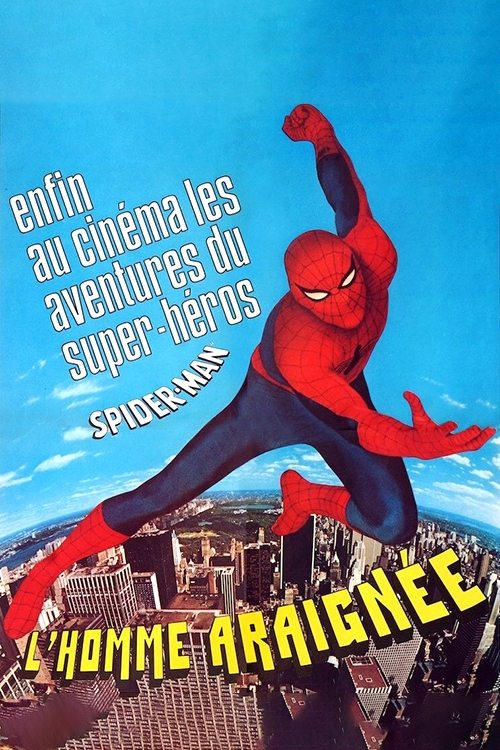
Peter Parker, photographe amateur qui rêve de devenir un reporter de renom, s'adonne à des expériences scientifiques. Un jour, une araignée malencontreusement tombée dans un élément radio-actif, lui pique la main. Cet accident révèle en lui des qualités insoupçonnées...
L'Homme araignée
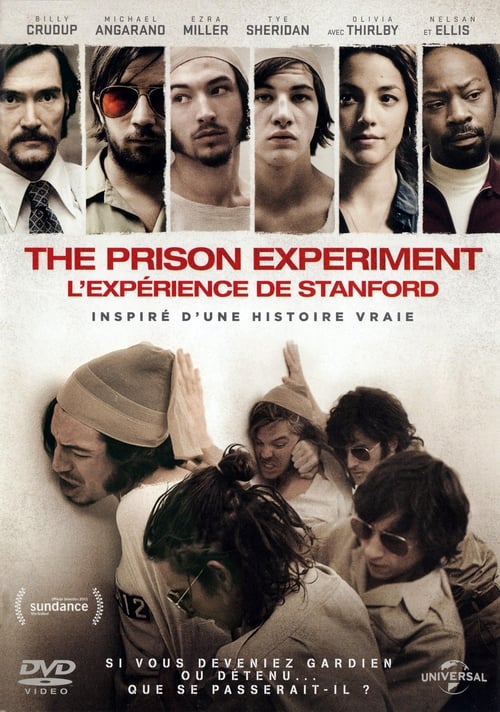
La chronique de la funeste "Expérience de Stanford", une simulation scientifique organisée par l'université américaine en 1971 tentant d'explorer les effets de l'enfermement carcéral sur les prisonniers et leurs geôliers...
The Prison Experiment : L'Expérience de Stanford
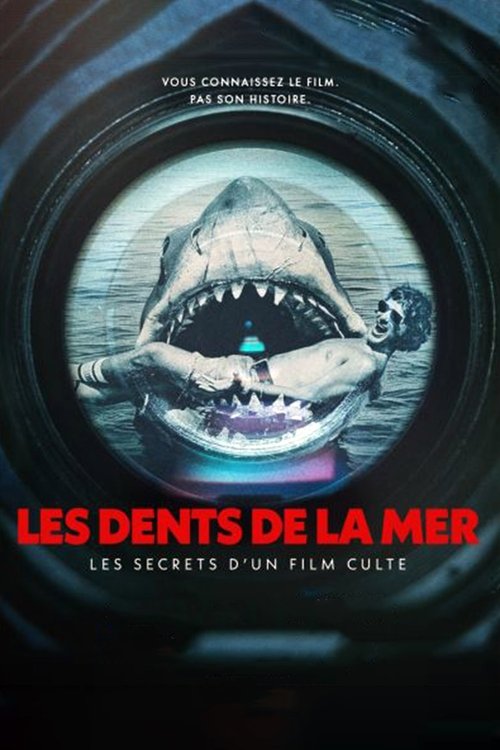
50 ans après sa sortie, ce documentaire célèbre le film qui a redéfini Hollywood et dévoile le chaos qui régnait en coulisses. Composé d'images d'archives rares et d'entretiens avec des réalisateurs hollywoodiens de renom, aux côtés de Steven Spielberg, de scientifiques reconnus spécialisés dans les requins, ainsi que de défenseurs de l'environnement, ce documentaire explique comment le film a lancé le phénomène des blockbusters de l'été, comment il a depuis inspiré une nouvelle vague de cinéastes et comment il a ouvert la voie à la conservation des requins qui perdure encore aujourd'hui.
Les Dents de la mer : Les Secrets d'un film culte
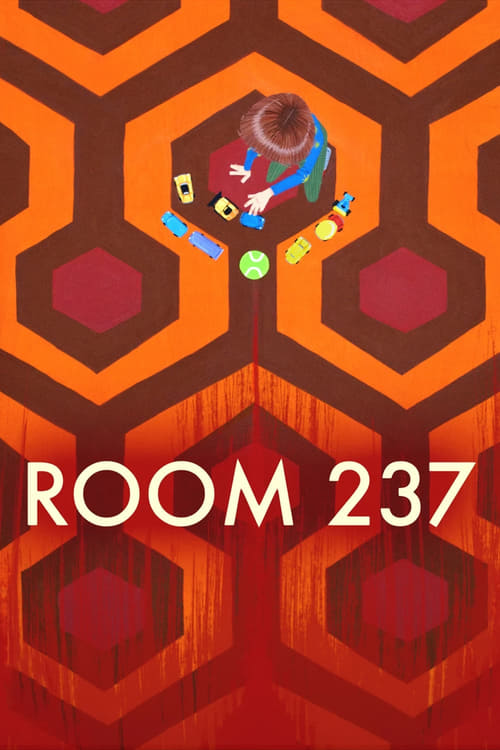
En 1980, Stanley Kubrick signe SHINING, qui deviendra un classique du cinéma d’horreur. A la fois admiré et vilipendé, le film est considéré comme une œuvre marquante du genre par de nombreux experts, tandis que d’autres estiment que Kubrick s’est dévoyé en la réalisant. Mais il y a aussi des fans acharnés qui ont voué leur vie au décryptage des messages cachés de ce film culte… Théories du complot ? Ont ils décrypté les messages secrets de Shining ?
Room 237
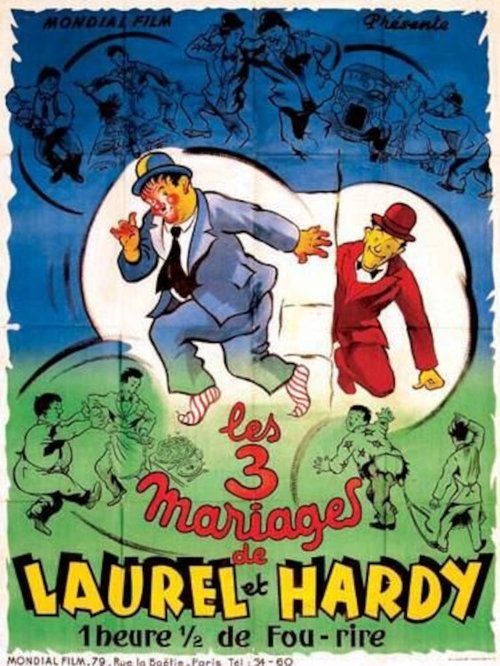
Oliver envisage d'épouser sa très corpulente dulcinée mais le père de celle-ci s'y oppose. Ils décident donc de s'enfuir mais dans une voiture trop petite pour eux. De plus, Oliver a omis de dire que Stan les accompagne. Ce film a été remonté avec les rush de « Quand les poules rentrent au bercail » et distribué en France sous le titre « Les Trois Mariages ».
Laurel et Hardy - Justes noces
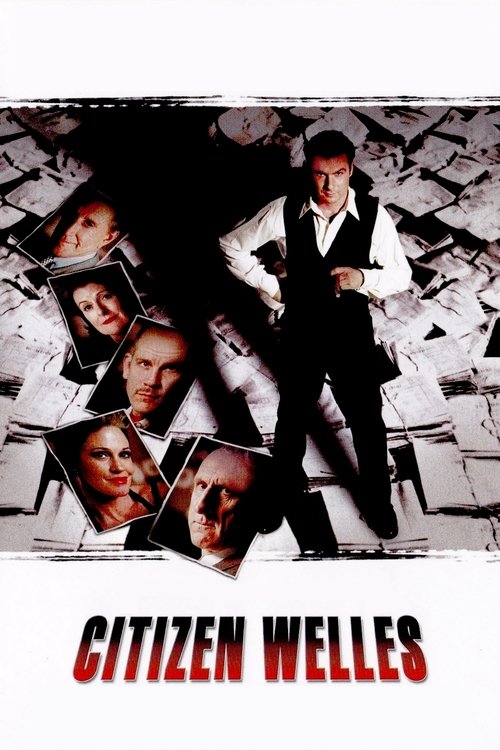
Débarquant à Hollywood en 1940 avec une réputation de génie, grâce au succès de son canular radiophonique « La Guerre des mondes », le jeune Orson Welles n'arrive pas à trouver le sujet de son premier long métrage.
Citizen Welles

Ce documentaire traite du passage de la pellicule au numérique , ceci vu par les réalisateurs et chefs-opérateurs majeurs de l’Histoire du cinéma.
La révolution digitale
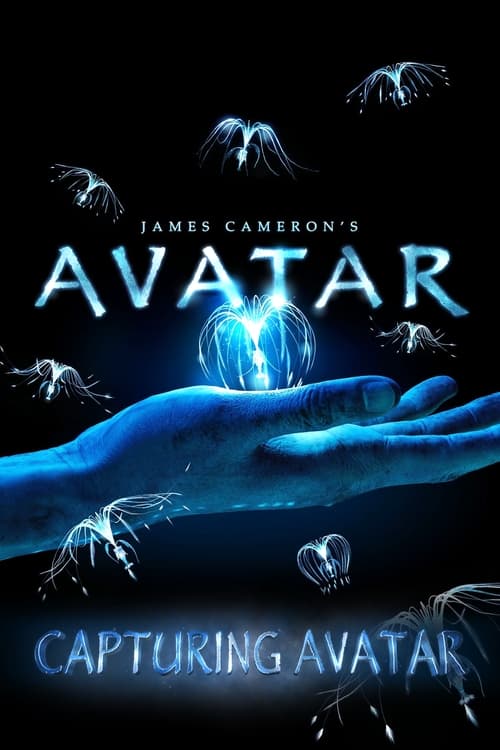
Capturing Avatar is a feature length behind-the-scenes documentary about the making of Avatar. It uses footage from the film's development, as well as stock footage from as far back as the production of Titanic in 1995. Also included are numerous interviews with cast, artists, and other crew members. The documentary was released as a bonus feature on the extended collector's edition of Avatar.
Capturing Avatar
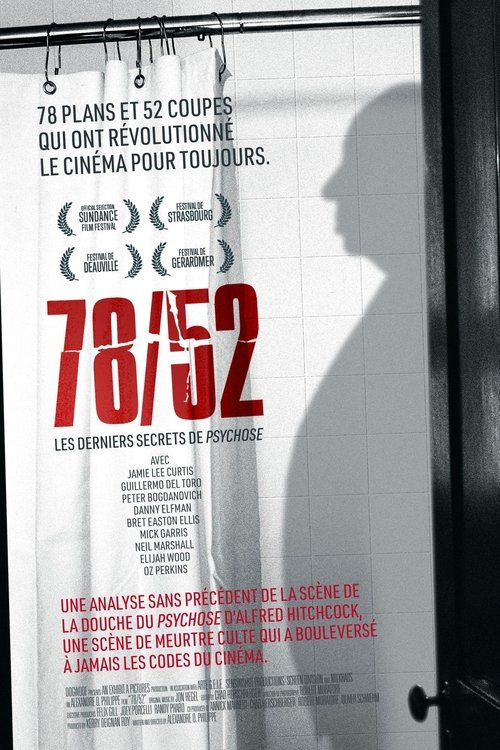
Documentaire au sujet de la conception, le tournage et l'impact de la célèbre scène de la douche du long-métrage « Psychose » dans laquelle le personnage incarné par Janet Leigh est sauvagement assassiné à coups de couteau a traumatisé plusieurs générations de téléspectateurs. Pour obtenir le rendu désiré, Alfred Hitchcock a tourné cette scène de quarante-cinq secondes sur sept jours. Essentiel, le montage, qui comporte 78 plans et 52 coupes, contribue grandement à la violence de la séquence. En perte de repère, le spectateur se met tour à tour dans la position de la victime et du voyeur. Ce documentaire captivant mélange histoire, psychanalyse, sociologie et analyse filmique. Agémenté de témoignages vif et éclairants, c'est une réalisation ludique et rafraichissante.
78-52 : Les Derniers Secrets de Psychose

An atmospheric essay, which is an alternative version of Count Dracula, a film directed by Jess Franco in 1970; a ghostly narration between fiction and reality.
Vampir Cuadecuc
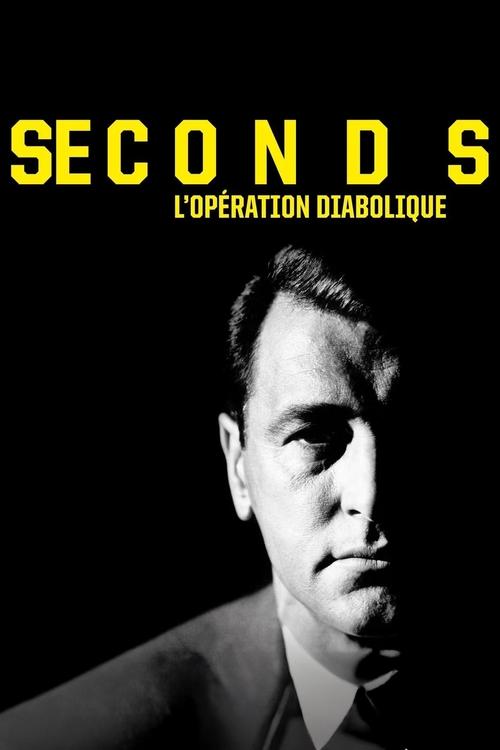
Un homme reçoit un appel d'un ami qu'il pensait décédé. Après lui avoir prouvé qu'il était bien vivant, il lui parle d'une mystérieuse organisation pour personnes riches souhaitant complètement changer d'existence.
L'Opération diabolique
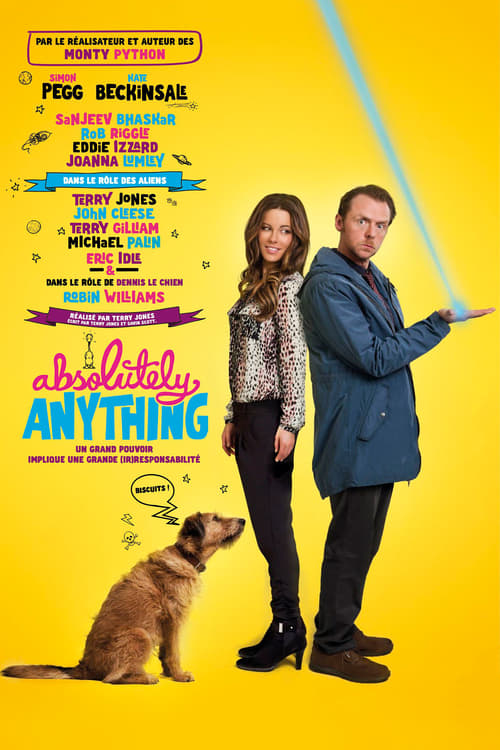
Neil Clarke, un enseignant désenchanté, amoureux de sa voisine du dessous qui sait à peine qu'il existe, se voit attribuer par un conseil extraterrestre le pouvoir de faire absolument tout ce qui lui passe par la tête. Neil l'ignore mais la manière dont il va se servir de ce nouveau pouvoir va dicter le destin de l'humanité. Un seul faux pas de sa part et les extraterrestres anéantiront la planète Terre.
Absolutely Anything
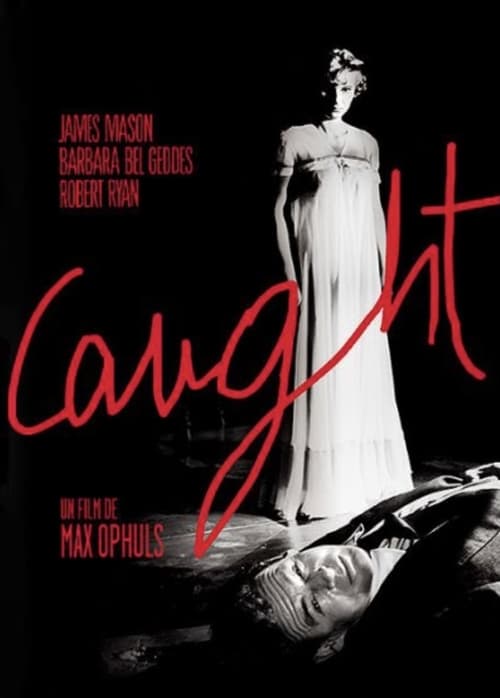
Leonara ( Barbara Bel Geddes) est persuadée que la clé du bonheur dans la vie est de trouver un mari très riche. Elle épouse un magnat célèbre, Smith Ohlrig (Robert Ryan), qui petit à petit, l'enferme dans une cage dorée. Insidieusement, leur relation se dégrade, Ohlrig considérant Leonara d'avantage comme une employée que comme une épouse. Déçue, blessée, elle s'enfuit, trouve un emploi de secrétaire pour un modeste pédiatre incarné par James Mason ...
Pris au piège
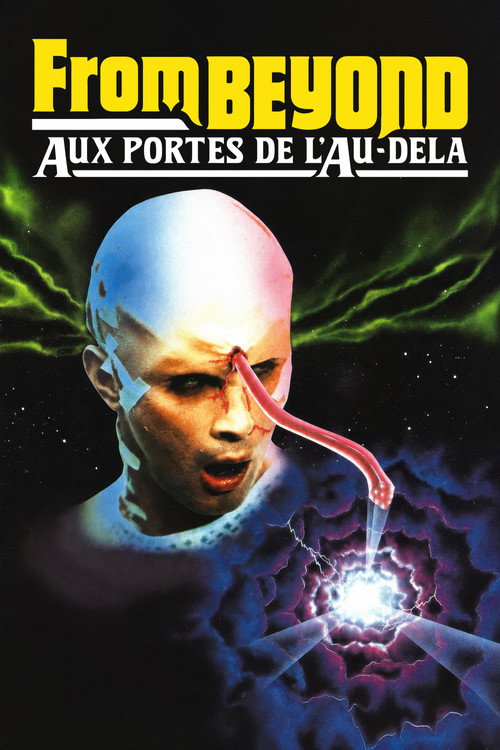
Le Docteur Prétorius vient d'inventer une machine qui en stimulant la glande pinéale permet d'ouvrir une porte sur l'Au-delà. Durant l'expérience, une créature décapite le professeur. Son assistant, Crawford, témoin de la scène est accusé du meurtre et interné en hôpital psychiatrique. Sa thérapeute, Katherine McMichaël, convainc la police de laisser Crawford tenter de nouveau l'expérience, en présence d'un policier, Bubba. Le résonateur fait apparaître un Prétorius hideux et entreprenant mais bien vivant. La reprise des essais révèle que l'invention donne accès à une autre dimension...
Aux portes de l'Au-delà
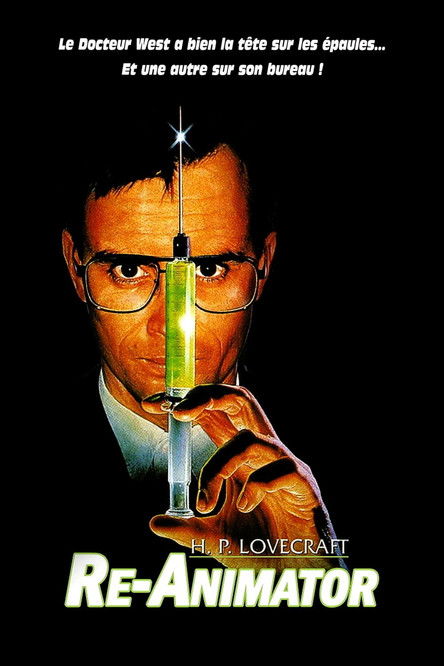
À l'université d'Arkham, Massachusetts, Herbert West, étudiant diplômé, a trouvé le moyen de redonner vie aux personnes récemment décédées, il réussit à réanimer des tissus morts, en expérimentant un liquide vert lumineux qu'il a lui-même conçu. Mais le sérum ne donne pas les résultats escomptés, les morts sont incontrôlables et difficiles à maîtriser.
Re-Animator
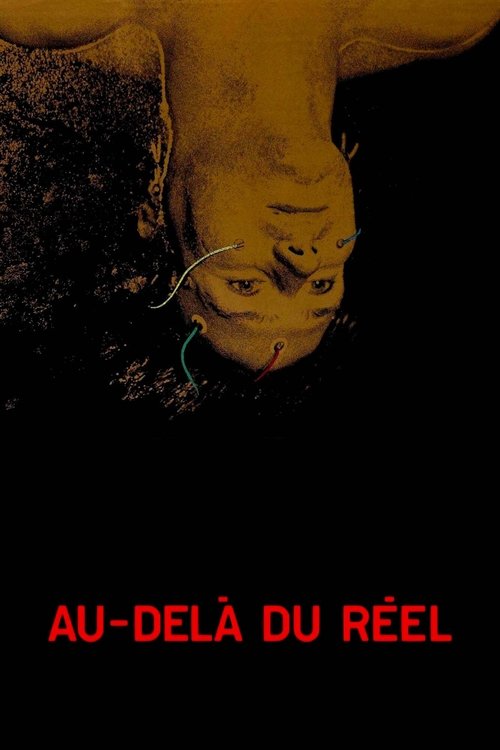
Edward Jessup, chercheur à l'Université de Cornell, absorbe des hallucinogènes afin d'en étudier les effets. Des fantasmes liés à son enfance l'entraînent dans une quête de son identité. C'est entièrement métamorphosé qu'il ressurgira de cet univers.
Au-delà du réel

Jack Griffin, un scientifique, a trouvé le moyen de devenir invisible. Soucieux de trouver la formule qui lui permettra un retour à la normale avant d'annoncer sa découverte, il s'enroule le visage de bandeaux et se retire dans l'auberge d'un village isolé. Son aspect étrange ainsi que son comportement attirent la curiosité des gens et l'empêchent de travailler. Agacé, Griffin cherche à effrayer les villageois et se sert de son pouvoir à des fins de plus en plus malintentionnées...
L'Homme invisible
Avis & Notes
Connectez-vous pour donner votre avis
Partagez votre opinion avec la communauté.