Cuando despierta el Pueblo
Synopsis
- Réalisateurs
- Andrés Racz, Alfonso Beato
- Langue originale
- espagnol
- Pays
- Chile
Vous aimerez aussi
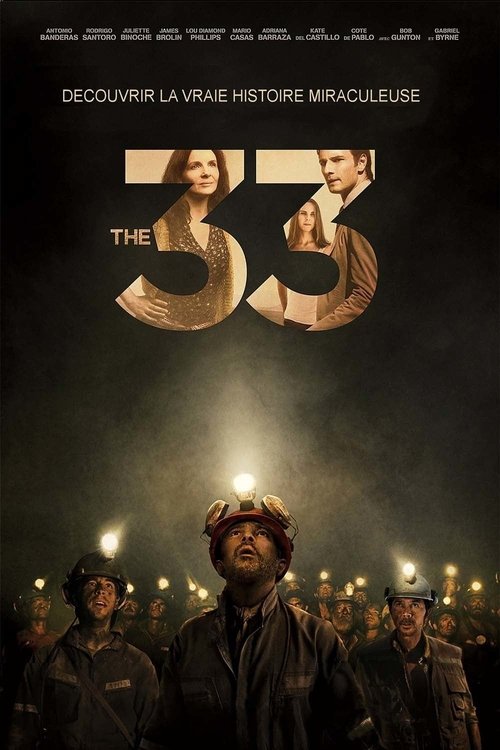
Le 5 août 2010 au Chili, suite à un effondrement dans une mine de cuivre et d'or, 33 personnes se retrouvent coincées dans les décombres. Réfugiés dans un abri à 700 mètres de profondeur, ces mineurs attendent que des équipes de secours viennent les récupérer. L'attente sera interminable et le périple durera 69 jours...
Les 33

L’ascension et la chute du chanteur de salsa Héctor Lavoe (1946-1993), racontées du point de vue de sa femme Puchi, qui, en 2002, revient sur leur histoire.
El Cantante
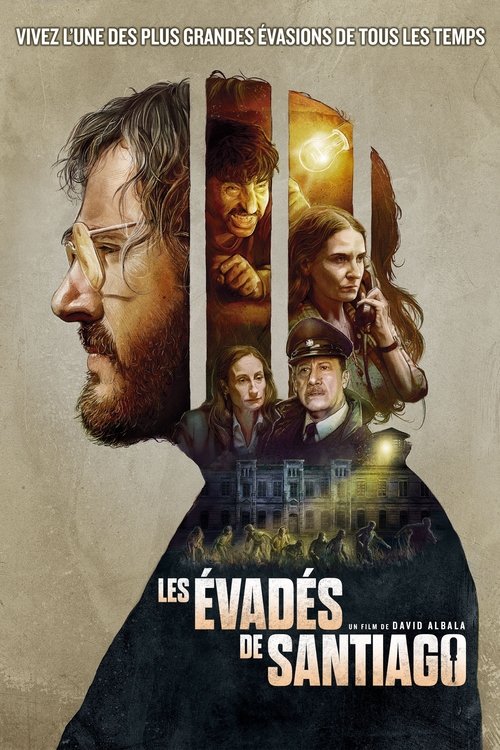
Inspiré de faits réels, le film relate l'évasion spectaculaire de 49 détenus d'une prison au Chili, un mois avant la fin de la dictature d'Augusto Pinochet.
Les évadés de Santiago
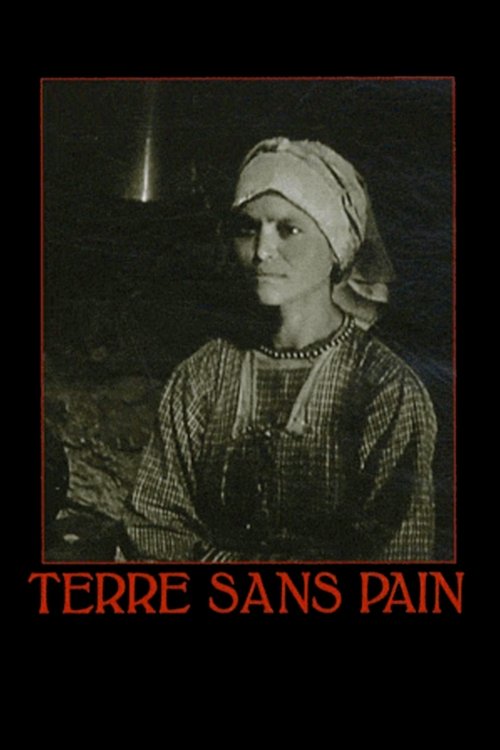
Seul film documentaire de Luis Buñuel, tourné en 1932 dans la région de Las Hurdes (Estrémadure), à partir de la thèse ethnographique de Maurice Legendre, directeur de l'Institut Français de Madrid, « Las Jurdes : étude de géographie humaine » (1927), « Terre sans pain » ne fut sonorisé qu’en 1937 puis en 1996 lorsque Buñuel décida de diffuser une version non censurée du film avec son producteur Pierre Braunberger. Remarquable par son sujet, la misère en milieu rural, peu traité à l’époque, par son montage (fait par Buñuel « sur une table de cuisine, à Madrid »), l'usage du gros plan, de la piste sonore et par la place assignée au spectateur par le film, le film continue à surprendre aujourd’hui encore.
Terre sans pain
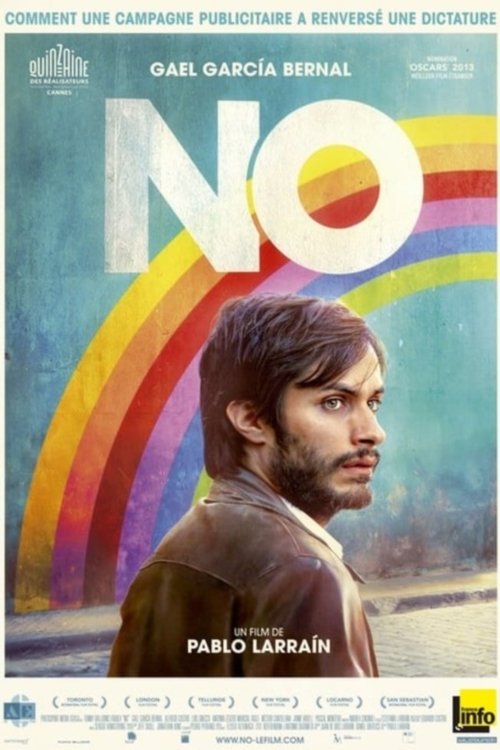
Chili, 1988. Lorsque le dictateur chilien Augusto Pinochet, face à la pression internationale, consent à organiser un référendum sur sa présidence, les dirigeants de l’opposition persuadent un jeune et brillant publicitaire, René Saavedra, de concevoir leur campagne. Avec peu de moyens, mais des méthodes innovantes, Saavedra et son équipe construisent un plan audacieux pour libérer le pays de l’oppression, malgré la surveillance constante des hommes de Pinochet.
No
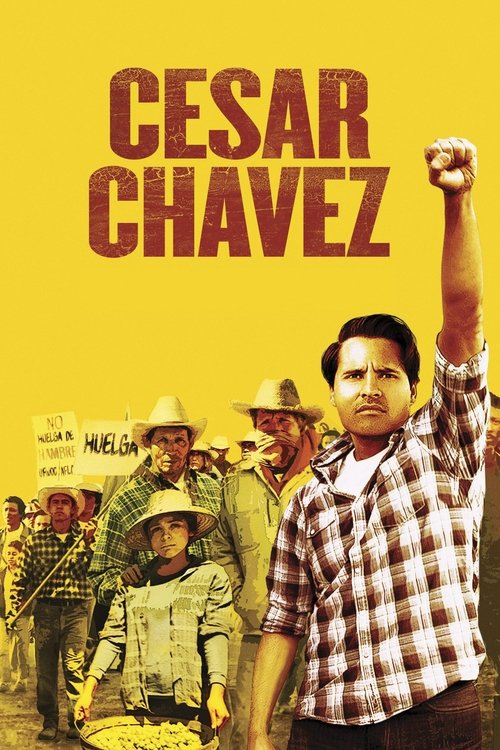
Le biopic de l'activiste américain et icône populaire Cesar Chavez. Sa lutte pour la reconnaissance des travailleurs agricoles et pour les conditions de vie des émigrés mexicains travaillant sur le sol américain, les "chicanos".
Cesar Chavez
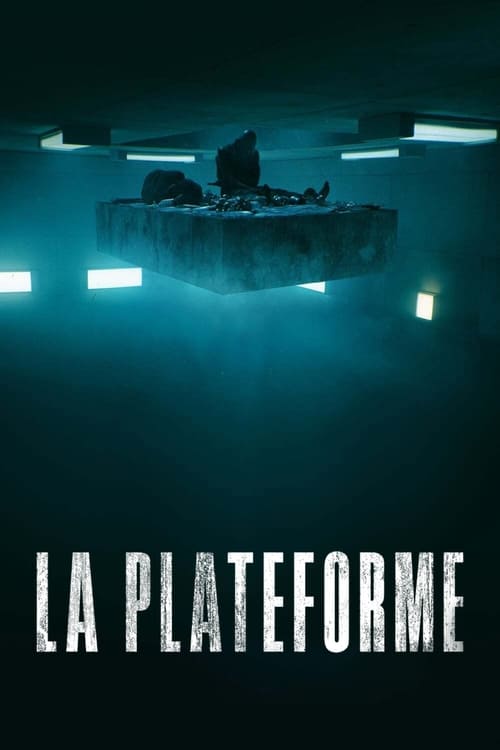
Une plateforme de nourriture descend d'étage en étage pour ravitailler les résidents d'une tour. Ceux du dessus se gavent, affamant ceux du dessous. La révolte gronde.
La Plateforme

In Santiago, Chile, the schoolteacher Luisa proposes a debate about sex with the parents of her students with the intention of giving classes about sex education to the youngsters.
Sex with Love

X arrives in a small town and witnesses a violent act; Z takes the job of a dead manager and discovers that he had a notebook written in code and a map; H is hired to go down a river and investigate a series of mysterious monoliths built on the shore.
Extraordinary Stories

Wenxiu est une jeune citadine dont le destin a basculé dès qu’elle a pris la route pour la campagne. Dans les régions pastorales désolées du Tibet, Wenxiu vit sous la tente du vieux Jin. Mais les événements prennent une tournure inattendue. Wenxiu, incapable de supporter la vie dans le désert, cherche à obtenir une place pour retourner en ville. C’est précisément pour cette place qu’elle se fie à tort aux promesses d’un agent commercial. Ce n’est qu’après avoir perdu sa virginité qu’elle se rend compte qu’il s’agit d’une supercherie. Pourtant, pour avoir une chance de retourner en ville, elle sacrifie son corps et devient l’objet des abus de tous.
Xiu Xiu

Marina et Orlando, de vingt ans son aîné, s'aiment loin des regards et se projettent vers l'avenir. Lorsqu'il meurt soudainement, Marina subit l’hostilité des proches d'Orlando : une "sainte famille" qui rejette tout ce qu'elle représente. Marina va se battre, avec la même énergie que celle dépensée depuis toujours pour devenir la femme qu'elle est : une femme forte, courageuse, digne ... une femme fantastique !
Une femme fantastique
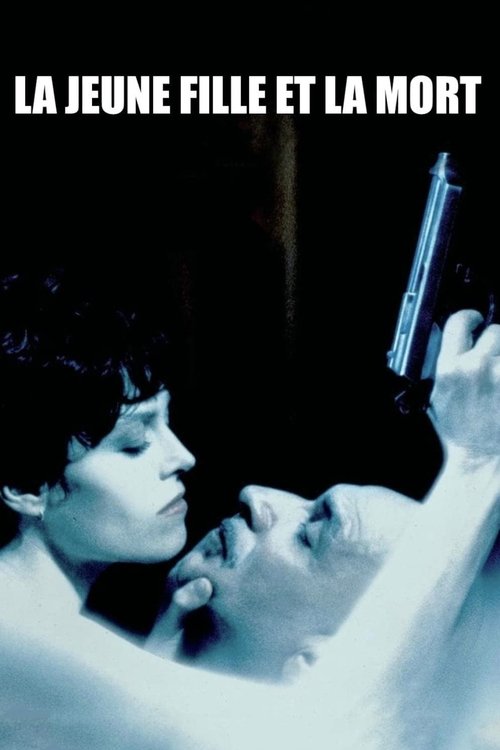
Dans un État d'Amérique du Sud. Paulina Escobar assiste à un concert de Schubert. L'orchestre interprète «La jeune fille et la mort», un morceau qu'elle déteste. De retour chez elle, Paulina attend le retour de son mari Gerardo, un juriste. Elle apprend par la radio qu'il a accepté de parrainer la commission d'enquête chargée de faire le point sur les exactions du régime militaire qui, voici peu, gouvernait le pays. Bientôt, Gerardo arrive, accompagné d'un voisin qui l'a dépanné. L'intrusion de ce dernier, a priori anodine, perturbe pourtant gravement Paulina. Non sans raison : elle croit en effet reconnaître le médecin qui jadis la tortura...
La Jeune Fille et la Mort

A la fin des années soixante, sur la côte Ouest, le commerce des stupéfiants connaît un véritable essor. C'est dans ce contexte que George Jung, un Américain moyen, souhaite mener une vie trépidante et divertissante. George voyage alors en Californie, Etat du soleil et de la nonchalance. La marijuana étant lucrative et facile à revendre, il compte tirer profit de ce commerce florissant. Avec un sens inné des affaires et la complicité de Barbara et Derek Foreal, il met sur pied le premier réseau californien de drogues douces. La soif de richesse le gagne rapidement, mais la réalité le freine aussi vite: il est arrêté et mis en prison. Derrière les barreaux, il fait la connaissance de Diego Delgado, un détenu qui se vante d'être régulièrement en contact avec d'importants trafiquants colombiens. Diego lui prouve qu'il ne mentait pas et le présente à Pablo Escobar, chef du cartel de Medelin.
Blow
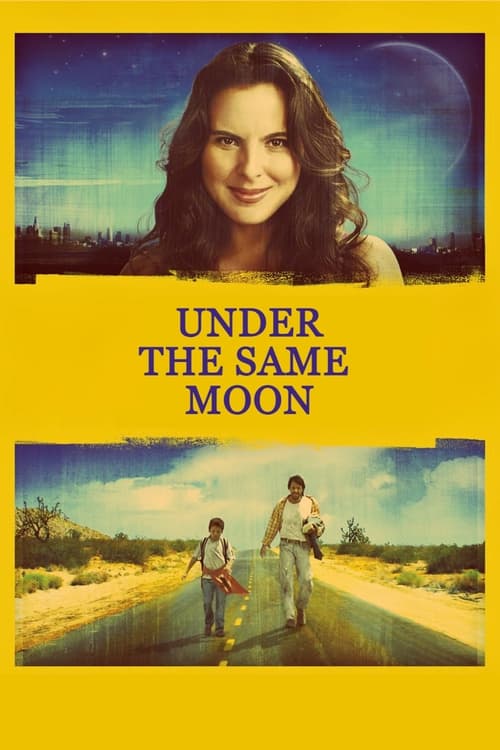
Tells the parallel stories of nine-year-old Carlitos and his mother, Rosario. In the hopes of providing a better life for her son, Rosario works illegally in the U.S. while her mother cares for Carlitos back in Mexico.
Under the Same Moon
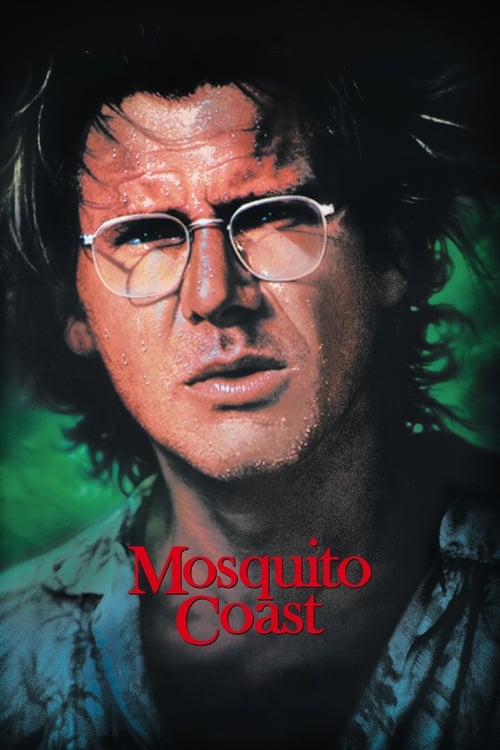
Un Américain inventif, las de la civilisation, décide de partir au Honduras pour y créer un monde nouveau. Il entraîne avec lui sa famille récalcitrante.
Mosquito Coast
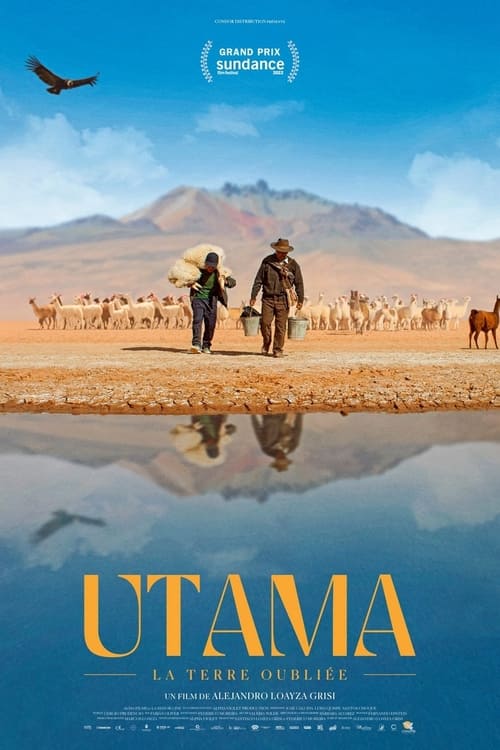
Dans l'altiplano bolivien, Virginio et Sisa, un couple âgé de Quechuas qui mène une vie tranquille depuis des années, sont confrontés à un dilemme impossible pendant une sécheresse exceptionnellement longue : résister ou être vaincu par l'environnement hostile et le passage implacable du temps.
Utama : la terre oubliée
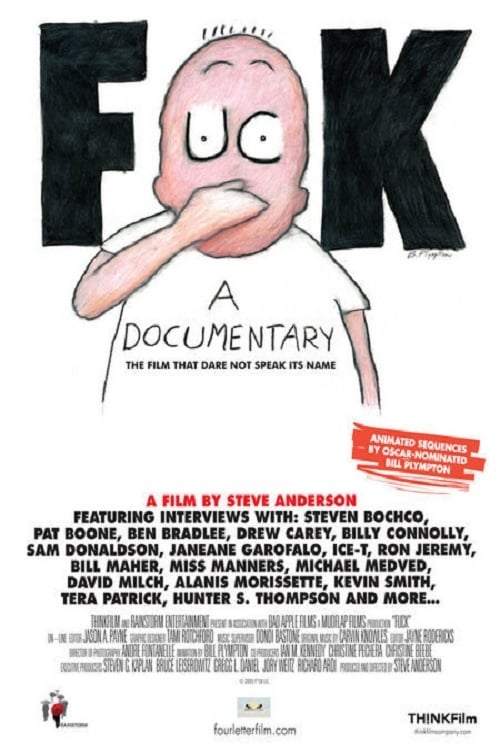
A documentary on the expletive's origin, why it offends some people so deeply, and what can be gained from its use.
Fuck

Après des années sous les projecteurs, Selena Gomez atteint une célébrité inimaginable. Mais au moment où elle atteint un nouveau sommet, un tournant inattendu l'entraîne dans l'obscurité. Ce documentaire unique, brut et intime, retrace son voyage de six ans vers une nouvelle perspective.
Selena Gomez: My Mind & Me

Paris, automne 1977. Après quatre ans d'absence, la cantatrice Maria Callas envisage un retour sur scène. Et ce, malgré sa voix déclinante, aggravée par sa prise excessive de médicaments et son refus de s'alimenter. Refusant obstinément de voir un médecin, la diva gréco-américaine préfère accorder une entrevue à un aspirant cinéaste. L'entretien donne ainsi l'occasion à Maria de revisiter les moments charnières de sa vie. À commencer par son adolescence en Grèce occupée, alors que sa mère entremetteuse l'obligeait à chanter pour des officiers SS. Jusqu'à son histoire d'amour avec l'armateur Aristote Onassis, qui se soldera par le départ de ce dernier avec la veuve du président américain John F. Kennedy.
Maria
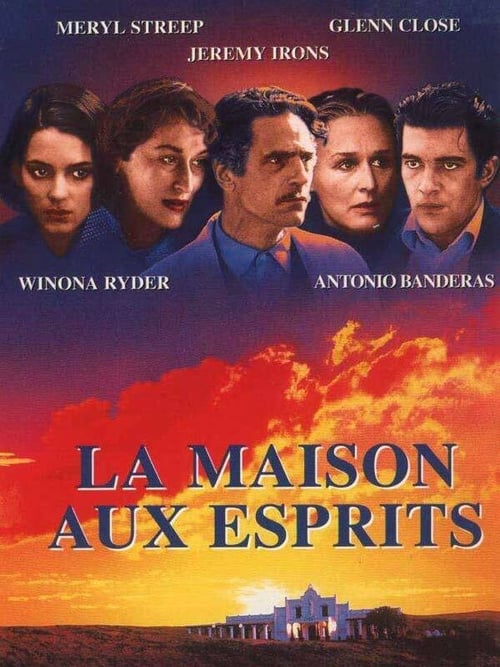
Dans l'Amérique du Sud des années 20, un riche propriétaire terrien, Esteban Trueba, épouse Clara, une jeune femme dotée d'étranges pouvoirs et du don de divination. La popularité politique d'Esteban s'accroit et il voit sa famille se déstabiliser. L'éclatement politique du début des années 70, achève de les séparer, brisant les espoirs de bonheur de sa fille.
La Maison aux Esprits
Avis & Notes
Connectez-vous pour donner votre avis
Partagez votre opinion avec la communauté.