"Wir machen unsere Filme selbst" Arbeiterfilm im Deutschland der zwanziger Jahre

Synopsis
Vous aimerez aussi
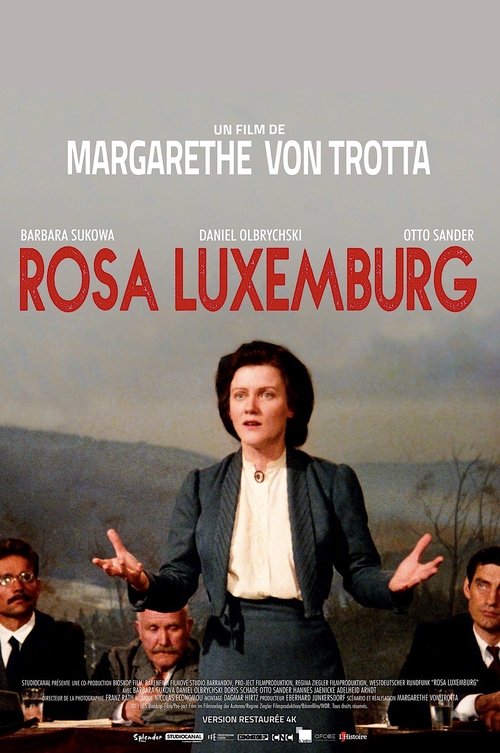
En décembre 1917, à la prison de Wronke, Rosa Luxembourg se souvient : 1906, déjà en prison, à Varsovie, l'exécution d'hommes dans la cour, son propre interrogatoire. 1899, Berlin : ses retrouvailles avec Léo Jogiches, son camarade de combat, son compagnon dans la vie. Lors de la soirée du jour de l'an, elle le présente aux dirigeants de la social-démocratie August Bebel, Karl Kautsky, mais évite le révisionniste Bernstein. 1910, Berlin : après une longue période d'activité révolutionnaire coupée d'emprisonnements en Pologne et en Allemagne, elle retrouve son amie Luise Kautsky. Puis, Léo arrive de Varsovie. Meetings et discussions théoriques de plus en plus vives s'enchaînent. L'amour et la politique s'emmêlent...
Rosa Luxembourg
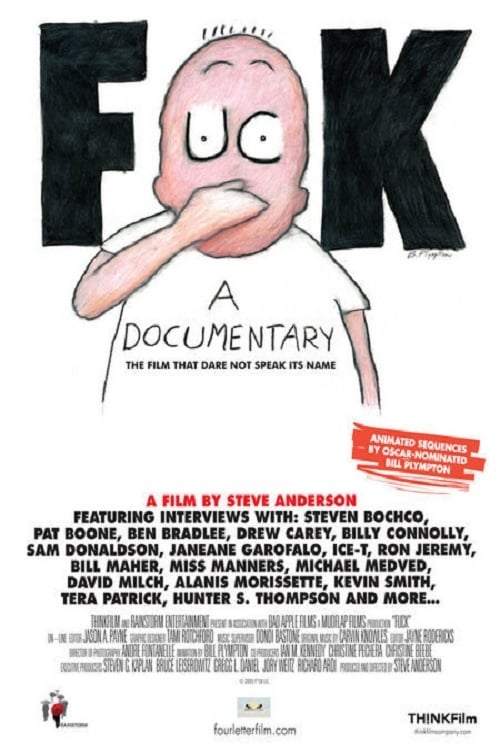
A documentary on the expletive's origin, why it offends some people so deeply, and what can be gained from its use.
Fuck

Waad al-Kateab est une jeune femme syrienne qui vit à Alep lorsque la guerre éclate en 2011. Sous les bombardements, la vie continue. Waad tombe amoureuse, se marie avec Hamza et donne naissance à sa fille, Sama. Elle filme au quotidien les pertes, les espoirs et la solidarité du peuple d’Alep. Son mari médecin sauve des centaines de vies dans un hôpital de fortune. Le couple est déchiré entre la protection de leur enfant et leur combat pour la liberté.
Pour Sama

"Chef d'œuvre de haine, de vanité provocante, d'orgueil démoniaque, mais chef-d'œuvre tout de même." - Riefenstahl utilise le langage cinématographique pour glorifier et mythifier le sujet : contre-plongées héroïques, contre-champ nombreux de spectateurs (soldats, militants et "civils") enthousiastes. Le cadrage de la foule, lors de travellings ne permet pas un décompte exact. Travellings circulaires lors des discours et très grands plans lors des parades. - La séquence d'ouverture fait d'Hitler un dieu descendu des cieux pour sauver le peuple allemand. "Un dieu nouveau descendant du Walhalla", selon Mitry qui reprend l'analyse de Sadoul:("L'avion du nouveau Messie se posait à Nuremberg.") qui, plus loin, parle de "pompeuse déification wagnérienne". Ferro évoque "l'avion du Führer qui descend du ciel tel le démiurge"
Le Triomphe de la volonté
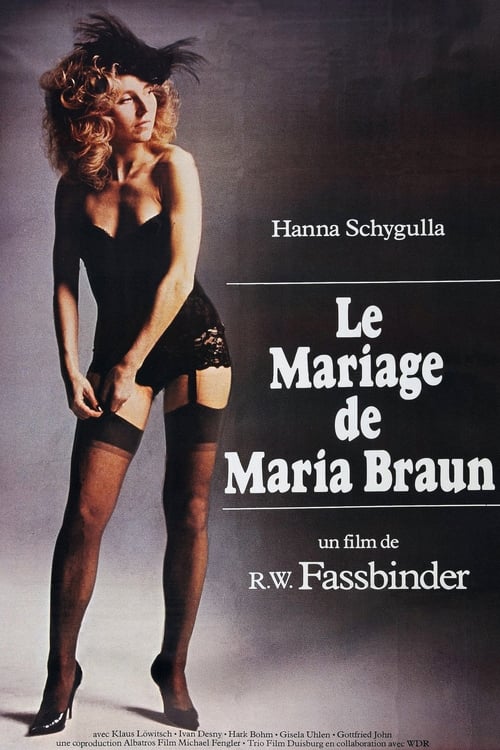
Maria et Herman ont connu un bonheur éphémère durant la guerre. Maria, devenue entraîneuse, se raccroche à la pensée de l'être aimé. Lorsqu'il réapparaît, elle tue son amant et Herman s'accuse du meurtre.
Le Mariage de Maria Braun
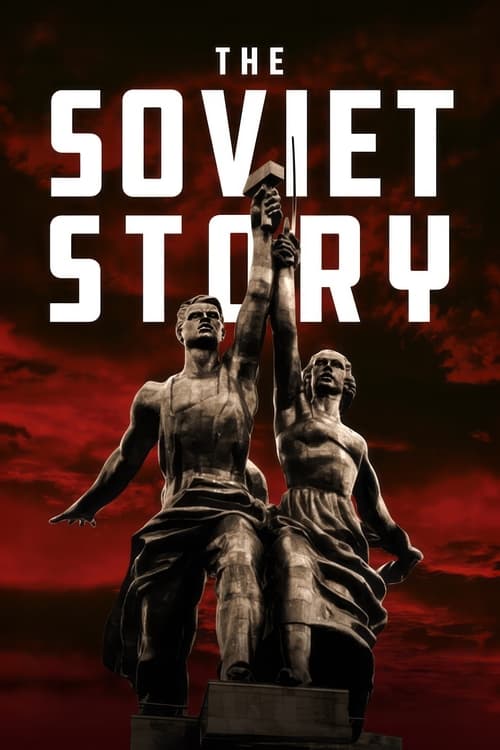
“The Soviet Story” is a story of an Allied power, which helped the Nazis to fight Jews and which slaughtered its own people on an industrial scale. Assisted by the West, this power triumphed on May 9th, 1945. Its crimes were made taboo, and the complete story of Europe’s most murderous regime has never been told. Until now...
The Soviet Story
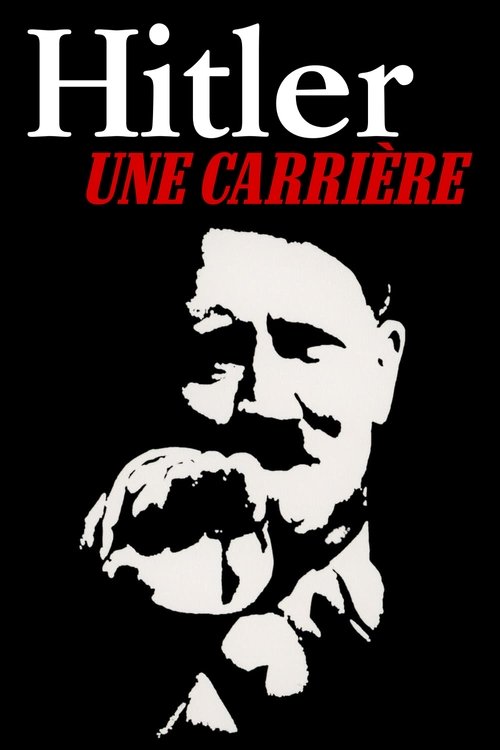
Inspiré du best-seller de l’historien Joachim C. Fest, ouvrage de référence absolu, ce documentaire est uniquement composé d’images d’archives et d’un commentaire fidèle à l’œuvre monumentale de Fest. Il permet de comprendre comment un homme a pu conduire un peuple à commettre l’irréparable et à plonger le monde dans l’horreur…
Hitler, une carrière
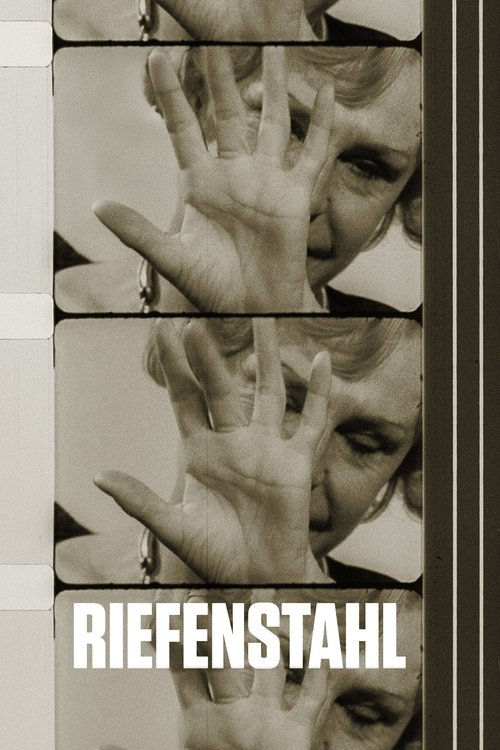
Explore l'héritage artistique de Leni Riefenstahl et ses liens complexes avec le régime nazi, en juxtaposant son autoportrait avec des preuves suggérant une conscience des atrocités du régime.
Leni Riefenstahl, la lumière et les ombres
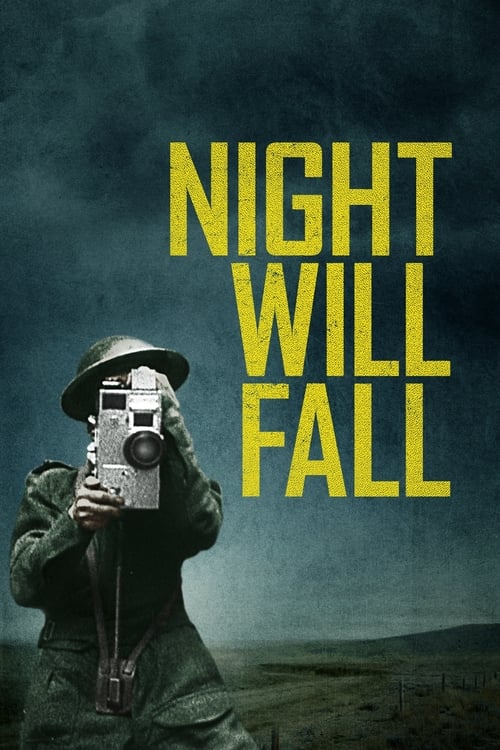
En 1945, le cinéaste Alfred Hitchcock est engagé pour superviser le montage d'un documentaire produit par l'armée britannique sur la libération des camps de concentration nazis. Un film qui était destiné à montrer au peuple allemand les atrocités qui avaient été commises en son nom par les nazis. Une fois le film terminé, celui-ci fut cependant enterré pour des raisons politiques et jamais diffusé. Il fut alors simplement déposé à l'Imperial War Museum, à Londres, où dans les années 1980, les pellicules y ont été redécouvertes par un chercheur américain. Le film a fait l'objet d'une restauration complète respectant les choix du cinéaste. "Night Will Fall" retrace l’histoire de ce film pas fini, qui était connue longtemps sous le nom "The missing Hitchcock"...
Images de la libération des camps. Chronique d’un film inachevé
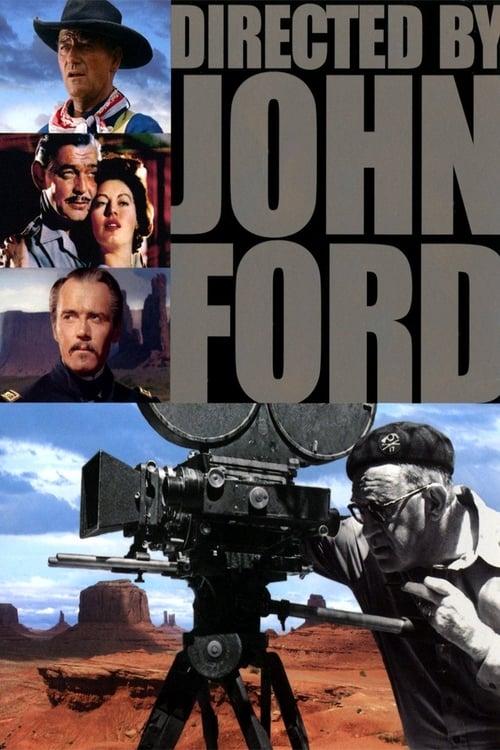
Un documentaire sur la vie et les films du réalisateur John Ford...
Directed by John Ford
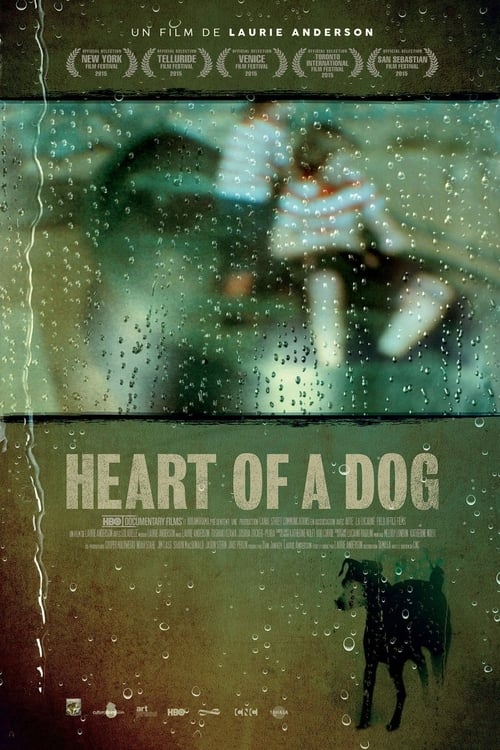
Centré sur le bien-aimé terrier de Laurie Anderson, sa chienne Lolabelle, qui est décédée en 2011, Heart of a Dog est un essai qui mêle souvenirs d’enfance, journal intime en vidéo, rêveries autour de la collecte de données, de la culture de surveillance, de la conception bouddhiste de la vie après la mort, et des hommages chaleureux aux artistes, musiciens et penseurs qui l’ont inspirée.
Heart of a Dog
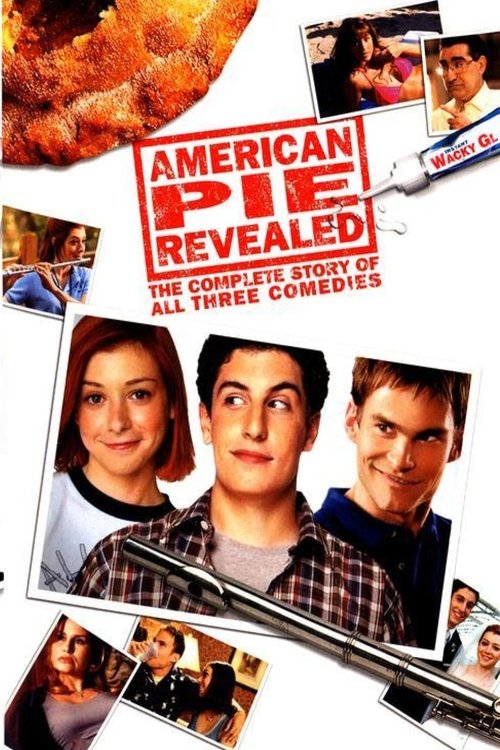
Documentary about the making of American Pie (1999), American Pie 2 (2001) and American Wedding (2003).
American Pie: Revealed
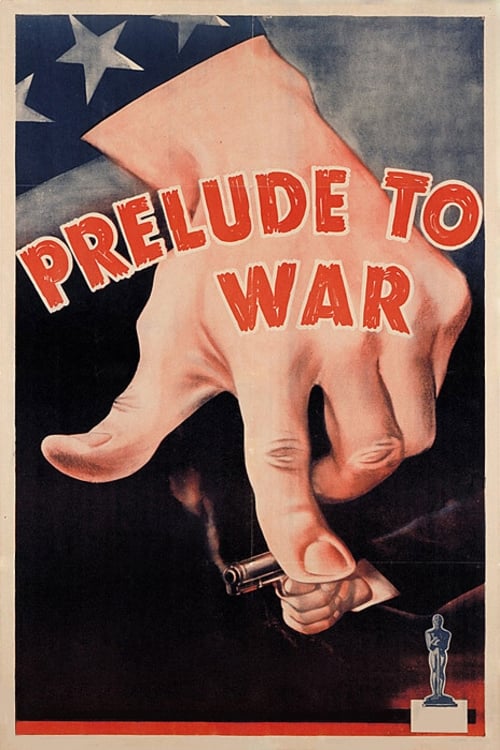
Oscar® du meilleur documentaire en 1943, ce film est le premier de la série Pourquoi nous combattons produite par le Département de la Guerre américain. L’objectif est de décrire et d’expliquer les événements qui ont poussé les États-Unis à entrer en guerre. Les systèmes totalitaires et répressifs allemands, italiens et japonais sont décryptés et opposés à la grande puissance démocratique des États-Unis.
Pourquoi nous combattons : Prélude à la guerre

2055, un homme seul en haut d'une tour s'installe devant son ordinateur relié à l'ensemble des archives vidéo du monde. Face au monde dévasté qui l'entoure, il se pose la question suivante : pourquoi n'avons nous pas réagi lorsqu'il était encore temps ? Pour y répondre, il ouvre les archives de 2008.
L'âge de la stupidité
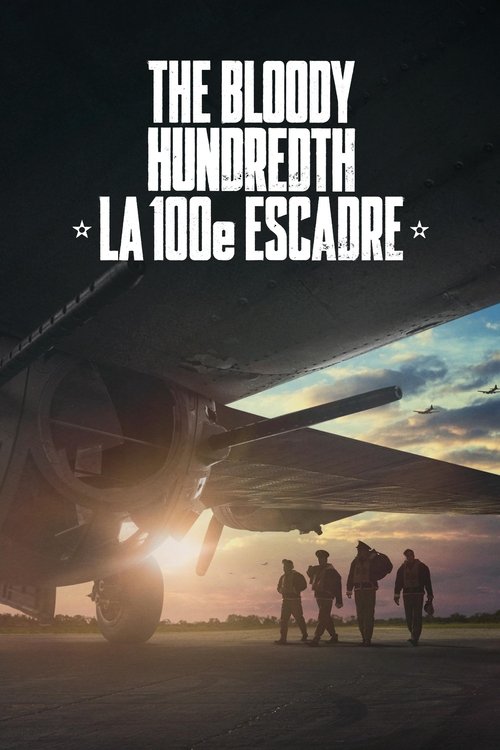
Rencontrez les vrais aviateurs ayant inspiré Masters of the Air à travers leur récit poignant et marquant sur le 100e groupe de bombardement.
The Bloody Hundredth : la 100e escadre
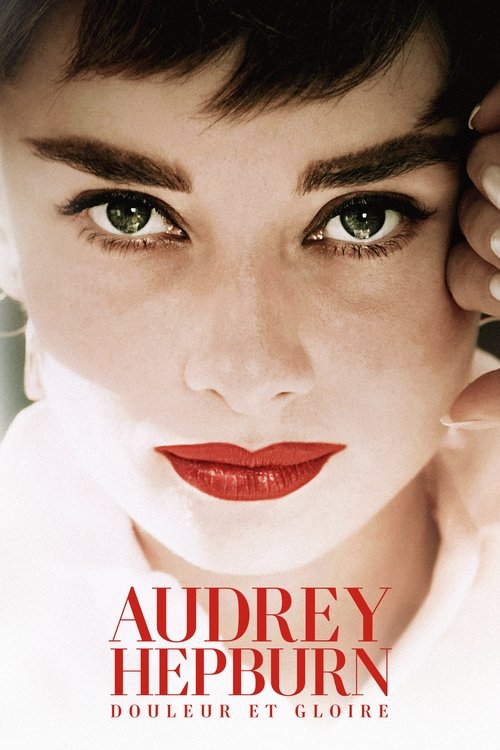
Un regard intime et sans précédent sur la vie, l'œuvre et l'héritage durable de l'actrice britannique Audrey Hepburn (1929-1993).
Audrey Hepburn : douleur et gloire
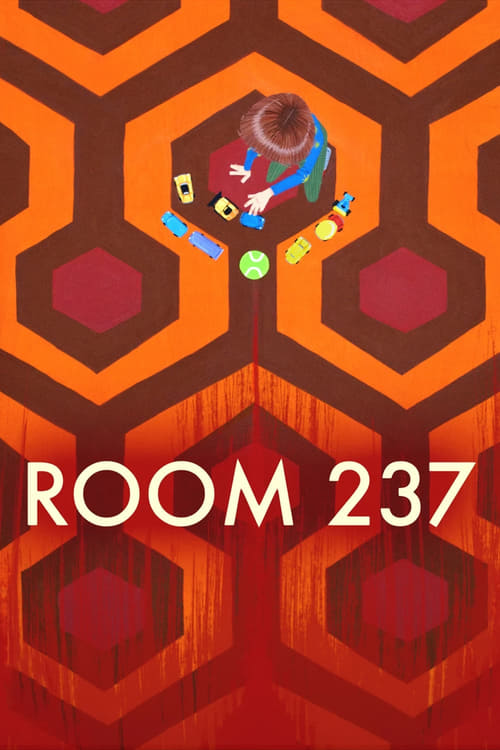
En 1980, Stanley Kubrick signe SHINING, qui deviendra un classique du cinéma d’horreur. A la fois admiré et vilipendé, le film est considéré comme une œuvre marquante du genre par de nombreux experts, tandis que d’autres estiment que Kubrick s’est dévoyé en la réalisant. Mais il y a aussi des fans acharnés qui ont voué leur vie au décryptage des messages cachés de ce film culte… Théories du complot ? Ont ils décrypté les messages secrets de Shining ?
Room 237

Comment s'évader d'un camp de prisonniers tout en gagnant un match de foot contre les nazis...
À nous la victoire
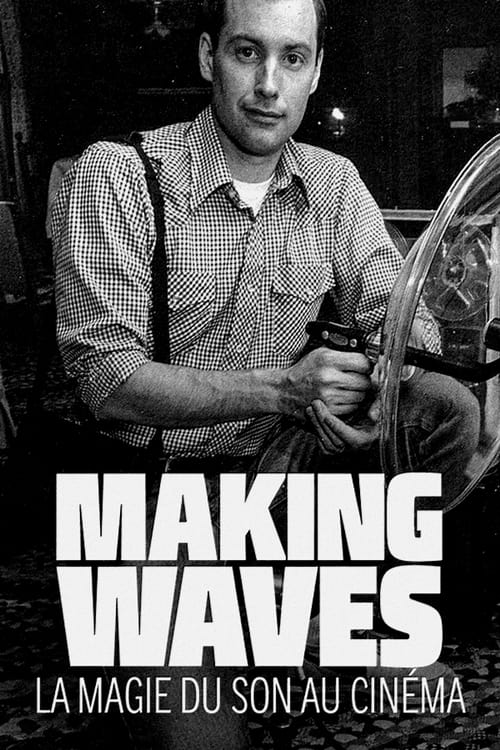
L'histoire du son au cinéma, racontée par des concepteurs sonores légendaires et des cinéastes visionnaires.
Making waves : la magie du son au cinéma
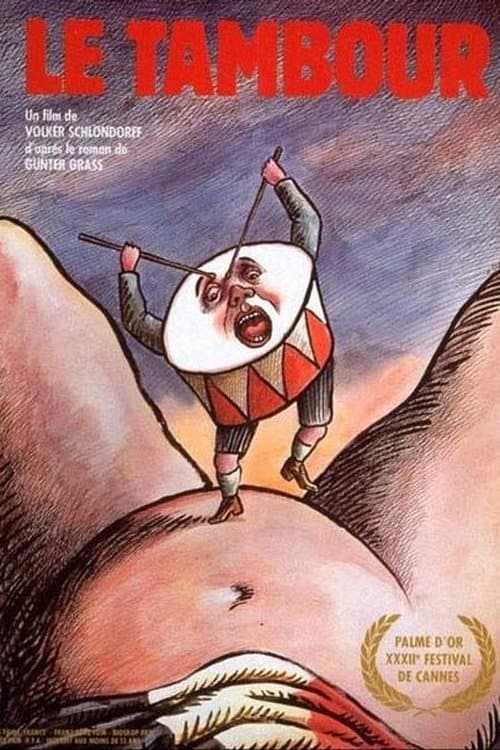
À la fin des années 1920, dans la région de Dantzig, Oskar, refusant le monde cruel et surfait des adultes, décide à l'âge de trois ans de ne plus grandir. Palme d'or 1979 à Cannes