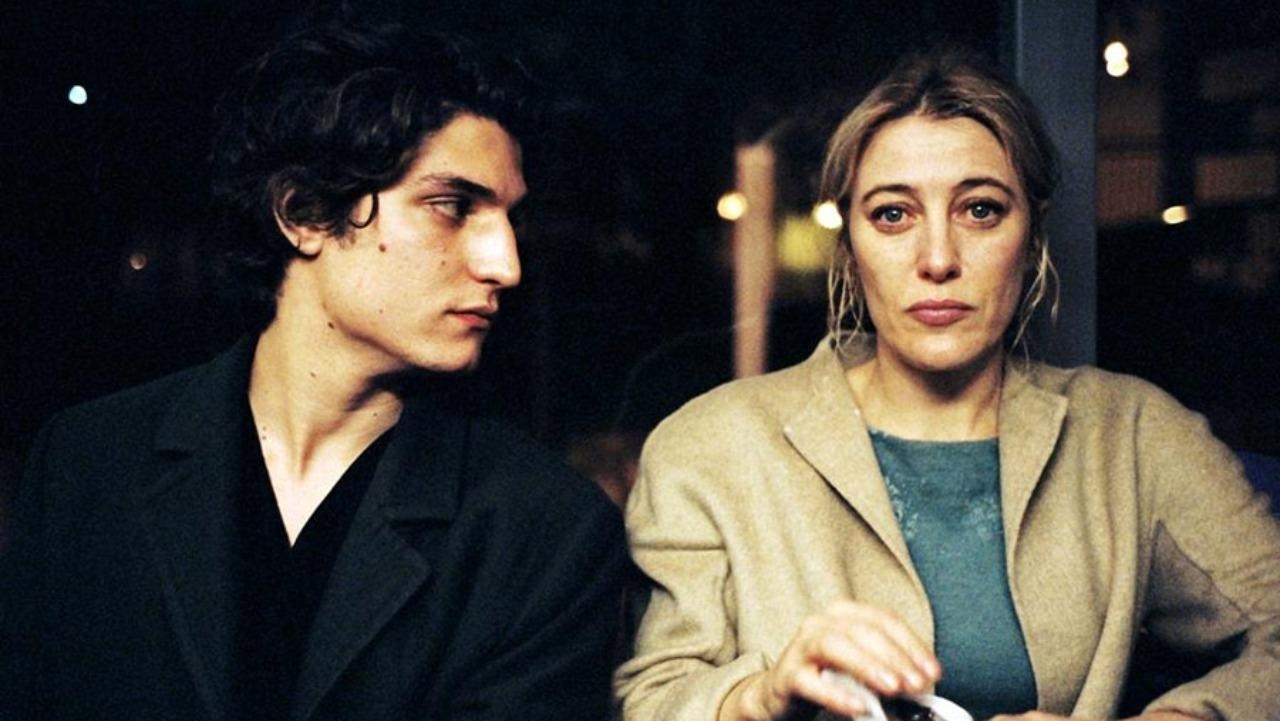

Céline, 32, is expecting her first child. But Céline is not pregnant. In three months, it is Nadia, her wife, who will give birth to their daughter.

During a writing slump, playwright J.M. Barrie meets a widow and her four children, all young boys—who soon become an important part of Barrie’s life and the inspiration that lead him to create his masterpiece. Peter Pan.
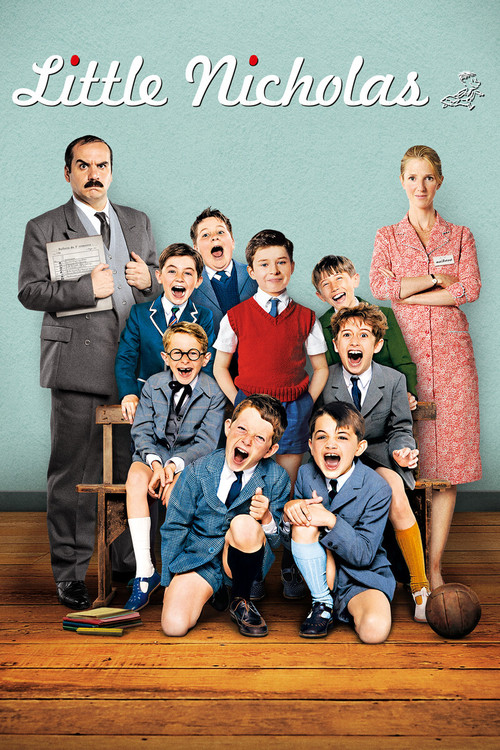
Nicolas has a happy existence, parents who love him, a great group of friends with whom he has great fun, and all he wants is that nothing changes. However, one day, he overhears a conversation that leads him to believe that his life might change forever, his mother is pregnant! He panics and envisions the worst.

In a sleepy Louisiana parish, a group of lifelong friends stage a rather unorthodox intervention to help a young playwright unravel the truth about her complicated mother and let go of her painful past.

When melancholic construction worker Dan finds himself drifting from his wife and daughter, he discovers community and purpose in a local theater's production of Romeo and Juliet. As the drama onstage starts to mirror his own life, he and his family are forced to confront a personal loss.
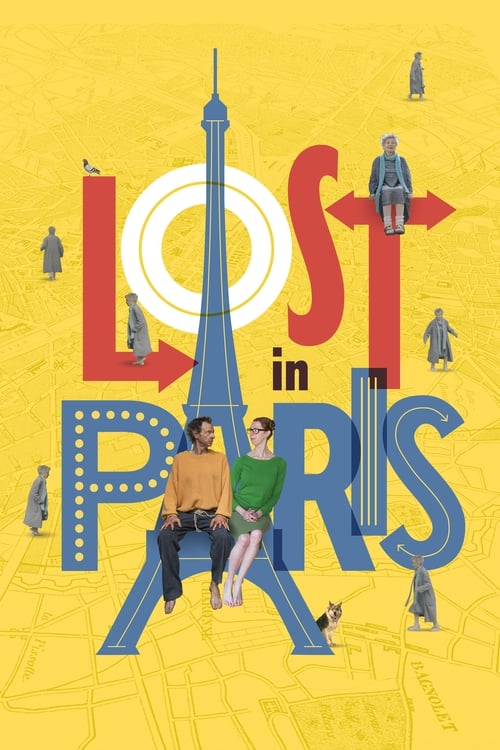
Fiona visits Paris for the first time to assist her myopic Aunt Martha. Catastrophes ensue, mainly involving Dom, a homeless man who has yet to have an emotion or thought he was afraid of expressing.

At the end of the 1980s, Stella, Victor, Adèle and Etienne are 20 years old. They take the entrance exam to the famous acting school created by Patrice Chéreau and Pierre Romans at the Théâtre des Amandiers in Nanterre. Launched at full speed into life, passion, and love, together they will experience the turning point of their lives, but also their first tragedy.
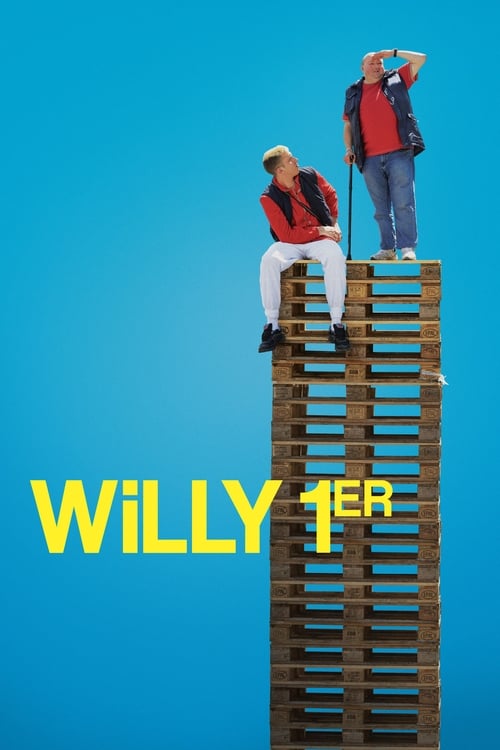
Willy, a boorish 50 something, finally moves out of his parents’ to start a new life
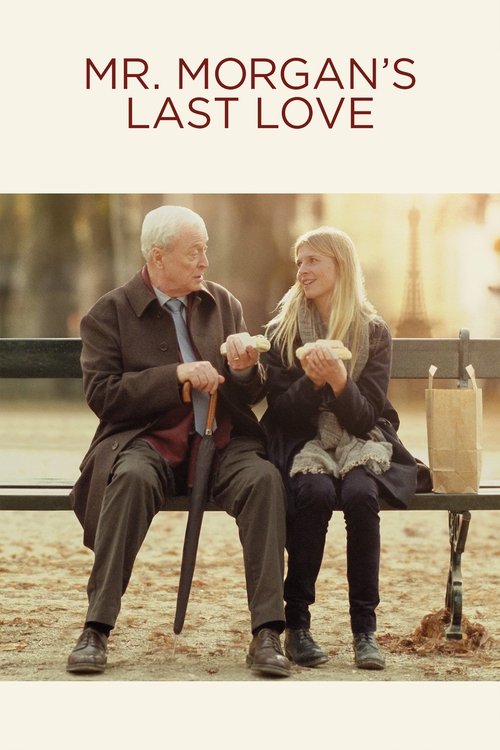
A widowed professor living in Paris develops a special relationship with a younger French woman.

Nina Geld's passion and talent have made her a rising star in the comedy scene, but she's an emotional mess offstage. When a new professional opportunity coincides with a romantic one, she is forced to confront her own deeply troubled past.

Two whimsical, aimless thugs harass and assault women, steal, murder, and alternately charm, fight, or sprint their way out of trouble. They take whatever the bourgeoisie holds dear, whether it’s cars, peace of mind, or daughters. Marie-Ange, a jaded, passive hairdresser, joins them as lover, cook, and mother confessor. She’s on her own search for seemingly unattainable sexual pleasure.

Paris, France, December 1897. The young playwright Edmond Rostand feels like a failure. Inspiration has abandoned him. Married and father of two children, desperate and penniless, he persuades the great actor Constant Coquelin to perform the main role in his new play. But there is a problem: Coquelin wants to premiere it at Christmas and Edmond has not written a single word.
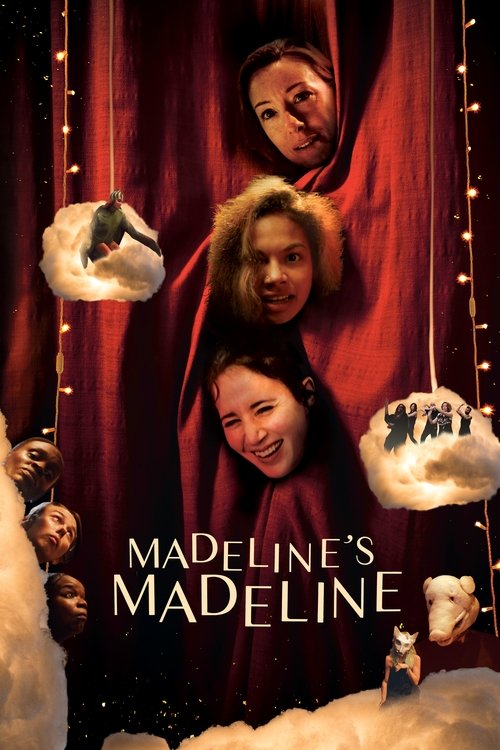
Madeline has become an integral part of a prestigious physical theater troupe. When the workshop's ambitious director pushes the teenager to weave her rich interior world and troubled history with her mother into their collective art, the lines between performance and reality begin to blur. The resulting battle between imagination and appropriation rips out of the rehearsal space and through all three women's lives.

A man without attachments or responsibilities suddenly finds himself with an abandoned baby and leaves for London to try and find the mother. Eight years later after he and his daughter become inseparable Gloria's mother reappears.

An inexperienced young actress is invited to play a role in a film based on Dostoyevsky's 'The Possessed'. The film director, a Czech immigrant in Paris, takes over her life, and in a short time she is unable to draw the line between acting and reality. She winds up playing a real-life role posing as the dead wife of another Czech immigrant, who is manipulated by the filmmaker into commiting a political assassination.

Etienne, an often out of work but endearing actor, runs a theater workshop in a prison, where he brings together an unlikely troupe of prisoners to stage Samuel Beckett’s famous play Waiting for Godot. When he is allowed to take the colorful band of convicts on a tour outside of prison, Etienne finally has the chance to thrive.
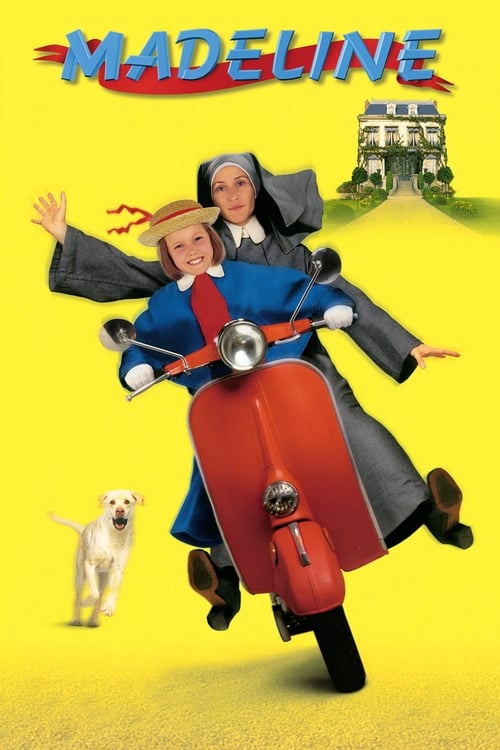
Horrified at the prospect of her beloved school being sold, a young French girl named Madeline uses her wit and craftiness to attempt to save it, making an unlikely new friend in the process.

8-year-old Elli and her mother, Marlène, live in a small town by the French Riviera where they act out to relieve boredom and hide from social services. When Marlène caves in to yet another night of excess, she chooses to leave Elli behind for a man she just met. The young child must confront her mother's demons in order to get her back.

In the fall of 1963, Anne is becoming a teenager. She lives in Paris with her mother and her older sister, Frédérique. They're just back from summer at the beach with their father. School starts. A turbulent year awaits them both.
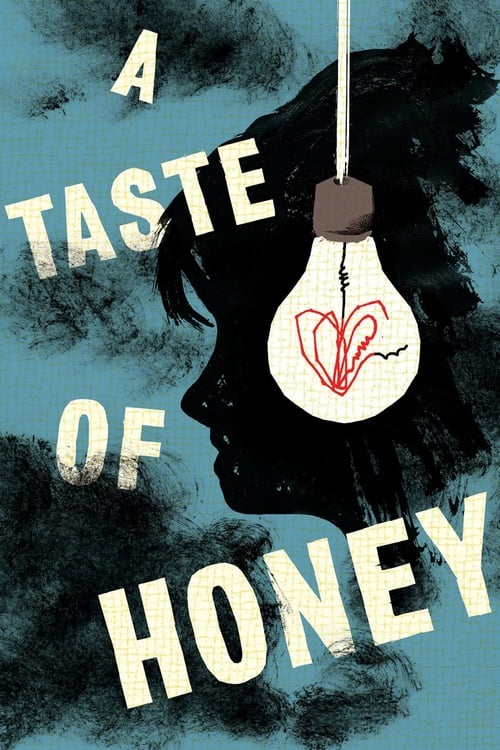
While out to avoid spending time with her narcissistic and promiscuous mother, sixteen-year-old Jo has a brief affair that leaves her pregnant and abandoned. When her mother remarries, Jo's only support becomes her friend Geoffrey, a homosexual.