Monkey’s Birthday
Synopsis
You might also like
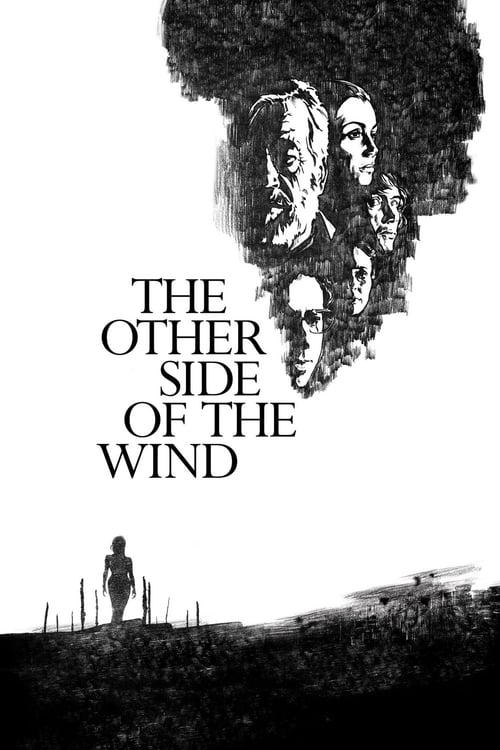
At a media-swamped party to celebrate his seventieth birthday and screen his avant-garde film-in-progress, a legendary but jaded Hollywood director is faced both with voracious fans and unsettling questions about what became of his lead actor.
The Other Side of the Wind
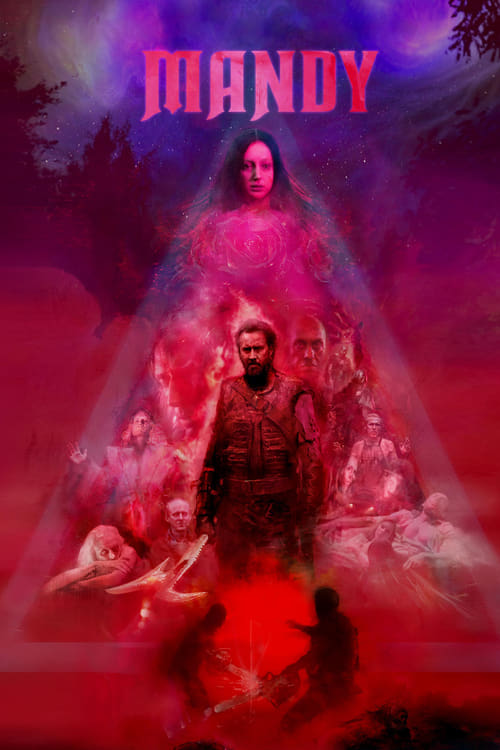
The Shadow Mountains, 1983. Red and Mandy lead a loving and peaceful existence; but when their pine-scented haven is savagely destroyed, Red is catapulted into a phantasmagoric journey filled with bloody vengeance and laced with fire.
Mandy
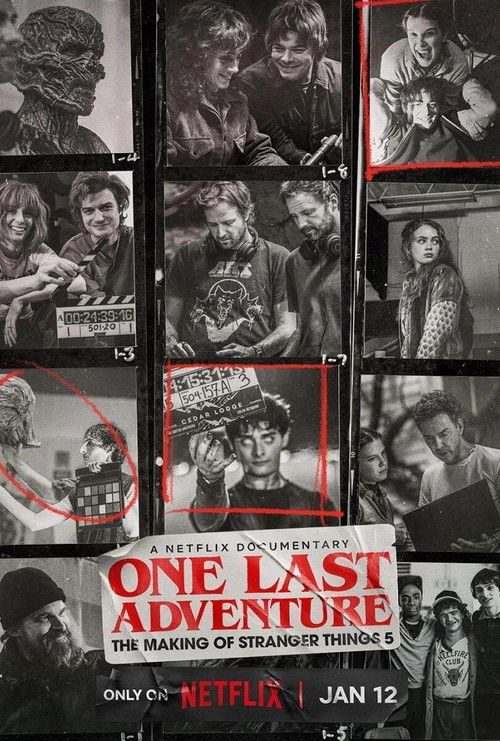
An inside look at the years of effort and craft that went into the final installment of the Duffer Brothers' generation-defining series.
One Last Adventure: The Making of Stranger Things 5
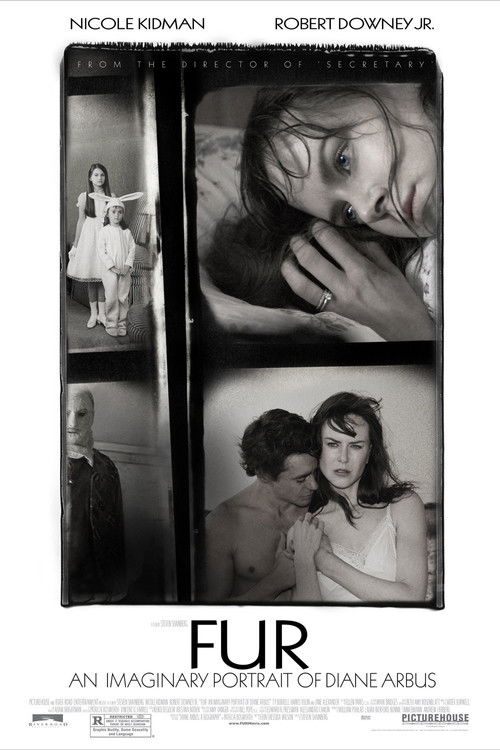
In 1958 New York Diane Arbus is a housewife and mother who works as an assistant to her husband, a photographer employed by her wealthy parents. Respectable though her life is, she cannot help but feel uncomfortable in her privileged world. One night, a new neighbor catches Diane's eye, and the enigmatic man inspires her to set forth on the path to discovering her own artistry.
Fur: An Imaginary Portrait of Diane Arbus

The story lives forever in this feature-length documentary that charts the making of Star Wars: The Rise of Skywalker.
The Skywalker Legacy
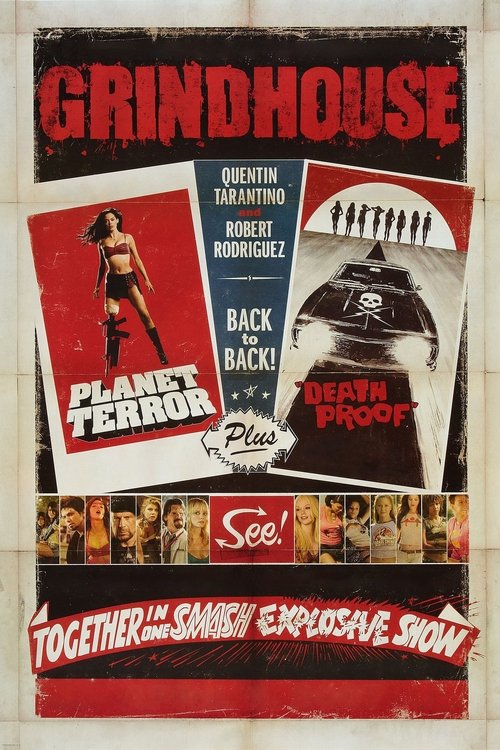
Grindhouse combines Robert Rodriguez's Planet Terror, a horror comedy about a group of survivors who battle zombie-like creatures, and Quentin Tarantino's Death Proof, an action thriller about a murderous stuntman who kills young women with modified vehicles. It is presented as a double feature with fictitious exploitation trailers preceding each segment.
Grindhouse

A fading celebrity decides to use a black market drug, a cell-replicating substance that temporarily creates a younger, better version of herself.
The Substance
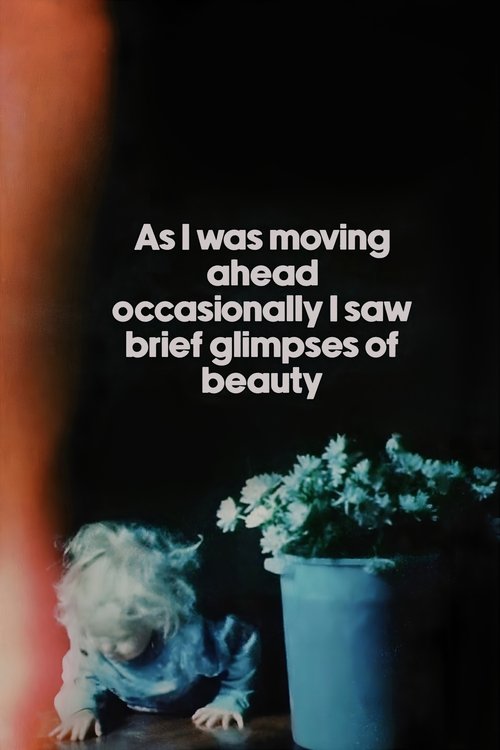
A compilation of over 30 years of private home movie footage shot by Lithuanian-American avant-garde director Jonas Mekas, assembled by Mekas "purely by chance", without concern for chronological order.
As I Was Moving Ahead, Occasionally I Saw Brief Glimpses of Beauty

Hollywood, 1930s. Tod Hackett, a young painter who tries to make his way as an art director in the lurid world of film industry, gets infatuated with his neighbor Faye Greener, an aspiring actress who prefers the life that Homer Simpson, a lone accountant, can offer her.
The Day of the Locust
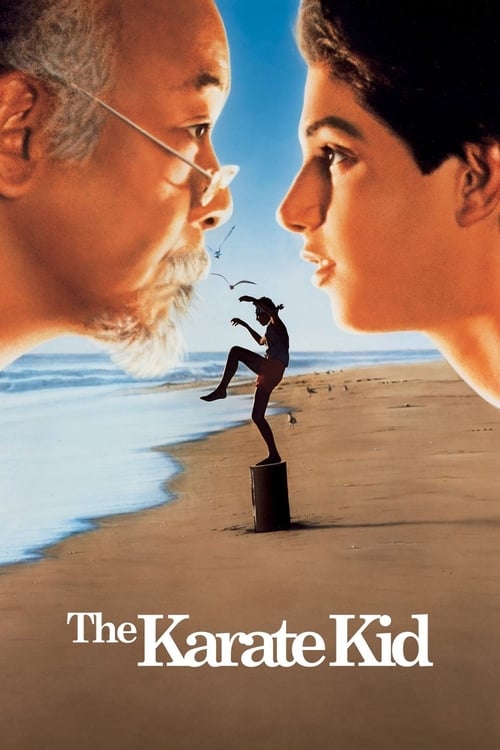
New Jersey teen Daniel LaRusso moves to Los Angeles with his mother, and soon strikes up a relationship with Ali. He quickly finds himself the target of bullying by a group of thugs, led by Ali's ex-boyfriend Johnny, who study karate at the Cobra Kai dojo under ruthless sensei John Kreese. Fortunately, Daniel befriends Mr. Miyagi, an unassuming repairman who just happens to be a martial arts master himself. Miyagi takes Daniel under his wing, training him in a more compassionate form of karate for self-defense and, later, preparing him to compete against the brutal Cobra Kai.
The Karate Kid
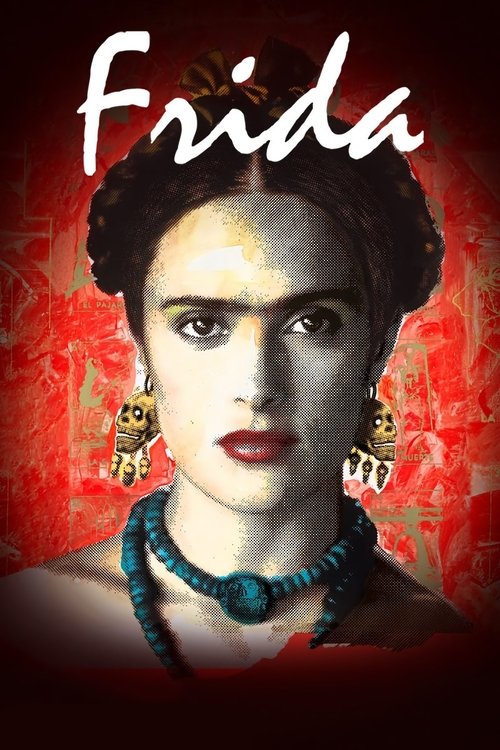
A biography of artist Frida Kahlo, who channeled the pain of a crippling injury and her tempestuous marriage into her work.
Frida
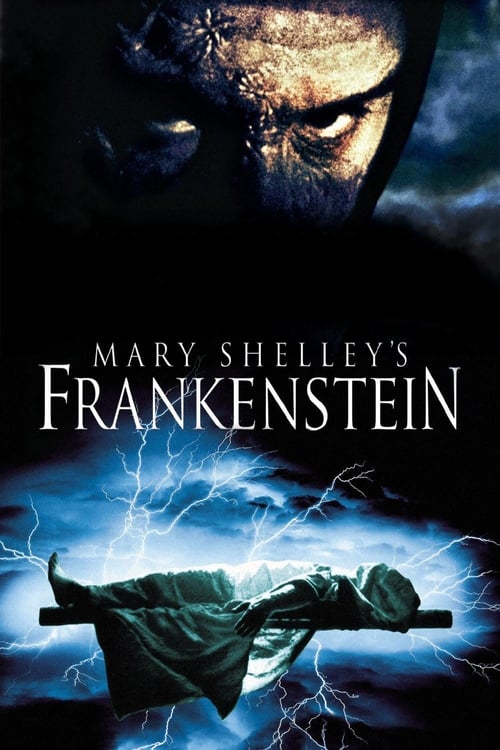
Victor Frankenstein is a promising young doctor who, devastated by the death of his mother during childbirth, becomes obsessed with bringing the dead back to life. His experiments lead to the creation of a monster, which Frankenstein has put together with the remains of corpses. It's not long before Frankenstein regrets his actions.
Mary Shelley's Frankenstein
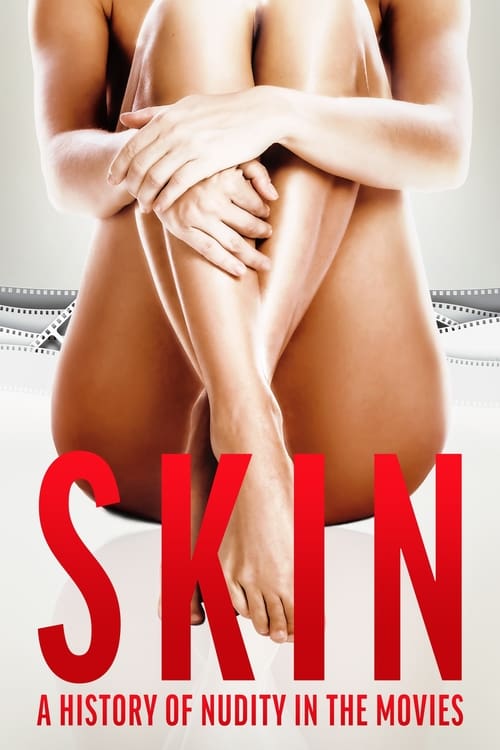
The definitive documentary on the history of nudity in feature films from the early silent days to the present, studying the changes in morality that led to the use of nudity in films while emphasizing the political, sociological and artistic changes that shaped that history. Skin will also study the gender inequality in presenting nude images in motion pictures and will follow the revolution that has created nude gender equality in feature films today.
Skin: A History of Nudity in the Movies
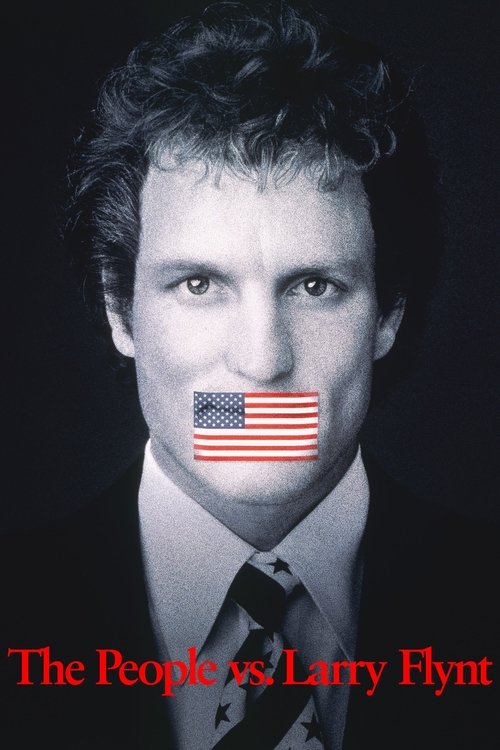
Larry Flynt is the hedonistically obnoxious, but indomitable, publisher of Hustler magazine. The film recounts his struggle to make an honest living publishing his girlie magazine and how it changes into a battle to protect the freedom of speech for all people.
The People vs. Larry Flynt
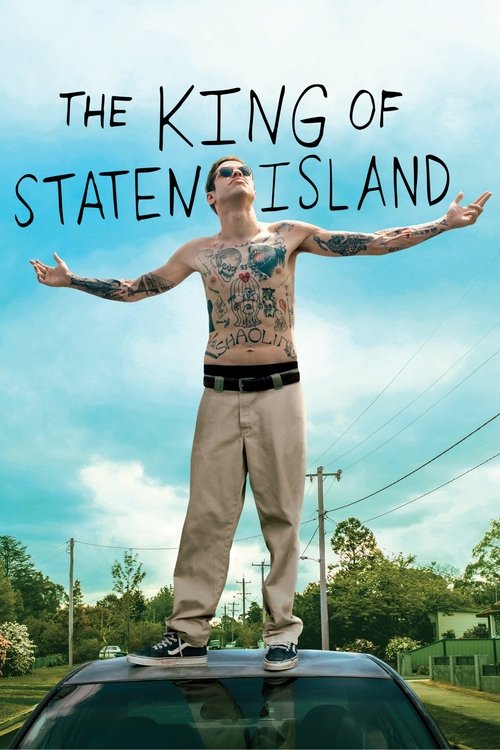
Scott has been a case of arrested development ever since his firefighter father died when he was seven. He's now reached his mid-20s having achieved little, chasing a dream of becoming a tattoo artist that seems far out of reach. As his ambitious younger sister heads off to college, Scott is still living with his exhausted ER nurse mother and spends his days smoking weed, hanging with the guys — Oscar, Igor and Richie — and secretly hooking up with his childhood friend Kelsey. But when his mother starts dating a loudmouth firefighter named Ray, it sets off a chain of events that will force Scott to grapple with his grief and take his first tentative steps toward moving forward in life.
The King of Staten Island

Retrospective documentary about the making of the horror cult classic "The Return of the Living Dead."
More Brains! A Return to the Living Dead
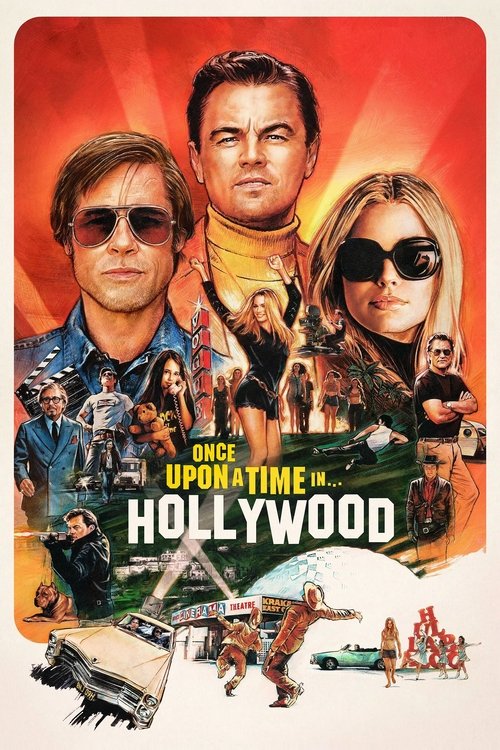
Los Angeles, 1969. TV star Rick Dalton, a struggling actor specializing in westerns, and stuntman Cliff Booth, his best friend, try to survive in a constantly changing movie industry. Dalton is the neighbor of the young and promising actress and model Sharon Tate, who has just married the prestigious Polish director Roman Polanski…
Once Upon a Time... in Hollywood
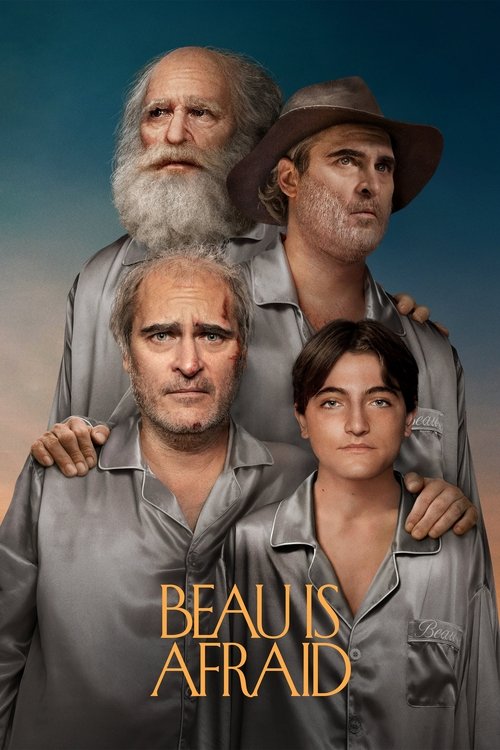
Following the sudden death of his mother, a mild-mannered but anxiety-ridden man confronts his darkest fears as he embarks on an epic odyssey back home.
Beau Is Afraid
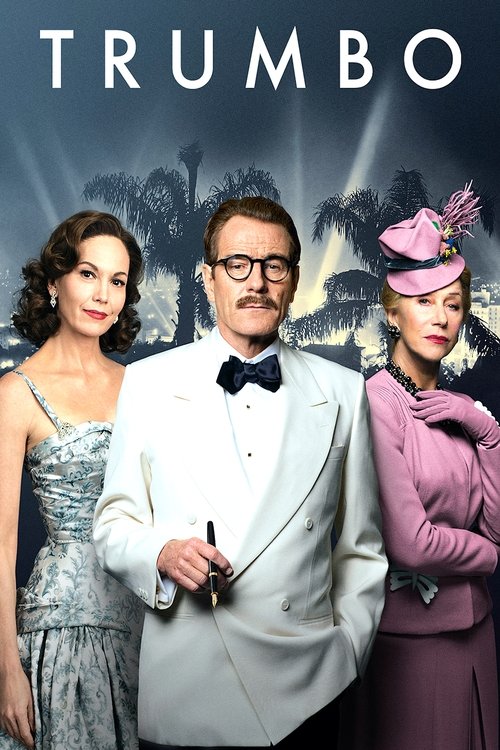
The career of screenwriter Dalton Trumbo is halted by a witch hunt in the late 1940s when he defies the anti-communist HUAC committee and is blacklisted.
Trumbo
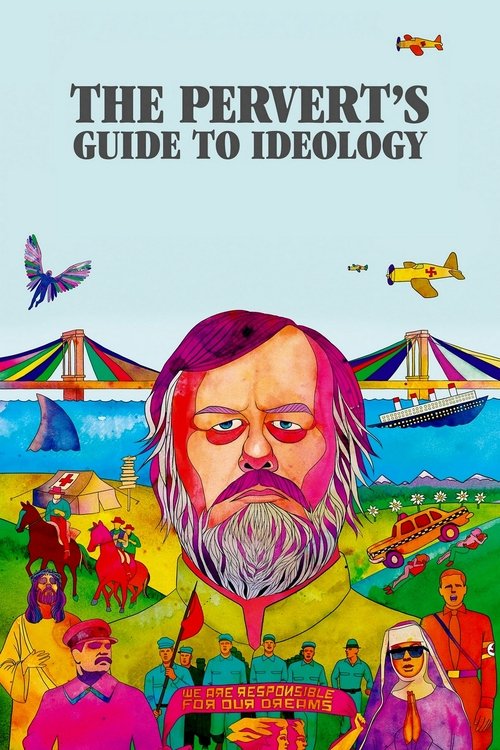
A journey into the labyrinthine heart of ideology, which shapes and justifies both collective and personal beliefs and practices: with an infectious zeal and voracious appetite for popular culture, Slovenian philosopher and psychoanalyst Slavoj Žižek analyzes several of the most important films in the history of cinema to explain how cinematic narrative helps to reinforce prevailing ethics and political ideas.