Synopsis
You might also like
Agnès Varda eloquently captures Paris in the sixties with this real-time portrait of a singer set adrift in the city as she awaits test results of a biopsy. A chronicle of the minutes of one woman’s life, Cléo from 5 to 7 is a spirited mix of vivid vérité and melodrama, featuring a score by Michel Legrand and cameos by Jean-Luc Godard and Anna Karina.
Cléo from 5 to 7

An inexperienced young actress is invited to play a role in a film based on Dostoyevsky's 'The Possessed'. The film director, a Czech immigrant in Paris, takes over her life, and in a short time she is unable to draw the line between acting and reality. She winds up playing a real-life role posing as the dead wife of another Czech immigrant, who is manipulated by the filmmaker into commiting a political assassination.
The Public Woman
Filmmaker Lawrence Shapiro discusses voice-over acting with the talented people behind the characters.
I Know That Voice
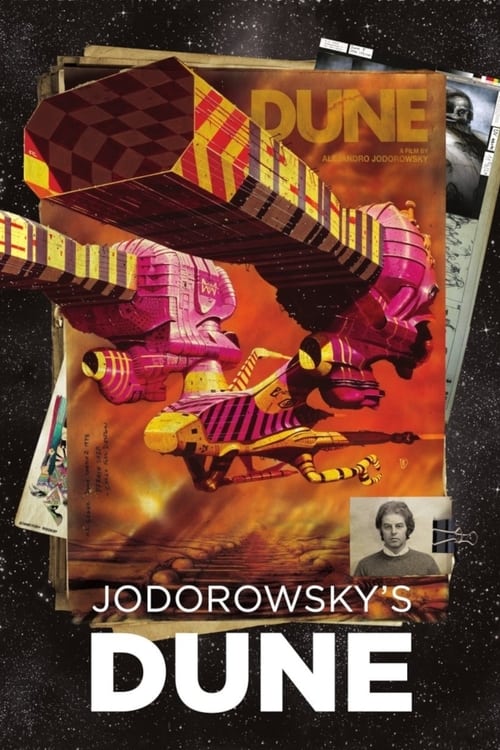
In 1974, Chilean-French director Alejandro Jodorowsky embarked on the quixotic project of adapting Frank Herbert's influential novel Dune (1969) for the big screen. After investing two years, and millions of dollars, the gigantic project ended in failure; but the artists Jodorowsky brought together to carry it out continued to work together, and ended up laying the foundations for modern science fiction cinema.
Jodorowsky's Dune

A tale of outsized ambition and outrageous excess, tracing the rise and fall of multiple characters in an era of unbridled decadence and depravity during Hollywood's transition from silent films to sound films in the late 1920s.
Babylon

Charlotte Gainsbourg agrees to play a witch condemned to be burned at the stake in the first film directed by Béatrice Dalle. But the chaotic production, technical problems, and psychotic breakdowns gradually plunge the shoot into a chaos of pure light.
Lux Æterna
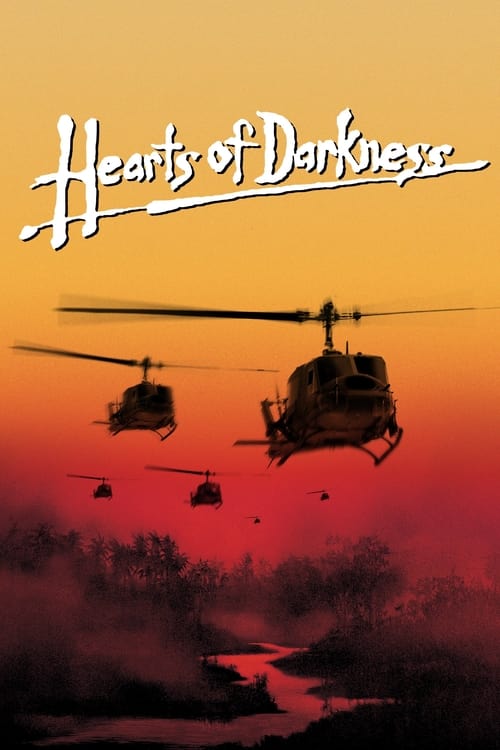
A chronicle of the production problems — including bad weather, actors' health, war near the filming locations, and more — which plagued the filming of Apocalypse Now, increasing costs and nearly destroying the life and career of Francis Ford Coppola.
Hearts of Darkness: A Filmmaker's Apocalypse
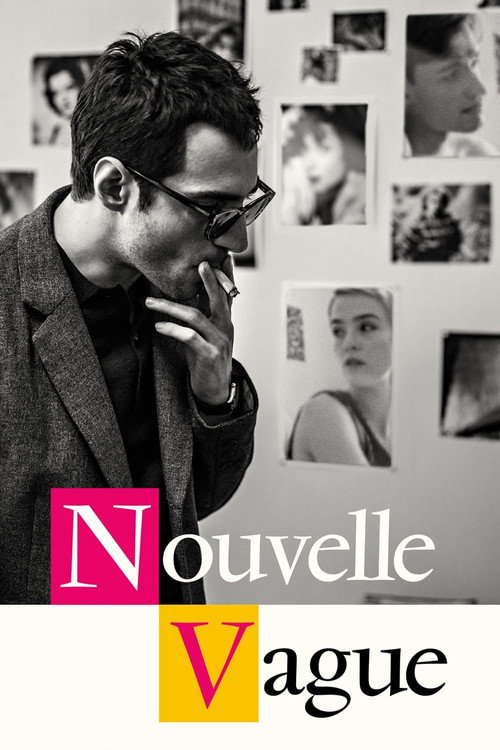
After writing for Cahiers du cinéma, young Godard decides making films is the best film criticism. He gets Beauregard to fund a low-budget feature, creating a treatment with Truffaut about a gangster couple.
Nouvelle Vague

A spiral design spins. It's replaced by a spinning disk. These two continue in perfect alternation until the end: a spiral design, a disk. Each disk is labelled and can be read as it rotates. The messages, in French, feature puns and whimsical rhymes and alliteration. The final message comments on the spiral motif itself.
Anemic Cinema
In Le Livre d’Image, Jean-Luc Godard recycles existing images (films, documentaries, paintings, television archives, etc.), quotes excerpts from books, uses fragments of music. The driving force is poetic rhyme, the association or opposition of ideas, the aesthetic spark through editing, the keystone. The author performs the work of a sculptor. The hand, for this, is essential. He praises it at the start. “There are the five fingers. The five senses. The five parts of the world (…). The true condition of man is to think with his hands. Jean-Luc Godard composes a dazzling syncopation of sequences, the surge of which evokes the violence of the flows of our contemporary screens, taken to a level of incandescence rarely achieved. Crowned at Cannes, the last Godard is a shock film, with twilight beauty.
The Image Book
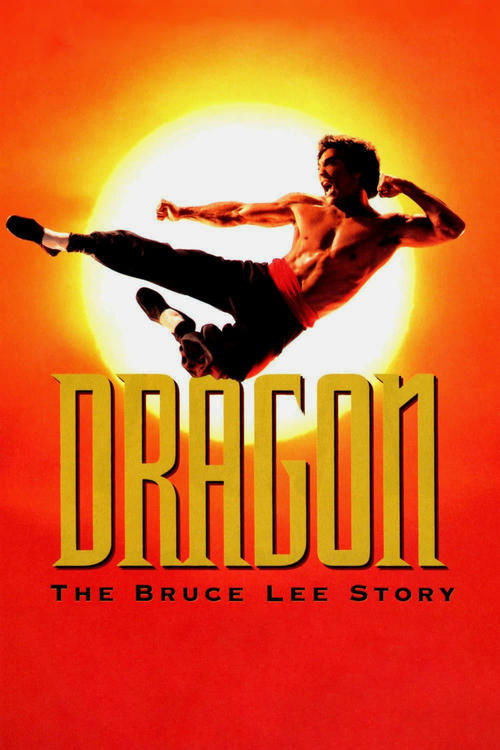
This film is a glimpse into the life, love and the unconquerable spirit of the legendary Bruce Lee. From a childhood of rigorous martial arts training, Lee realizes his dream of opening his own kung-fu school in America. Before long, he is discovered by a Hollywood producer and begins a meteoric rise to fame and an all too short reign as one the most charismatic action heroes in cinema history.
Dragon: The Bruce Lee Story

In a social context deteriorated by a countrywide economic crisis, the life of several people will be turned upside down after they meet Cécile, a character who symbolizes desire.
Desire

In a suburban landscape, the lives of several families interlace with loss, despair and personal crisis. Esther Gold has lost focus on all but caring for her comatose son, Paul, and neglects her daughter and husband. Lawyer Jim Train is devoted to his career, not his family. Helen Christianson wants to find a new spark in life, while Annette Jennings tries to rebuild hers.
The Safety of Objects
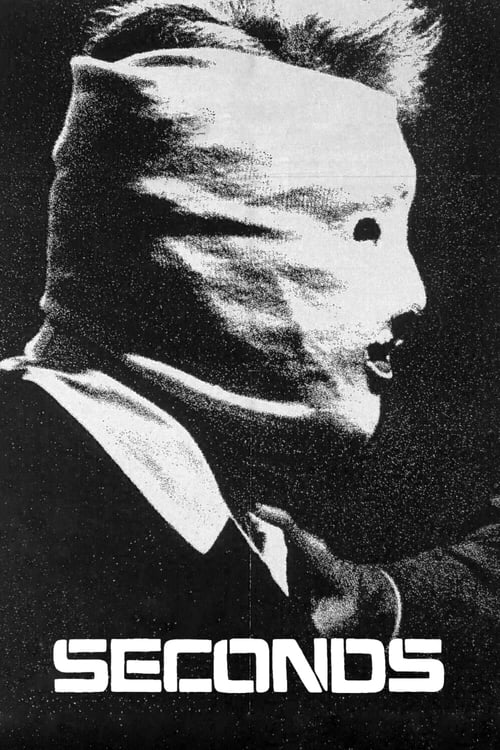
An unhappy middle-aged banker agrees to a procedure that will fake his death and give him a completely new look and identity; one that comes with its own price.
Seconds

A symbolic reflection on issues of female sexuality, art and identity constructs.
Asparagus
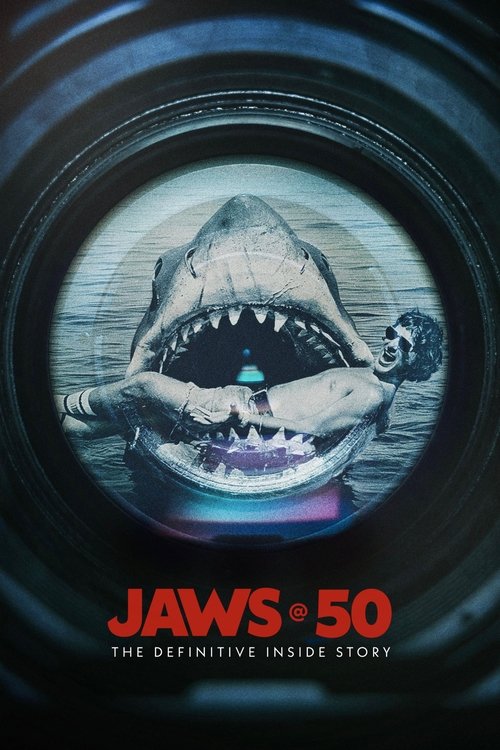
The authorized documentary celebrating the film that redefined Hollywood, 50 years after its premiere. Featuring rare archival footage and interviews with acclaimed Hollywood directors alongside Steven Spielberg, top shark scientists, and conservationists, the film uncovers the behind-the-scenes chaos and how the film launched the summer blockbuster, inspired a new wave of filmmakers, and paved the way for shark conservation that continues today.
Jaws @ 50: The Definitive Inside Story

A young man is plunged into a life of subterfuge, deceit and mistaken identity in pursuit of a femme fatale whose heart is never quite within his grasp.
Original Sin
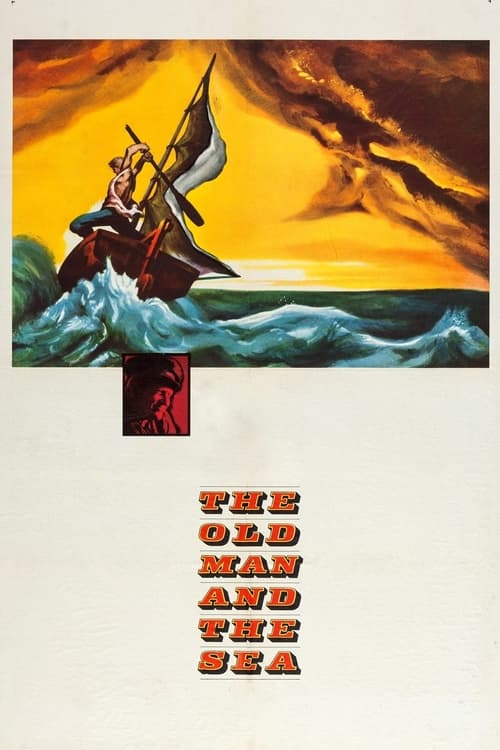
Santiago is an aging, down-on-his-luck, Cuban fisherman who, after catching nothing for nearly 3 months, hooks a huge Marlin and struggles to land it far out in the Gulf Stream.