
Synopsis
Vous aimerez aussi
Filmmaker Lawrence Shapiro discusses voice-over acting with the talented people behind the characters.
I Know That Voice

Cléo, belle et chanteuse, attend les résultats d'une analyse médicale. De la superstition à la peur, de la rue de Rivoli au Café de Dôme, de la coquetterie à l'angoisse, de chez elle au Parc Montsouris, Cléo vit quatre-vingt-dix minutes particulières. Son amant, son musicien, une amie puis un soldat lui ouvrent les yeux sur le monde.
Cléo de 5 à 7
En février 1976, Francis Ford Coppola s'installe avec son équipe et toute sa famille aux Philippines pour tourner son huitième film, "Apocalypse Now". A sa demande, sa femme Eleanor suit avec sa caméra le tournage du film, tient un journal et enregistre leurs conversations. "Au cœur des ténèbres" est le film du film. Il évoque l'histoire d'un metteur en scène et d'une équipe confrontés à toutes sortes de problèmes qui mettront leurs vies et leurs nerfs à rude épreuve.
Aux cœurs des ténèbres : L'Apocalypse d'un metteur en scène
Une jeune actrice inexpérimentée rejoint un tournage. Mais elle ne s'avère bientôt plus capable de décerner la fiction de la réalité.
La Femme publique
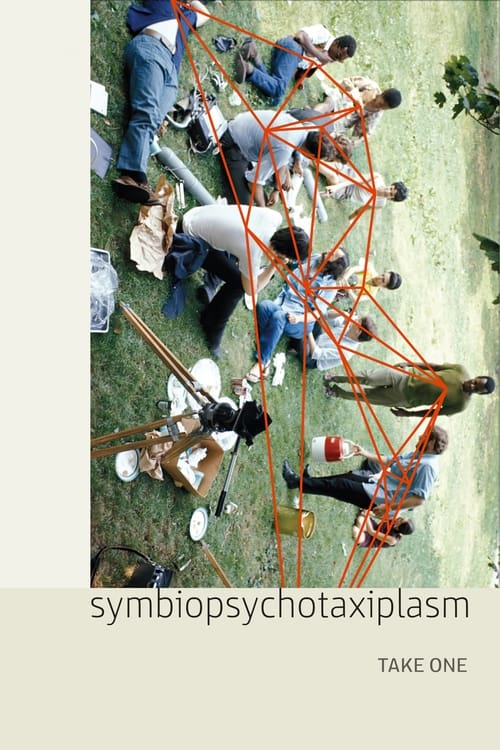
In Manhattan's Central Park, a film crew directed by William Greaves is shooting a screen test with various pairs of actors. It's a confrontation between a couple: he demands to know what's wrong, she challenges his sexual orientation. Cameras shoot the exchange, and another camera records Greaves and his crew. Sometimes we watch the crew discussing this scene, its language, and the process of making a movie. Is there such a thing as natural language? Are all things related to sex? The camera records distractions - a woman rides horseback past them; a garrulous homeless vet who sleeps in the park chats them up. What's the nature of making a movie?
Symbiopsychotaxiplasm: Take One
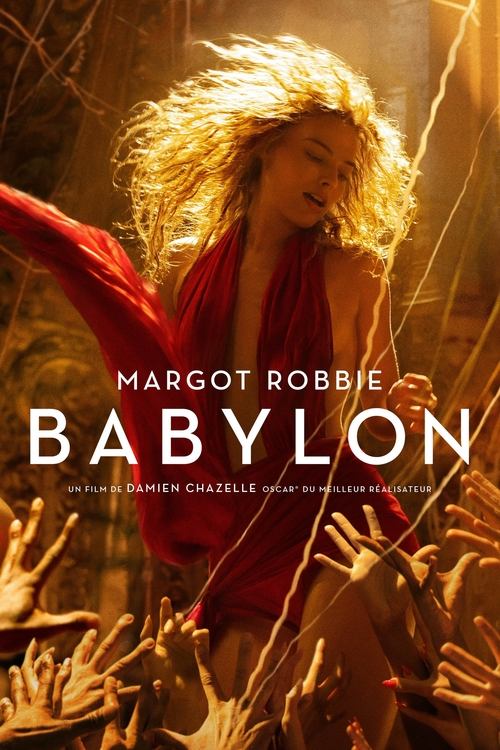
Los Angeles des années 1920. Récit d’une ambition démesurée et d’excès les plus fous, le film retrace l’ascension et la chute de différents personnages lors de la création d’Hollywood, une ère de décadence et de dépravation sans limites.
Babylon

En 1974, le réalisateur franco-chilien Alejandro Jodorowsky se lance dans le projet chimérique d'adapter au grand écran le roman influent de Frank Herbert, « Dune » (1969). Après avoir investi deux ans et des millions de dollars, ce projet gigantesque se solde par un échec ; mais les artistes réunis par Jodorowsky pour le mener à bien continuent à travailler ensemble et finissent par jeter les bases du cinéma de science-fiction moderne.
Jodorowsky's Dune
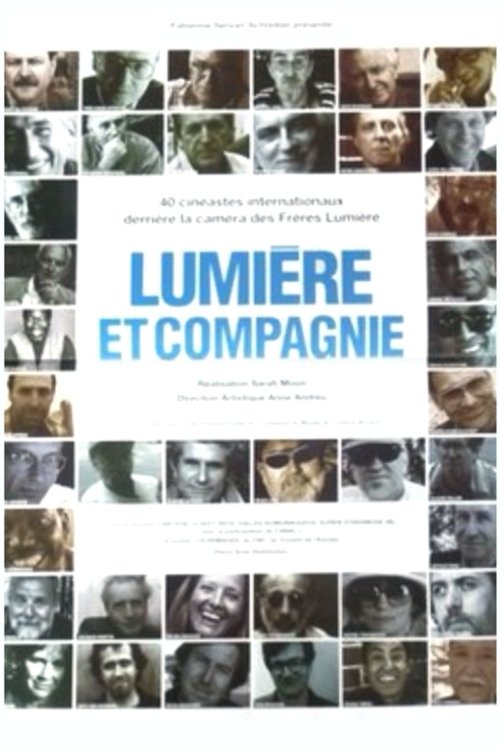
40 réalisateurs ont tourné 52 secondes de leur choix sans son et en trois prises maximum avec la caméra originelle des frères Lumière.
Lumière et Compagnie

Charlotte Gainsbourg accepte de jouer une sorcière jetée au bûcher dans le premier film réalisé par Béatrice Dalle. Or l’organisation anarchique, les problèmes techniques et les dérapages psychotiques plongent peu à peu le tournage dans un chaos de pure lumière.
Lux Æterna
Dans Le Livre d’Image, Jean-Luc Godard recycle des images déjà existantes (films, documentaires, peintures, archives télévisuelles, etc.), cite des extraits de livres, utilise des fragments de musique. Le moteur, c’est la rime poétique, l’association ou l’opposition d’idées, l’étincelle esthétique à travers le montage, clé de voûte. L’auteur exécute un travail de sculpteur. La main, pour cela, est essentielle. Il en fait l’éloge au début. « Il y a les cinq doigts. Les cinq sens. Les cinq parties du monde (…). La vraie condition de l’homme, c’est de penser avec ses mains. » Jean-Luc Godard compose une éblouissante syncope de séquences, dont le déferlement évoque la violence des flux de nos écrans contemporains, portée à un niveau d'incandescence rarement atteint. Couronné à Cannes, le dernier Godard est un film choc, à la beauté crépusculaire.
Le Livre d'image
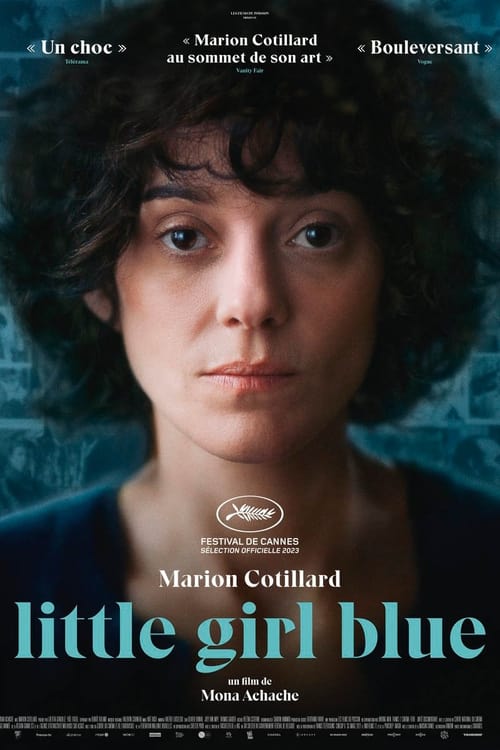
À la mort de sa mère, Mona Achache découvre des milliers de photos, de lettres et d’enregistrements, mais ces secrets enfouis résistent à l’énigme de sa disparition. Alors par la puissance du cinéma et la grâce de l’incarnation, elle décide de la ressusciter pour rejouer sa vie et la comprendre.
Little Girl Blue
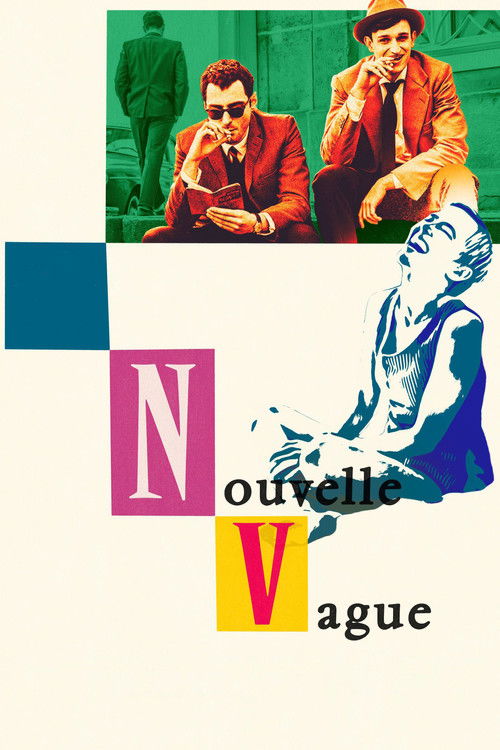
Ceci est l’histoire de Godard tournant « À bout de souffle », racontée dans le style et l’esprit de Godard tournant « À bout de souffle ».
Nouvelle Vague

Il était une fois un garçon, élevé dans un garage où tout le monde aimait chanter. C'était en 1939, il avait 8 ans, il aimait les marionnettes et les opérettes. Puis il a voulu faire du cinéma mais son père lui a fait étudier la mécanique. C'est de Jacques Demy qu'il s'agit et de ses souvenirs. C'est une enfance heureuse qui nous est contée, malgré les évènements de la guerre et de l'après-guerre.
Jacquot de Nantes
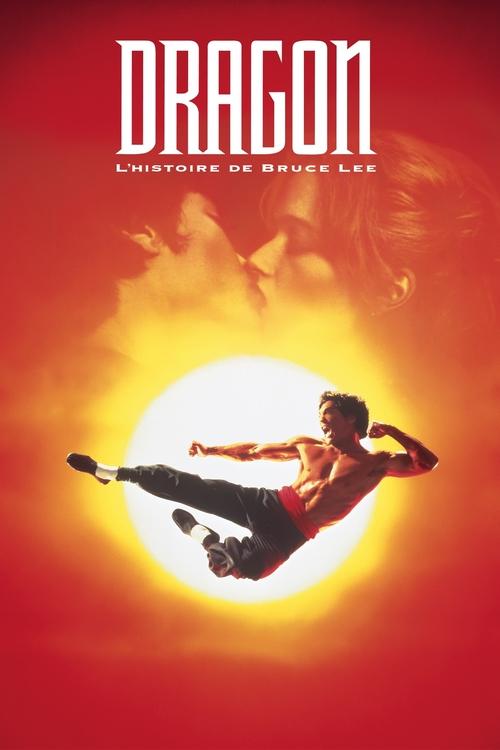
À travers les souvenirs et l'amour que lui porta sa femme, évocation de la vie et de la carrière de Bruce Lee.
Dragon, l'histoire de Bruce Lee
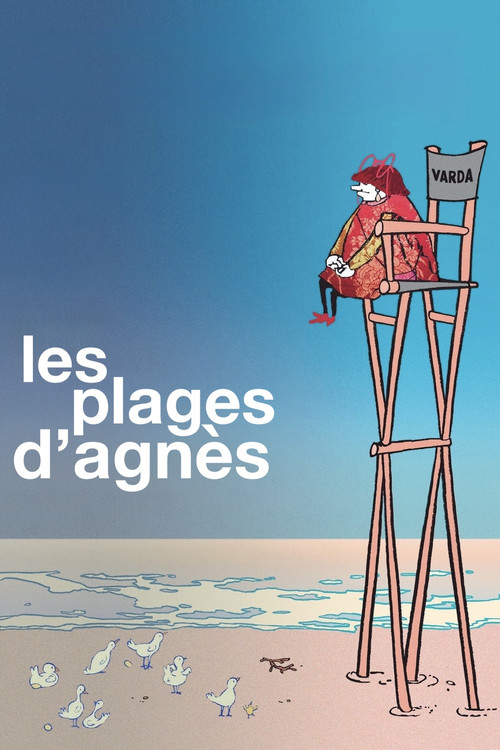
En revenant sur les plages qui ont marqué sa vie, Varda invente une forme d'autodocumentaire. Agnès se met en scène au milieu d'extraits de ses films, d'images et de reportages. Elle nous fait partager avec humour et émotion ses débuts de photographe de théâtre puis de cinéaste novatrice dans les années cinquante, sa vie avec Jacques Demy, son engagement féministe, ses voyages à Cuba, en Chine et aux USA, son parcours de productrice indépendante, sa vie de famille et son amour des plages. Une femme libre et curieuse !
Les Plages d'Agnès

A la mort de son père, Cécile 20 ans, quelque peu désemparée, cherche un réconfort auprès de ses amies. Ses amours, au hasard de rencontres, ont parfois un goût amer. Alice, incomprise par sa mère, rêve d’une grande histoire d’amour. Mais Matt, le garçon qu’elle voit en cachette, est plutôt volage. Virginie aime profondément son mari mais sa vie intime semble perturbée. 3 histoires et 3 destins qui ne devaient pas se rejoindre…
Q
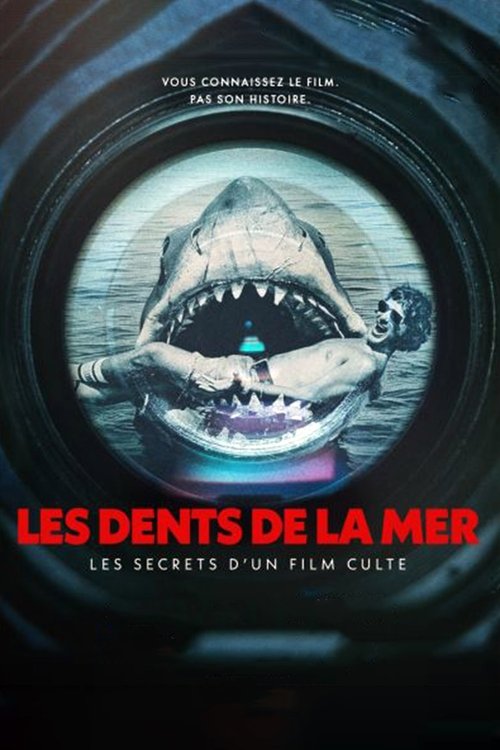
50 ans après sa sortie, ce documentaire célèbre le film qui a redéfini Hollywood et dévoile le chaos qui régnait en coulisses. Composé d'images d'archives rares et d'entretiens avec des réalisateurs hollywoodiens de renom, aux côtés de Steven Spielberg, de scientifiques reconnus spécialisés dans les requins, ainsi que de défenseurs de l'environnement, ce documentaire explique comment le film a lancé le phénomène des blockbusters de l'été, comment il a depuis inspiré une nouvelle vague de cinéastes et comment il a ouvert la voie à la conservation des requins qui perdure encore aujourd'hui.
Les Dents de la mer : Les Secrets d'un film culte
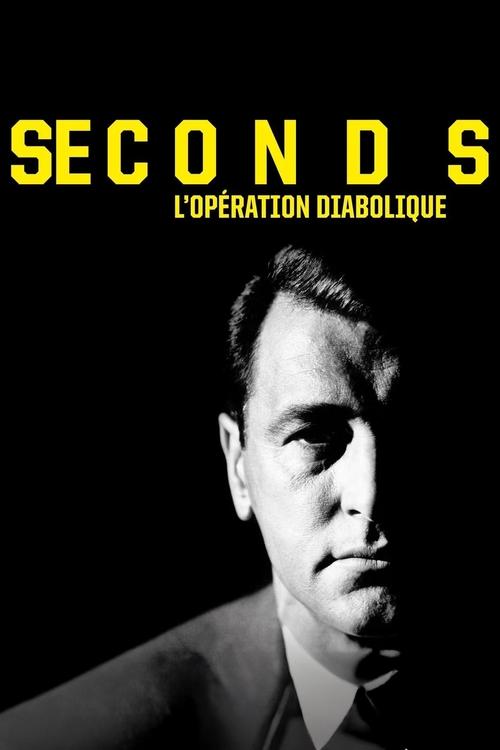
Un homme reçoit un appel d'un ami qu'il pensait décédé. Après lui avoir prouvé qu'il était bien vivant, il lui parle d'une mystérieuse organisation pour personnes riches souhaitant complètement changer d'existence.
L'Opération diabolique
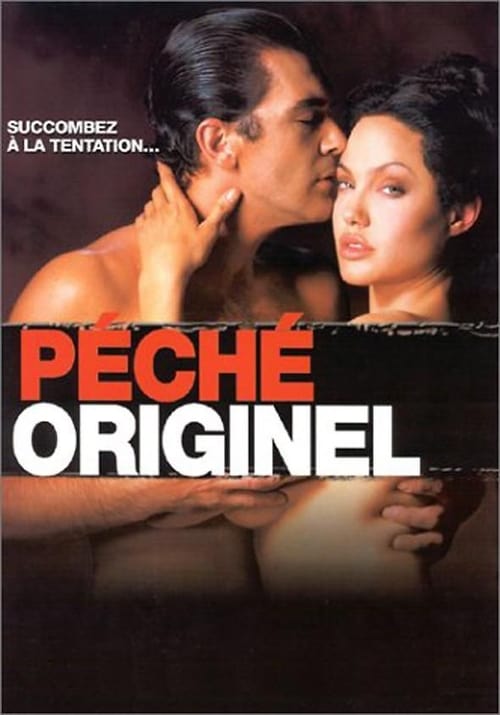
On dit de l'amour qu'il est aveugle. Parfois il peut aussi s'avérer mortel ! Louis est un riche marchand de café qui a décidé de prendre une américaine pour épouse. Mais lorsqu'il vient accueillir l'américaine Julia Russel au bateau, sa surprise est de taille : elle est plus splendide qu'il n'avait jamais osé l'imaginer. Fou de joie, il s'apprête à vivre une nouvelle vie en compagnie de sa délicieuse promise. Mais de surprises en étonnements, ce qu'il croyait être une torride histoire d'amour commence à prendre une inquiétante tournure...
Péché Originel
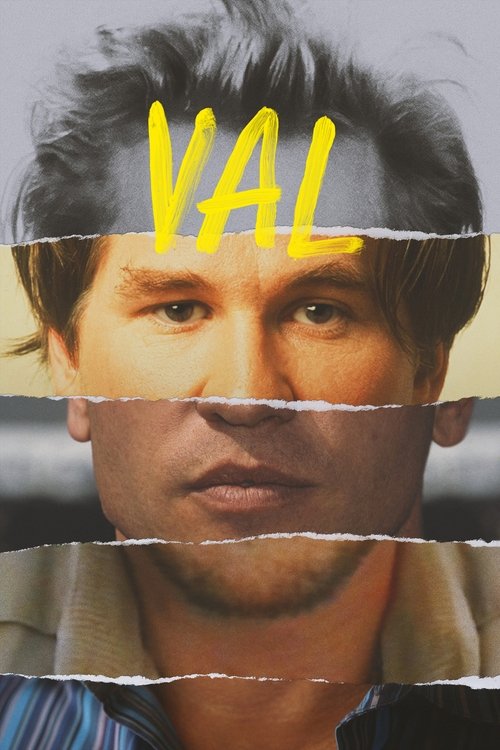
Depuis plus de 40 ans, Val Kilmer, l'un des acteurs les plus capricieux et/ou incompris d'Hollywood. En 2015, un cancer de la gorge l'astreint à des traitements. Mais s’il a survécu, les traitements ont eu raison de sa voix. Il ne peut plus s'exprimer que par courtes phrases qui restent à décrypter. Depuis l'enfance, ses deux frères, Wesley et Mark, Val a enregistré des films, vidéos avec leurs caméras. Des milliers d'heures de séquences, des films familiaux. C'est quand il eut perdu sa voix, qu'il eut le plus envie de se raconter. Documenter sa propre vie et son art à travers ces vidéos, la vie de Val en 109 minutes sonorisés par la voix de son fils, Jack Kilmer. Ce documentaire brut, follement original et sans faille révèle une vie vécue à l'extrême et un regard rempli de cœur, parfois hilarant, sur ce que signifie être un artiste et un homme complexe, surprenant, émouvant à découvrir.