

Vous aimerez aussi
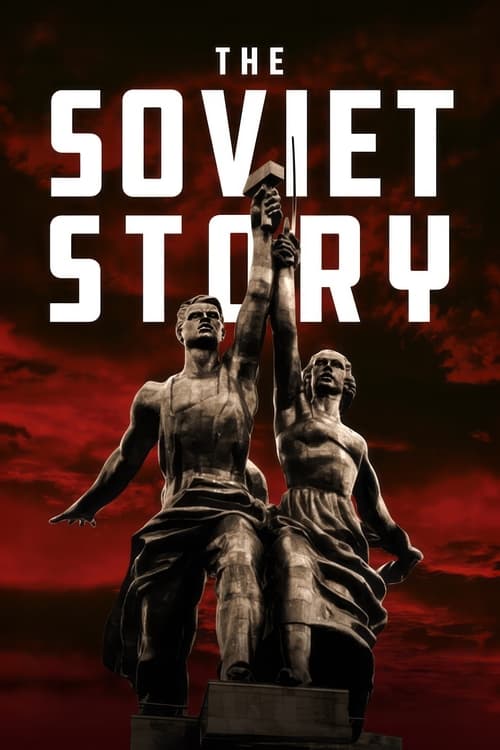
“The Soviet Story” is a story of an Allied power, which helped the Nazis to fight Jews and which slaughtered its own people on an industrial scale. Assisted by the West, this power triumphed on May 9th, 1945. Its crimes were made taboo, and the complete story of Europe’s most murderous regime has never been told. Until now...
The Soviet Story
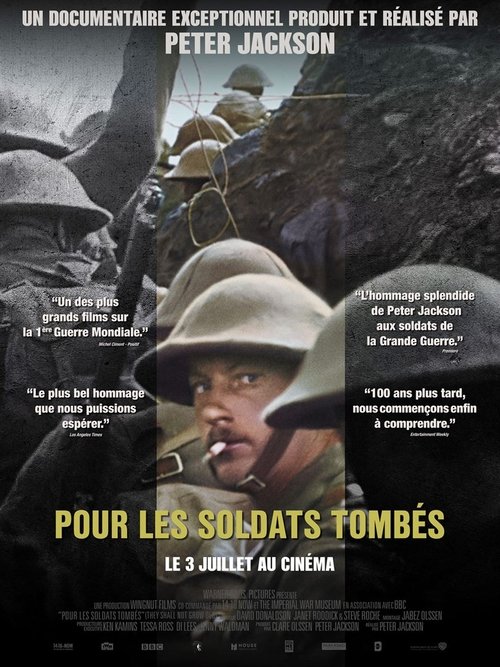
Entre 1914 et 1918, un conflit mondial change à jamais le cours de l’histoire. Les hommes et femmes qui y ont participé ne vivaient pas dans un monde silencieux, en noir et blanc. Un voyage dans le temps pour revivre l‘histoire avec ceux qui y étaient.
Pour les soldats tombés
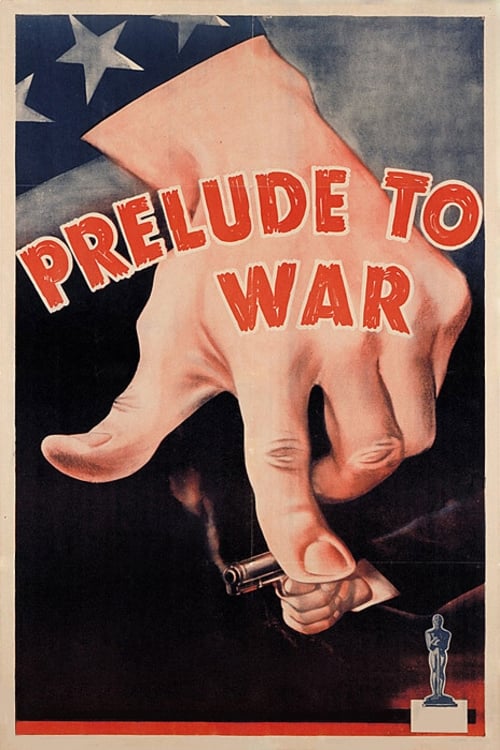
Oscar® du meilleur documentaire en 1943, ce film est le premier de la série Pourquoi nous combattons produite par le Département de la Guerre américain. L’objectif est de décrire et d’expliquer les événements qui ont poussé les États-Unis à entrer en guerre. Les systèmes totalitaires et répressifs allemands, italiens et japonais sont décryptés et opposés à la grande puissance démocratique des États-Unis.
Pourquoi nous combattons : Prélude à la guerre
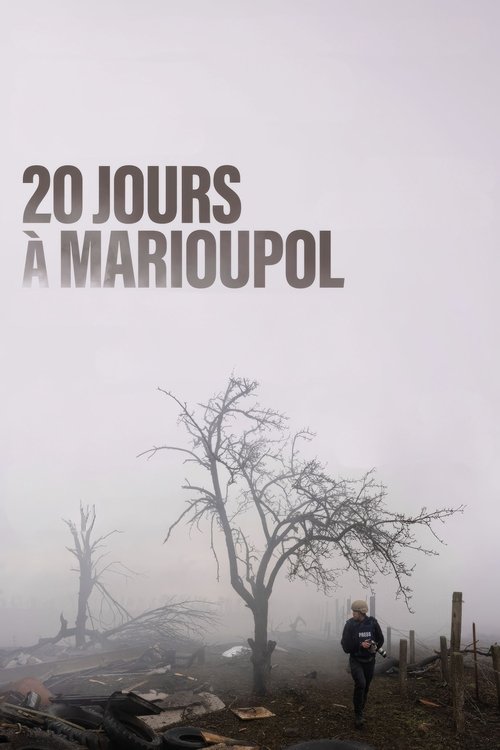
Février 2022. Une équipe de journalistes ukrainiens de l’Associated Press (AP), piégée dans la ville assiégée de Marioupol, filme les atrocités de l'invasion russe. Seuls reporters internationaux sur place, ils capturent ce qui deviendra plus tard des images marquantes de la guerre. Au plus près des civils, le réalisateur Mstyslav Chernov et son équipe, récompensés du prix Pulitzer, livrent un témoignage capital sur la réalité de la guerre qui déchire leur pays. Ils offrent un récit puissant et déchirant des civils pris dans le piège, ainsi qu'une réflexion sur la responsabilité d'un reporter en zone de conflit et sur l'impact d'un tel journalisme à l'échelle mondiale.
20 jours à Marioupol
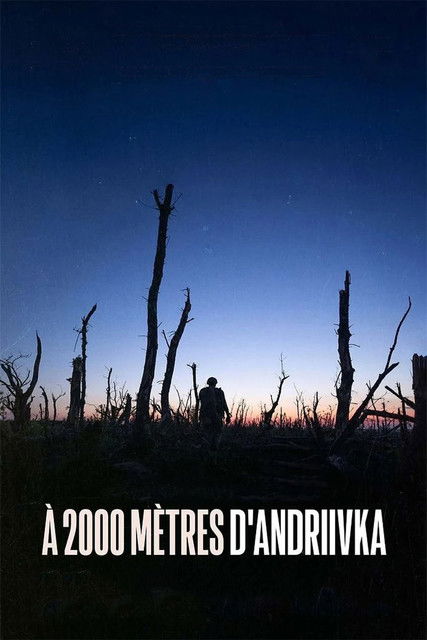
Une immersion viscérale au cœur de la guerre en Ukraine : Mstyslav Chernov suit des soldats ukrainiens en première ligne de front pour libérer le village d’Andriivka, un point stratégique de l’occupation russe proche de Bakhmut. Un véritable choc cinématographique.
À 2000 mètres d'Andriivka
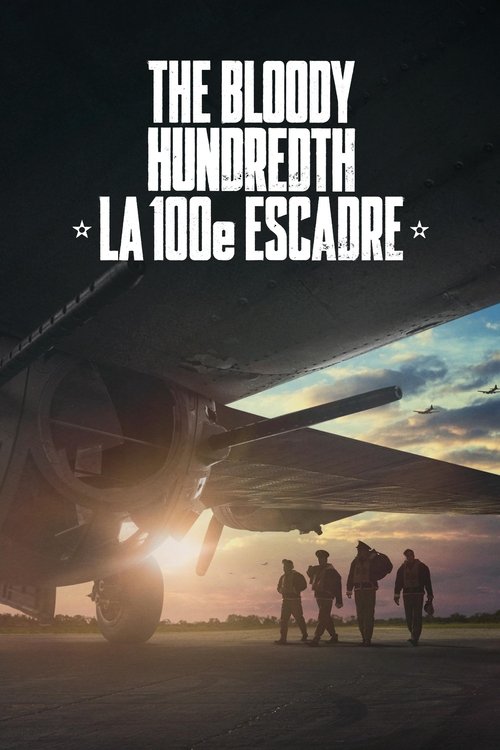
Rencontrez les vrais aviateurs ayant inspiré Masters of the Air à travers leur récit poignant et marquant sur le 100e groupe de bombardement.
The Bloody Hundredth : la 100e escadre
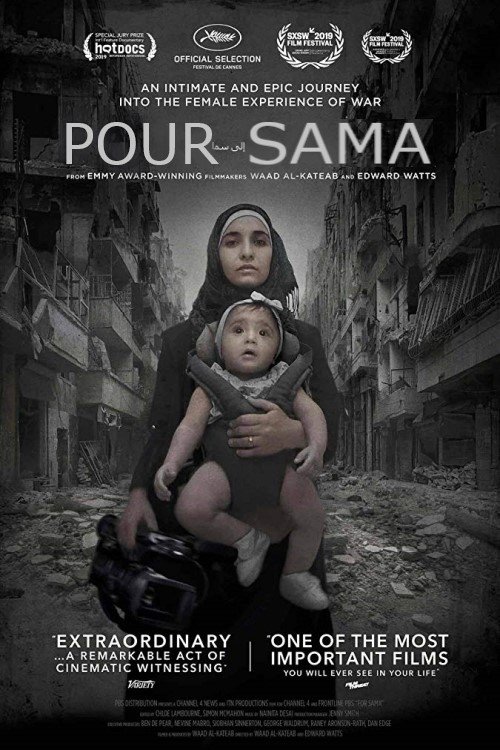
Waad al-Kateab est une jeune femme syrienne qui vit à Alep lorsque la guerre éclate en 2011. Sous les bombardements, la vie continue. Waad tombe amoureuse, se marie avec Hamza et donne naissance à sa fille, Sama. Elle filme au quotidien les pertes, les espoirs et la solidarité du peuple d’Alep. Son mari médecin sauve des centaines de vies dans un hôpital de fortune. Le couple est déchiré entre la protection de leur enfant et leur combat pour la liberté.
Pour Sama

Ll'histoire incroyable de la Easy Company racontée par les hommes qui y étaient dans ce documentaire captivant en complément de Band of Brothers.
Les Hommes de la Easy Company

A behind-the-scenes documentary about the Clinton for President campaign, focusing on the adventures of spin doctors James Carville and George Stephanopoulos.
The War Room
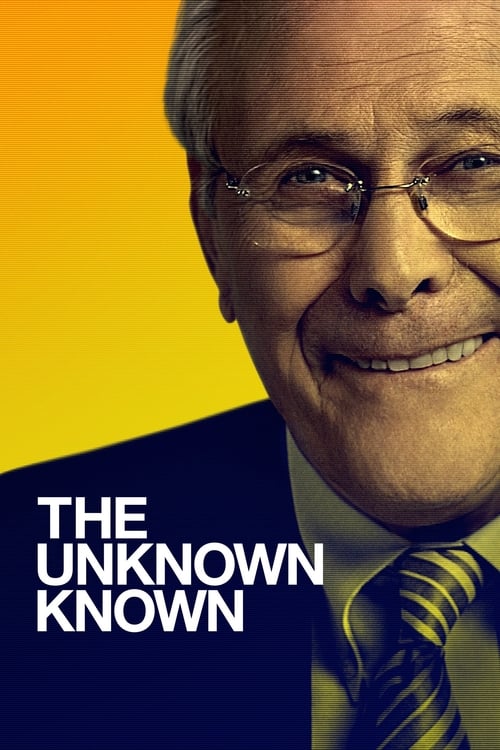
Former United States Secretary of Defense, Donald Rumsfeld, discusses his career in Washington D.C. from his days as a congressman in the early 1960s to planning the invasion of Iraq in 2003.
The Unknown Known
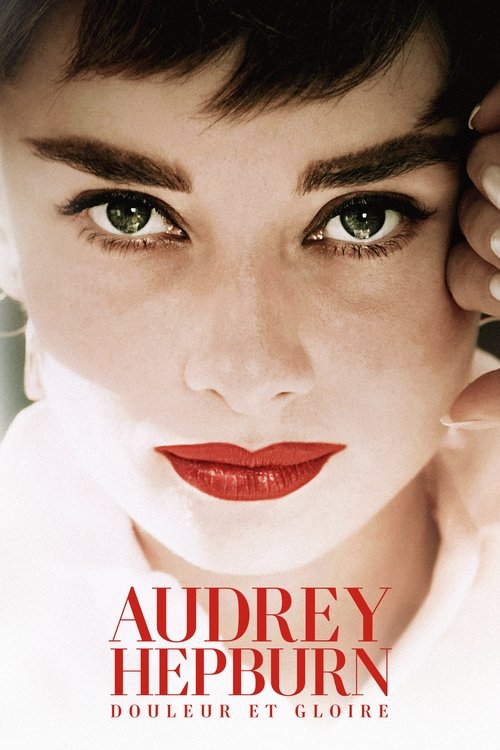
Un regard intime et sans précédent sur la vie, l'œuvre et l'héritage durable de l'actrice britannique Audrey Hepburn (1929-1993).
Audrey Hepburn : douleur et gloire
Vivez les évènements du 11 septembre 2001 à travers les yeux du Président Bush et de ses plus proches conseillers alors qu’ils revisitent les heures cruciales et les décisions clés de cette journée qui a marqué l’histoire.
11 septembre : dans la cellule de crise du Président
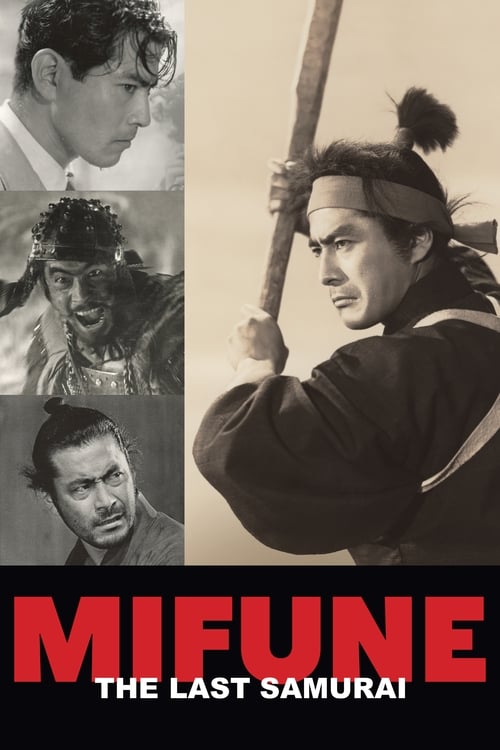
Un récit de la vie et de l'œuvre du légendaire acteur japonais Toshirō Mifune (1920-97), l'acteur le plus en vue de l'âge d'or du cinéma japonais.
Mifune, le dernier des samouraï
L'histoire du son au cinéma, racontée par des concepteurs sonores légendaires et des cinéastes visionnaires.
Making waves : la magie du son au cinéma
Une longue dérive dans Los Angeles vue à travers le cinéma de fiction hollywoodien.
Los Angeles Plays Itself

Le 7 janvier 1998, le film « Titanic », de James Cameron sortait en salles. Le long-métrage est devenu l'un des plus gros succès du cinéma en France. Il figure également parmi les plus populaires de l'histoire du grand écran. Les acteurs, Leonardo DiCaprio et Kate Winslet, sont des stars mondiales. Cette réalisation a glané de nombreuses récompenses et notamment, 11 Oscars. Le document revient sur les dessous de cette superproduction et les coulisses de ce tournage hors norme. L'occasion, entre autres, de découvrir les secrets qui se cachent derrière la chanson de Céline Dion « My Heart Will Go On », désormais un tube planétaire.
Titanic 20 ans d'un film culte
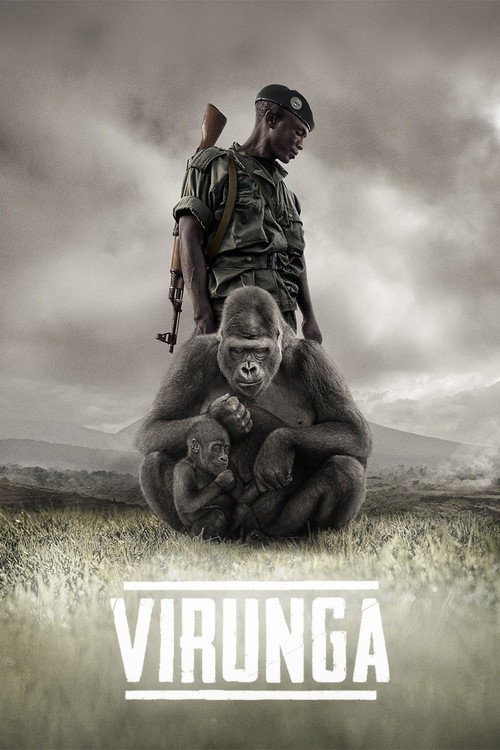
Virunga, c'est l'incroyable histoire de la défense d'un joyau du Congo face aux multinationales qui le saignent. Le film documentaire s'immisce dans une guerre économique sanguinaire, narrant la lutte de rangers qui risquent leur vie pour préserver le parc national de Virunga classé par l'UNESCO, source à la fois d'une biodiversité extraordinaire, générateur de revenus touristiques durables et poumons du Congo. Malheureusement, le parc suscite bien des convoitises, abritant dans son sol des minéraux précieux et du pétrole, peuplé d'éléphants et de gorilles régulièrement massacrés. Cette manne financière facile, des rebelles armés, les M23, en ont fait leur cheval de bataille, rôdant comme une ombre en corrompant à tout va - jusqu'à faire en sorte que le gouvernement autorise l'implantation en plein parc de SOCO, une multinationale pétrolière britannique.
Virunga
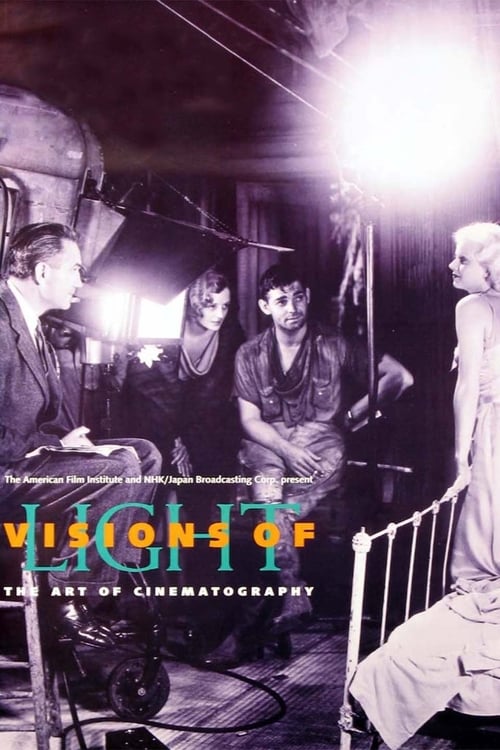
Cameramen and women discuss the craft and art of cinematography and of the "DP" (the director of photography), illustrating their points with clips from 100 films, from Birth of a Nation to Do the Right Thing. Themes: the DP tells people where to look; changes in movies (the arrival of sound, color, and wide screens) required creative responses from DPs; and, these artisans constantly invent new equipment and try new things, with wonderful results. The narration takes us through the identifiable studio styles of the 30s, the emergence of noir, the New York look, and the impact of Europeans. Citizen Kane, The Conformist, and Gordon Willis get special attention.
Visions of Light
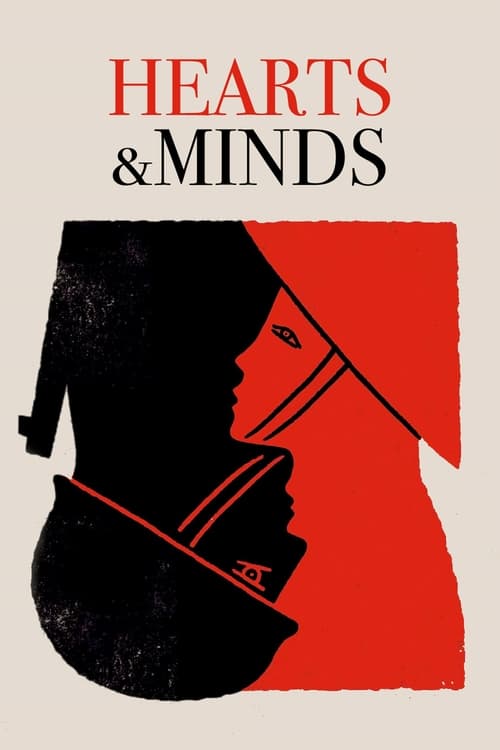
Un documentaire soulignant, à travers des images d'archives et des témoignages, les enjeux et les attitudes contradictoires des témoins de la guerre du Viêtnam. Le titre vient directement d'un discours du président Lyndon Johnson qui déclara, en tentant de justifier l'envoi de soldats au Viêtnam, que l'ultime victoire ne se gagnerait qu'avec le cœur et l'esprit des hommes qui vivent là-bas.
Le cœur et l'esprit
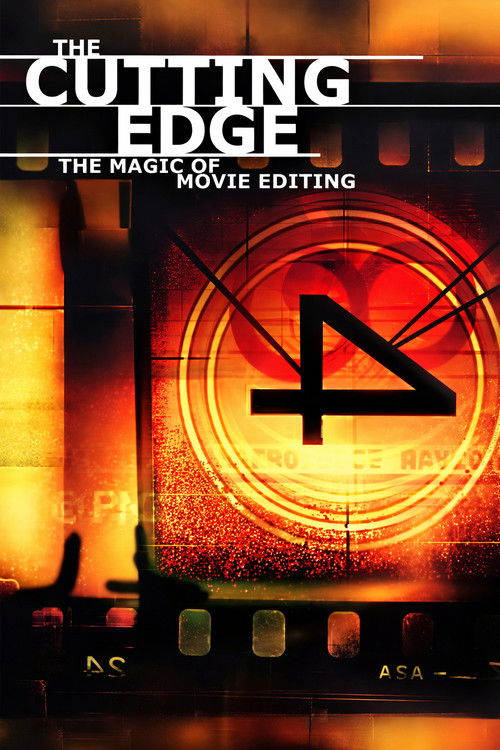
Documentary about the art of film editing. Clips are shown from many groundbreaking films with innovative editing styles.