Tsukiji
Synopsis
You might also like

In 1863, when American warships approach Japan, an enigmatic ronin becomes an important figure in a complex game of power between the Shogunate and the empire.
Assassination

An American journalist travels through 19th-century Japan to find the prostitute he fell in love with but instead learns of the physical and existential horror that befell her after he left.
Imprint

Set during Japan's Shogun era, this film looks at life in a samurai compound where young warriors are trained in swordfighting. A number of interpersonal conflicts are brewing in the training room, all centering around a handsome young samurai named Sozaburo Kano. The school's stern master can choose to intervene, or to let Kano decide his own path.
Taboo

After her anti-fascist professor father is dismissed, Yukie navigates love, political repression, and wartime upheaval—ultimately forging her own path in pre- and post-WWII Japan.
No Regrets for Our Youth
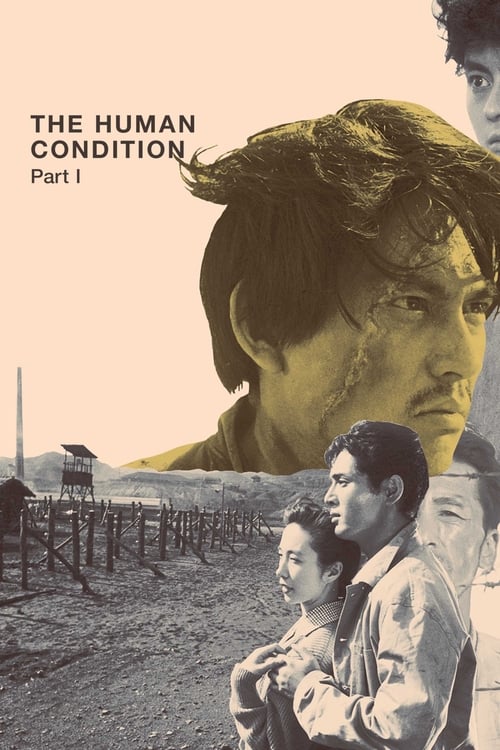
After handing in a report on the treatment of Chinese colonial labor, Kaji is offered the post of labour chief at a large mining operation in Manchuria, which also grants him exemption from military service. He accepts and moves with his newlywed wife Michiko, but when he tries to put his ideas of more humane treatment into practice, he finds himself at odds with scheming officials, cruel foremen, and the military police.
The Human Condition I: No Greater Love
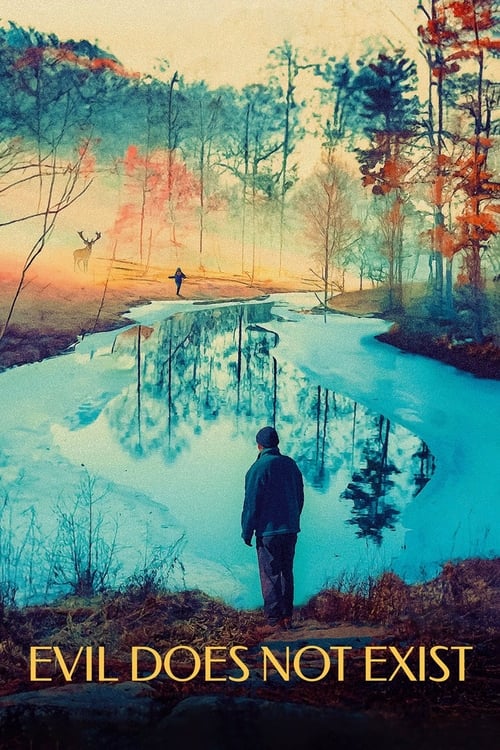
Takumi and his daughter Hana live in Mizubiki Village, close to Tokyo. One day, the village inhabitants become aware of a plan to build a camping site near Takumi's house offering city residents a comfortable "escape" to nature.
Evil Does Not Exist
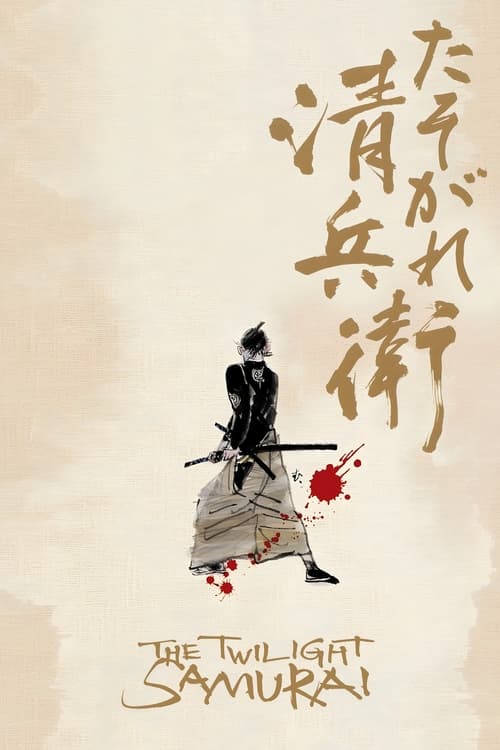
Seibei Iguchi leads a difficult life as a low ranking samurai at the turn of the nineteenth century. A widower with a meager income, Seibei struggles to take care of his two daughters and senile mother. New prospects seem to open up when the beautiful Tomoe, a childhood friend, comes back into he and his daughters' life, but as the Japanese feudal system unravels, Seibei is still bound by the code of honor of the samurai and by his own sense of social precedence. How can he find a way to do what is best for those he loves?
The Twilight Samurai

In 1923, teenager Kim Shun-Pei moves from Cheju Island, in South Korea, to Osaka, in Japan. Along the years, he becomes a cruel, greedy and violent man and builds a factory of kamaboko, processed seafood products, in his poor Korean-Japanese community exploiting his employees.
Blood and Bones

Subu makes pornographic films. He sees nothing wrong with it. They are an aid to a repressed society, and he uses the money to support his landlady, Haru, and her family. From time to time, Haru shares her bed with Subu, though she believes her dead husband, reincarnated as a carp, disapproves. Director Shohei Imamura has always delighted in the kinky exploits of lowlifes, and in this 1966 classic, he finds subversive humor in the bizarre dynamics of Haru, her Oedipal son, and her daughter, the true object of her pornographer-boyfriend’s obsession. Imamura’s comic treatment of such taboos as voyeurism and incest sparked controversy when the film was released, but The Pornographers has outlasted its critics, and now seems frankly ahead of its time.
The Pornographers

JSDF pilot Akane has a fateful encounter when a new Godzilla emerges in Tateyama. As a countermeasure, a cyborg named Kiryu is constructed from the remains of the original. The machine is discovered to harbor the restless soul of the original monster as Akane must learn to find value in her own life as well.
Godzilla Against MechaGodzilla

Because of her past, 17-year-old Rio lives her days filling the emptiness in her heart with money—until one day, she meets a university professor named Kouki and falls in love.
My Rainy Days

Tokyo schoolgirl Hiromi and her friends engage in a practice known as enjo kosai, or "compensated dating", where older men pay young girls for dates. Hiromi plunges deeper into this world to raise money for an expensive ring.
Love & Pop

Over the years, a child's romantic ideals about death blossom into necrophilia, the study of embalming and the most profound relationship of her life.
Kissed

Buddies working at an oshibori factory bond over an uncontrollable rage neither can control, as well as a strange jellyfish they keep as a pet.
Bright Future

Two interwoven stories. The first is a biography of anarchist Sakae Osugi which follows his relationship with three women in the 1920s. The second centers around two 1960s students researching Osugi's theories.
Eros + Massacre
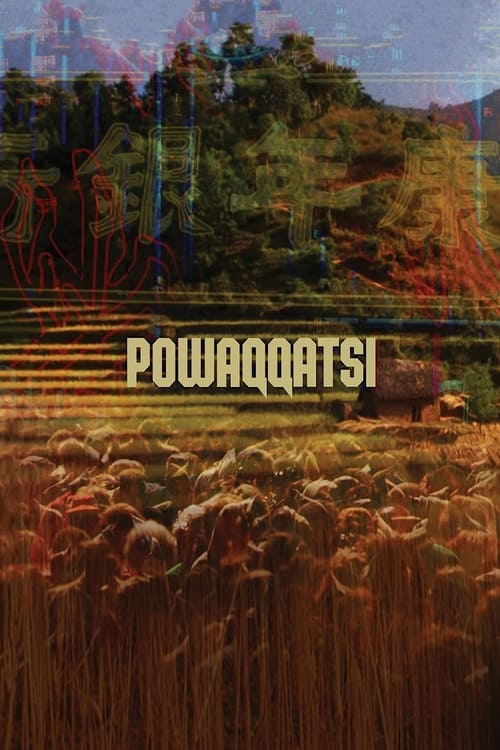
An exploration of technologically developing nations and the effect the transition to Western-style modernization has had on them.
Powaqqatsi

Tokiko patiently awaits her husband's return from WWII when her four-year old son falls ill. She takes him to the doctor but has no means of paying, so she resorts to prostitution. A month later, her husband returns to find his desperate wife, who tells him the truth. Together, they must deal with the consequences.
A Hen in the Wind

Will Keane, a Manhattan restaurateur, is content with his playboy lifestyle until he meets Charlotte Fielding, a free-spirited young woman. Together the pair pursue a passionate affair that forces them both to reevaluate what they want out of life, even as fate threatens to steal away their future.
Autumn in New York

Kiyoha rises from the lowly courtesan ranks to the high class position of Oiran in the steamy red-light district of Yoshiwara. She is determined to stand on her own two feet and live life as she pleased.
Sakuran

Totsuko is a high school student with the ability to see the 'colors' of others. Colors of bliss, excitement, and serenity, plus a color she treasures as her favorite. Kimi, a classmate at her school, gives off the most beautiful color of all. Although she doesn't play an instrument, Totsuko forms a band with Kimi and Rui, a quiet music enthusiast they meet at a used bookstore in a far corner of town. As they practice at an old church on a remote island, music brings them together, forming friendships and stirring affections.