Le cinéphile et le village
Synopsis
- Réalisateur
- Pascal Kané
- Langue originale
- français
Casting Principal

Vous aimerez aussi
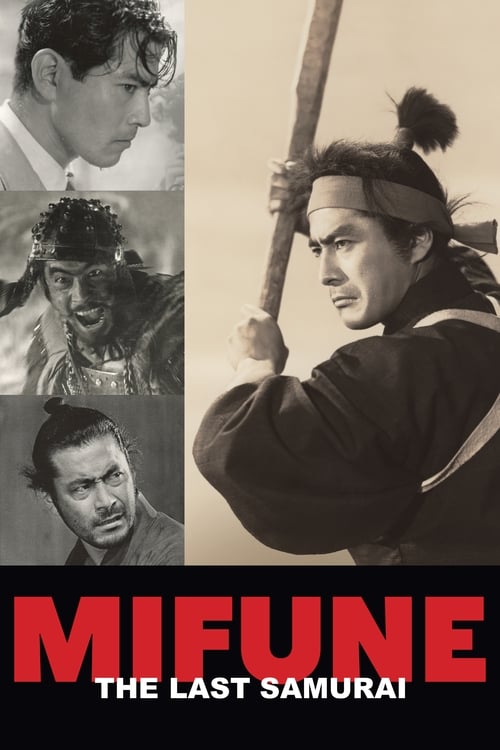
Un récit de la vie et de l'œuvre du légendaire acteur japonais Toshirō Mifune (1920-97), l'acteur le plus en vue de l'âge d'or du cinéma japonais.
Mifune, le dernier des samouraï
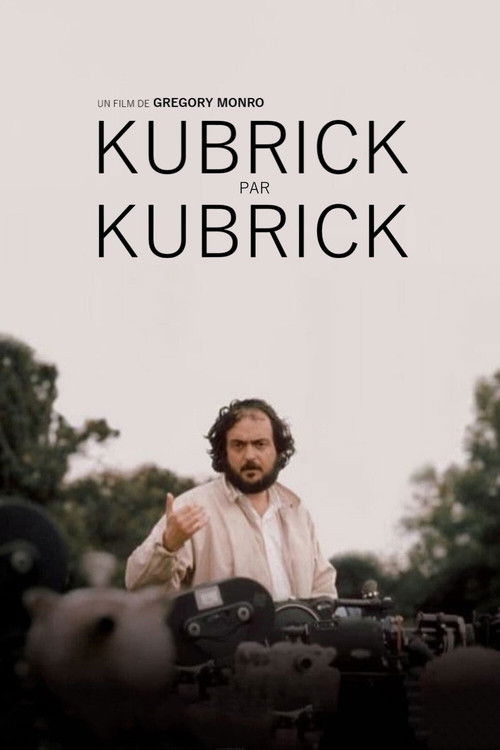
Le cinéaste américain Stanley Kubrick (1928-1999), l'un des plus grands de l'histoire, mais aussi l'un des plus réservés, a accordé peu d'interviews tout au long de sa longue carrière, et aucune d'entre elles n'a été filmée. Un voyage à la première personne à travers sa vie et son œuvre, basé sur une conversation enregistrée avec le critique de cinéma français Michel Climent.
Kubrick par Kubrick

En 1974, le réalisateur franco-chilien Alejandro Jodorowsky se lance dans le projet chimérique d'adapter au grand écran le roman influent de Frank Herbert, « Dune » (1969). Après avoir investi deux ans et des millions de dollars, ce projet gigantesque se solde par un échec ; mais les artistes réunis par Jodorowsky pour le mener à bien continuent à travailler ensemble et finissent par jeter les bases du cinéma de science-fiction moderne.
Jodorowsky's Dune
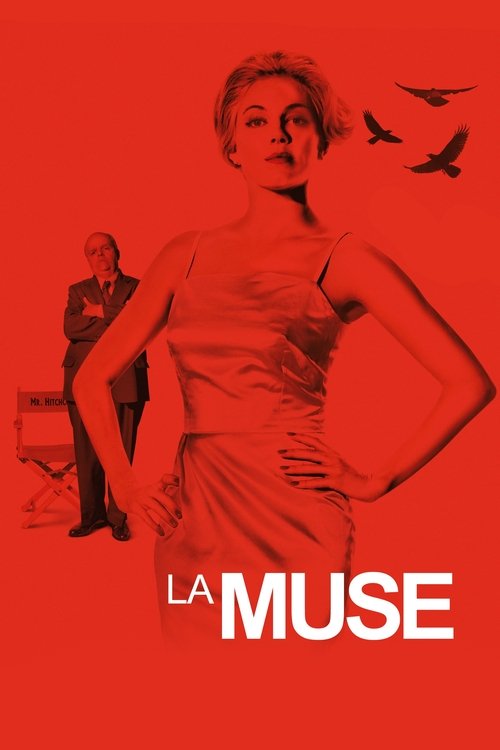
En 1961, le réalisateur Alfred Hitchcock découvre le mannequin Tippi Hedren dans une publicité télévisée. Troublé par la blondeur et la beauté glacée de la jeune femme, qui lui rappelle Grace Kelly, il l'incite à passer un bout d'essai. Convaincu, Hitchcock confie à Tippi Hedren le premier rôle de son nouveau film, «Les Oiseaux». Pendant le tournage, le réalisateur se montre de plus en plus fasciné, puis obsédé, par sa comédienne. Tiraillé par des sentiments contradictoires, malheureux, il ne cesse de la harceler. Malgré cette expérience épouvantable, Tippi accepte de travailler à nouveau avec Hitchcock. Le tournage de «Marnie» est tout aussi terrible. Alma, l'épouse de Hitchcock, assiste impuissante à la souffrance de son mari et à la torture morale qu'il inflige à sa comédienne...
The Girl
Le réalisateur révolutionnaire de la Nouvelle Vague Jean-Luc Godard s'entretient pendant vingt-cinq minutes avec le réalisateur américain de renom Woody Allen sur le rayonnement culturel, l'omniprésence et l'importance de la télévision, et la comparaison entre celle-ci et le cinéma en tant que moyen et forme d'expression.
Meetin' WA

Ce documentaire traite du passage de la pellicule au numérique , ceci vu par les réalisateurs et chefs-opérateurs majeurs de l’Histoire du cinéma.
La révolution digitale

Filmmaker Lawrence Shapiro discusses voice-over acting with the talented people behind the characters.
I Know That Voice

Documentaire intimiste tirant le portrait de l’acteur à travers sa carrière et sa vie de famille. Des témoignages de ses parents, Irina et Viktor, ainsi que des interviews de certains partenaires de jeu comme Jennifer Lawrence, Jodie Foster ou encore Kristen Stewart.
Love, Antosha
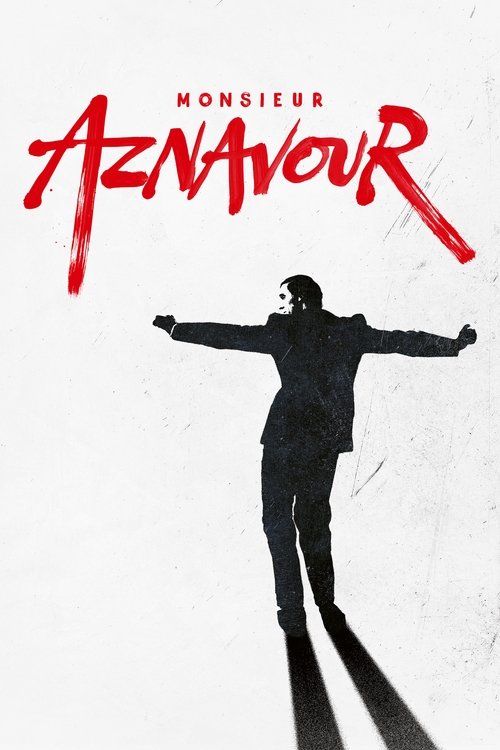
Fils de réfugiés, petit, pauvre, à la voix voilée, on disait de lui qu’il n’avait rien pour réussir. À force de travail, de persévérance et d’une volonté hors norme, Charles Aznavour est devenu un monument de la chanson, et un symbole de la culture française. Avec près de 1200 titres interprétés dans le monde entier et dans toutes les langues, il a inspiré des générations entières. Découvrez le parcours exceptionnel et intemporel de Monsieur Aznavour.
Monsieur Aznavour
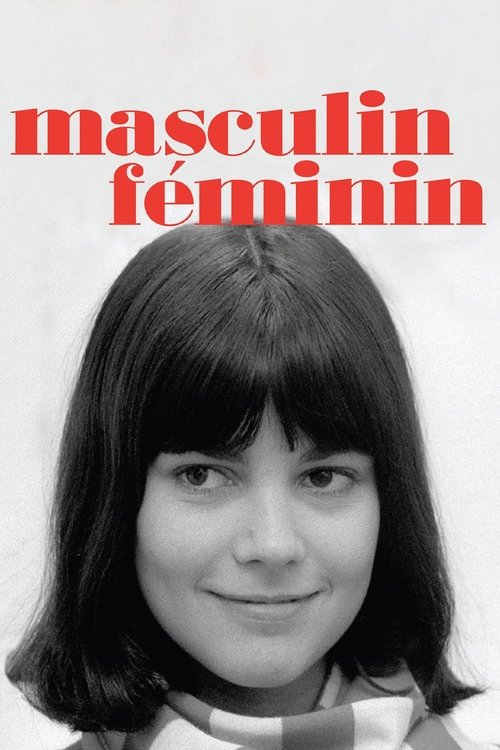
Paul, 21 ans, vient de terminer son service militaire. Il cherche un emploi. Dans un café, il retrouve son ami Robert, un militant de gauche. À côté d'eux, à une autre table, se trouvent Madeleine, Élisabeth et Catherine. Madeleine veut devenir chanteuse et s'apprête à enregistrer un disque. Élisabeth, moins assurée, la jalouse secrètement. Madeleine fait entrer Paul au journal « Salut les copains ». Paul s'éprend de Madeleine, qui ne songe qu'au début de succès que lui vaut son disque, tandis qu’Élisabeth se consume d'un amour muet pour lui. Paul se laisse emporter par l'action politique. Son insatisfaction, cependant, reste entière et harassante…
Masculin féminin
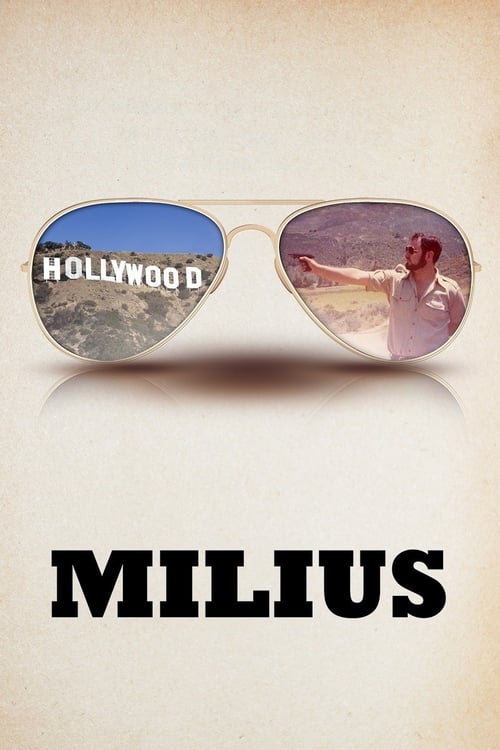
Focus sur la vie de John Milius.
Milius
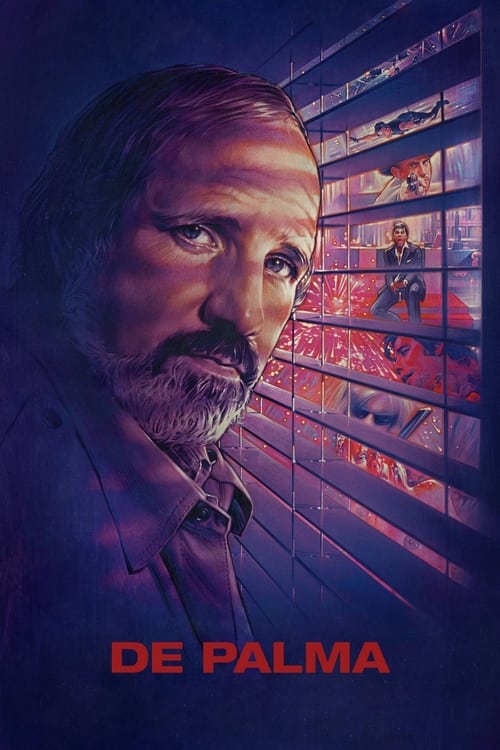
Une plongée dans l’univers de Brian De Palma.
De Palma
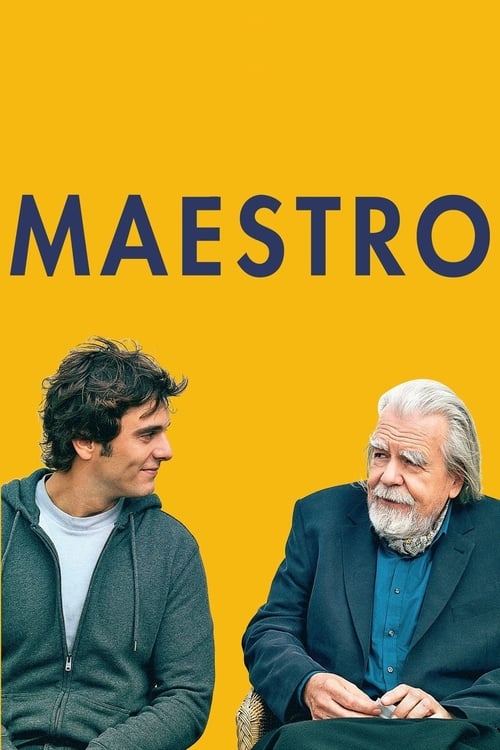
Henri, un jeune acteur qui rêve de jouer dans FAST & FURIOUS, se retrouve engagé dans le film de Cédric Rovère, monstre sacré du cinéma d’auteur. Les conditions du tournage ne sont pas tout à fait celles auxquelles il s’attendait… Mais le charme de sa partenaire et la bienveillance du maître vont faire naître en lui des sentiments jusqu’alors inconnus. Et Rovère, conquis par la jeunesse et la fantaisie d’Henri, vivra ce tournage comme un cadeau inattendu.
Maestro

Évocation de la vie de la reine d'origine autrichienne, épouse mal-aimée de Louis XVI, guillotinée en 1793. Au sortir de l'adolescence, une jeune fille découvre un monde hostile et codifié, un univers frivole où chacun observe et juge l'autre sans aménité. Mariée à un homme maladroit qui la délaisse, elle est rapidement lassée par les devoirs de représentation qu'on lui impose. Elle s'évade dans l'ivresse de la fête et les plaisirs des sens pour réinventer un monde à elle. Y a-t-il un prix à payer à chercher le bonheur que certains vous refusent ?
Marie-Antoinette
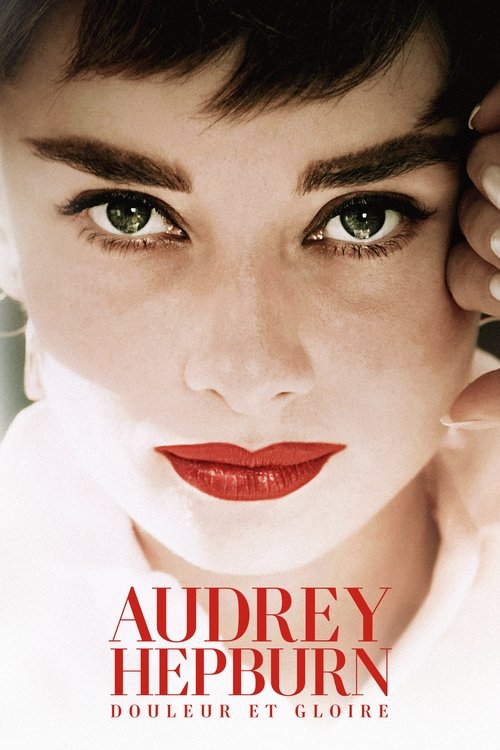
Un regard intime et sans précédent sur la vie, l'œuvre et l'héritage durable de l'actrice britannique Audrey Hepburn (1929-1993).
Audrey Hepburn : douleur et gloire
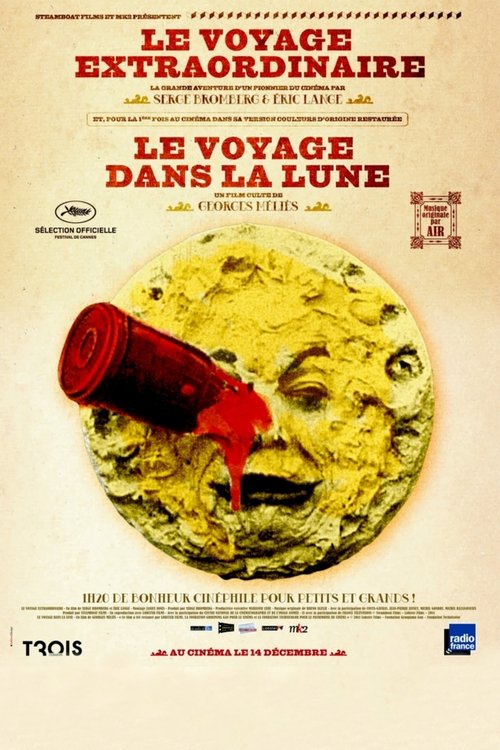
Un récit de la vie extraordinaire du pionnier du cinéma Georges Méliès (1861-1938) et l'histoire étonnante de la copie en couleur de son chef-d'œuvre « Un voyage dans la lune » (1902), retrouvée inopinément en Espagne et restaurée grâce aux efforts héroïques d'un groupe de vrais cinéphiles.
Le Voyage extraordinaire
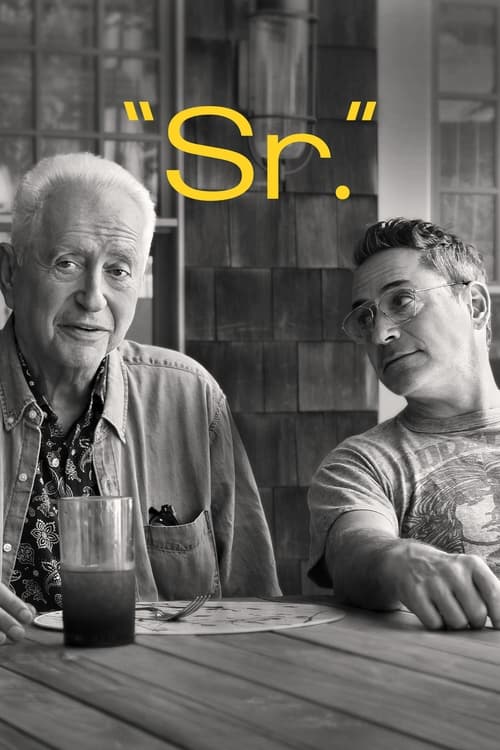
Robert Downey Jr. rend hommage à son regretté père dans ce documentaire qui revient sur la vie et la carrière éclectique du réalisateur avant-gardiste Robert Downey Sr.
Robert Downey Sr., le père
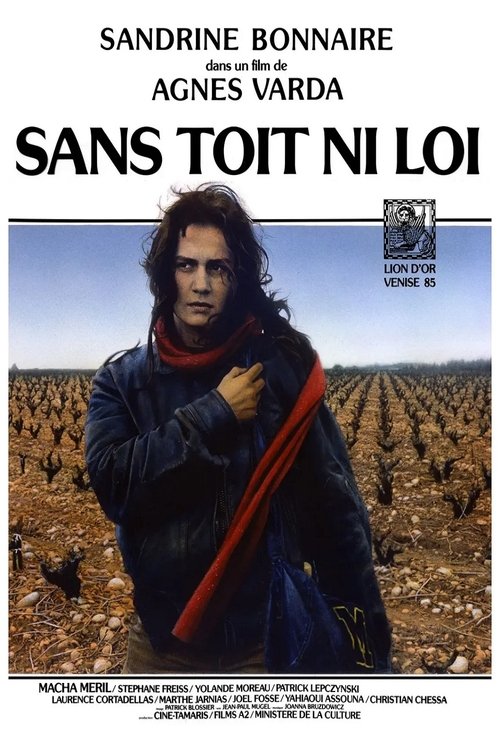
Une jeune fille errante est trouvée morte de froid : c'est un fait d'hiver. Était-ce une mort naturelle ? C'est une question de gendarme ou de sociologue. Que pouvait-on savoir d'elle et comment ont réagi ceux qui ont croisé sa route ? C'est le sujet du film. Peut-on faire le portrait d'une fille difficile à saisir et dont toute l'attitude est refus ? La caméra s'attache à Mona, racontant les deux derniers mois de son errance. Elle traîne. Installe sa tente près d'un garage ou d'un cimetière. Elle marche, surtout jusqu'au bout de ses forces.
Sans toit ni loi
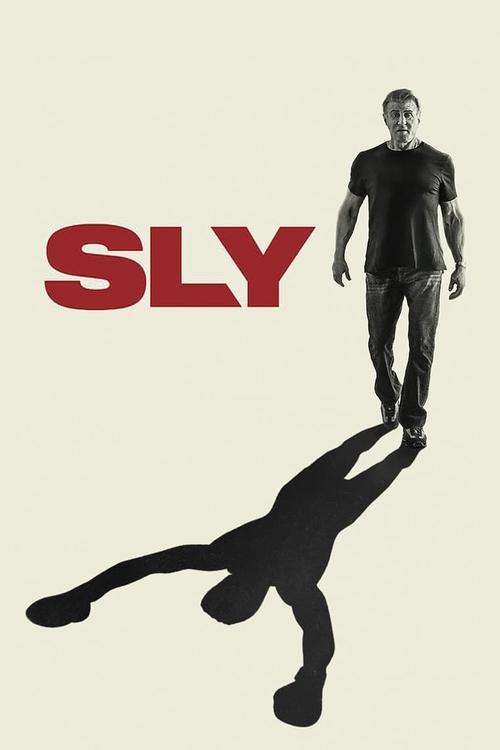
Sa passion pour le cinéma est née du besoin d'échapper à une enfance difficile. Sylvester Stallone raconte comment, en dépit des apparences, il s'est fait un nom à Hollywood.
Sly : Stallone par Stallone

Monsieur Cinéma est presque centenaire. Ex-acteur, producteur et réalisateur, il croit être le cinéma à lui tout seul et vit dans un château‑musée avec son majordome, Firmin. Il perd la boule et embrouille tout. Il engage alors une jeune cinéphile pour faire faire de l'aérobic à sa mémoire qui flanche. De nombreux visiteurs, des stars et un groupe de jeunes animent sa vieillesse confuse et heureuse. Les jeunes voudraient sa fortune pour « faire du cinéma ».
Les Cent et Une Nuits de Simon Cinéma
Avis & Notes
Connectez-vous pour donner votre avis
Partagez votre opinion avec la communauté.