You might also like
7.8
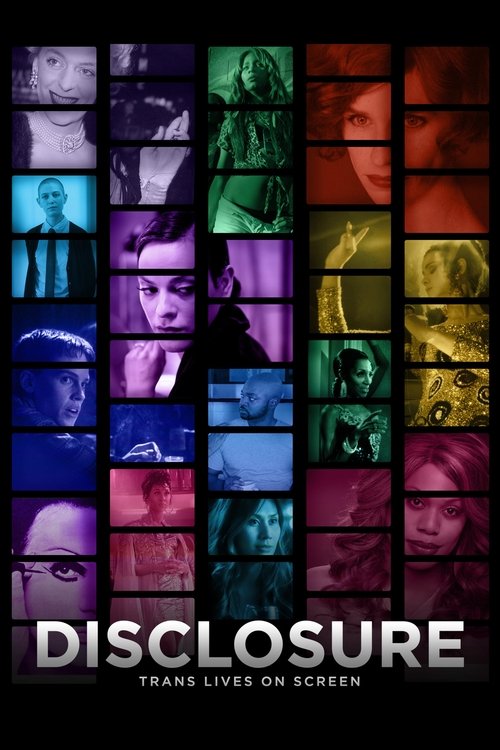
An investigation of how Hollywood's fabled stories have deeply influenced how Americans feel about transgender people, and how transgender people have been taught to feel about themselves.
Disclosure
2020
6.1
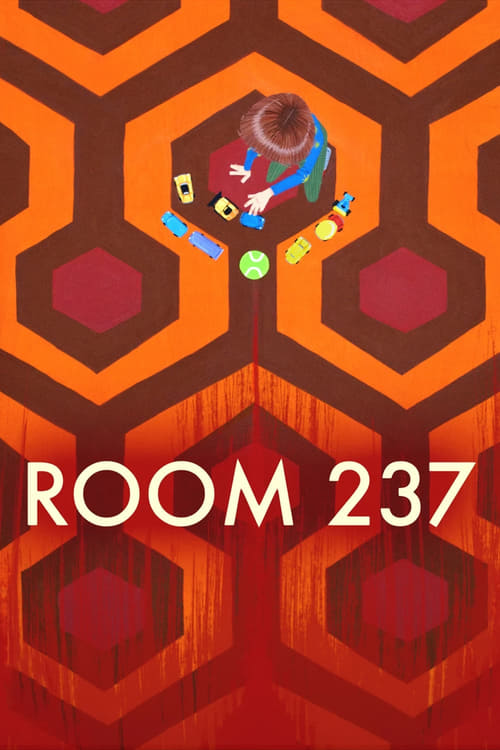
A subjective documentary that explores various theories about hidden meanings in Stanley Kubrick's classic film The Shining. Five very different points of view are illuminated through voice over, film clips, animation and dramatic reenactments.
Room 237
2012
6.9
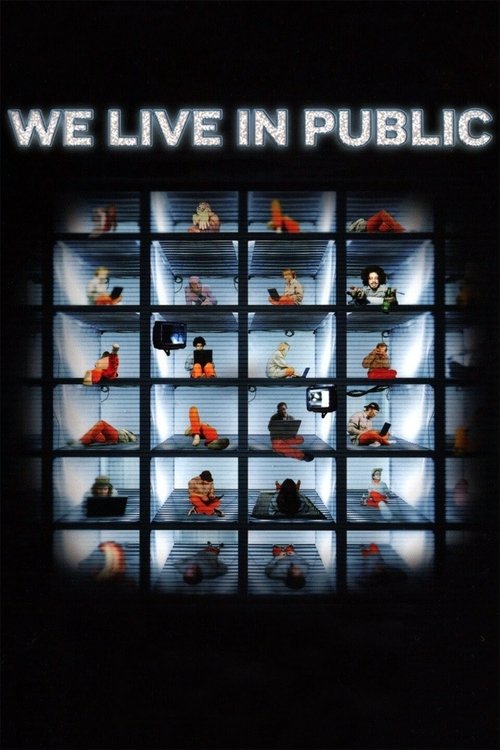
In 1999, Internet entrepreneur Josh Harris recruits dozens of young men and women who agree to live in underground apartments for weeks at a time while their every movement is broadcast online. Soon, Harris and his girlfriend embark on their own subterranean adventure, with cameras streaming live footage of their meals, arguments, bedroom activities, and bathroom habits. This documentary explores the role of technology in our lives, as it charts the fragile nature of dot-com economy.
We Live in Public
2009
6.8
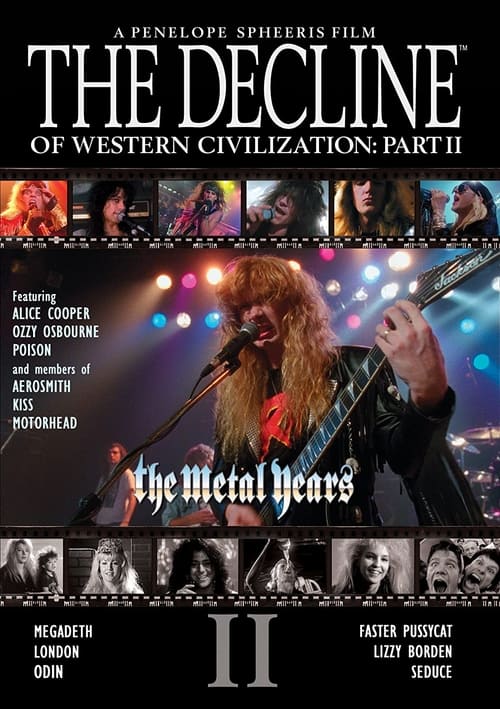
An exploration of the heavy metal scene in Los Angeles, with particular emphasis on glam metal. It features concert footage and interviews of legendary heavy metal and hard rock bands and artists such as Aerosmith, Alice Cooper, Kiss, Megadeth, Motörhead, Ozzy Osbourne and W.A.S.P..
The Decline of Western Civilization Part II: The Metal Years
1988
6.4
In 1972, a seemingly typical shoestring budget pornographic film was made in a Florida hotel: "Deep Throat," starring Linda Lovelace. This film would surpass the wildest expectation of everyone involved to become one of the most successful independent films of all time. It caught the public imagination which met the spirit of the times, even as the self-appointed guardians of public morality struggled to suppress it, and created, for a brief moment, a possible future where sexuality in film had a bold artistic potential. This film covers the story of the making of this controversial film, its stunning success, its hysterical opposition along with its dark side of mob influence and allegations of the on set mistreatment of the film's star.
Inside Deep Throat
2005
6.4
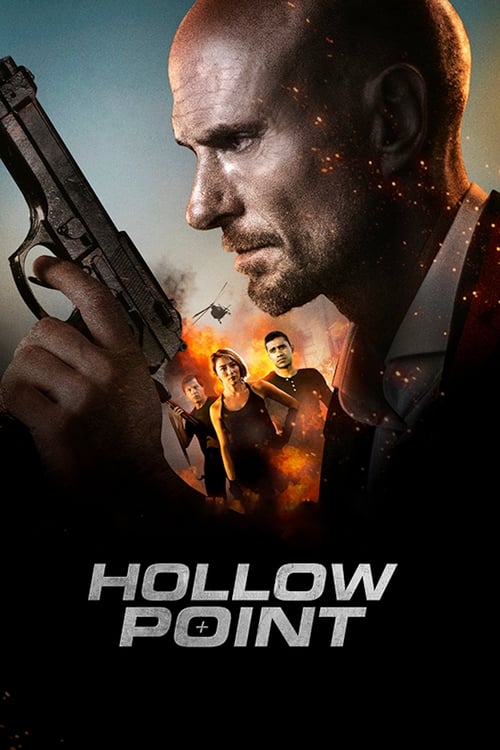
When his wife and daughter are senselessly murdered, a grieving man finds himself caught up in a war between a group of charismatic vigilantes and the crime that infests their city.
Hollow Point
2019
6.5
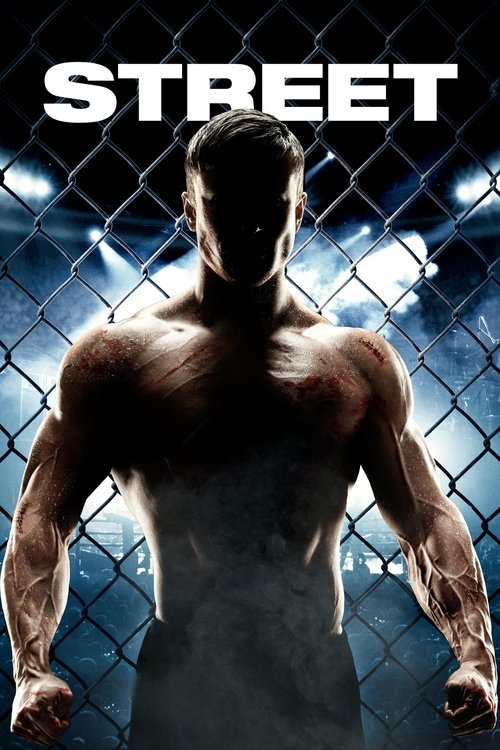
Remo Street is a young fighter who comes from a world where nothing is easy, so when he is faced with the opportunity to train with a world class coach, he has to choose between the long hard road to honor and glory, or succumbing to a brutal future as a cage fighter for the Russian Mafia.
Street
2015
7.9
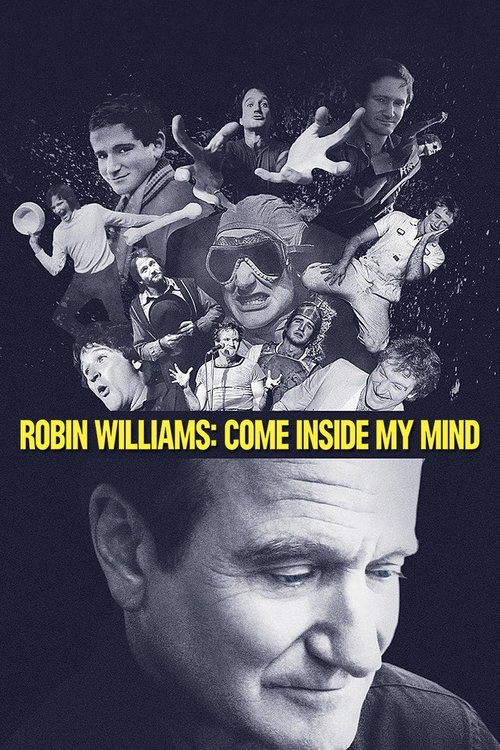
A funny, intimate and heartbreaking portrait of one of the world’s most beloved and inventive comedians, Robin Williams, told largely through his own words. Celebrates what he brought to comedy and to the culture at large, from the wild days of late-1970s L.A. to his death in 2014.
Robin Williams: Come Inside My Mind
2018
6.2
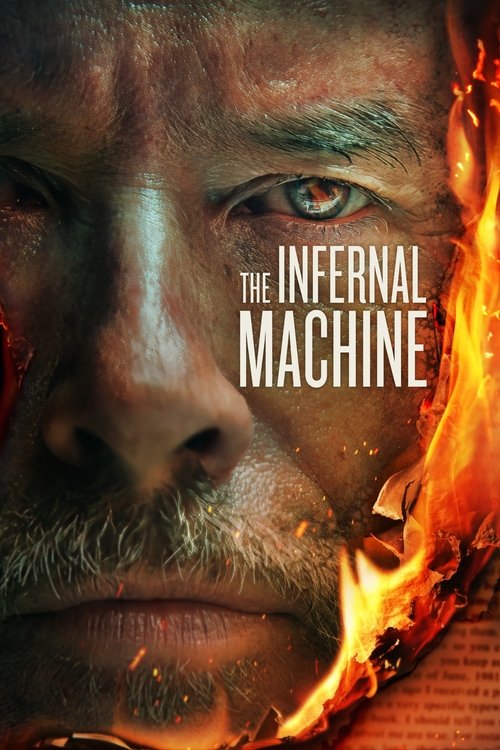
Reclusive and controversial author Bruce Cogburn is drawn out of hiding by an obsessive fan, forcing the novelist to confront a past that he thought he could escape, and to account for events set in motion by his bestseller decades earlier. Cogburn's search for who is behind the manipulation and mental torment he encounters leads to an emotional roller-coaster ride full of fear and danger, where things are not always as clear as they seem to be, and where past deeds can have dire consequences.
The Infernal Machine
2022
7.7
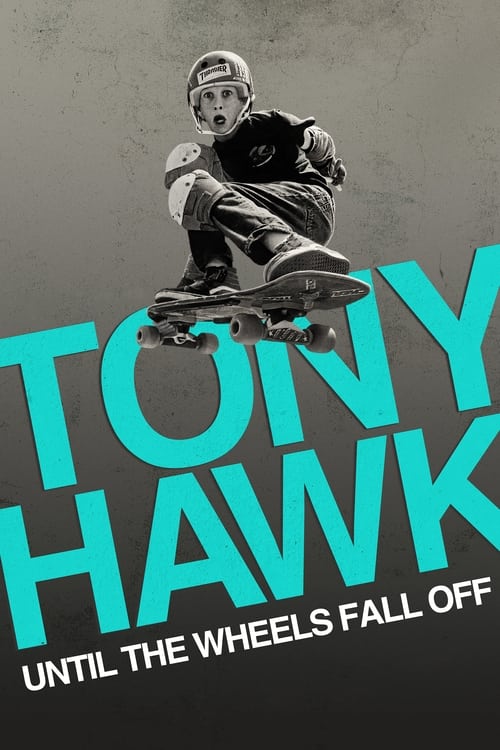
A wide-ranging, definitive look at Hawk’s life and iconic career, and his relationship with the sport with which he’s been synonymous for decades, featuring unprecedented access, never-before-seen footage, and interviews with Hawk and prominent figures in the sport including Stacy Peralta, Rodney Mullen, Mike McGill, Lance Mountain, Steve Caballero, Neil Blender, Andy MacDonald, Duane Peters, Sean Mortimer, and Christian Hosoi.
Tony Hawk: Until the Wheels Fall Off
2022
6.4
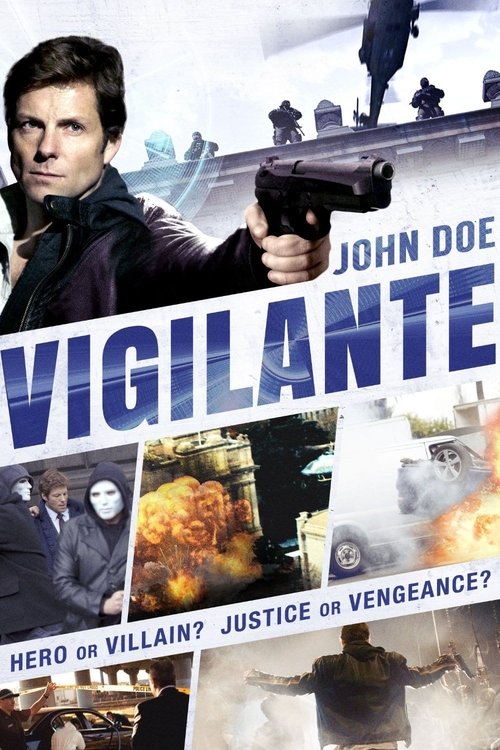
When John Doe is convicted of being a vigilante serial killer, a vigilante group named 'Speak for the Dead' emerges in support of John's cause—elevating the debate about justice versus vengeance.
John Doe: Vigilante
2014

6.9
Catherine, a novelist with an insatiable sexual appetite, becomes a prime suspect when her boyfriend is brutally murdered -- a crime she had described in her latest story.
Basic Instinct
1992

6.5
Over the past 25 years, Lauren Greenfield's documentary photography and film projects have explored youth culture, gender, body image, and affluence. Underscoring the ever-increasing gap between the haves and the have-nots, portraits reveal a focus on cultivating image over substance, where subjects unable to attain actual wealth instead settle for its trappings, no matter their ability to pay for it.
Generation Wealth
2018
7.6
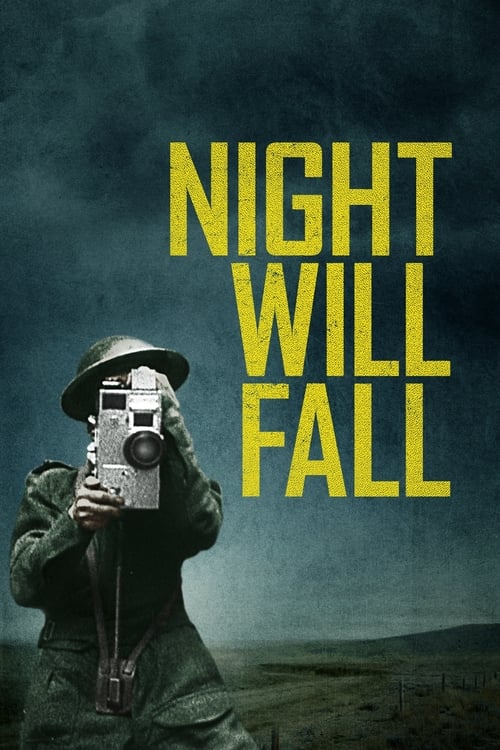
When Allied forces liberated the Nazi concentration camps in 1944-45, their terrible discoveries were recorded by army and newsreel cameramen, revealing for the first time the full horror of what had happened. Making use of British, Soviet and American footage, the Ministry of Information’s Sidney Bernstein (later founder of Granada Television) aimed to create a documentary that would provide lasting, undeniable evidence of the Nazis’ unspeakable crimes. He commissioned a wealth of British talent, including editor Stewart McAllister, writer and future cabinet minister Richard Crossman – and, as treatment advisor, his friend Alfred Hitchcock. Yet, despite initial support from the British and US Governments, the film was shelved, and only now, 70 years on, has it been restored and completed by Imperial War Museums under its original title "German Concentration Camps Factual Survey".
Night Will Fall
2014
7.0
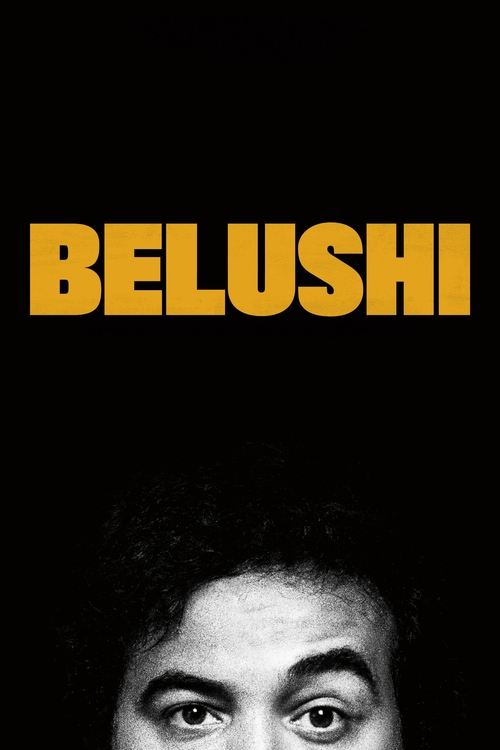
Using previously unheard audiotapes recorded shortly after John Belushi’s death, director R.J. Cutler’s documentary feature examines the too-short life of the once-in-a-generation talent who captured the hearts and funny bones of devoted audiences.
Belushi
2020
6.3
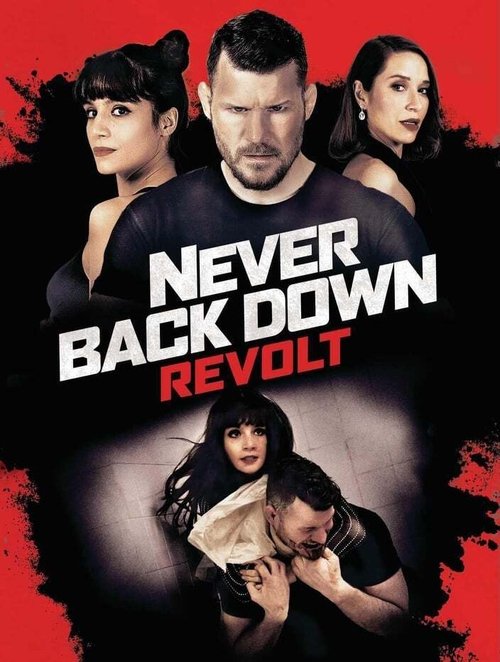
An amateur fighter is lured by a trafficking syndicate specializing in elite underground fighting where her brutal captor forces her to fight or face certain death.
Never Back Down: Revolt
2021

6.5
An agoraphobic psychologist and a female detective must work together to take down a serial killer who copies serial killers from the past.
Copycat
1995

7.2
The most famous murder scene in movie history comprises 78 camera settings and 52 cuts: the shower scene in Alfred Hitchcock's Psycho. 78/52 tells the story of the man behind the curtain and his greatest obsession.
78/52
2017
7.2
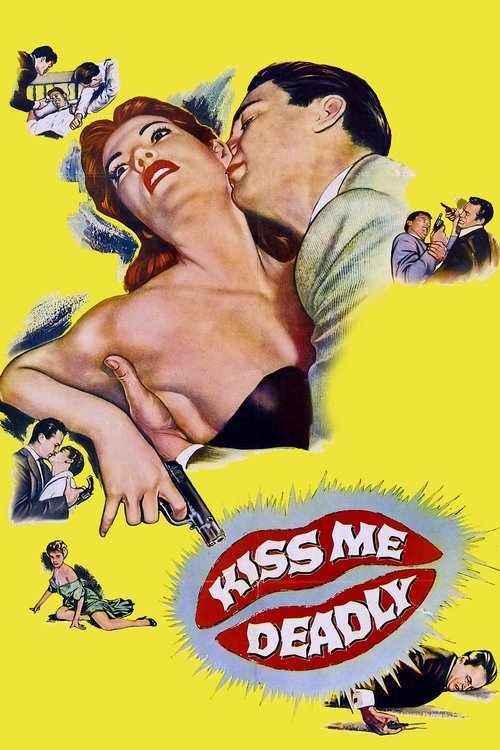
One evening, Hammer gives a ride to Christina, an attractive hitchhiker on a lonely country road, who has escaped from the nearby lunatic asylum. Thugs waylay them and force his car to crash. When Hammer returns to semi-consciousness, he hears Christina being tortured until she dies. Hammer, both for vengeance and in hopes that "something big" is behind it all, decides to pursue the case.
Kiss Me Deadly
1955
7.4
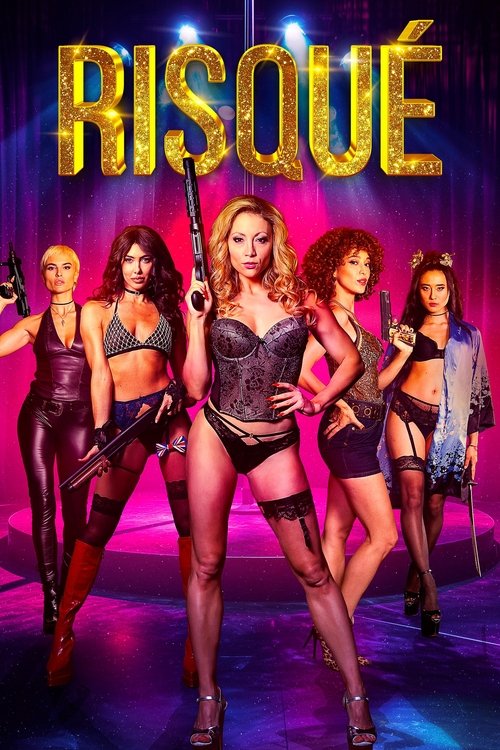
Fired from a strip club, a vengeful dancer masterminds a high-stakes heist with fellow strippers to take down the corrupt boss and the men who underestimate them.
Risqué
2025