

Le 5 août 1936, Jesse Owens, un jeune athlète noir, était sacré champion olympique du 200m à Berlin devant un parterre de nazis et leur chef suprême, Adolf Hitler. Lors de ces Jeux, il obtint 4 médailles d’or (100m, longueur, 200m, 4x100m), devenant un mythe et un exemple pour le monde entier.

Au plus fort de la Grande Dépression, les membres de l'équipe d'aviron de l'Université de Washington sont mis sous les projecteurs alors qu'ils concourent pour l'or aux Jeux olympiques de 1936 à Berlin.
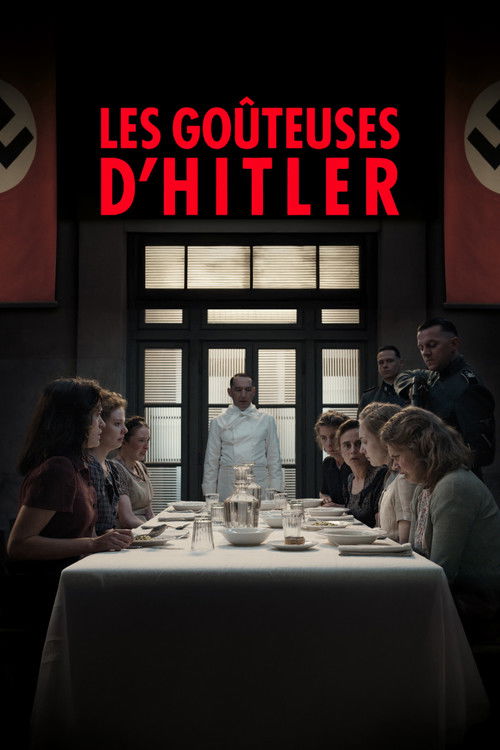
Durant la Seconde Guerre mondiale, Rosa est recrutée comme goûteuse pour le chef du parti nazi, Adolf Hitler. Trois fois par jour, la jeune femme et d'autres camarades doivent manger afin de s'assurer que la nourriture n'est pas empoisonnée. Chaque bouchée sera peut-être la dernière…

1938. La tension est palpable à la conférence de Munich. Deux anciens amis travaillant pour des gouvernements adverses agissent en coulisses pour révéler un secret nazi.
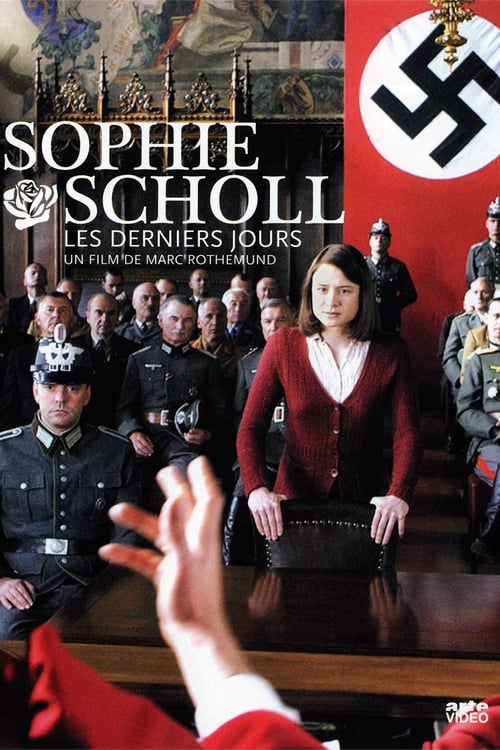
Munich, 1943. Tandis que Hitler mène une guerre dévastatrice à travers l'Europe, un groupe d'étudiants forme un mouvement de résistance, La Rose Blanche, appelant à la chute du IIIème Reich. D'obédience pacifique, ces membres propagent des tracts antinazis, couvrant les murs de la ville de slogans, et invitent la jeunesse du pays à se mobiliser. Le 18 février, Hans Scholl et sa sœur Sophie - qui font partie du noyau dur du mouvement - sont aperçus par le concierge de l'université de Munich en train de jeter des centaines de tracts du haut du deuxième étage donnant sur le hall. Ils sont immédiatement appréhendés par la Gestapo et emprisonnés à Stadelheim. Durant les jours suivants, l'interrogatoire de Sophie Scholl est mené par l'agent de la Gestapo Robert Mohr. Un véritable duel psychologique s'engage...

Le commandant d'Auschwitz Rudolf Höss et son épouse Hedwig réalisent sur un terrain directement adjacent au mur du camp leur vision d'une vie de rêve avec une famille nombreuse, une maison et un grand jardin. Cependant, lorsque Rudolf doit être muté à Oranienburg, leur petite vie idéale menace de s'effondrer et il cache l'information à son épouse. Quand Hedwig l'apprend, elle refuse de quitter sa maison de rêve.

Le film se déroule lors des Jeux Olympiques de Munich de 1972 : l'équipe de télévision américaine se voit contrainte d'interrompre subitement la diffusion des compétitions, pour couvrir la prise d'otage en direct d'athlètes israéliens. Un évènement suivi à l'époque par environ un milliard de personnes dans le monde entier. Au cœur de l'histoire, l'ambitieux jeune producteur Geoff veut faire ses preuves et va se retrouver confronté aux dilemmes de l'information en continu et de la moralité.

En 1936, Stefan Zweig décide de quitter définitivement l'Europe. Le film raconte son exil, de Rio de Janeiro à Buenos Aires, de New York à Petrópolis.

Manni est un petit malfrat qui accepte de se mouiller pour un gros coup : en revendant des diamants volés, il obtient cent mille marks, qu'il doit remettre à midi à un trafiquant. Mais il perd le sac contenant l'argent dans le métro berlinois.En dernier recours, il appelle sa copine, Lola, vingt ans, les cheveux rouges, fragile mais déterminée. Manni lui résume la situation. Il est onze heures quarante. Si dans vingt minutes, Manni ne récupère pas l'argent, c'est un homme mort. Désespérée, la jeune femme s'élance dans la capitale. Elle a vingt minutes pour trouver cent mille marks, rejoindre Manni et ainsi sauver l'homme de sa vie...
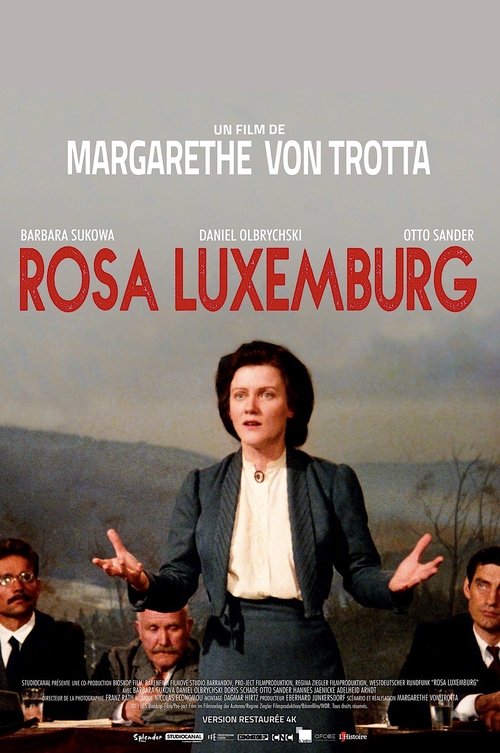
En décembre 1917, à la prison de Wronke, Rosa Luxembourg se souvient : 1906, déjà en prison, à Varsovie, l'exécution d'hommes dans la cour, son propre interrogatoire. 1899, Berlin : ses retrouvailles avec Léo Jogiches, son camarade de combat, son compagnon dans la vie. Lors de la soirée du jour de l'an, elle le présente aux dirigeants de la social-démocratie August Bebel, Karl Kautsky, mais évite le révisionniste Bernstein. 1910, Berlin : après une longue période d'activité révolutionnaire coupée d'emprisonnements en Pologne et en Allemagne, elle retrouve son amie Luise Kautsky. Puis, Léo arrive de Varsovie. Meetings et discussions théoriques de plus en plus vives s'enchaînent. L'amour et la politique s'emmêlent...

Alors qu'elle est aux prises avec une terrible tragédie personnelle, Isabel s'engage sur la voie de l'investigation et de la découverte à l'échelle mondiale. Malgré l'ampleur colossale de son projet, elle trouve la beauté et le courage de rédiger l'un des livres américains les plus marquants de notre époque.
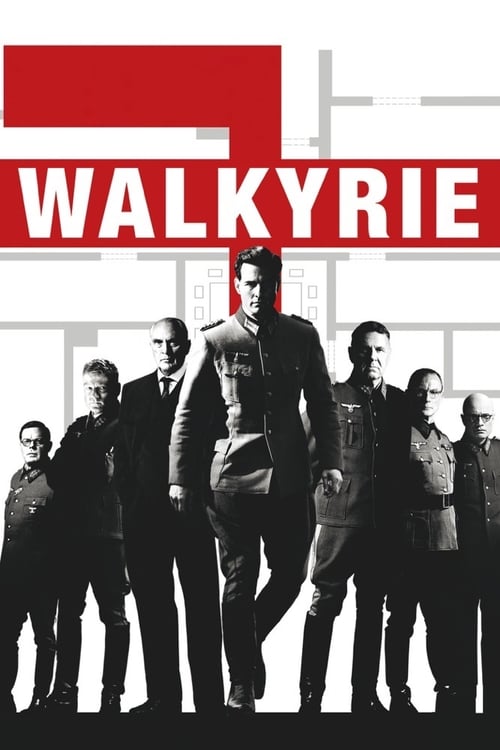
S'il a toujours été un fidèle serviteur de son pays, le colonel Stauffenberg s'inquiète de voir Hitler précipiter l'Allemagne et l'Europe dans le chaos. Comprenant que le temps presse, il décide de passer à l'offensive : en 1942, il tente de convaincre plusieurs officiers supérieurs de la nécessité de renverser Hitler. Un an plus tard, tandis qu'il se remet de ses blessures de guerre, il rejoint la Résistance allemande pour mettre au point l'Opération Walkyrie destinée à éliminer le Führer. Alors qu'il n'était au départ qu'un des nombreux conspirateurs, Claus von Stauffenberg se retrouve bientôt en première ligne : c'est lui qui devra assassiner Hitler...
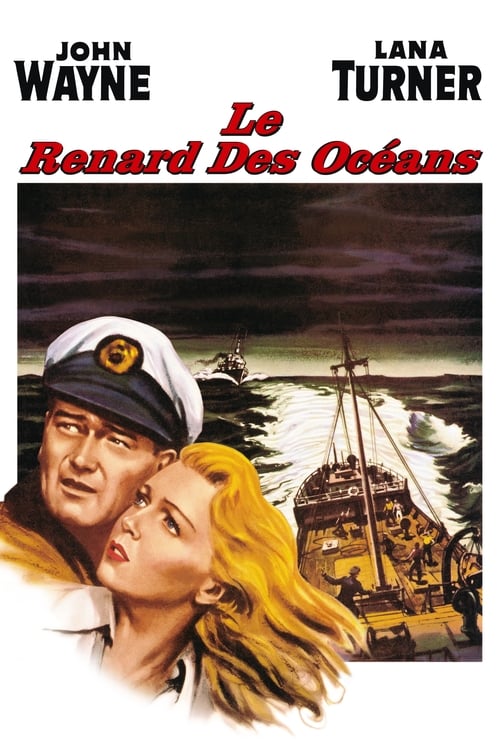
1939, peu avant le déclenchement de la Seconde Guerre mondiale, Carl Ehrlich capitaine du cargo allemand "Ergenstrass", que son antinazisme déclaré a privé de son commandement militaire, a parié avec son ami d'enfance le commandant Jeff Napier, qu'il sortira du port de Sidney en forçant le blocus. Cependant, le consul d'Allemagne exige d'Ehrlich qu'il prenne à son bord Elsa von Schwepp, une aventurière qui travaille à l'occasion pour les services secrets allemands et qui se trouve être la fiancée de Napier. Le capitaine de l'Ergenstrass a reçu l'ordre de déposer sa passagère dans un port neutre.

Nageuse émérite, Trudy Ederle est née en 1905 à New York de parents immigrés. Au fil des années, elle a défié les normes sociétales et surmonté les nombreux obstacles qui se sont succédé tout au long de sa destinée. Avec le soutien indéfectible de sa sœur aînée et d’entraîneurs dévoués, elle est devenue un modèle en intégrant non seulement les rangs de l’équipe olympique américaine de natation, mais en réalisant également l’inimaginable : être la première femme à nager les 34 kilomètres qui relient l’Angleterre à la France !

1979, en pleine guerre froide, deux familles ordinaires d’Allemagne de l’Est rêvent de passer à l’Ouest. Leur plan: construire une montgolfière et survoler la frontière. Une histoire incroyable. Une histoire vraie.
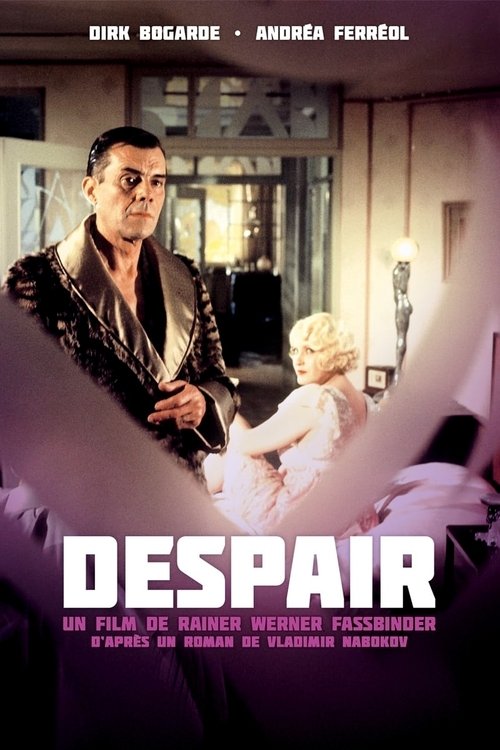
Berlin, années 30, pendant la montée du nazisme. Hermann Hermann, émigré russe et fabricant de chocolat, marié à la capricieuse Lydia, perd son sang-froid tous les jours dans ses rapports avec ses ouvriers et d'autres hommes d'affaires ; jusqu'à ce qu'il rencontre Felix, un clochard, qui semble être physiquement identique à lui ; un fait déconcertant qui conduit Hermann Hermann à tracer une voie particulière pour sortir d'un monde faux qu'il déteste en réalité.

Lorsque le mari de Ruth meurt à New York, en 2000, elle impose un deuil juif strict, ce qui intrigue ses enfants. Un étranger vient à la maison - le cousin de Ruth - avec une photo de Ruth, 8 ans, à Berlin, avec une femme qui, selon le cousin, a aidé Ruth à s'échapper. Hannah, la fille de Ruth fiancée à un gentil, se rend à Berlin pour retrouver la femme, Lena Fisher, aujourd'hui âgée de 90 ans. Se faisant passer pour une journaliste enquêtant sur les mariages mixtes, Hannah interviewe Lena qui raconte l'histoire d'une semaine en 1943 où les maris juifs de femmes aryennes étaient détenu dans un immeuble de la Rosenstrasse. Les femmes se rassemblent quotidiennement pour parler de leurs maris. Le film va et vient pour raconter l'histoire de Ruth et Lena. Comment cela affectera-t-il Hannah ?
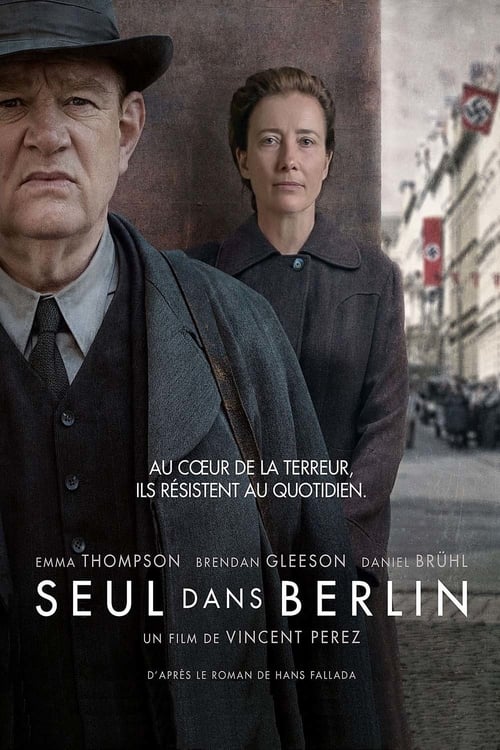
Berlin, 1940. Après la capitulation de la France, Adolf Hitler est au sommet du pouvoir. Le couple ouvrier Anna et Otto Quangel habitent dans un quartier modeste. Leurs voisins sont des fervents nazis, des juifs, des sympathisants du régime, des intellectuels : un échantillon de la société allemande de l’époque. Un jour de juin, la vie des Quangel bascule brutalement. Hans Quangel, le fils unique du couple, est un de ces jeunes hommes sacrifiés qui meurent au front. Avec sa disparition disparaît aussi l'unique raison de vivre que les Quangel avaient encore. Anna et Otto ne sont pas des résistants, ce sont des parents qui ont perdu leur enfant.

La plus grande chasse au trésor du XXe siècle est une histoire vraie. MONUMENTS MEN est inspiré de ce qui s’est réellement passé. En pleine Seconde Guerre mondiale, sept hommes qui sont tout sauf des soldats – des directeurs et des conservateurs de musées, des artistes, des architectes, et des historiens d’art – se jettent au cœur du conflit pour aller sauver des œuvres d’art volées par les nazis et les restituer à leurs propriétaires légitimes. Mais ces trésors sont cachés en plein territoire ennemi, et leurs chances de réussir sont infimes. Pour tenter d’empêcher la destruction de mille ans d’art et de culture, ces Monuments Men vont se lancer dans une incroyable course contre la montre, en risquant leur vie pour protéger et défendre les plus précieux trésors artistiques de l’humanité…

Inspired by true events from the spring of 1944 when the Nazis organized a football match between a team of camp inmates and an elite Nazi team on Adolf Hitler's birthday. A match the prisoners are determined to win, no matter what happens.
Connectez-vous pour donner votre avis
Partagez votre opinion avec la communauté.

Karoline Herfurth
Gretel Bergmann

Sebastian Urzendowsky
Marie Ketteler

Axel Prahl
Hans Waldmann

Robert Gallinowski
Sigfrid Kulmbach

Thomas Thieme
Hans von Tschammer und Osten

Johann von Bülow
Karl Ritter von Halt

August Zirner
Edwin Bergmann

Maria Happel
Paula Bergmann

Franz Dinda
Rudolph Bergmann

Leon Seidel
Walter Bergmann

Marita Breuer
Eleonore Ketteler
Otto Tausig
Leo Löwenstein