Film Quartet/Polyframe
Synopsis
You might also like
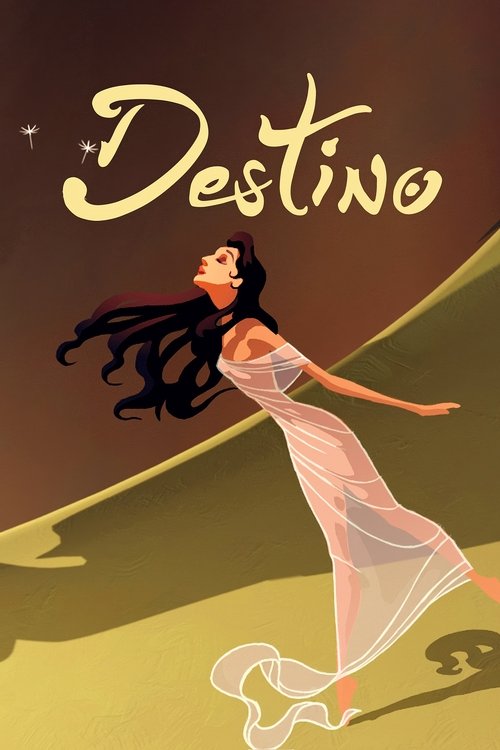
Short film to a song of love lost and rediscovered, a woman sees and undergoes surreal transformations. Her lover's face melts off, she dons a dress from the shadow of a bell and becomes a dandelion, ants crawl out of a hand and become Frenchmen riding bicycles. Not to mention the turtles with faces on their backs that collide to form a ballerina, or the bizarre baseball game.
Destino
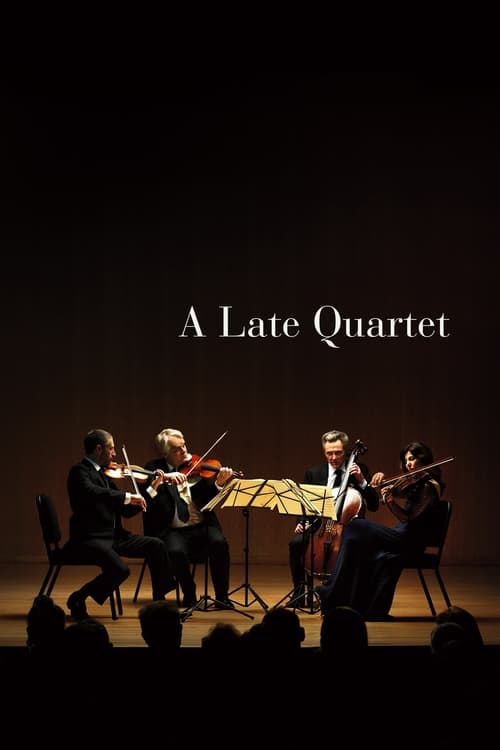
When the beloved cellist of a world-renowned string quartet is diagnosed with a life threatening illness, the group's future suddenly hangs in the balance as suppressed emotions, competing egos and uncontrollable passions threaten to derail years of friendship and collaboration. As they are about to play their 25th anniversary concert — quite possibly their last — only their intimate bond and the power of music can preserve their legacy.
A Late Quartet
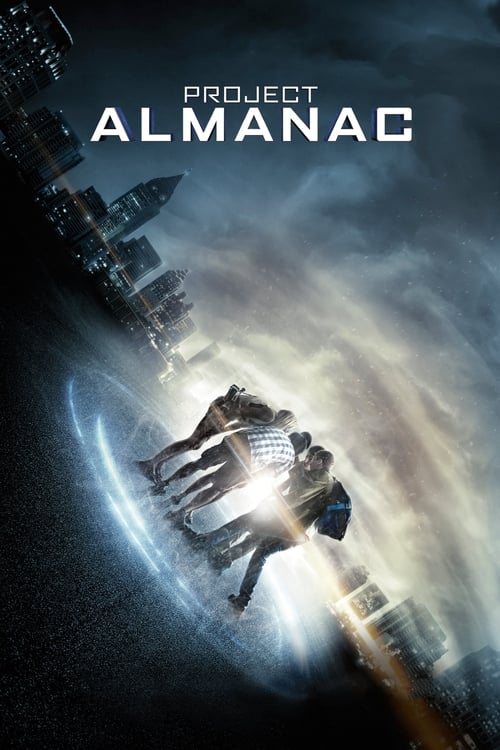
A group of teens discover secret plans of a time machine, and construct one. However, things start to get out of control.
Project Almanac
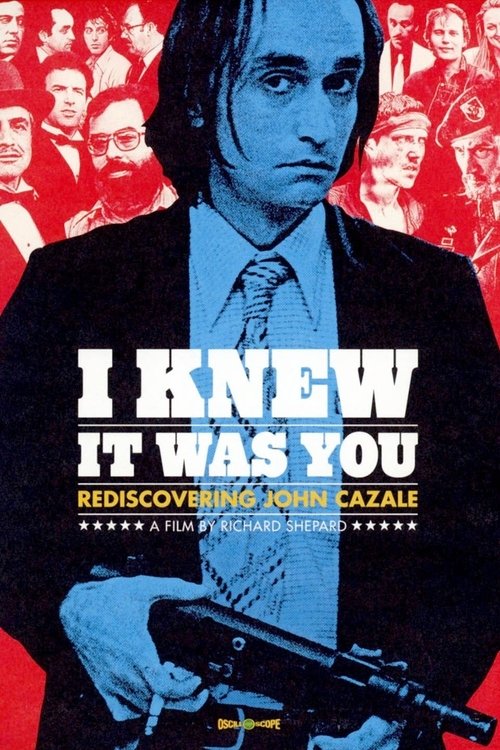
John Cazale was in only five films – The Godfather, The Conversation, The Godfather: Part II, Dog Day Afternoon and The Deer Hunter – each was nominated for Best Picture. Yet today most people don't even know his name. I KNEW IT WAS YOU is a fresh tour through movies that defined a generation.
I Knew It Was You: Rediscovering John Cazale
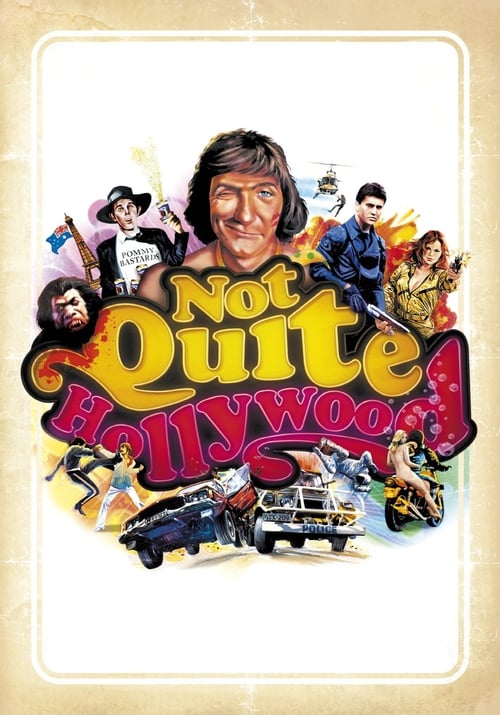
As Australian cinema broke through to international audiences in the 1970s through respected art house films like Peter Weir's "Picnic At Hanging Rock," a new underground of low-budget exploitation filmmakers were turning out considerably less highbrow fare. Documentary filmmaker Mark Hartley explores this unbridled era of sex and violence, complete with clips from some of the scene's most outrageous flicks and interviews with the renegade filmmakers themselves.
Not Quite Hollywood
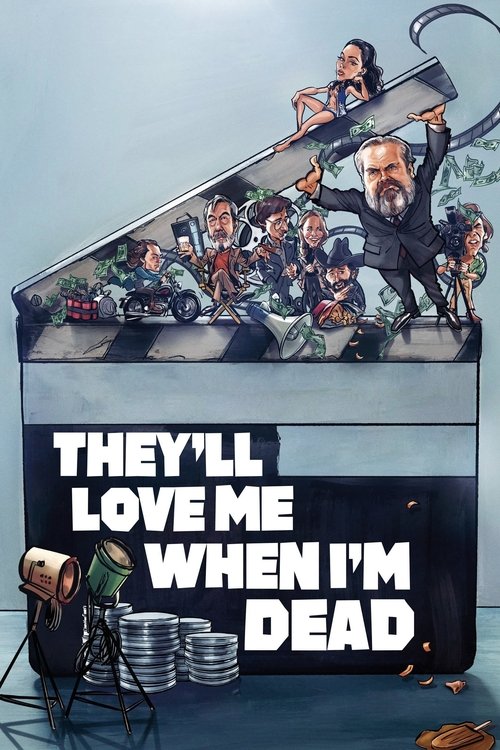
As his life comes to its end, famous Hollywood director Orson Welles puts it all on the line at the chance for renewed success with the film The Other Side of the Wind.
They'll Love Me When I'm Dead

A collection of Warner Brothers short cartoon features, "starring" the likes of Daffy Duck, Porky Pig and Wile.E.Coyote. These animations are interspersed by Bugs Bunny reminiscing on past events and providing links between the individual animations which are otherwise unconnected. This 1979 feature-length compilation includes several of his best cartoons. Among the 11 shorts shown in their entirety are the classics "Robin Hood Daffy," "What's Opera, Doc?," "Bully for Bugs," and "Duck Amuck". The Bugs Bunny Road Runner Movie provides a showcase not only for Jones's razor-sharp timing, but for the work of his exceptional crew, which included designer Maurice Noble, writer Mike Maltese, composers Carl Stalling and Milt Franklyn, and voice actor Mel Blanc.
The Bugs Bunny/Road Runner Movie
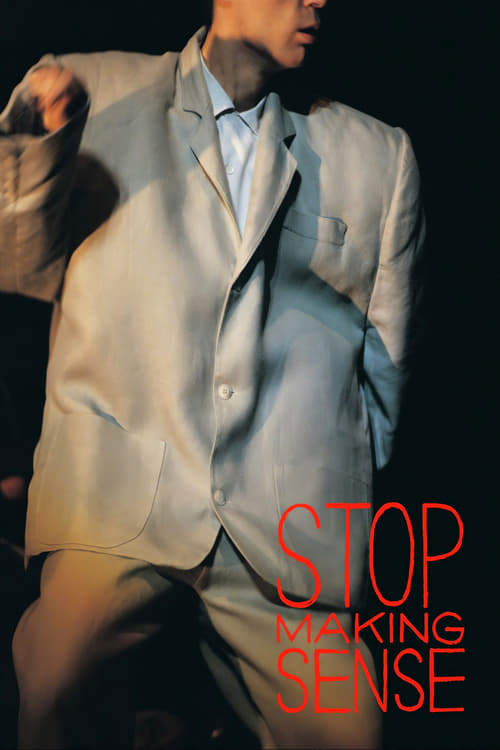
A concert film documenting Talking Heads at the height of their popularity, on tour for their 1983 album "Speaking in Tongues." The band takes the stage one by one and is joined by a cadre of guest musicians for a career-spanning and cinematic performance that features creative choreography and visuals.
Stop Making Sense
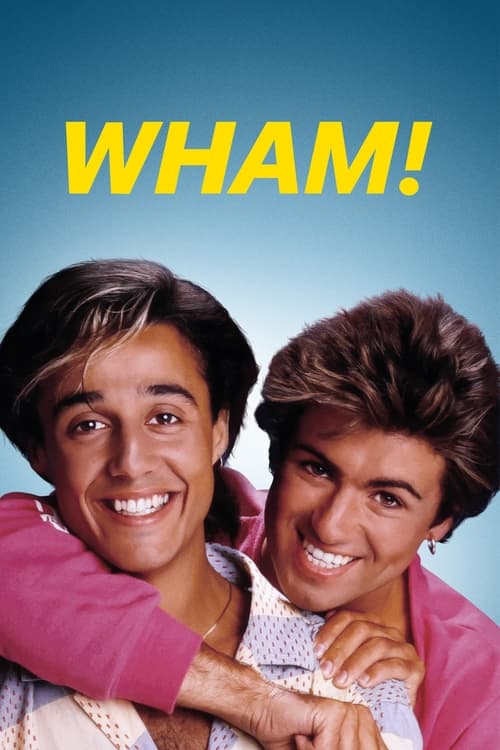
Through archival interviews and footage, George Michael and Andrew Ridgeley relive the arc of their Wham! career, from 70s best buds to 80s pop icons.
WHAM!
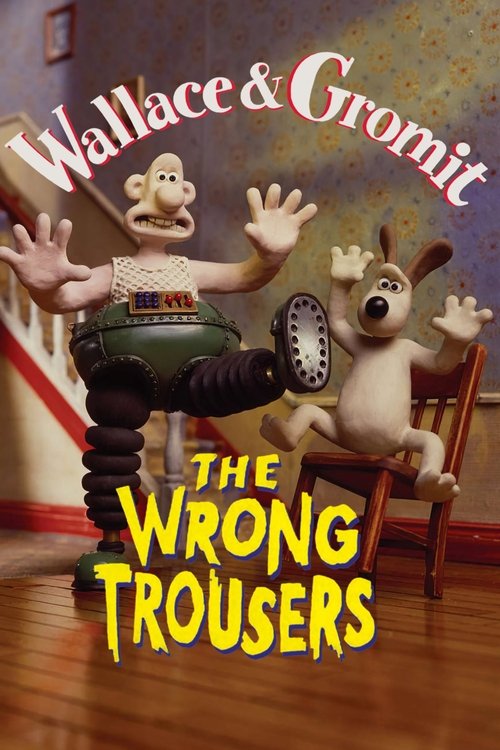
Wallace rents out Gromit's former bedroom to a penguin, who takes up an interest in the techno trousers created by Wallace. However, Gromit later learns that the penguin is a wanted criminal.
The Wrong Trousers
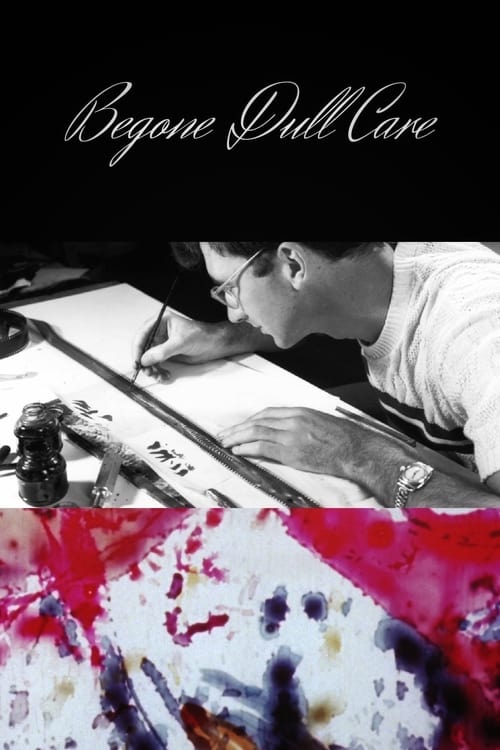
In this extraordinary short animation, Evelyn Lambart and Norman McLaren painted colours, shapes, and transformations directly onto their filmstrip. The result is a vivid interpretation, in fluid lines and colour, of jazz music played by the Oscar Peterson Trio.
Begone Dull Care

Fulton and Pepe's 2000 documentary captures Terry Gilliam's attempt to get The Man Who Killed Don Quixote off the ground. Back injuries, freakish storms, and more zoom in to sabotage the project.
Lost in La Mancha
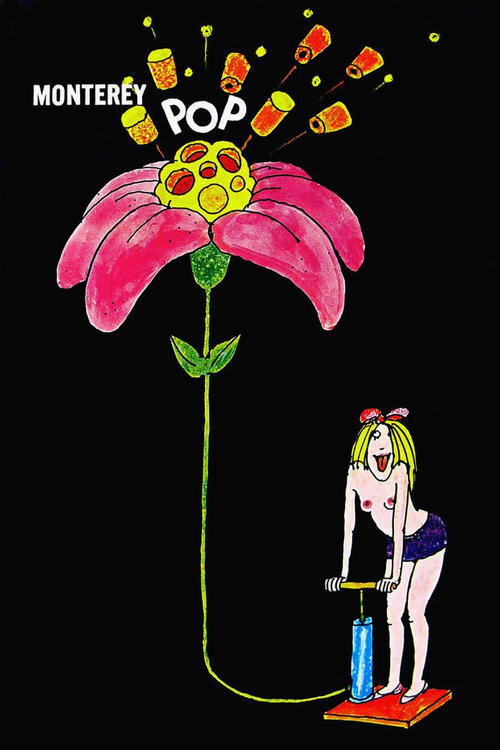
Featuring performances by popular artists of the 1960s, this concert film highlights the music of the 1967 California festival. Although not all musicians who performed at the Monterey Pop Festival are on film, some of the notable acts include the Mamas and the Papas, Simon & Garfunkel, Jefferson Airplane, the Who, Otis Redding, and the Jimi Hendrix Experience. Hendrix's post-performance antics -- lighting a guitar on fire, breaking it and tossing a part into the audience -- are captured.
Monterey Pop

When Juan Catalan is arrested for a murder he insists he didn't commit, he builds his case for innocence around unexpected raw footage.
Long Shot

A tribute to Italian filmmaker Sergio Corbucci (1926-90), presented by American filmmaker Quentin Tarantino.
Django & Django: Sergio Corbucci Unchained
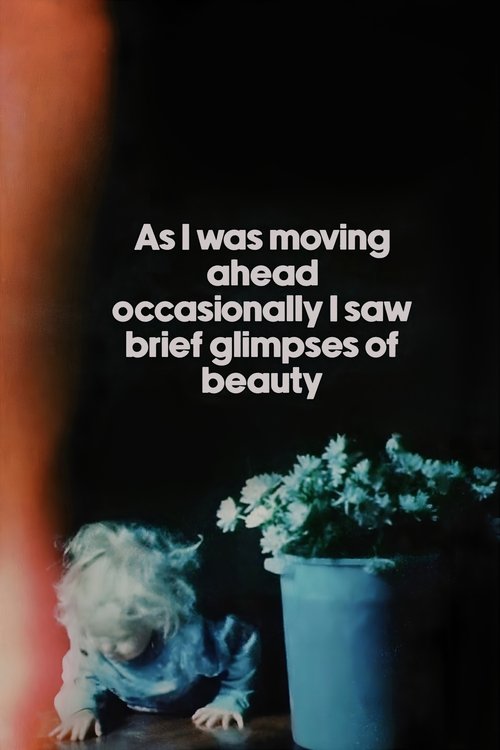
A compilation of over 30 years of private home movie footage shot by Lithuanian-American avant-garde director Jonas Mekas, assembled by Mekas "purely by chance", without concern for chronological order.
As I Was Moving Ahead, Occasionally I Saw Brief Glimpses of Beauty
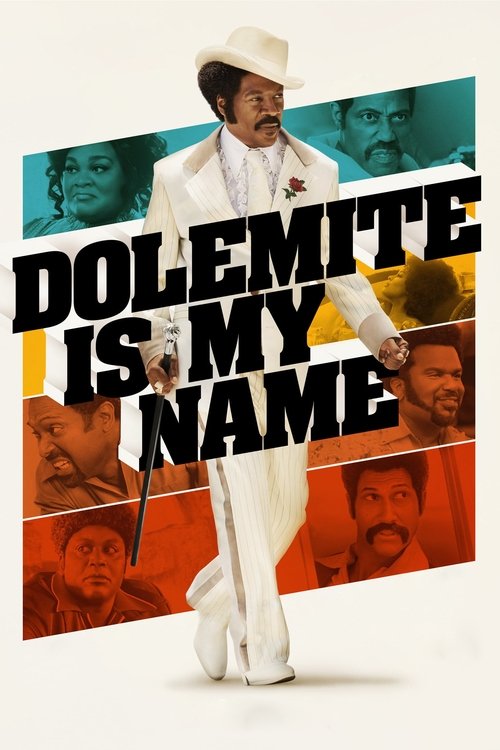
The story of Rudy Ray Moore, who created the iconic big screen pimp character Dolemite in the 1970s.
Dolemite Is My Name
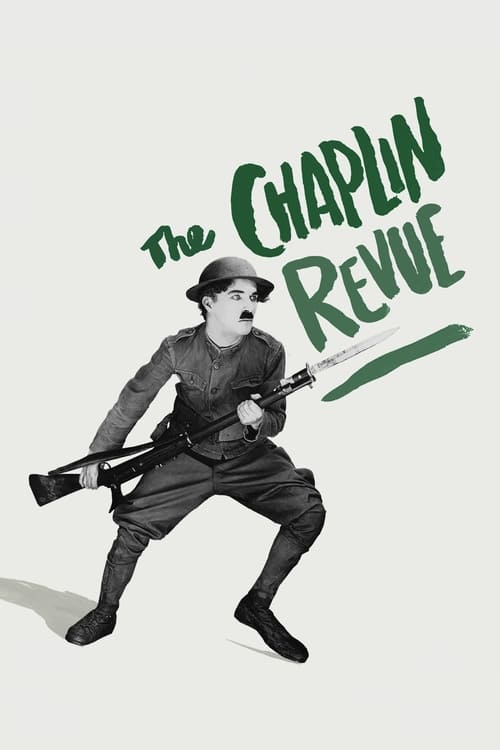
Three Chaplin silent comedies "A Dog's Life", "Shoulder Arms", and "The Pilgrim" are strung together to form a single feature length film. Chaplin provides new music, narration, and a small amount of new connecting material. "Shoulder Arms" is now described as taking place in a time before "the atom bomb".
The Chaplin Revue
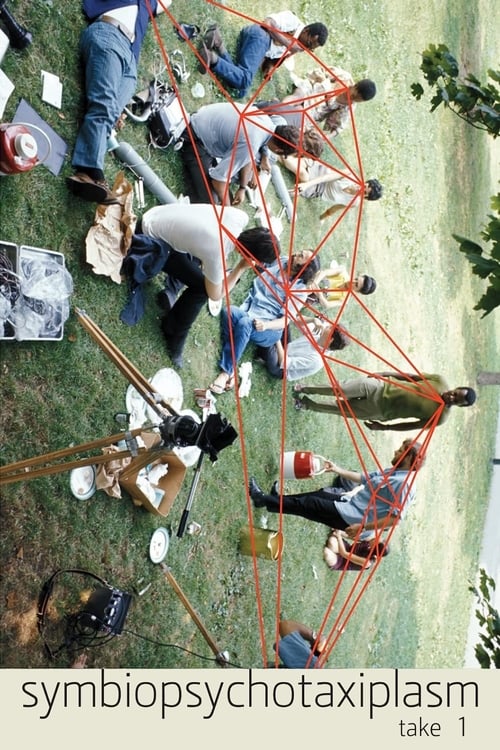
In Manhattan's Central Park, a film crew directed by William Greaves is shooting a screen test with various pairs of actors. It's a confrontation between a couple: he demands to know what's wrong, she challenges his sexual orientation. Cameras shoot the exchange, and another camera records Greaves and his crew. Sometimes we watch the crew discussing this scene, its language, and the process of making a movie. Is there such a thing as natural language? Are all things related to sex? The camera records distractions - a woman rides horseback past them; a garrulous homeless vet who sleeps in the park chats them up. What's the nature of making a movie?
Symbiopsychotaxiplasm: Take One
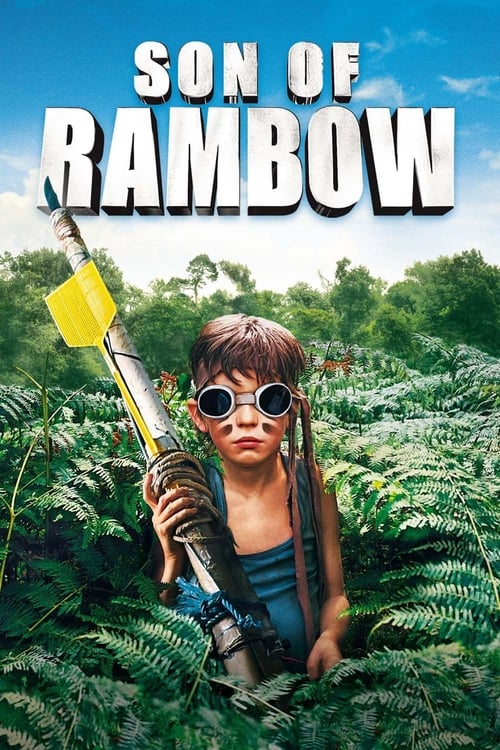
Will is looking for an escape from his family when he encounters Lee, the school bully. Armed with a video camera and a copy of Rambo, Lee plans to make his own action-packed video epic.