Pinochet's Women
Synopsis
You might also like
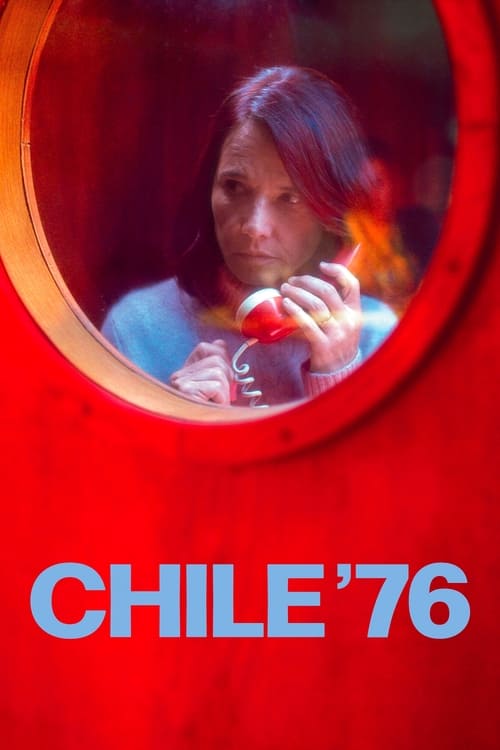
Chile, 1976. Carmen heads off to her beach house. When the family priest asks her to take care of a young man he is sheltering in secret, Carmen steps onto unexplored territories, away from the quiet life she is used to.
Chile '76
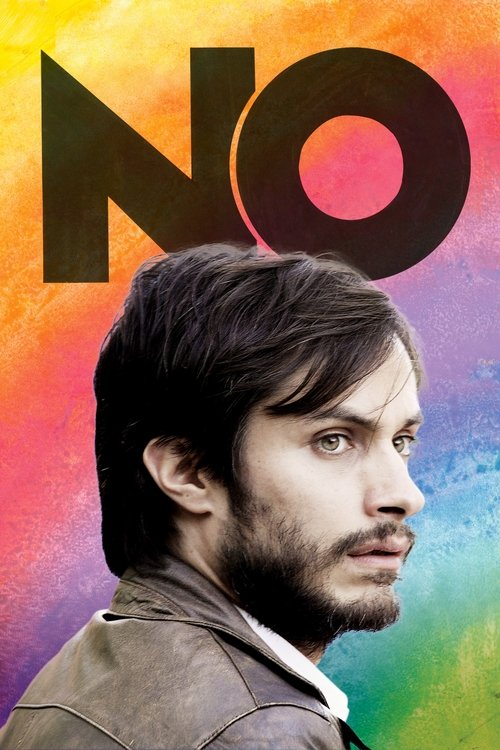
In 1988, Chilean military dictator Augusto Pinochet, due to international pressure, is forced to call a plebiscite on his presidency. The country will vote ‘Yes’ or ‘No’ to Pinochet extending his rule for another eight years. Opposition leaders for the ‘No’ vote persuade a brash young advertising executive, René Saavedra, to spearhead their campaign. Against all odds, with scant resources and while under scrutiny by the despot’s minions, Saavedra and his team devise an audacious plan to win the election and set Chile free.
No

A political activist is convinced that her guest is a man who once tortured her for the government.
Death and the Maiden

Ema is a magnetic and impulsive dancer in a reggaeton troupe. Her toxic marriage to choreographer Gastón is beyond repair, following a decision to give up on their adopted child Polo. She sets out on a mission to get him back, not caring who she’ll need to fight, seduce or destroy to make it happen.
Ema
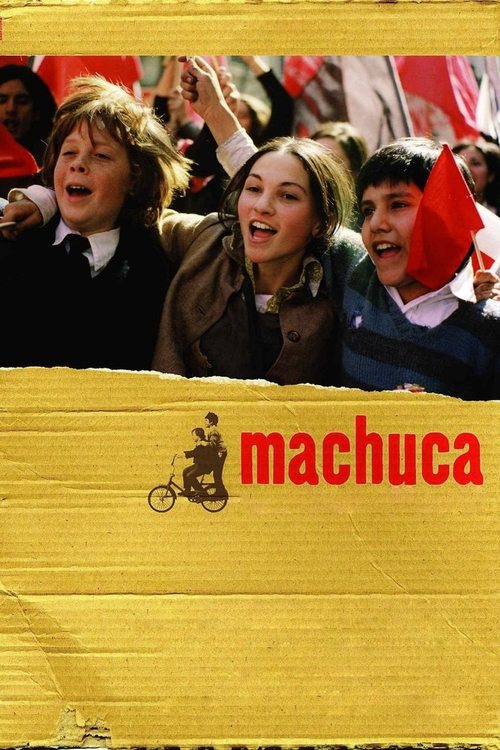
Santiago, capital of Chile during the Marxist government of elected, highly controversial president Salvador Allende. Father McEnroe supports his leftist views by introducing a program at the prestigious "collegio" (Catholic prep school) St. Patrick to allow free admission of some proletarian kids. One of them is Pedro Machuca, slum-raised son of the cleaning lady in Gonzalo Infante's liberal-bourgeois home. Yet the new classmates become buddies, paradoxically protesting together as Gonzalo gets adopted by Pedro's slum family and gang. But the adults spoil that too, not in the least when general Pinochet's coup ousts Allende, and supporters such as McEnroe.
Machuca
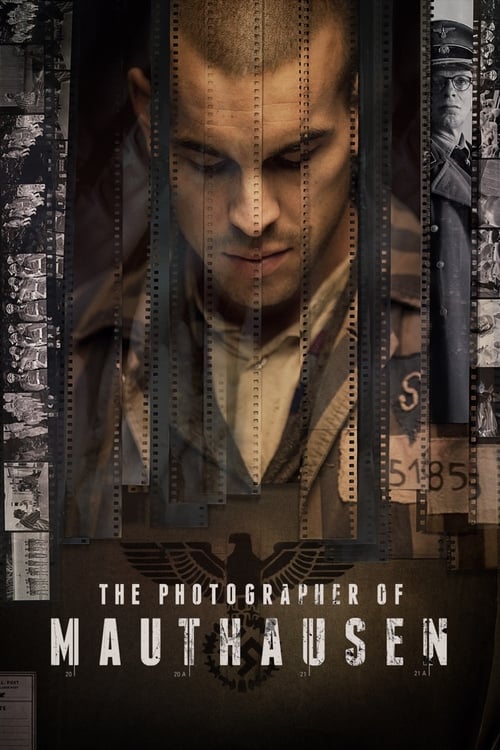
Spanish photographer Francesc Boix, imprisoned in the Mauthausen-Gusen concentration camp, works in the SS Photographic Service. Between 1943 and 1945, he hides, with the help of other prisoners, thousands of negatives, with the purpose of showing the freed world the atrocities committed by the Nazis, exhaustively documented. He will be a key witness during the Nuremberg Trials.
The Photographer of Mauthausen
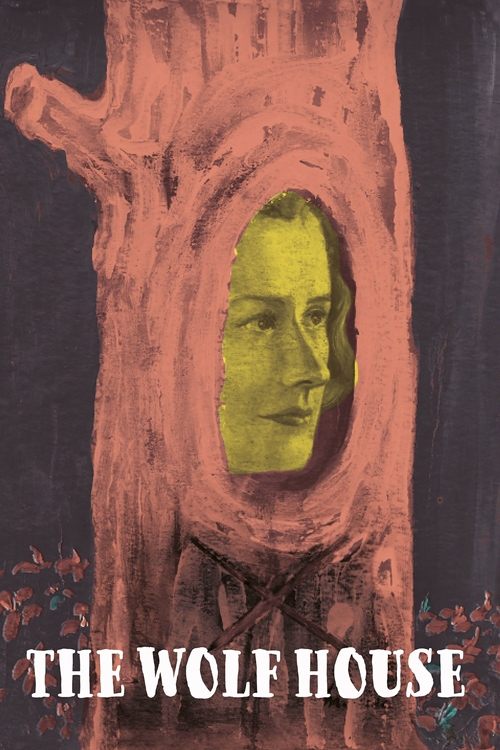
After escaping from a religious colony in Chile, Maria seeks shelter in a mansion where she’s taken in by two pigs, its only inhabitants. Like in a stop-motion dream, the universe of the house reacts to her feelings. The animals slowly morph into humans and the house into a dark, menacing world.
The Wolf House
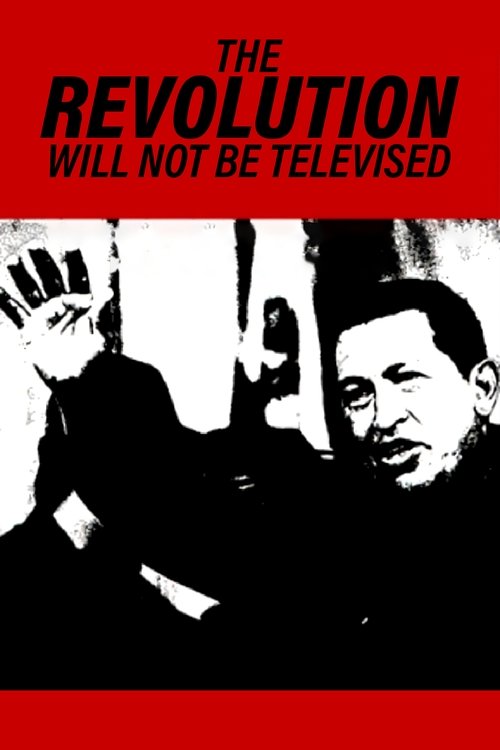
Hugo Chavez was a colourful, unpredictable folk hero who was beloved by his nation’s working class. He was elected president of Venezuela in 1998, and proved to be a tough, quixotic opponent to the power structure that wanted to depose him. When he was forcibly removed from office on 11 April 2002, two independent filmmakers were inside the presidential palace.
The Revolution Will Not Be Televised
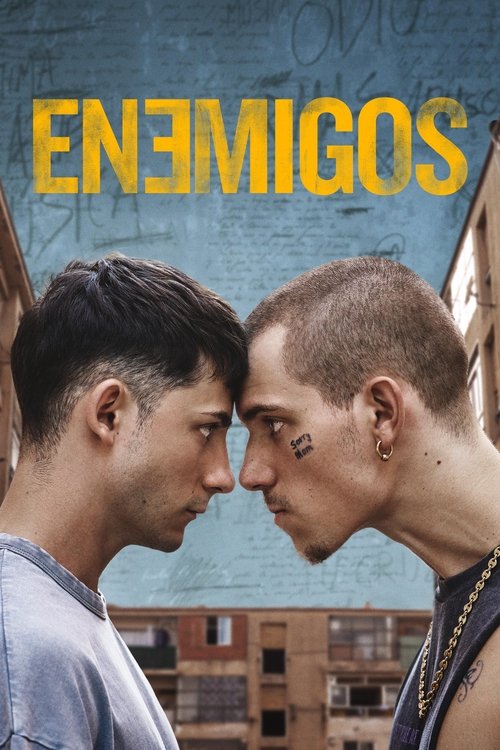
Chimo turns 18 years and comes from a humble and supportive family. Since childhood he was bullied and even today, while working multiple jobs and dreaming of starting his own business, he continues to face his bully: El Rubio. When Chimo has the opportunity for revenge, he never imagines what begins as an act of retaliation could turn into an unexpected friendship that'll change both their lives.
Enemigos
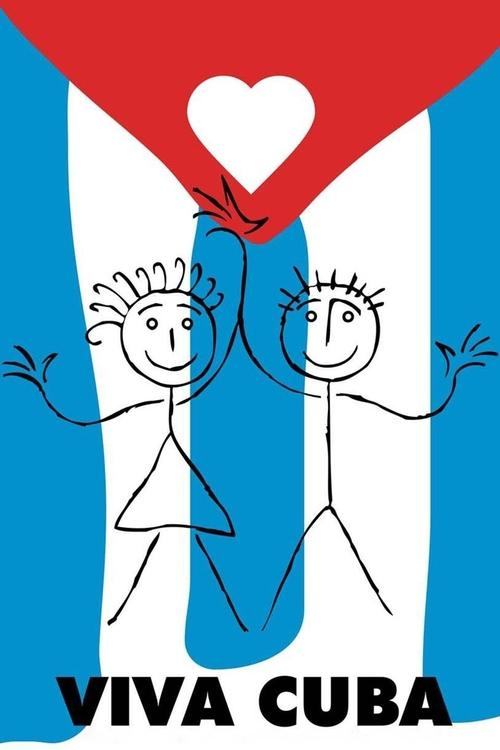
The friendship between two children is threatened by their parents’ differences. Malú is from a family that was upper-class before the Revolution and remains well-to-do through remittances from relatives overseas, and her single mother (Larisa Vega Alamar) does not want her to play with Jorgito, as she thinks his background coarse and commonplace. Jorgito’s mother (Luisa María Jiménez Rodríguez),
Viva Cuba
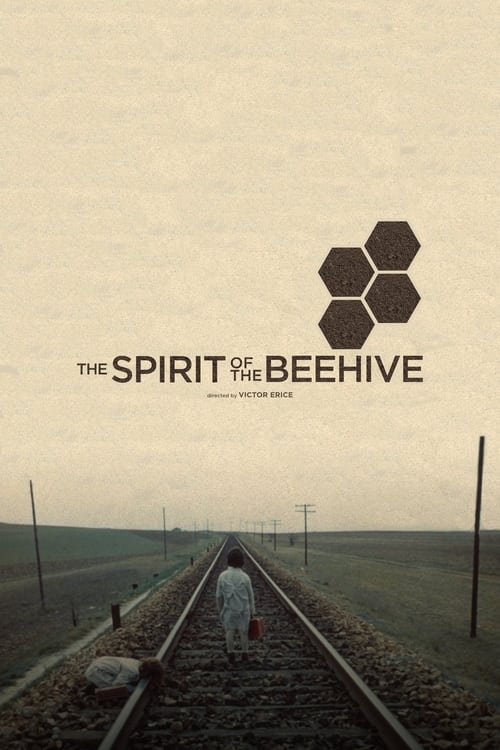
In 1940, in the immediate aftermath of the Spanish Civil War, a young girl living on the Castilian plain is haunted after attending a screening of James Whale's 1931 film Frankenstein and hearing from her sister that the monster is not dead, instead existing as a spirit inhabiting a nearby barn.
The Spirit of the Beehive

Four ambitious and beautiful young women. From four very different corners of Mexico. Just like hundreds of others, they are caught up in the frenzy that sweeps the nation when Alejandro Mateos, one of the country's most powerful producers, dreams up a nationwide talent search to cast the lead in his next big movie. But all this is news to Alejandro's on-again, off-again lover, Eva Gallardo, a diva of epic proportions, who expected to get the part. While Eva schemes to nail down the role, our four leads begin their own journey on the road to fame.
Casi divas
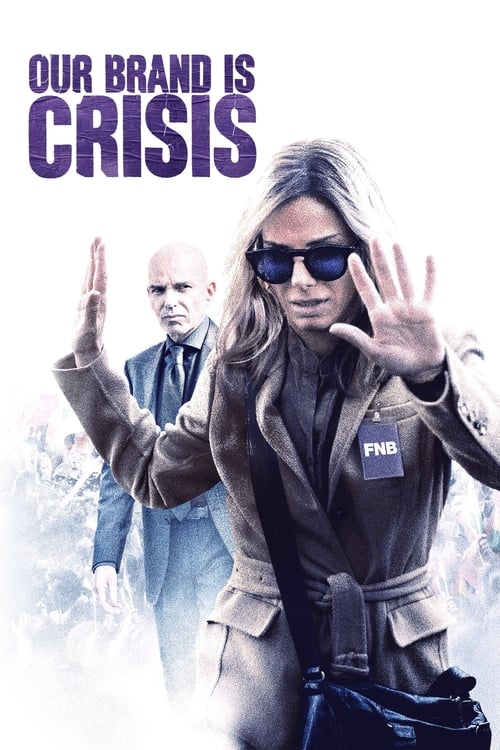
Based on the documentary "Our Brand Is Crisis", this feature focuses on the use of American political campaign strategies in South America.
Our Brand Is Crisis
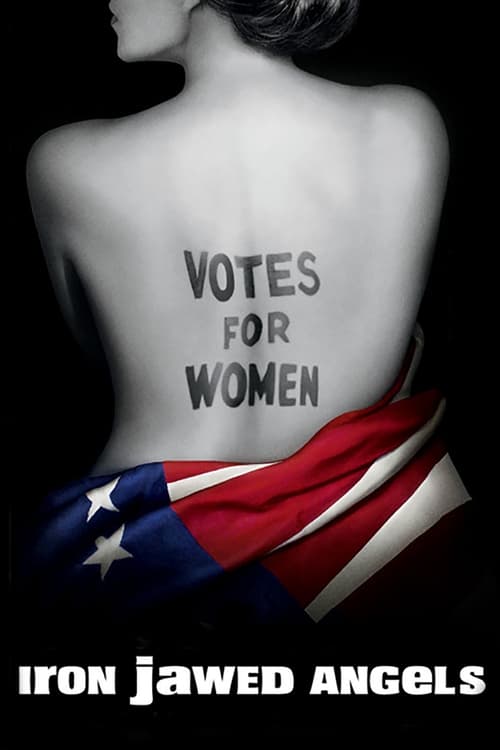
Defiant young activists take the women's suffrage movement by storm, putting their lives at risk to help American women win the right to vote.
Iron Jawed Angels

An exploration —manipulated and staged— of life in Las Hurdes, in the province of Cáceres, in Extremadura, Spain, as it was in 1932. Insalubrity, misery and lack of opportunities provoke the emigration of young people and the solitude of those who remain in the desolation of one of the poorest and least developed Spanish regions at that time.
Land Without Bread
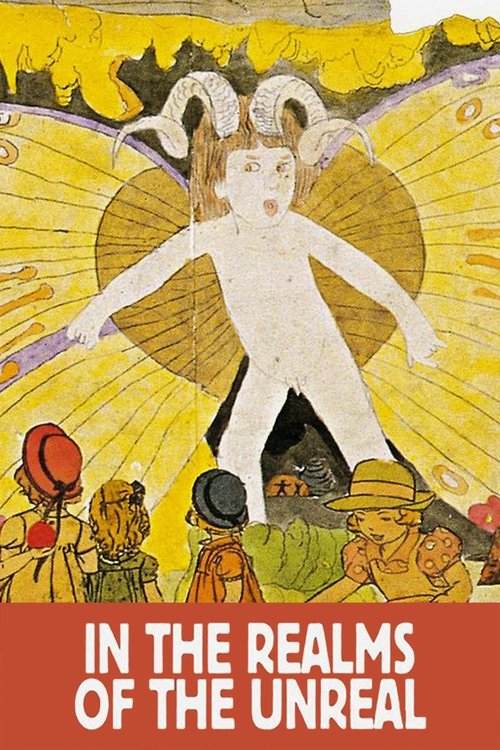
In the Realms of the Unreal is a documentary about the reclusive Chicago-based artist Henry Darger. Henry Darger was so reclusive that when he died his neighbors were surprised to find a 15,145-page manuscript along with hundreds of paintings depicting The Story of the Vivian Girls, in What is Known as the Realms of the Unreal, of the Glodeco-Angelinnian War Storm, Cased by the Child Slave Rebellion.
In the Realms of the Unreal
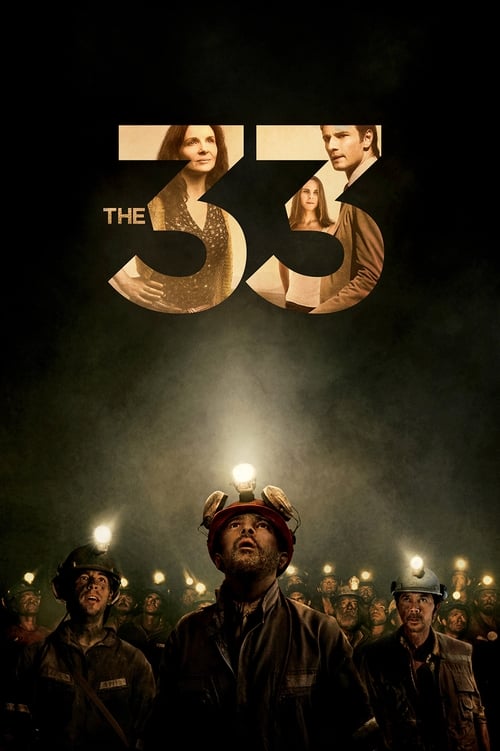
Based on the true story of the collapse of a mine in San Jose, Chile—that left 33 miners isolated underground for 69 days.
The 33

During the 1976 Soweto uprising, a white school teacher's life and values are threatened when he asks questions about the death of a young black boy who died in police custody.
A Dry White Season

The chronicle of the political tension in Chile in 1973 and of the violent counter revolution against the democratically elected government of Salvador Allende.
The Battle of Chile: Part I
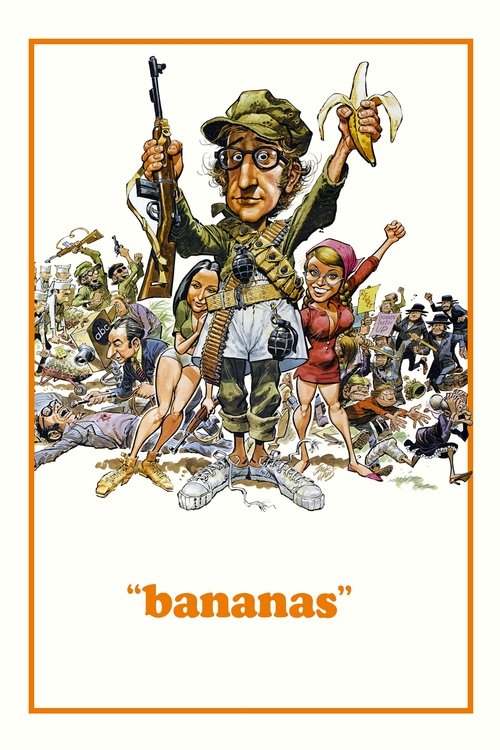
When a bumbling New Yorker is dumped by his activist girlfriend, he travels to a tiny Latin American nation and becomes involved in its latest rebellion.