You might also like
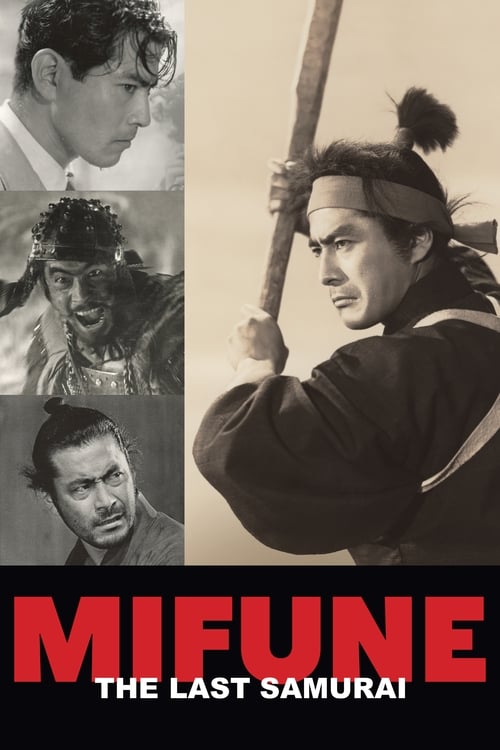
7.1
An account of the life and work of legendary Japanese actor Toshirō Mifune (1920-97), the most prominent actor of the Golden Age of Japanese cinema.
Mifune: The Last Samurai
2016
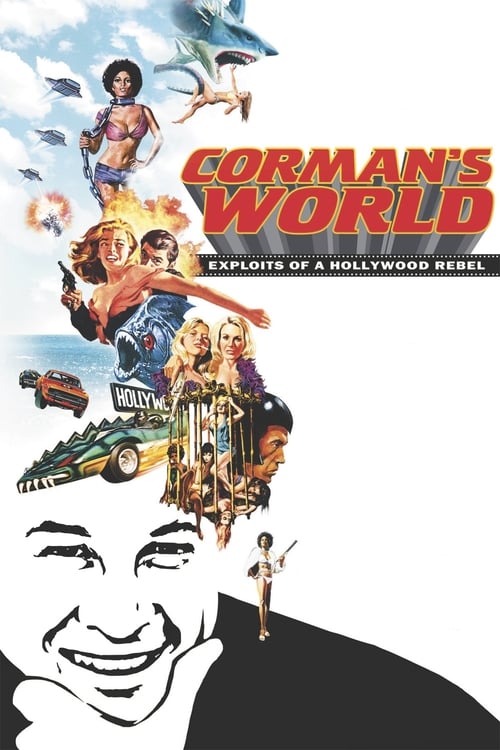
7.1
A chronicle of the long career of American filmmaker Roger Corman, the most tenacious and ingenious low-budget producer and director in the US film industry, a pioneer of independent filmmaking and discoverer of new talent.
Corman's World
2011
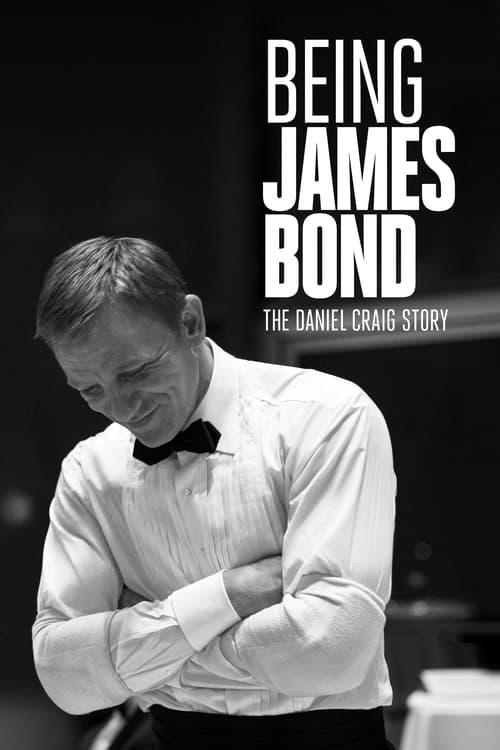
7.8
Daniel Craig candidly reflects on his 15 year adventure as James Bond. Including never-before-seen archival footage from Casino Royale to the upcoming 25th film No Time To Die, Craig shares his personal memories in conversation with 007 producers, Michael G Wilson and Barbara Broccoli.
Being James Bond
2021
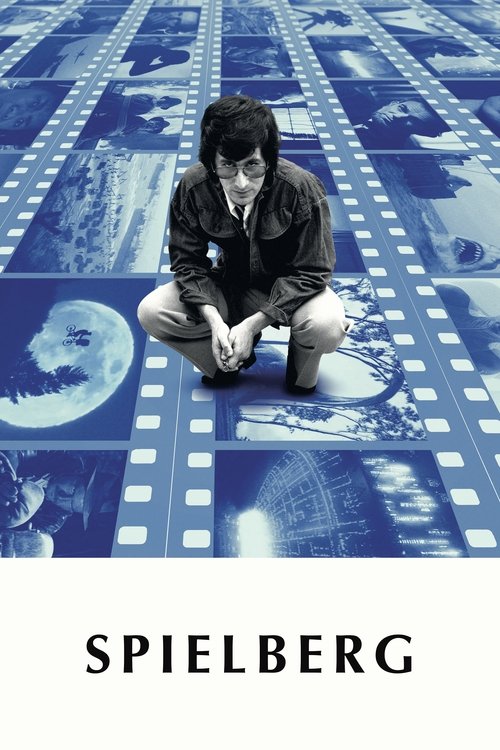
7.6
A documentary on the life and career of one of the most influential film directors of all time, Steven Spielberg.
Spielberg
2017
7.5
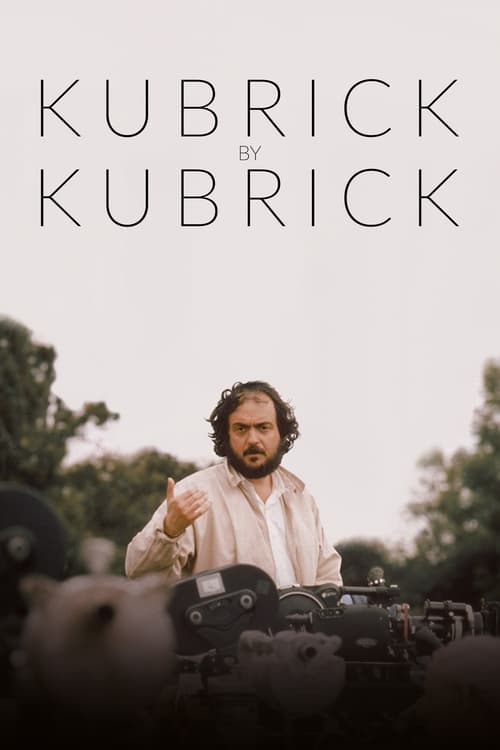
American filmmaker Stanley Kubrick (1928–1999), one of the greatest in history, but also one of the most reserved, gave few interviews throughout his long career, and none of them were filmed. A first-person journey through his life and work, based on a recorded conversation with French film critic Michel Climent.
Kubrick by Kubrick
2020
7.4
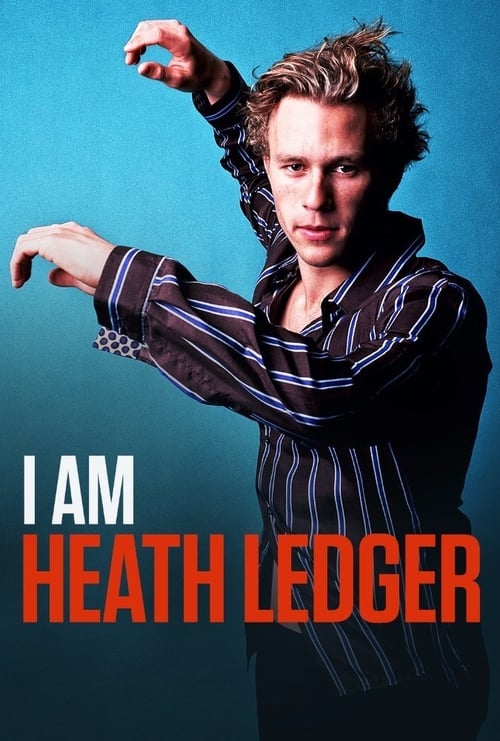
The life and career of an actor, artist, and icon. His own journey through his own camera.
I Am Heath Ledger
2017
6.9
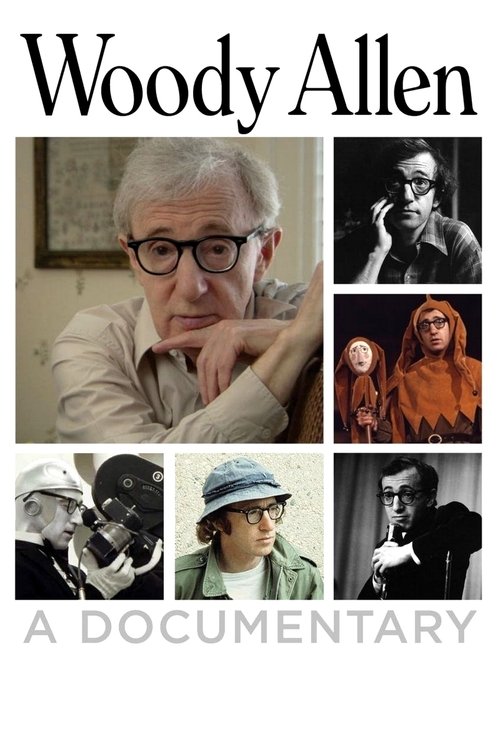
An intense portrait of the iconic filmmaker, writer, actor, comedian and musician Woody Allen: his life, family and friends; his writing and directing habits, and his relationship with performers.
Woody Allen: A Documentary
2011
7.7
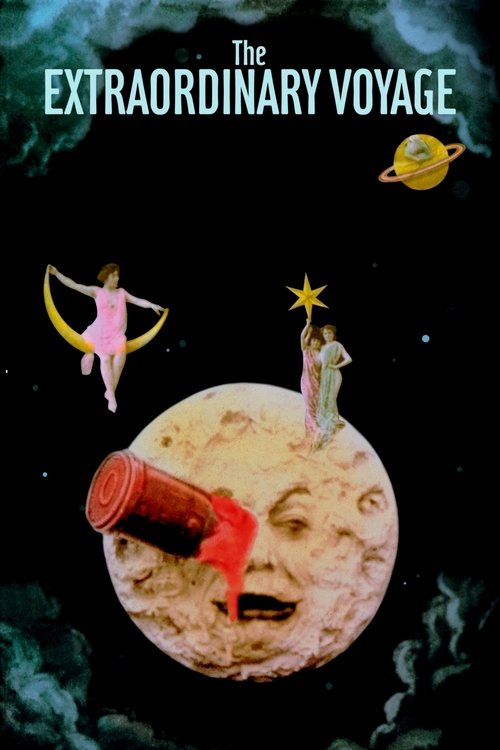
An account of the extraordinary life of film pioneer Georges Méliès (1861-1938) and the amazing story of the copy in color of his masterpiece A Trip to the Moon (1902), unexpectedly found in Spain and restored thanks to the heroic efforts of a group of true cinema lovers.
The Extraordinary Voyage
2011
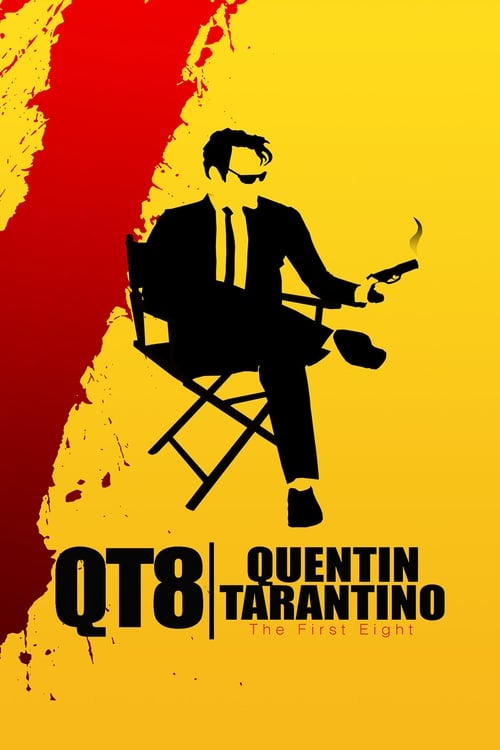
7.2
A detailed account of the life and artistic career of legendary filmmaker Quentin Tarantino, from his early days as a video club manager to the scandalous fall in disgrace of producer Harvey Weinstein. A story about how to shoot eight great movies and become an icon of modern pop culture.
QT8: The First Eight
2019
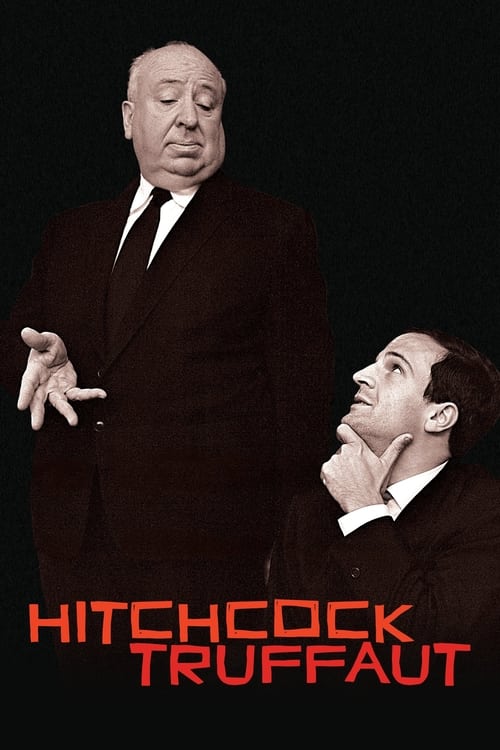
7.2
Filmmakers discuss the legacy of Alfred Hitchcock and the book “Hitchcock/Truffaut” (“Le cinéma selon Hitchcock”), written by François Truffaut and published in 1966.
Hitchcock/Truffaut
2015
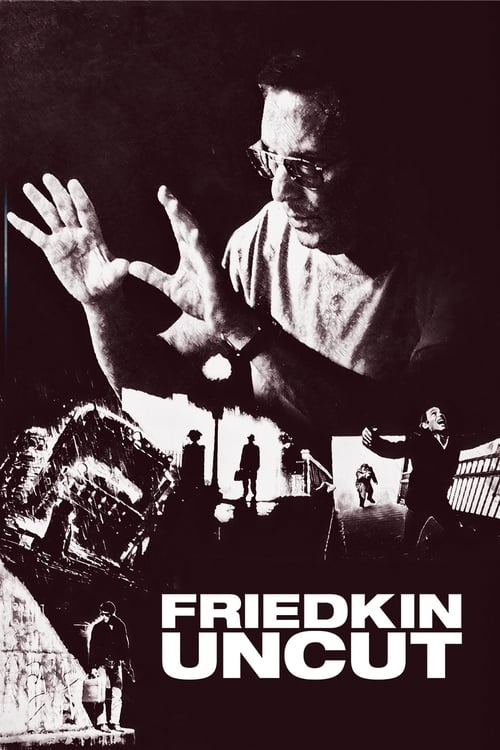
7.1
An introspective insight into the life and artistic journey of William Friedkin, an extraordinary and offbeat director of cult films such as The French Connection, The Exorcist, Sorcerer, Cruising, To Live and Die in L.A. and Killer Joe. For the first time Friedkin opens up, guiding the audience on a fascinating journey through the themes and the stories that have influenced his life and his artistic career.
Friedkin Uncut
2018
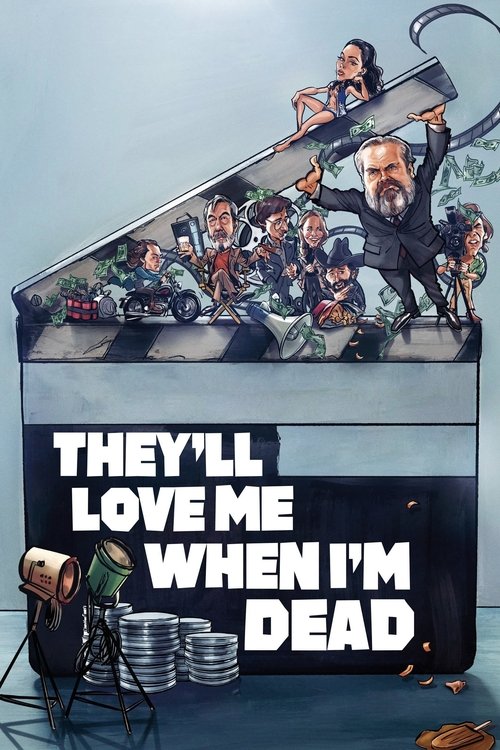
7.1
As his life comes to its end, famous Hollywood director Orson Welles puts it all on the line at the chance for renewed success with the film The Other Side of the Wind.
They'll Love Me When I'm Dead
2018
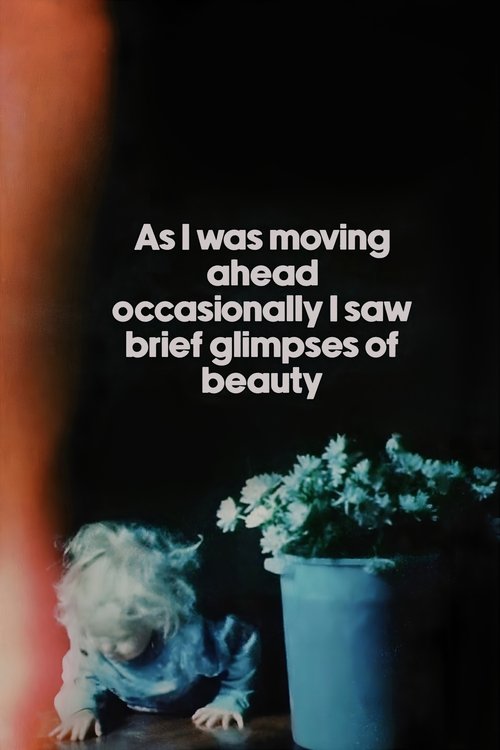
7.7
A compilation of over 30 years of private home movie footage shot by Lithuanian-American avant-garde director Jonas Mekas, assembled by Mekas "purely by chance", without concern for chronological order.
As I Was Moving Ahead, Occasionally I Saw Brief Glimpses of Beauty
2000
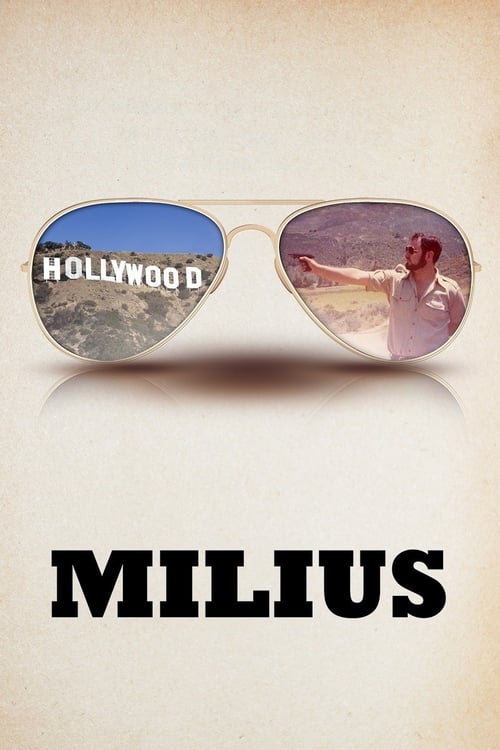
7.1
The life story of ‘Zen Anarchist’ filmmaker John Milius, one of the most influential storytellers of his generation.
Milius
2013
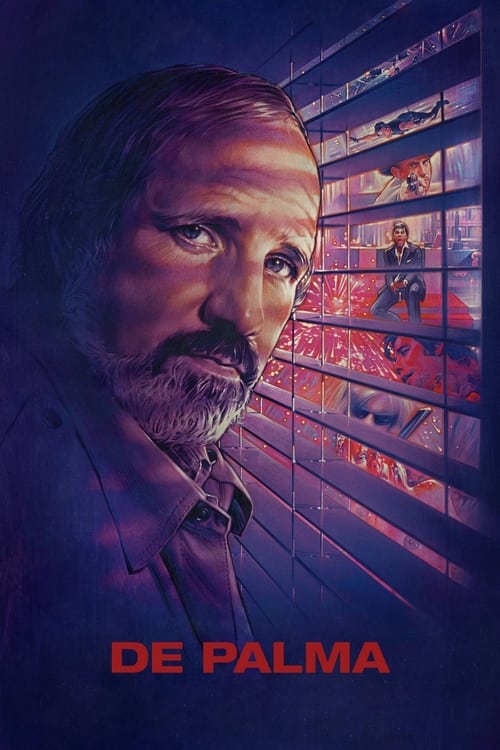
7.0
An intimate conversation between filmmakers, chronicling De Palma’s 55-year career, his life, and his filmmaking process, with revealing anecdotes and, of course, a wealth of film clips.
De Palma
2016

7.2
Diaries, audiotapes, videotapes and testimonials from friends and colleagues offer insight into the life and career of Gilda Radner -- the beloved comic and actress who became an icon on Saturday Night Live.
Love, Gilda
2018
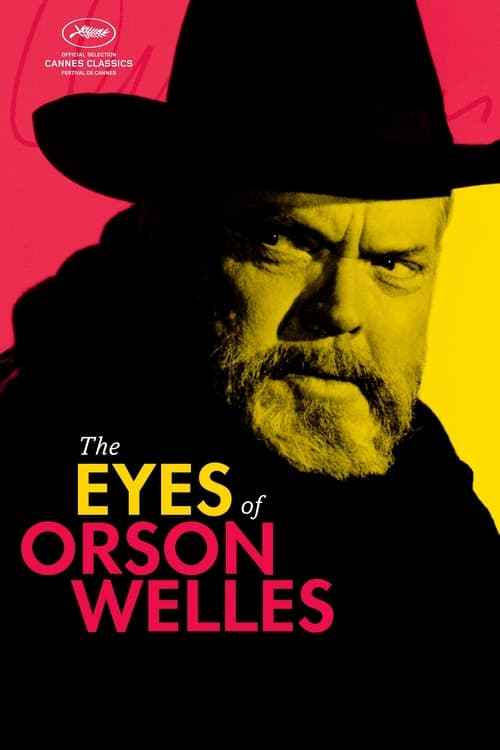
7.0
A poetic journey into the visual world of the legendary filmmaker and actor Orson Welles (1915-85) that reveals a new portrait of a unique genius, both of his life and of his monumental work: through his own eyes, drawn by his own hand, painted with his own brush.
The Eyes of Orson Welles
2018
7.4
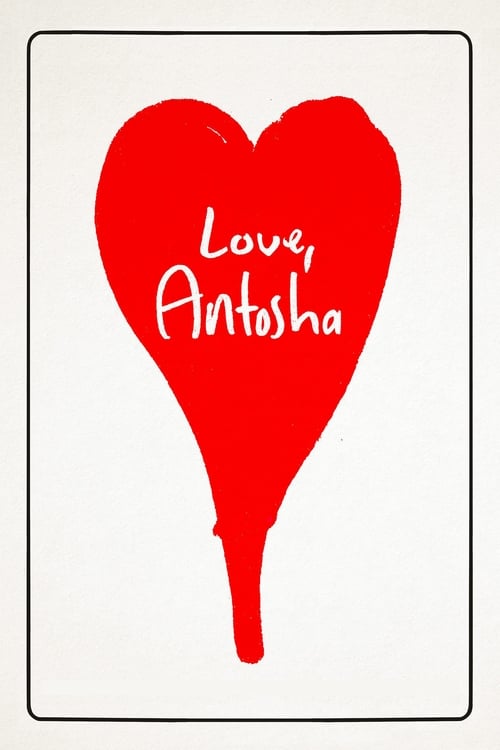
From a prolific career in film and television, Anton Yelchin left an indelible legacy as an actor. Through his journals and other writings, his photography, the original music he wrote, and interviews with his family, friends, and colleagues, this film looks not just at Anton's impressive career, but at a broader portrait of the man.
Love, Antosha
2019
7.0
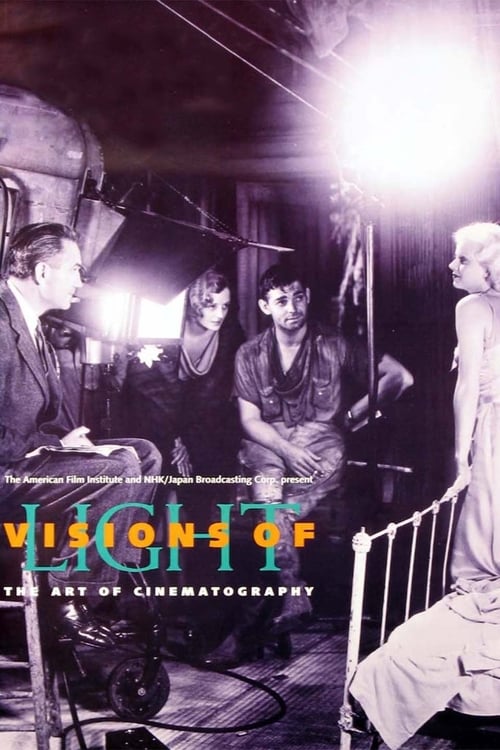
Cameramen and women discuss the craft and art of cinematography and of the "DP" (the director of photography), illustrating their points with clips from 100 films, from Birth of a Nation to Do the Right Thing. Themes: the DP tells people where to look; changes in movies (the arrival of sound, color, and wide screens) required creative responses from DPs; and, these artisans constantly invent new equipment and try new things, with wonderful results. The narration takes us through the identifiable studio styles of the 30s, the emergence of noir, the New York look, and the impact of Europeans. Citizen Kane, The Conformist, and Gordon Willis get special attention.
Visions of Light
1992
7.8
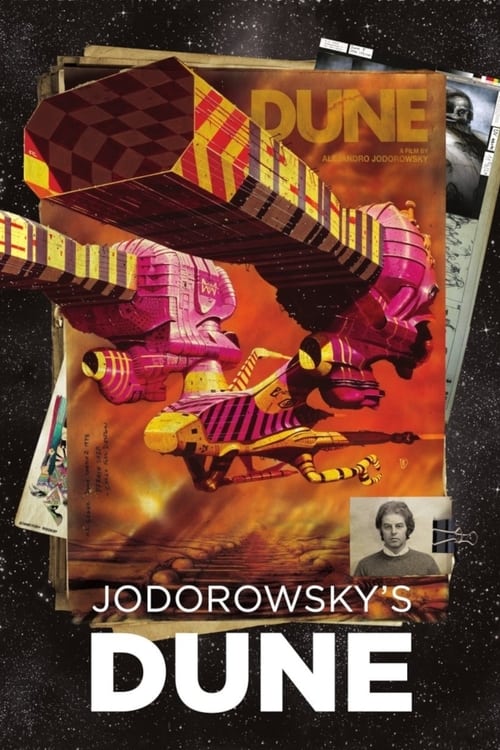
In 1974, Chilean-French director Alejandro Jodorowsky embarked on the quixotic project of adapting Frank Herbert's influential novel Dune (1969) for the big screen. After investing two years, and millions of dollars, the gigantic project ended in failure; but the artists Jodorowsky brought together to carry it out continued to work together, and ended up laying the foundations for modern science fiction cinema.
Jodorowsky's Dune
2013