Jean de Florette
"For some men, land and water are more precious than flesh and blood."




Released19862h 2minPG
"For some men, land and water are more precious than flesh and blood."

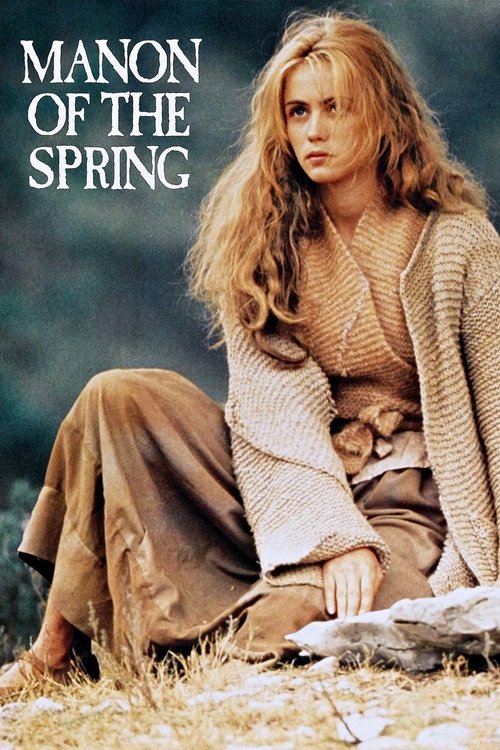
Marie-Lou Fontaine, director of a nursing home in the Paris suburbs, defies convention by adopting the 'Humanitude' method despite her team’s resistance. Her encounter with Mari Morisaki, a terminally ill Japanese playwright, transforms her life. Together, they turn the facility into a symbol of resistance and humanity against the system’s limits.

Betrayed by an informant, Philippe Gerbier finds himself trapped in a torturous Nazi prison camp. Though Gerbier escapes to rejoin the Resistance in occupied Marseilles, France, and exacts his revenge on the informant, he must continue a quiet, seemingly endless battle against the Nazis in an atmosphere of tension, paranoia and distrust.
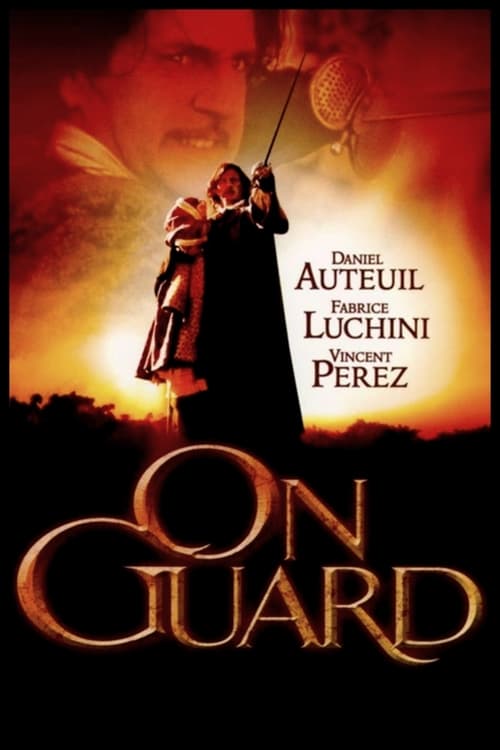
France, 17th century, during the reign of Louis XIII. When a dear friend, the Duke of Nevers, is treacherously assassinated by a powerful relative, a skilled swordsman, the noble Henri de Lagardère, seeks his rightful vengeance as he tries to protect the innocent life of the duke's last heir.
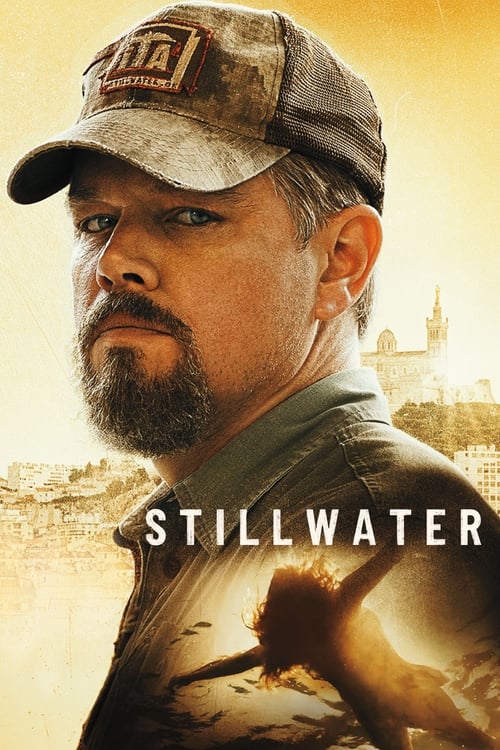
Bill Baker, an American oil-rig roughneck from Oklahoma, travels to Marseille to visit his estranged daughter, Allison, who is in prison for a murder she claims she did not commit. Confronted with language barriers, cultural differences, and a complicated legal system, Bill builds a new life for himself in France as he makes it his personal mission to exonerate his daughter.

Edmond Dantès becomes the target of a sinister plot and is arrested on his wedding day for a crime he did not commit. After 14 years in the island prison of Château d’If, he manages a daring escape. Now rich beyond his dreams, he assumes the identity of the Count of Monte-Cristo and exacts his revenge on the three men who betrayed him.

An inexperienced young actress is invited to play a role in a film based on Dostoyevsky's 'The Possessed'. The film director, a Czech immigrant in Paris, takes over her life, and in a short time she is unable to draw the line between acting and reality. She winds up playing a real-life role posing as the dead wife of another Czech immigrant, who is manipulated by the filmmaker into commiting a political assassination.
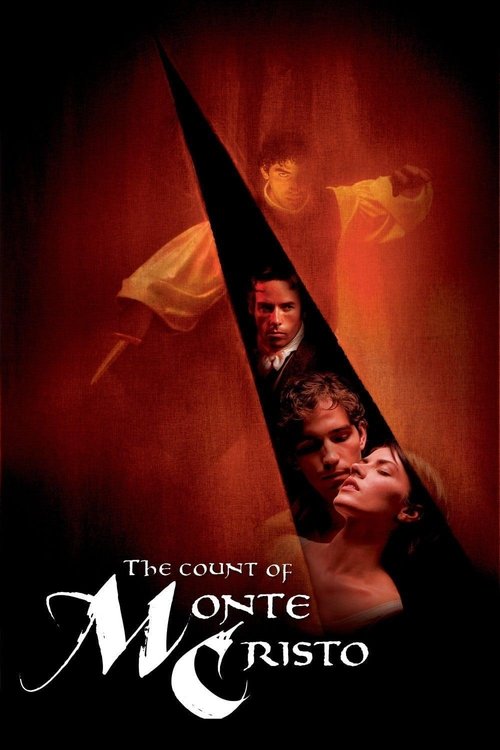
Young sailor Edmond Dantès is wrongfully imprisoned, escapes, finds treasure, and reinvents himself as the wealthy Count of Monte Cristo to exact revenge on those who betrayed him.

"Fanny" is the second part of the "Marseille trilogy", made by Marcel Pagnol with the generic name of "Marius, Fanny and César". Fanny falls in love and is abandoned by Marius. Now she discovers she is pregnant. Her mother and Marius's father, César, persuade her to accept the romantic advances of a much older man. To save face, Fanny accepts to marry Honoré Panisse, a rich merchant of the Vieux Port, 30 years her senior who will recognize her son.

Tom and Mae Garvey are a Tennessee farming couple battling violent floods to save their land. In addition to natural disasters, the Garveys fight to stop a selfish land developer and a local corporation from foreclosing on their farm. While Mae stays at home to care for their children and tend to the crops, Tom finds work as a scab at a steel mill to preserve his family's property.
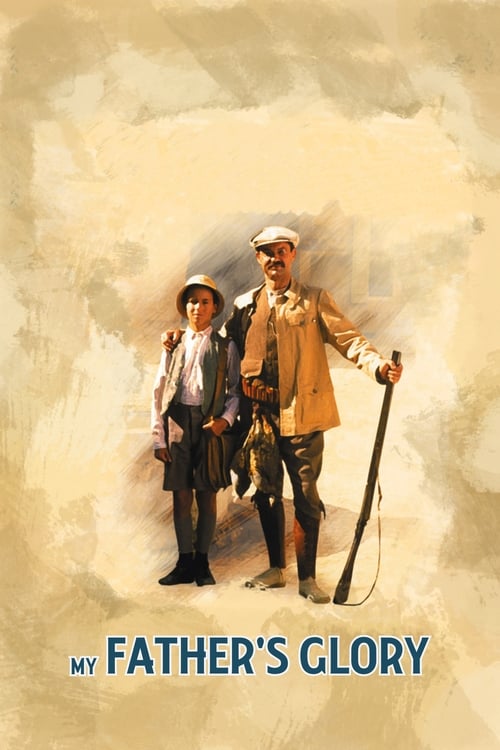
Raised by his science teacher father, Joseph Pagnol, and seamstress mother Augustine, young Marcel grows up during the turn of the century in awe of his rationalist dad. When the family takes a summer vacation in the countryside, Marcel becomes friends with Lili, who teaches him about rural life.
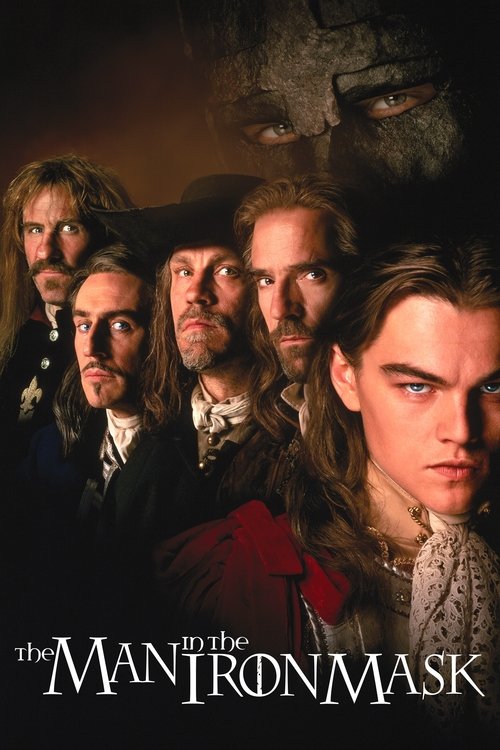
Years have passed since the Three Musketeers, Aramis, Athos and Porthos, have fought together with their friend, D'Artagnan. But with the tyrannical King Louis using his power to wreak havoc in the kingdom while his twin brother, Philippe, remains imprisoned, the Musketeers reunite to abduct Louis and replace him with Philippe.

By a little bay near Marseille lies a picturesque villa owned by an old man. His three children have gathered by his side for his last days. It’s time for them to weigh up what they have inherited of their father’s ideals and the community spirit he created in this magical place. The arrival, at a nearby cove, of a group of boat people will throw these moments of reflection into turmoil.

Antoine and Olga, a French couple, have been living in a small village in Galicia for a long time. They practice eco-responsible agriculture and restore abandoned houses to facilitate repopulation. Everything should be idyllic except for their opposition to a wind turbine project that creates a serious conflict with their neighbors. The tension will rise to the point of irreparability.

Raf and Julie, a couple on the verge of breaking up, find themselves in an emergency ward bordering on collapse on the evening of a Parisian Yellow Vest protest. Their encounter with Yann, an angry and injured demonstrator, will shatter each person's certainties and prejudices. Outside, the tension escalates.

A bourgeois couple, modern yet conventional. One night by accident, a young prostitute barges into their lives. Hounded down, beaten up, threatened, she will continue to struggle, with the help of a well off lady, first for her survival-her resurrection-then for her dignity and freedom. Stormy encounters for everyone involved.
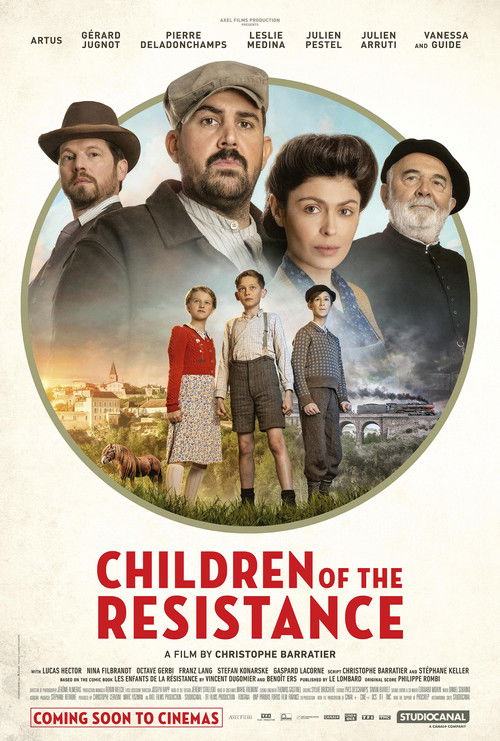
During the German occupation of World War II, François, Eusèbe, and Lisa, three courageous children, embark on a secret adventure: resisting the Nazis in the heart of France. Through sabotage, hidden messages, and perilous escapes, they carry out clandestine actions right under the enemy's nose. Daring and friendship are their only weapons in the fight against injustice.
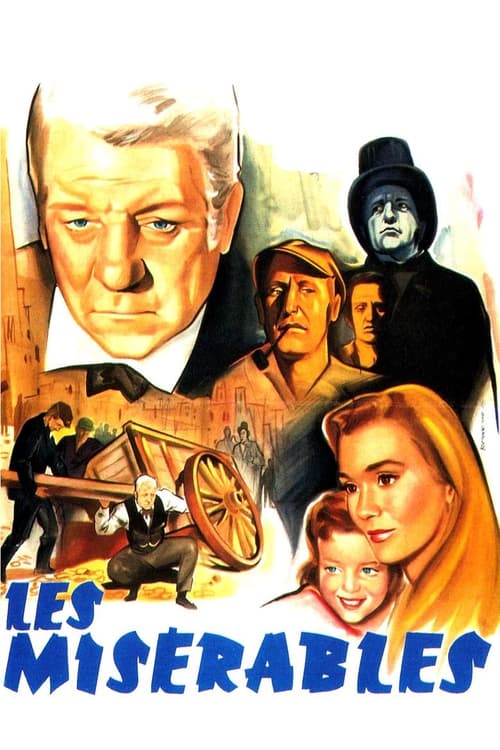
In 19th century France, Jean Valjean, a man imprisoned for stealing bread, must flee a relentless policeman named Javert. The pursuit consumes both men's lives, and soon Valjean finds himself in the midst of the student revolutions in France.

In the snowy seaside town of Sokcho, 25-year-old Soo-Ha works at a guesthouse. She drifts between her mother’s fish stall and her boyfriend until a French artist’s arrival stirs questions about her identity. As winter deepens, Soo-Ha and the artist form an unspoken connection through food and art.

A novelist attends the trial of a woman accused of killing her 15-month-old daughter by abandoning her to the rising tide on a beach in northern France. But as the trial continues, her own family history, doubts, and fears about motherhood are steadily dislodged as the life story of the accused is gradually revealed.

On election night in 1981, celebrations spill out onto the street and there is an air of hope and change throughout Paris. But for Elisabeth, her marriage is coming to an end and she will now have to support herself and her two teenage children. She finds work at a late-night radio show and encounters a troubled teenager named Talulah whom she invites into her home.

Yves Montand
César Soubeyran, aka 'le Papet'

Gérard Depardieu
Jean Cadoret, hunchback, son of Florette

Daniel Auteuil
Ugolin Soubeyran, nephew of Papet

Elisabeth Depardieu
Aimée Cadoret, wife of Jean
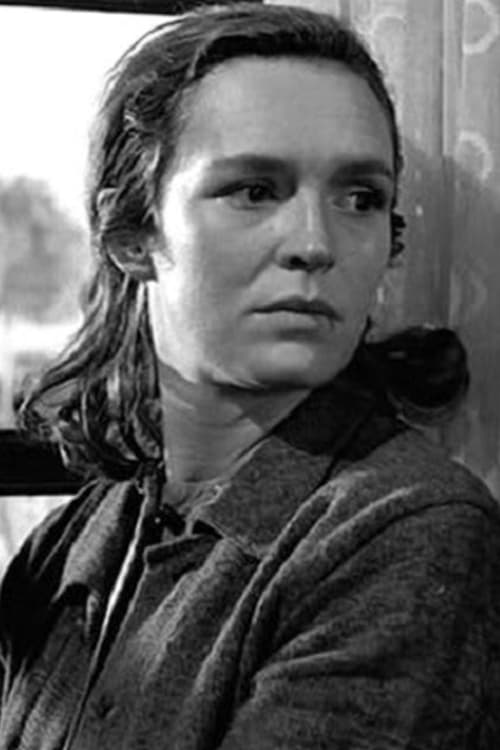
Margarita Lozano
Baptistine, Piedmontese of the cave

Ernestine Mazurowna
Manon Cadoret, daughter of Jean & Aimée
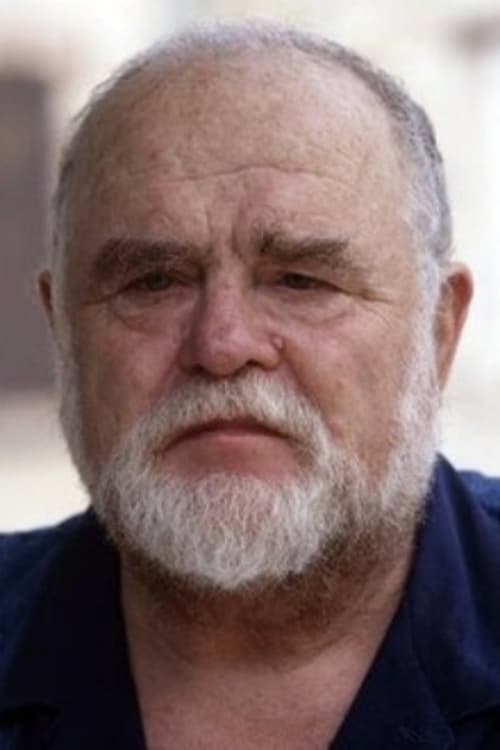
Armand Meffre
Philoxène, mayor

André Dupon
Pamphile, joiner
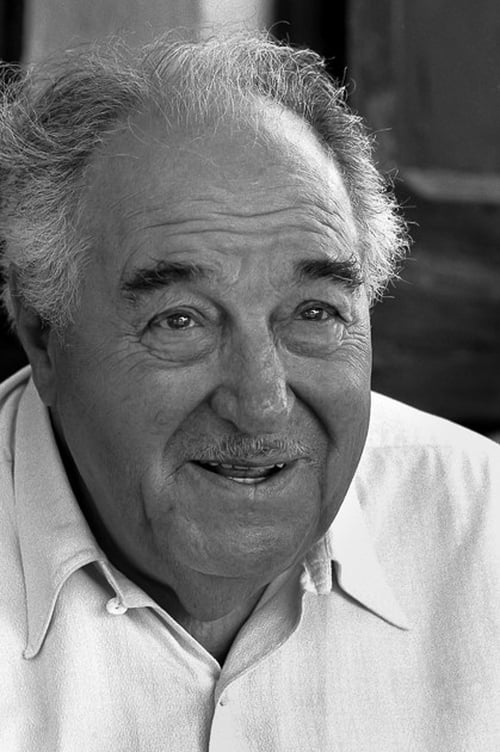
Pierre Nougaro
Casimir

Jean Maurel
Anglade, believer

Roger Souza
Ange, hydrant man
Didier Pain
Eliacin