L'histoire du son au cinéma, racontée par des concepteurs sonores légendaires et des cinéastes visionnaires.
Emad, paysan, vit à Bil’in en Cisjordanie. Il y a cinq ans, au milieu du village, Israël a élevé un " mur de séparation" qui exproprie les 1700 habitants de la moitié de leurs terres, pour "protéger" la colonie juive de Modi’in Illit, prévue pour 150 000 résidents. Les villageois de Bil’in s’engagent dès lors dans une lutte non-violente pour obtenir le droit de rester propriétaires de leurs terres, et de co-exister pacifiquement avec les Israéliens. Dès le début de ce conflit, et pendant cinq ans, Emad filme les actions entreprises par les habitants de Bil’in. Avec sa caméra, achetée lors de la naissance de son quatrième enfant, il établit la chronique intime de la vie d’un village en ébullition, dressant le portrait des siens, famille et amis, tels qu’ils sont affectés par ce conflit sans fin.
“The Soviet Story” is a story of an Allied power, which helped the Nazis to fight Jews and which slaughtered its own people on an industrial scale. Assisted by the West, this power triumphed on May 9th, 1945. Its crimes were made taboo, and the complete story of Europe’s most murderous regime has never been told. Until now...
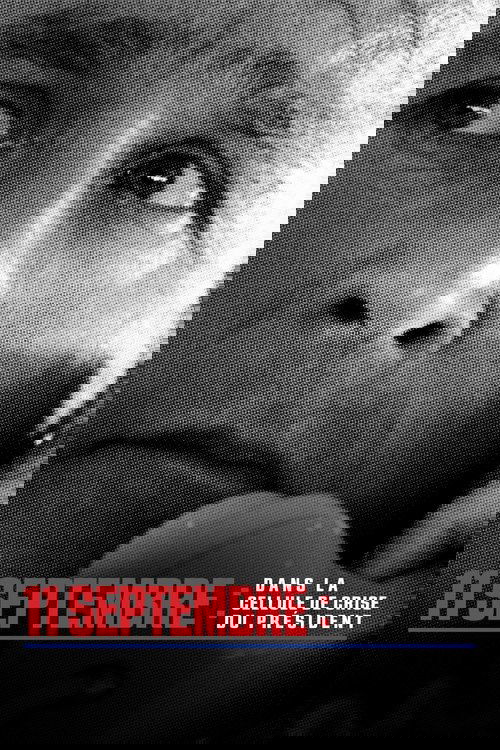
Vivez les évènements du 11 septembre 2001 à travers les yeux du Président Bush et de ses plus proches conseillers alors qu’ils revisitent les heures cruciales et les décisions clés de cette journée qui a marqué l’histoire.
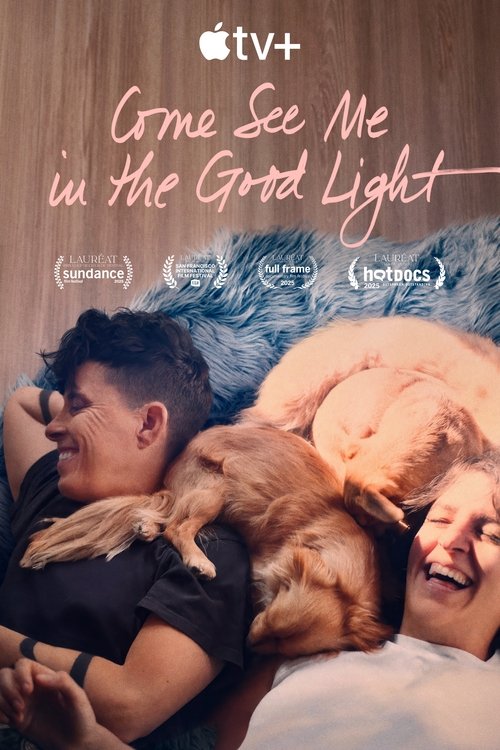
Dans une histoire intime et joyeuse sur l’amour face à la perte, les célèbres poétesses Andrea Gibson et Megan Falley trouvent la force et une hilarité inattendue dans ce qui pourrait être leur dernière année ensemble.
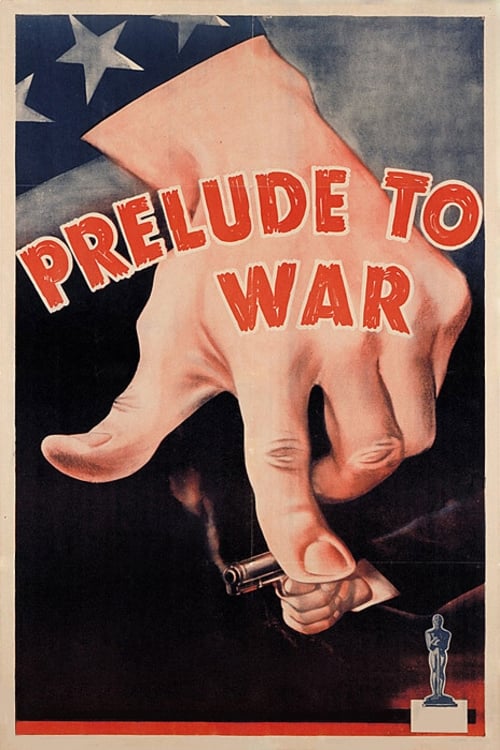
Oscar® du meilleur documentaire en 1943, ce film est le premier de la série Pourquoi nous combattons produite par le Département de la Guerre américain. L’objectif est de décrire et d’expliquer les événements qui ont poussé les États-Unis à entrer en guerre. Les systèmes totalitaires et répressifs allemands, italiens et japonais sont décryptés et opposés à la grande puissance démocratique des États-Unis.
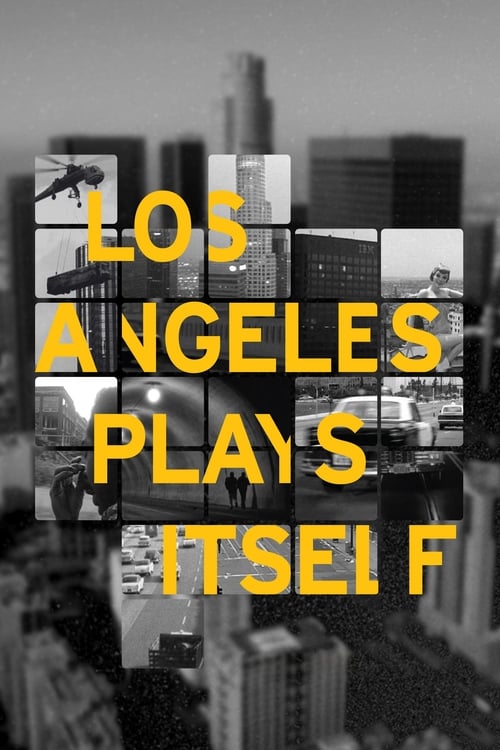
Une longue dérive dans Los Angeles vue à travers le cinéma de fiction hollywoodien.
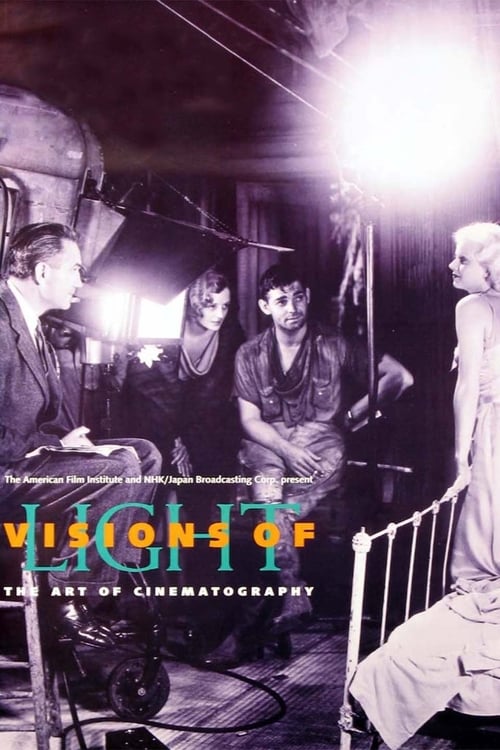
Cameramen and women discuss the craft and art of cinematography and of the "DP" (the director of photography), illustrating their points with clips from 100 films, from Birth of a Nation to Do the Right Thing. Themes: the DP tells people where to look; changes in movies (the arrival of sound, color, and wide screens) required creative responses from DPs; and, these artisans constantly invent new equipment and try new things, with wonderful results. The narration takes us through the identifiable studio styles of the 30s, the emergence of noir, the New York look, and the impact of Europeans. Citizen Kane, The Conformist, and Gordon Willis get special attention.
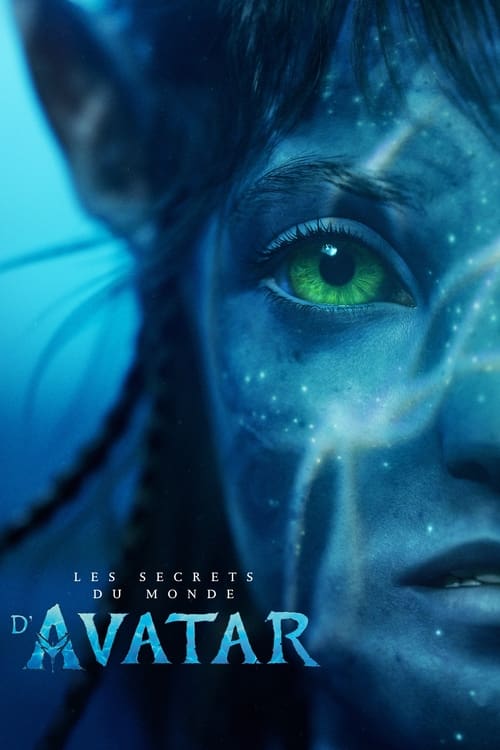
Une plongée dans les coulisses de l'une des suites les plus attendues du cinéma, avec le réalisateur oscarisé James Cameron et les acteurs du film.
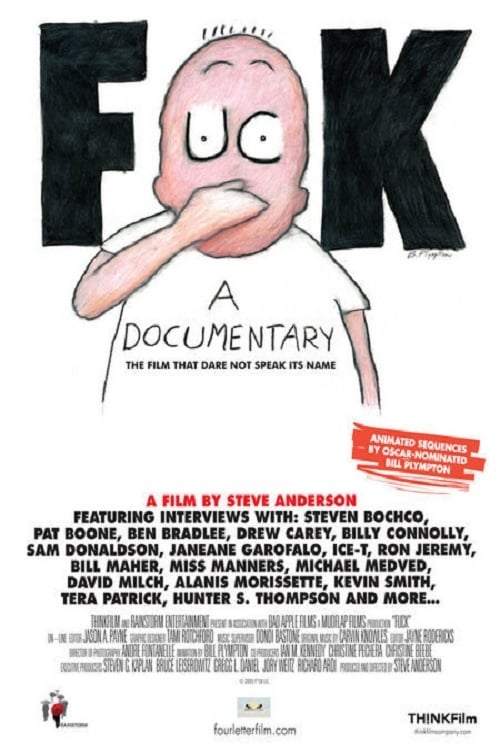
A documentary on the expletive's origin, why it offends some people so deeply, and what can be gained from its use.
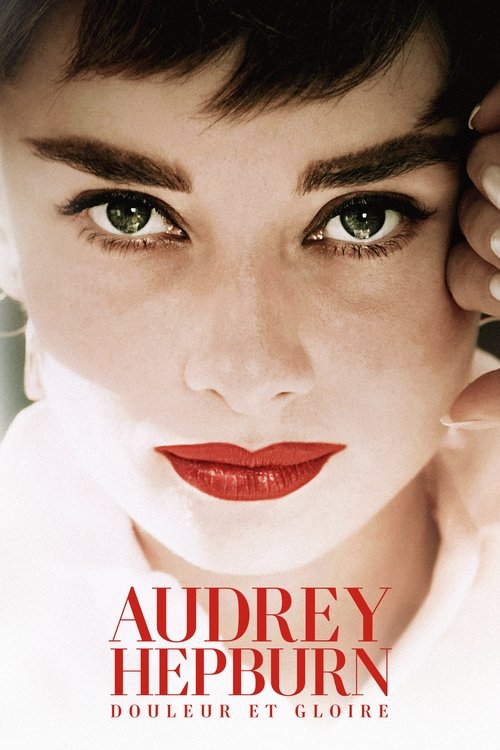
Un regard intime et sans précédent sur la vie, l'œuvre et l'héritage durable de l'actrice britannique Audrey Hepburn (1929-1993).
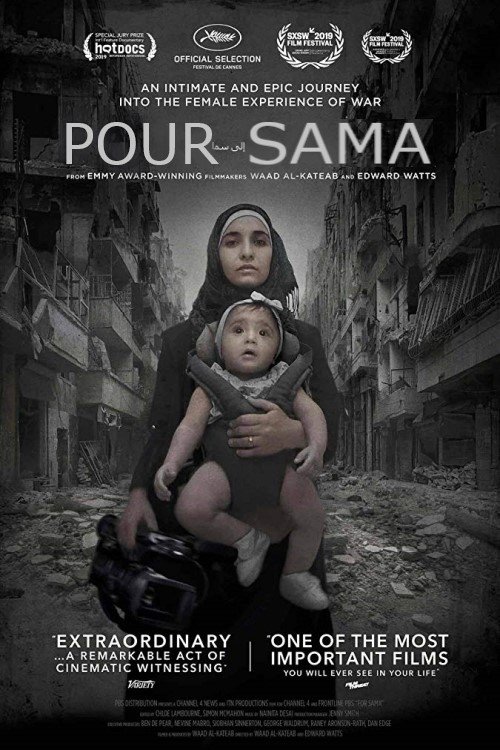
Waad al-Kateab est une jeune femme syrienne qui vit à Alep lorsque la guerre éclate en 2011. Sous les bombardements, la vie continue. Waad tombe amoureuse, se marie avec Hamza et donne naissance à sa fille, Sama. Elle filme au quotidien les pertes, les espoirs et la solidarité du peuple d’Alep. Son mari médecin sauve des centaines de vies dans un hôpital de fortune. Le couple est déchiré entre la protection de leur enfant et leur combat pour la liberté.
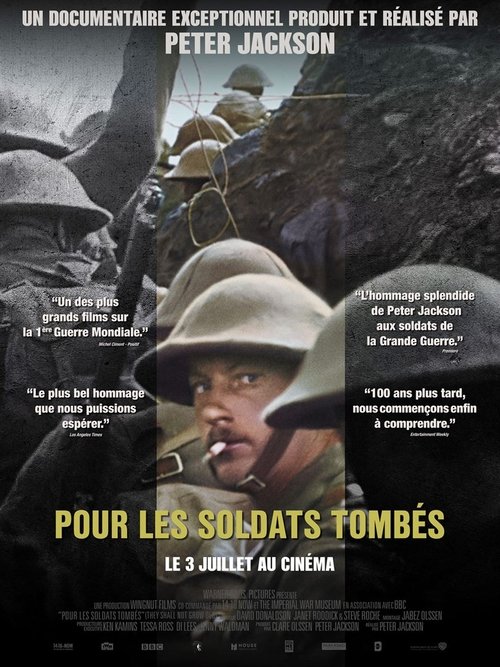
Entre 1914 et 1918, un conflit mondial change à jamais le cours de l’histoire. Les hommes et femmes qui y ont participé ne vivaient pas dans un monde silencieux, en noir et blanc. Un voyage dans le temps pour revivre l‘histoire avec ceux qui y étaient.
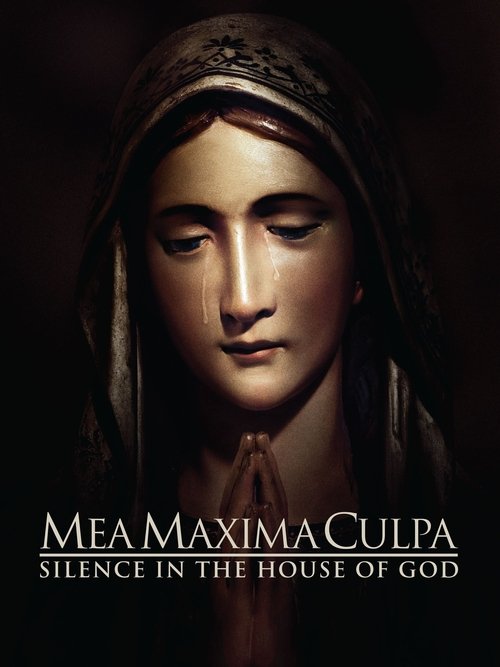
Alex Gibney explores the charged issue of pedophilia in the Catholic Church, following a trail from the first known protest against clerical sexual abuse in the United States and all way to the Vatican.
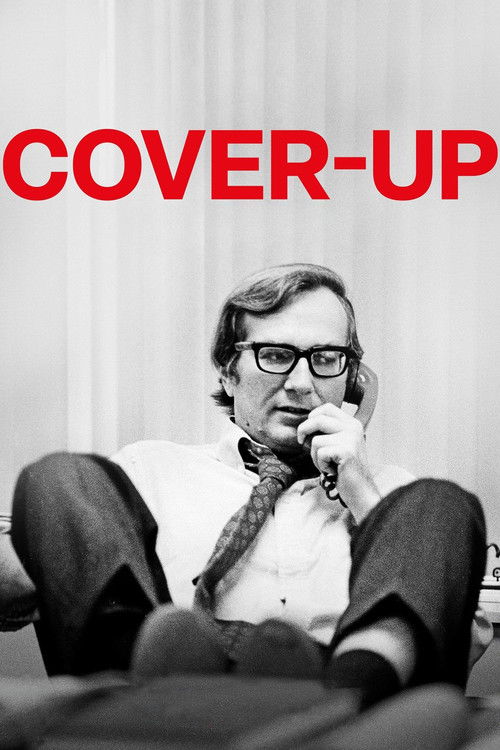
Il a consacré sa vie à révéler des histoires que les puissants veulent étouffer. De My Lai à Abou Ghraib, plongez au cœur de l'œuvre de toute une vie du journaliste Seymour Hersh.
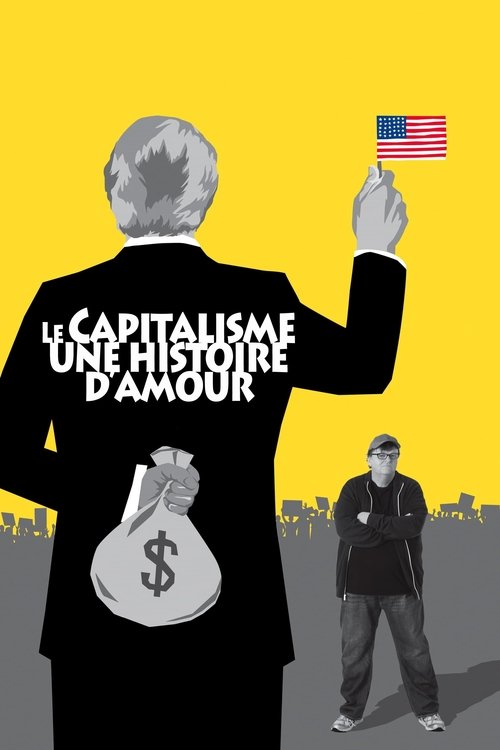
Michael Moore revient sur la question qu'il a examinée tout au long de sa carrière : l'impact désastreux de la domination des entreprises sur la vie quotidienne des Américains (et, par défaut, sur le reste du monde). Michael Moore s'attaque à la crise financière et prend d'assaut Wall Street, en dénonçant "la plus grande escroquerie de l'histoire américaine".

Ses films, ses amours, ses « emmerdes » : la biographie mouvementée du génial Chaplin, nourrie d'archives savoureuses et de nombreux témoignages. Dès sa première apparition, la puissance de son personnage de clochard malicieux crève l'écran. Présenté hors compétition au festival de Cannes, ce documentaire retrace la carrière de Charlie Chaplin, ainsi que sa vie privée agitée. Films, liaisons, mariages, scandale du procès en recherche de paternité, persécutions du FBI , exil, tout est raconté à l'aide de témoignages, d'extraits de films et de riches archives .
Une série de courriels menaçants dégénère en un complot de vengeance impliquant un marshal américain récemment marié et son ex-petite amie.

L'actrice Mariska Hargitay, lauréate d'un Emmy® et d'un Golden Globe, se penche sur l'histoire de sa mère Jayne Mansfield, soixante ans après sa mort.
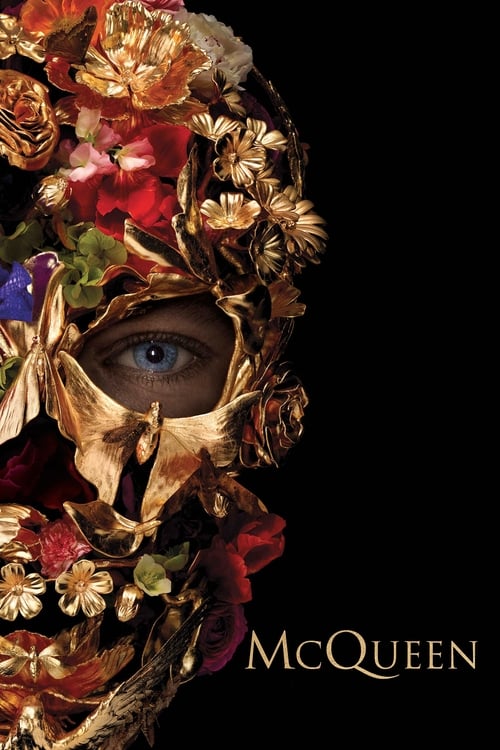
Un regard personnel sur la vie, la carrière et le talent hors du commun de l’enfant terrible de la mode, Alexander McQueen, icône d’ascendance modeste qui a brillé comme une étoile filante... Mêlant témoignages exclusifs de sa famille et de ses proches, archives inédites, images et musiques bouleversantes, McQUEEN est un vibrant hommage en même temps qu’un portrait captivant de ce visionnaire aussi tourmenté qu’inspiré.
Connectez-vous pour donner votre avis
Partagez votre opinion avec la communauté.