Synopsis
- Réalisateur
- Robert Huot
- Langue originale
- anglais
Vous aimerez aussi
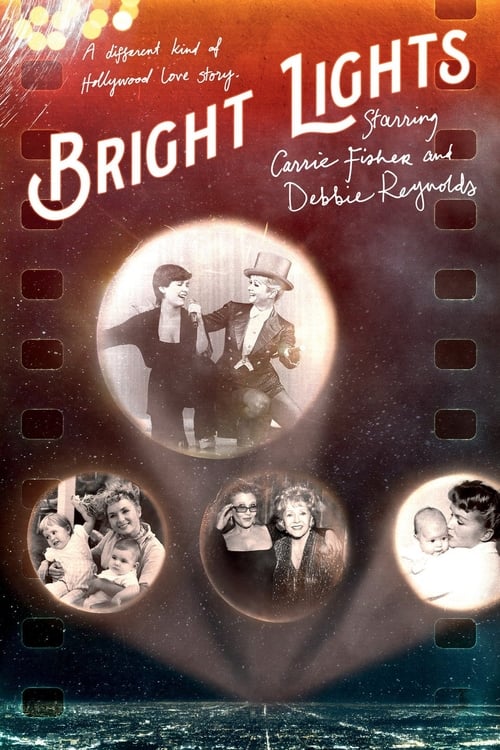
Gros plan sur la vie et la relation intime de deux actrices, Carrie Fischer, héroïne de la saga «Star Wars», et sa mère, Debbie Reynolds, la légendaire interprète de «Chantons sous la pluie». Des images d'archives et des témoignages de proches et de célébrités construisent ce double portrait, complété par de nombreux extraits de films et d'interviews.
Bright Lights: Starring Carrie Fisher and Debbie Reynolds
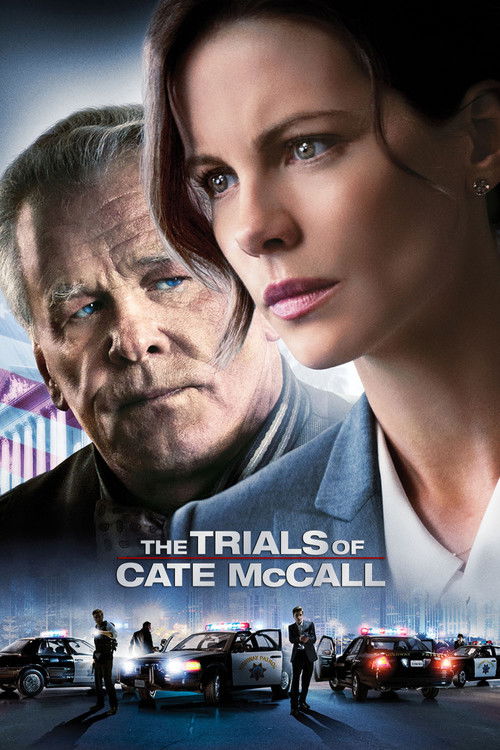
Afin d'être réintégrée au barreau et de récupérer la garde de sa fille, une brillante avocate se voit condamnée à une période de probation où lui est assigné le dossier d'une jeune femme accusée d'assassinat. L'affaire se révèle bien plus complexe et dangereuse qu'il n'y parait, impliquant de haut dignitaires de la police locale.
L'Affaire Cate McCall
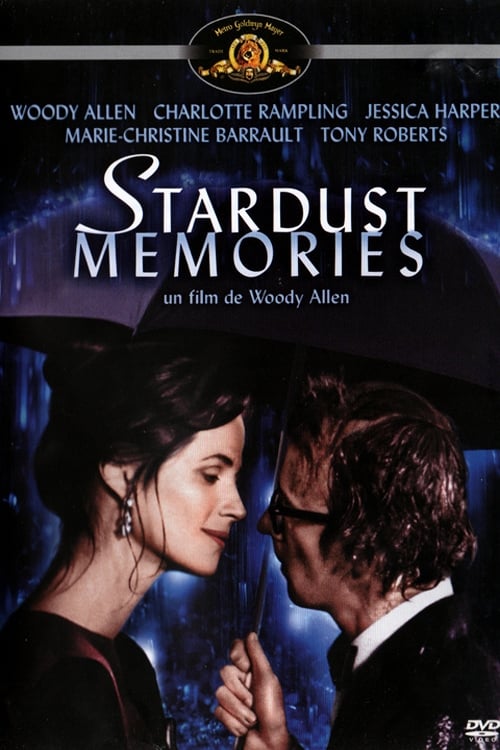
Sandy Bates, cinéaste, traverse une crise existentielle. Il ne supporte plus les exigences de ses admiratrices, ni les questions de l'intelligentsia new-yorkaise. Son déplacement à un festival consacré à son œuvre lui permet de faire un point sur son travail et sa vie. Woody Allen fait son « Huit et demi ».
Stardust Memories
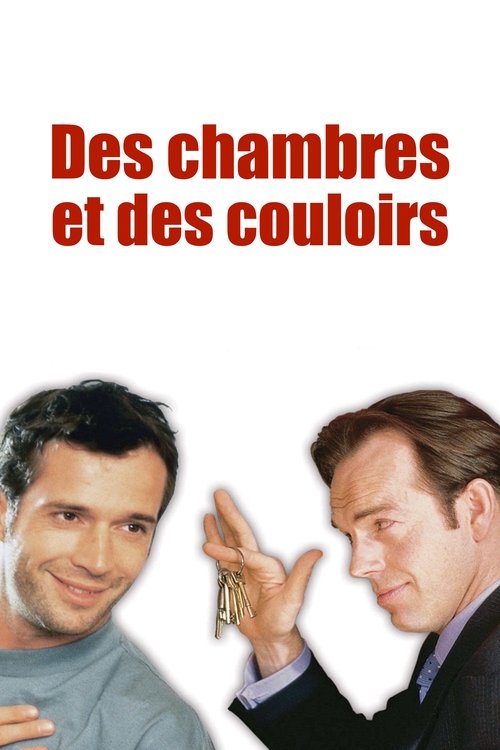
Le sexe, ça se passe dans les chambres, ça se décide dans les couloirs. Les amours croisées et entrecroisées de quelques personnages, homosexuels, hétérosexuels, transsexuels, féministes et machistes. Charge contre les ghettos, les stéréotypes et la bienséance. C'est aussi une ode a la liberté des choix de vie sous forme de comédie débridée et culottée.
Des chambres et des couloirs

Jackie et David se faisaient construire la plus grande maison des États-Unis, un palais de près de 90 000 m² inspiré du Château de Versailles, lorsque leur empire financier s'est brusquement effondré. Leur maison fut saisie, et leur vie changée à jamais.
The Queen of Versailles

En 1974, le réalisateur franco-chilien Alejandro Jodorowsky se lance dans le projet chimérique d'adapter au grand écran le roman influent de Frank Herbert, « Dune » (1969). Après avoir investi deux ans et des millions de dollars, ce projet gigantesque se solde par un échec ; mais les artistes réunis par Jodorowsky pour le mener à bien continuent à travailler ensemble et finissent par jeter les bases du cinéma de science-fiction moderne.
Jodorowsky's Dune
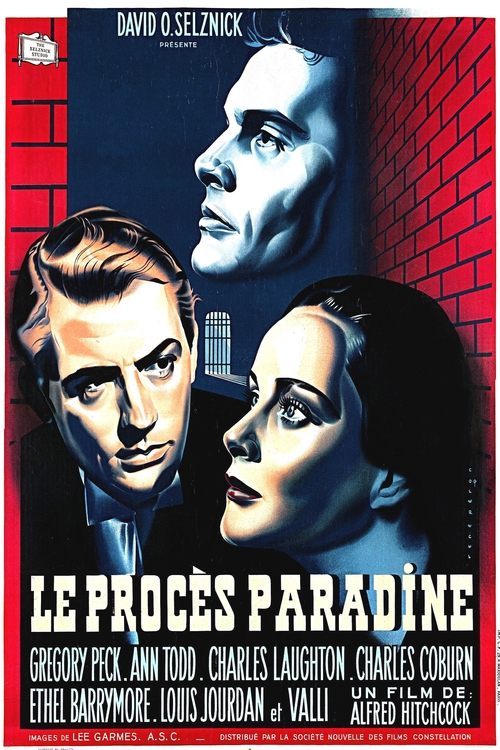
Keane est chargé de la défense de la belle Mme Paradine accusée d'avoir tué son mari aveugle. Marié à une fort jolie blonde, il tombe néanmoins très amoureux de sa cliente qui n'a aucun mal à le convaincre de son innocence. Cependant, peu avant l'ouverture du procès, Keane s’aperçoit que Mme Paradine était la maîtresse de son valet d'écurie...
Le Procès Paradine
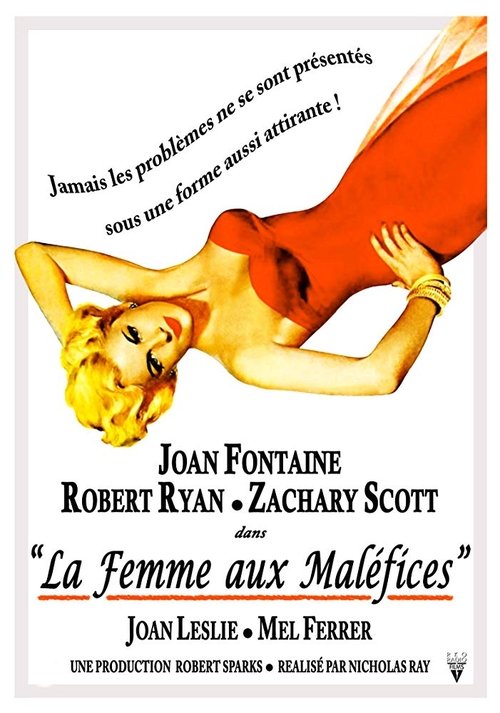
Dans le milieu artistique de San Francisco, une femme avide de pouvoir epouse un millionnaire. Charmeuse et perfide, la belle essuiera un revers cinglant.
La Femme aux Maléfices
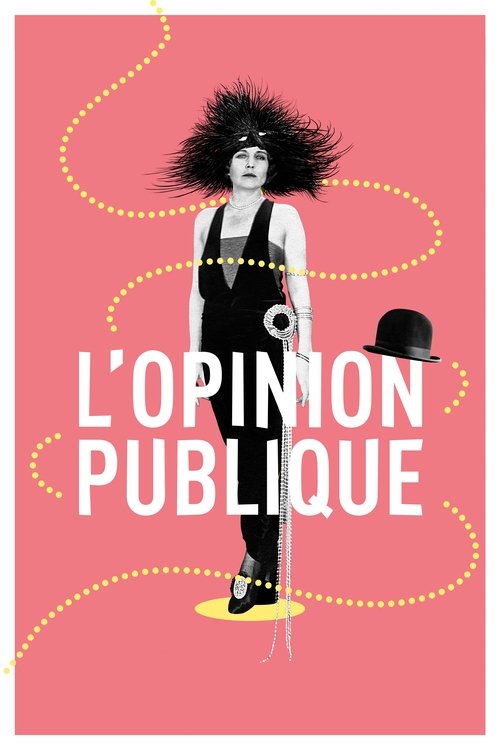
Marie Saint-Clair et Jean Millet, devant le refus de leurs parents respectifs, décident de s'enfuir pour se marier. Ils doivent se retrouver à la gare. Mais Jean est retenu au dernier moment par son père qui vient de subir une attaque cardiaque. Marie part seule. Un an plus tard, à Paris, ils se retrouvent par hasard. Marie est devenue la maîtresse d'un homme d'affaires. Les deux jeunes gens s'aiment toujours et Marie décide de quitter son protecteur. C'est alors qu'elle surprend une conversation entre Jean et sa mère qui s'oppose catégoriquement à cette union.
L'Opinion publique
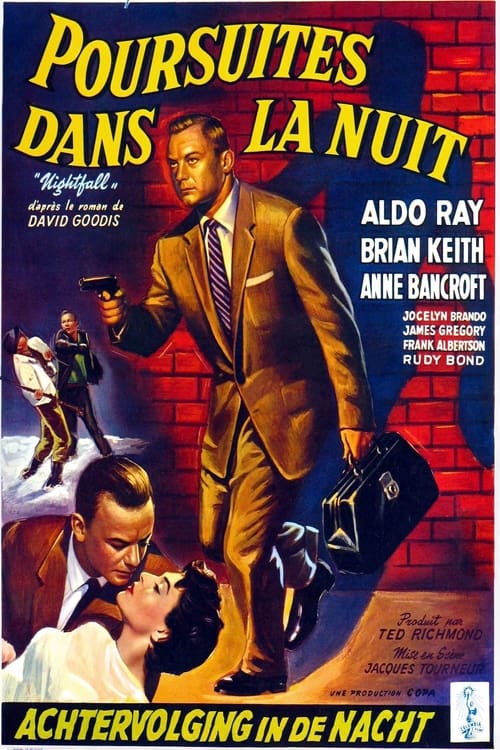
James Vanning est un homme simple, tranquille. Mais deux malfrats très dangereux pensent qu'il possède l'argent d'un casse. Il devient bientôt un homme en fuite dans les montagnes enneigés du Wyoming.
Poursuites dans la nuit
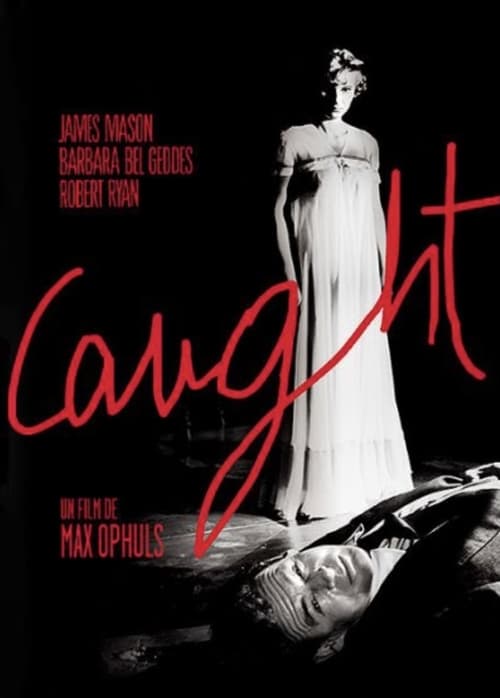
Leonara ( Barbara Bel Geddes) est persuadée que la clé du bonheur dans la vie est de trouver un mari très riche. Elle épouse un magnat célèbre, Smith Ohlrig (Robert Ryan), qui petit à petit, l'enferme dans une cage dorée. Insidieusement, leur relation se dégrade, Ohlrig considérant Leonara d'avantage comme une employée que comme une épouse. Déçue, blessée, elle s'enfuit, trouve un emploi de secrétaire pour un modeste pédiatre incarné par James Mason ...
Pris au piège

Une scène au jardin de Roundhay est un essai de film, tenté en 1888 par l'inventeur français Louis Le Prince. Ne comportant que des photographies fixes obtenues par un procédé de chronophotographie, cette tentative n'a jamais pu être visionnée en mouvement. En 1930, les photographies ont été reproduites sur film 35 mm par le procédé du banc-titre, reconstituant ainsi le mouvement que Le Prince n'avait pas réussi à voir. Le titre lui a été donné à cette époque, aucun titre proposé par Le Prince n'ayant été retrouvé avec les photographies. Il est parfois considéré, rétrospectivement, comme le premier film à avoir été tourné.
Une scène au jardin de Roundhay
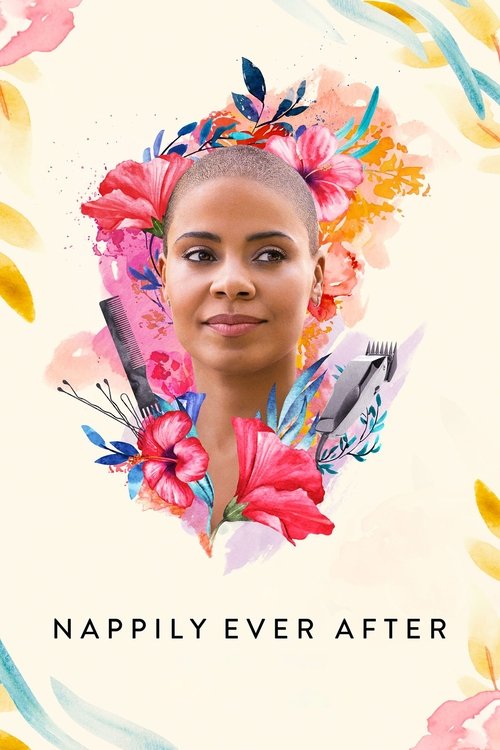
Après une déception amoureuse, une carriériste perfectionniste entame une découverte de soi déclenchée par un fâcheux incident capillaire.
Une femme de tête
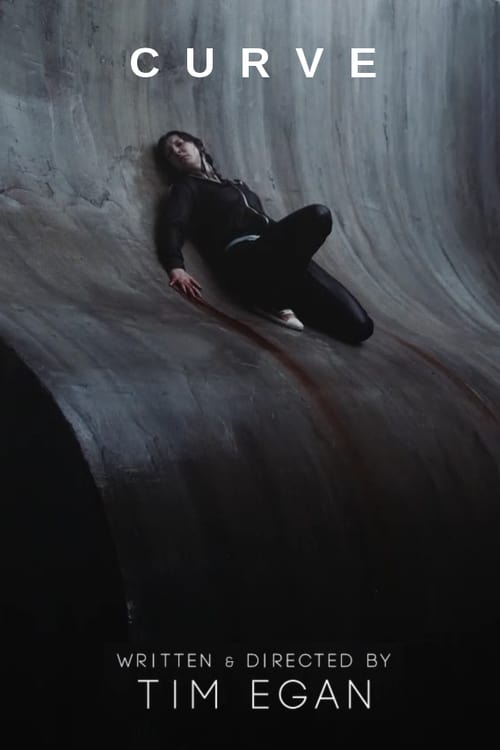
Une jeune fille se réveille au sommet d'une surface lisse et courbe surplombant un sombre abîme.Aucune prise ne s'offrant à elle, elle doit trouver un moyen de survivre sans glisser...
Curve
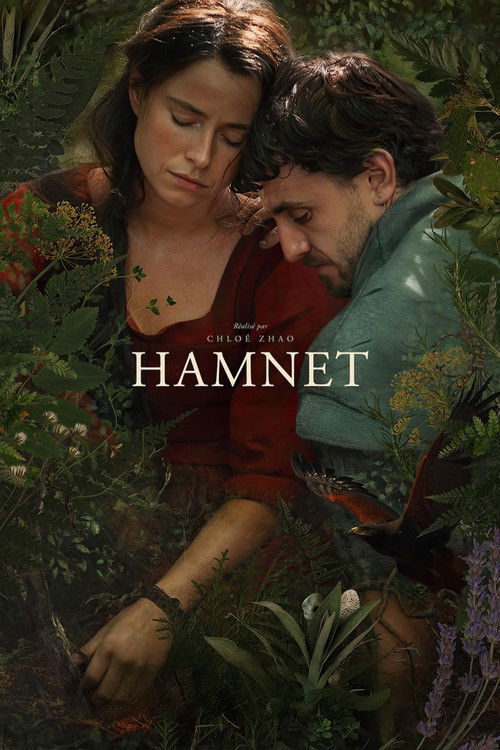
Angleterre, 1580. Un professeur de latin fauché, fait la connaissance d’Agnes, jeune femme à l’esprit libre. Fascinés l’un par l’autre, ils entament une liaison fougueuse avant de se marier et d’avoir trois enfants. Tandis que Will tente sa chance comme dramaturge à Londres, Agnes assume seule les tâches domestiques. Lorsqu’un drame se produit, le couple, autrefois profondément uni, vacille. Mais c’est de leur épreuve commune que naîtra l’inspiration d’un chef d’œuvre universel.
Hamnet
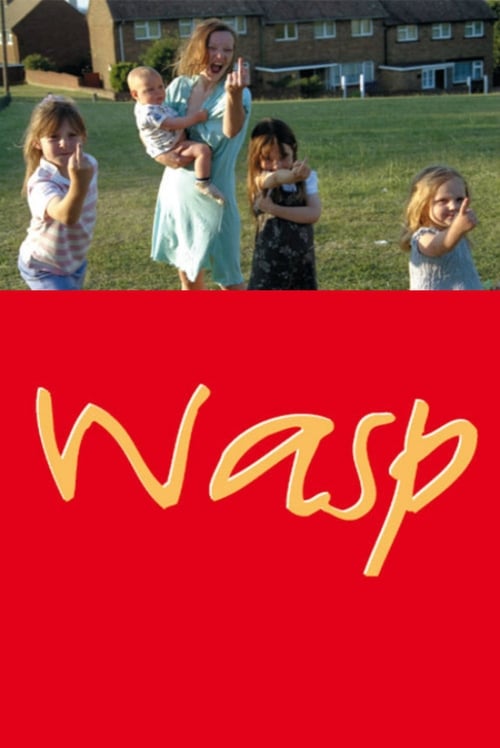
Rappelant le réalisme social de son triomphe Cow, le court-métrage d’Andrea Arnold, lauréat d’un Oscar, a été tourné dans sa ville natale de Dartford. Chargé émotionnellement, le film confronte la brutalité de la maternité dans la classe ouvrière avec une franchise et une empathie étonnantes.
Wasp

Une jeune fille se promène au parc avec son père et sa mère. Tandis que les deux femmes somnolent sur un banc, le père entreprend de jouer à cache-cache avec une de ses amies. Charlot, machiavélique, le conduit tout droit dans le lac. Puis il séduit les dames qui, ravies, l'invitent à dîner. Le père sauvé des eaux surgit avec l'un de ses amis. Pris de court, Charlot se précipite au premier étage, rase sa moustache et revient habillé en fille. Puis il séduit les messieurs...
Mademoiselle Charlot
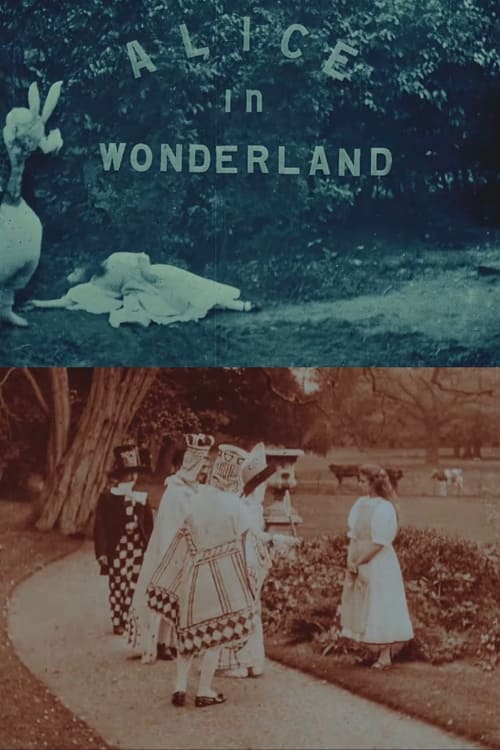
Alice au pays des merveilles est un film muet britannique réalisé par Cecil Hepworth et Percy Stow. C'est la première adaptation filmée de l'œuvre d'Alice au pays des merveilles, le célèbre livre de Lewis Carroll. Le film est notable par son utilisation d'effets spéciaux élaborés, comme la chute dans le terrier du lapin, les changements de taille d'Alice ou la transformation d'un bébé en cochon.
Alice au pays des merveilles
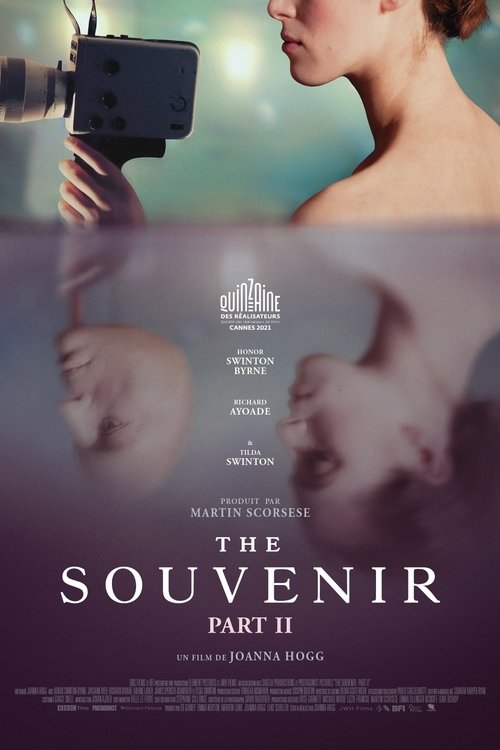
Sortant d’une relation éprouvante avec un homme séduisant et manipulateur, Julie tente de démêler l’écheveau de ses sentiments à travers son film de fin d’études, cherchant à faire la lumière sur l’existence fictive que cet homme s’était inventée. Chatoyante chronique d’un premier amour et récit d’apprentissage, THE SOUVENIR PART II dresse un portrait d’artiste qui sublime les fragments du quotidien, où réminiscence et fantasme se mêlent au point de fusionner.
The Souvenir: Part II

Dans un paysage de banlieue, la vie de plusieurs familles se mêle à la perte, au désespoir et à la crise personnelle. Esther Gold ne se concentre plus que sur son fils comateux, Paul, et néglige sa fille et son mari. L'avocat Jim Train est dévoué à sa carrière, pas à sa famille. Helen Christianson veut trouver une nouvelle étincelle dans la vie, tandis qu'Annette Jennings tente de reconstruire la sienne.
The Safety of Objects
Avis & Notes
Connectez-vous pour donner votre avis
Partagez votre opinion avec la communauté.