
Synopsis
Vous aimerez aussi

Une scène au jardin de Roundhay est un essai de film, tenté en 1888 par l'inventeur français Louis Le Prince. Ne comportant que des photographies fixes obtenues par un procédé de chronophotographie, cette tentative n'a jamais pu être visionnée en mouvement. En 1930, les photographies ont été reproduites sur film 35 mm par le procédé du banc-titre, reconstituant ainsi le mouvement que Le Prince n'avait pas réussi à voir. Le titre lui a été donné à cette époque, aucun titre proposé par Le Prince n'ayant été retrouvé avec les photographies. Il est parfois considéré, rétrospectivement, comme le premier film à avoir été tourné.
Une scène au jardin de Roundhay

La première année passée par le Président Lyndon Johnson dans la Bureau Ovale, après l'assassinat de John F. Kennedy. Guerre du Vietnam, droits civiques et élection présidentielle : le récit d'une période tumultueuse pour celui qui n'était pas destiné à occuper cette fonction...
All the Way
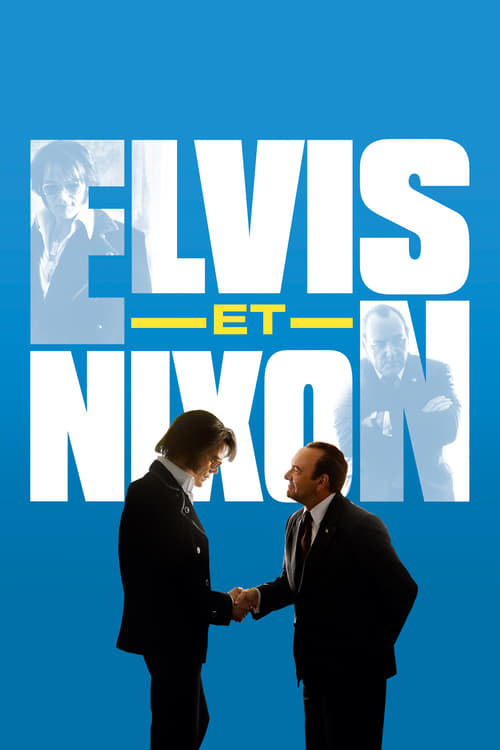
La reconstitution de la rencontre historique entre Elvis Presley et Richard Nixon à la Maison Blanche, qui vit le premier proposer au second d'être agent fédéral...
Elvis et Nixon
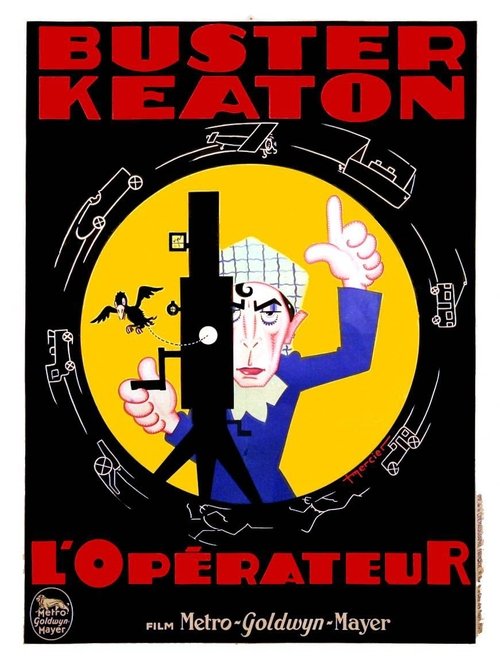
A New-York, les débuts de Shannon comme reporter d'une compagnie d'actualités cinématographiques sont désastreux. Encouragé par Sally, la secrétaire de la compagnie, il s'impose en tournant une émeute dans le quartier chinois. Ensuite, il sauve Sally évanouie lors d'un accident de hors-bord ; exploit que s'attribue un lâche, mais un singe avait tourné la manivelle de l'appareil de Keaton et filmé la scène.
L'Opérateur
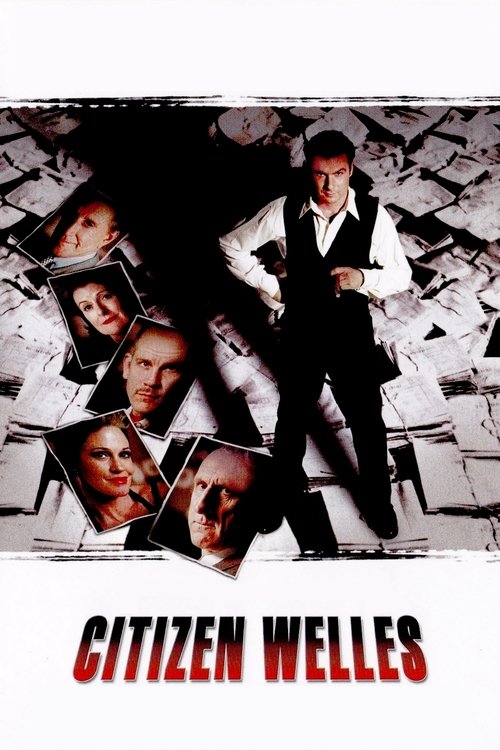
Débarquant à Hollywood en 1940 avec une réputation de génie, grâce au succès de son canular radiophonique « La Guerre des mondes », le jeune Orson Welles n'arrive pas à trouver le sujet de son premier long métrage.
Citizen Welles

Leonard Zelig relève, dans ces années trente, d'un cas peu ordinaire. Obèse, boxeur ou écrivain, il prend l'apparence de tous ceux qu'il côtoie. Eudora, en psychanalysant Léonard, découvre que celui-ci souffre d'un cruel besoin d'amour.
Zelig
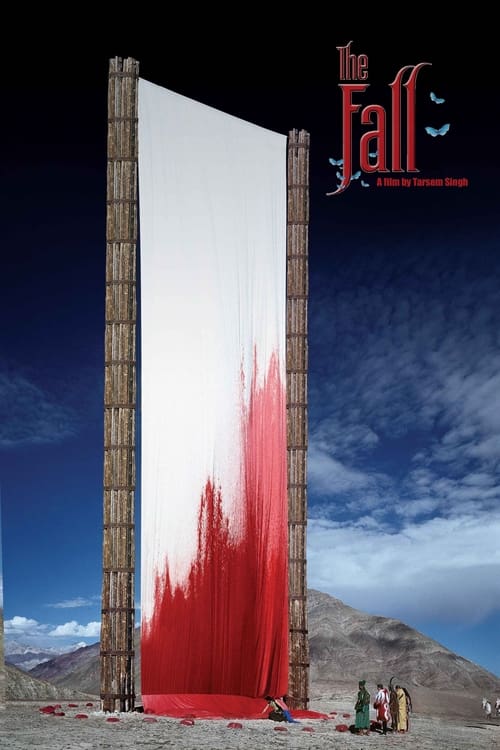
Los Angeles, années 1920. Alexandria, cinq ans, est hospitalisée à la suite d’une chute. Elle se lie d’amitié avec Roy, cascadeur à Hollywood, lui aussi victime d’un accident. Le jeune homme se lance dans le récit d’une histoire épique avec le gouverneur Odieux et les 5 fantastiques déterminés à le combattre. Très vite, la frontière entre la réalité et ce monde éblouissant de magie et de mythes commence à disparaître quand la petite Alexandra réalise qu’il existe un véritable enjeu…
The Fall
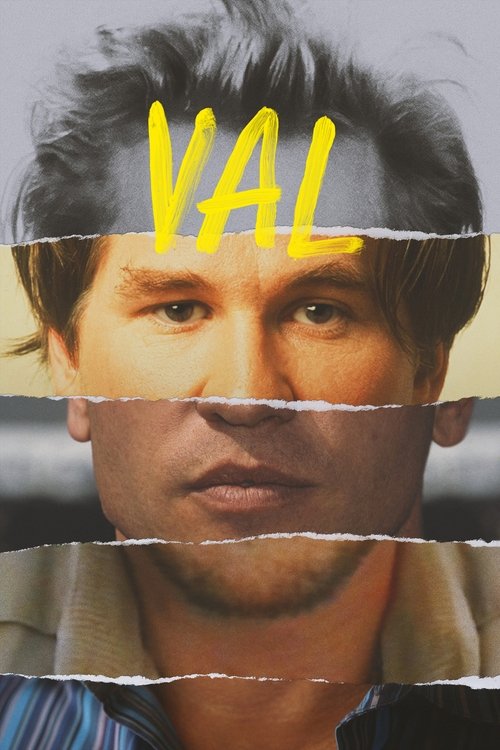
Depuis plus de 40 ans, Val Kilmer, l'un des acteurs les plus capricieux et/ou incompris d'Hollywood. En 2015, un cancer de la gorge l'astreint à des traitements. Mais s’il a survécu, les traitements ont eu raison de sa voix. Il ne peut plus s'exprimer que par courtes phrases qui restent à décrypter. Depuis l'enfance, ses deux frères, Wesley et Mark, Val a enregistré des films, vidéos avec leurs caméras. Des milliers d'heures de séquences, des films familiaux. C'est quand il eut perdu sa voix, qu'il eut le plus envie de se raconter. Documenter sa propre vie et son art à travers ces vidéos, la vie de Val en 109 minutes sonorisés par la voix de son fils, Jack Kilmer. Ce documentaire brut, follement original et sans faille révèle une vie vécue à l'extrême et un regard rempli de cœur, parfois hilarant, sur ce que signifie être un artiste et un homme complexe, surprenant, émouvant à découvrir.
Val
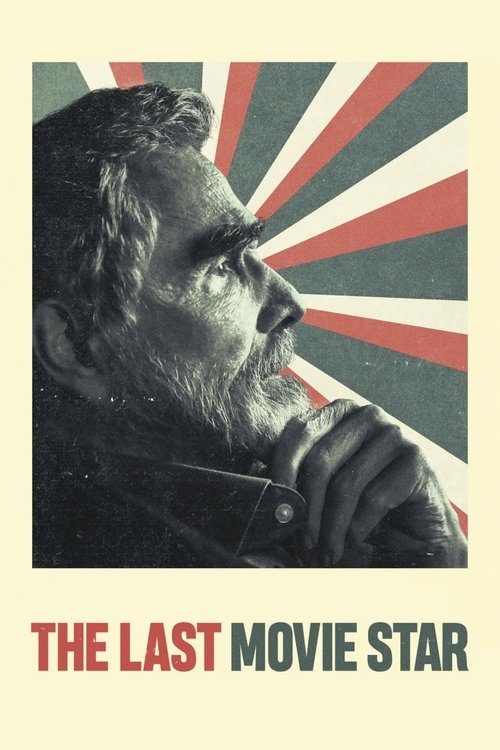
An aging screen icon gets lured into accepting an award at a rinky-dink film festival in Nashville, Tenn., sending him on a hilarious fish-out-of-water adventure and an unexpectedly poignant journey into his past.
The Last Movie Star
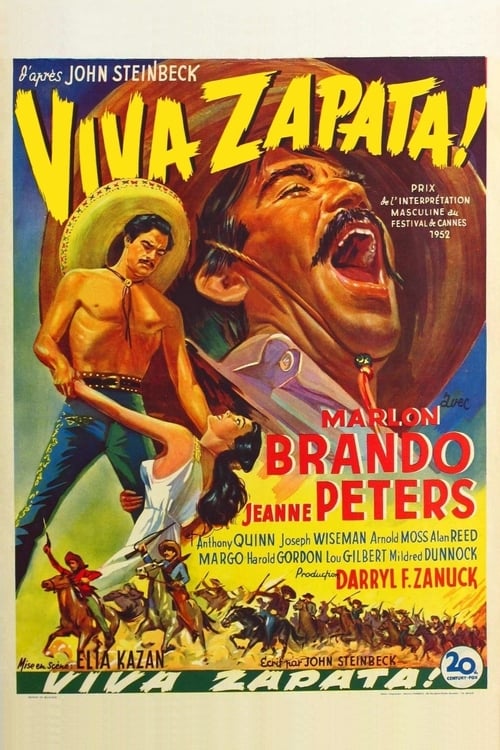
1909. Porfirio Díaz est à la tête du Mexique depuis 34 ans. Un groupe de paysans du Morelos est spolié de ses terres par des propriétaires terriens, exploitants de canne à sucre. Devant la condescendance du dictateur et son refus d'intervenir, Emiliano Zapata, aidé de son ami Pancho Villa (Alan Reed) et de son frère Eufemio (Anthony Quinn), décide de prendre la tête de la révolte et de faire triompher le bon droit des paysans.
Viva Zapata !

Et si vous aviez une seconde chance… Que feriez-vous ? Que changeriez-vous ? Jusqu'où iriez-vous ? Quatre adolescents font une découverte qui va changer leur vie : une machine aux possibilités infinies… mais aux conséquences parfois irréversibles. Serez-vous prêts à vivre et revivre l'expérience de votre vie ?
Projet Almanac
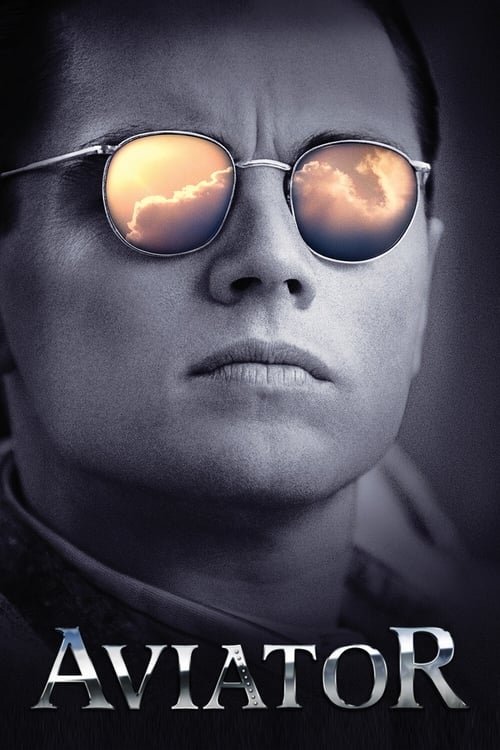
À la fin des années 1920, Howard Hughes, jeune héritier d'une famille du Sud possédant de nombreux puits de pétrole, investit une somme considérable dans la production de "Hell's Angels", un film retraçant les exploits d'aviateurs pendant la Première Guerre mondiale. Au cours d'un tournage qui va s'étaler sur trois ans, le producteur-réalisateur rencontre deux de ses fidèles collaborateurs: Noah Dietrich, chargé de s'occuper des finances de l'entreprise, et le professeur Fitz, qui devient son conseiller scientifique. Ce tournage avive également l'intérêt de Howard pour l'aéronautique, l'amenant à concevoir et à tester de nouveaux modèles d'avions rapides. Peu de temps après la sortie en fanfare de "Hell's Angels", Howard fait la connaissance de la comédienne Katharine Hepburn, dont il tombe amoureux.
Aviator
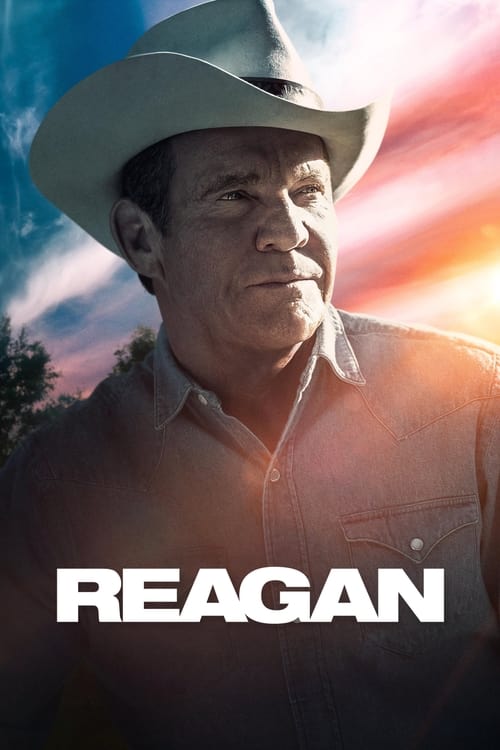
Évocation de la vie de Ronald Reagan, à travers les yeux d'un agent fictif du KGB, qui a suivi le politicien tout au long de sa carrière.
Reagan
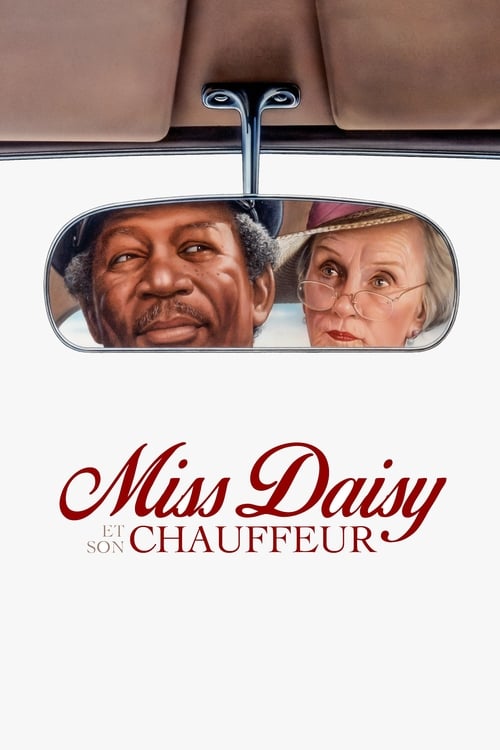
Miss Daisy a soixante-douze ans.Elle est riche, énergique, autoritaire... et juive. Son chauffeur est un peu plus jeune. Il est pauvre, serviable, compétent... et noir. Entre ces deux là, c'est à la fois la haine et l'amitié, l'humour et la colère, la tendresse et la violence. Etalée sur 25 ans, l'extraordinaire histoire de ce duo pas comme les autres a remporté 4 OSCARS à Hollywood.
Miss Daisy et son chauffeur

Finn, Callie et Jasper, trois jeunes colocataires, découvrent le cadavre de leur voisin scientifique. En inspectant sa maison, ils tombent sur une mystérieuse machine qui semble chaque jour photographier leur propre salon 24h à l’avance. Excités par l’idée de pouvoir visualiser leur avenir, ils décident de tirer profit de cette découverte et de l’utiliser à des fins personnelles. Mais, leur soudaine réussite finit par éveiller les soupçons et le trio se retrouve très vite plongé dans une spirale infernale. Parviendront-ils à en sortir indemnes ?
Time Lapse
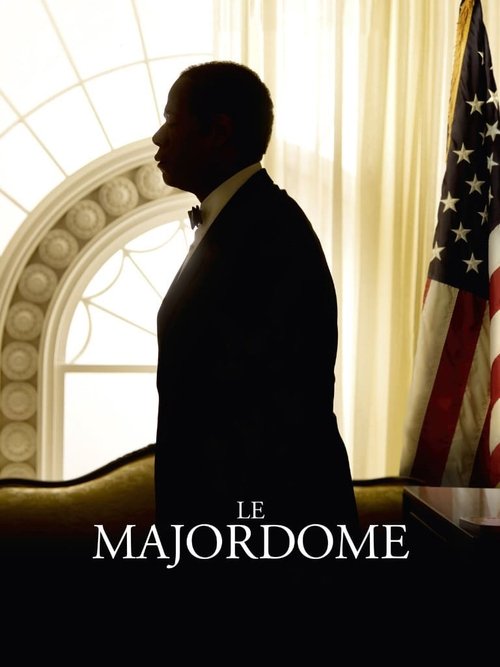
Le jeune Cecil Gaines, en quête d'un avenir meilleur, fuit, en 1926, le Sud des États-Unis, en proie à la tyrannie ségrégationniste. Tout en devenant un homme, il acquiert les compétences inestimables qui lui permettent d’atteindre une fonction très convoitée : majordome de la Maison-Blanche. C'est là que Cecil devient, durant 7 présidences, un témoin privilégié de son temps et des tractations qui ont lieu au sein du Bureau Ovale. À la maison, sa femme, Gloria, élève leurs 2 fils, et la famille jouit d'une existence confortable grâce au poste de Cecil. Pourtant, son engagement suscite des tensions dans son couple : Gloria s'éloigne de lui et les disputes avec l'un de ses fils, particulièrement anticonformiste, sont incessantes.
Le Majordome
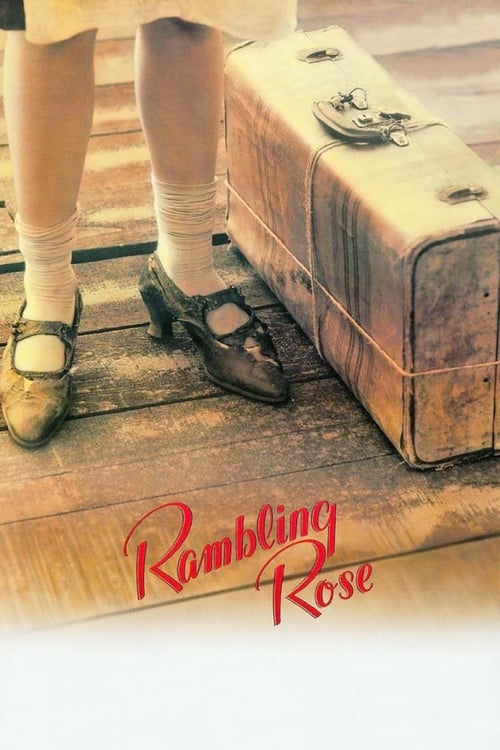
1930. Rose est engagé par la famille Hiller en tant que femme de chambre afin d'éviter de tomber dans la prostitution. Mais Rose ne laisse pas les homme indifférents, et elle le sait...
Rambling Rose
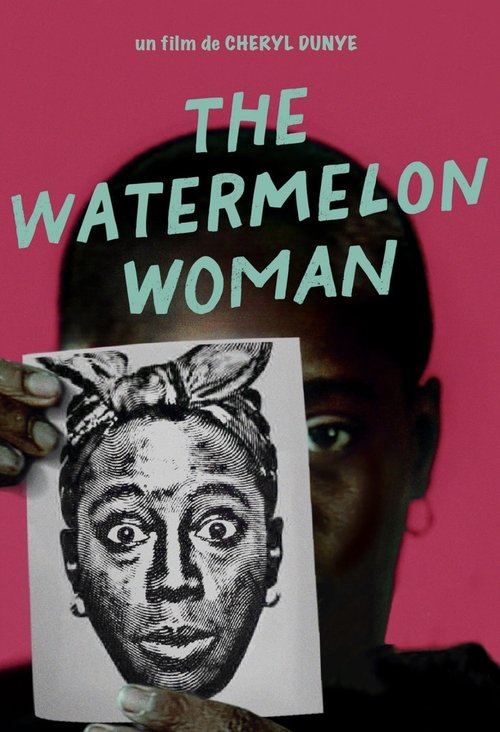
Cheryl est une jeune lesbienne africaine-américaine qui travaille dans un vidéo club à Philadelphie avec sa meilleure amie Tamara. Cheryl commence à s’intéresser aux films des années 30 et 40 dans lesquels jouent des actrices noires et remarque que ces actrices ne sont la plupart du temps pas créditées. Elle se concentre sur une actrice noire de Philly, connue sous le nom de scène de The Watermelon Woman (La femme à la pastèque). Cheryl se lance dans un film documentaire qui prendra la forme d’une enquête sur la vie de cette actrice.
The watermelon woman
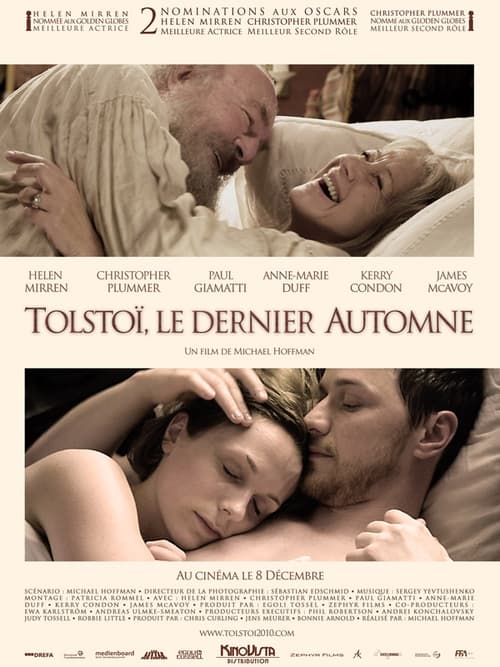
Après cinquante ans de mariage, la comtesse Sofya Andreïevna, épouse aimante et dévouée de Léon Tolstoï, voit son monde s'écrouler soudain sous ses pieds. Au nom de sa nouvelle religion, le célèbre écrivain est en effet prêt à renoncer non seulement à son récent titre de noblesse, mais aussi à ses biens et à sa famille, décidé à terminer ses jours dans la pauvreté, l'austérité et la chasteté.
Tolstoï, le dernier automne
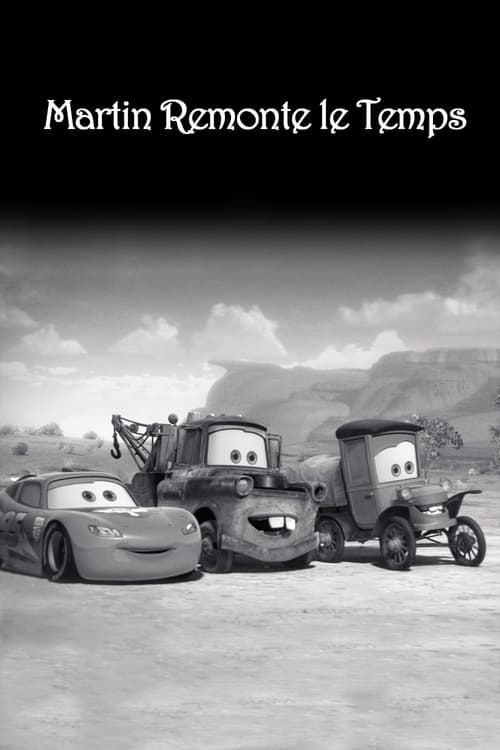
Après la chute d'une horloge sur le moteur de Martin, il remonte le temps jusqu'en 1909 où il rencontre Stanley, une jeune voiture ambitieuse en route pour la Californie. À l'aide de Flash McQueen, Martin change le cours de l'histoire en convaincant Stanley de fonder Radiator Springs. Stanley rencontre Lizzie et ils commémorent l’ouverture du nouveau palais de justice lors de leur mariage.