
Synopsis
You might also like

In 1974, Chilean-French director Alejandro Jodorowsky embarked on the quixotic project of adapting Frank Herbert's influential novel Dune (1969) for the big screen. After investing two years, and millions of dollars, the gigantic project ended in failure; but the artists Jodorowsky brought together to carry it out continued to work together, and ended up laying the foundations for modern science fiction cinema.
Jodorowsky's Dune

A subjective documentary that explores various theories about hidden meanings in Stanley Kubrick's classic film The Shining. Five very different points of view are illuminated through voice over, film clips, animation and dramatic reenactments.
Room 237

The chronicle of the mind-blowing journey that was Hollywood during the seventies; the true and gripping story of the last golden age of American cinema, an exalted celebration of creativity and experimentation; but also of sex, drugs and rock 'n' roll: a turbulent and dark tale of ambition, envy, betrayal, hatred and self-destruction.
Easy Riders, Raging Bulls: How the Sex 'n' Drugs 'n' Rock 'n' Roll Generation Saved Hollywood

Since the invention of cinema, the standard format for recording moving images has been film. Over the past two decades, a new form of digital filmmaking has emerged, creating a groundbreaking evolution in the medium. Keanu Reeves explores the development of cinema and the impact of digital filmmaking via in-depth interviews with Hollywood masters, such as James Cameron, David Fincher, David Lynch, Christopher Nolan, Martin Scorsese, George Lucas, Steven Soderbergh, and many more.
Side by Side
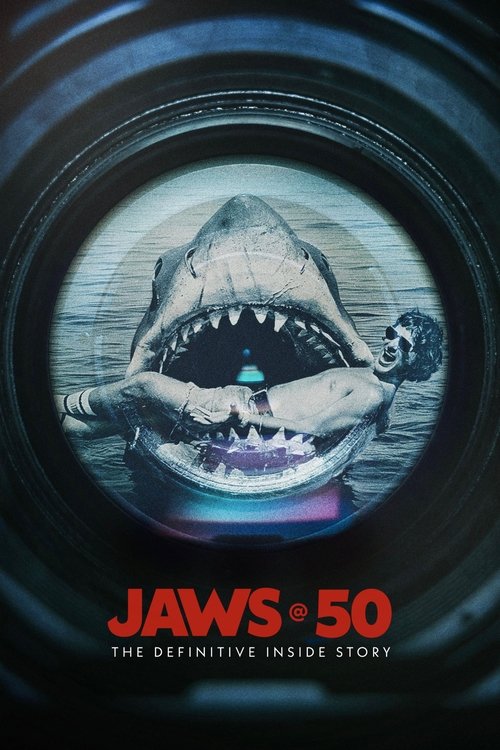
The authorized documentary celebrating the film that redefined Hollywood, 50 years after its premiere. Featuring rare archival footage and interviews with acclaimed Hollywood directors alongside Steven Spielberg, top shark scientists, and conservationists, the film uncovers the behind-the-scenes chaos and how the film launched the summer blockbuster, inspired a new wave of filmmakers, and paved the way for shark conservation that continues today.
Jaws @ 50: The Definitive Inside Story

A documentary about the rise and fall of the Cannon Film Group, the legendary independent film company helmed by Israeli cousins Menahem Golan and Yoram Globus.
Electric Boogaloo: The Wild, Untold Story of Cannon Films
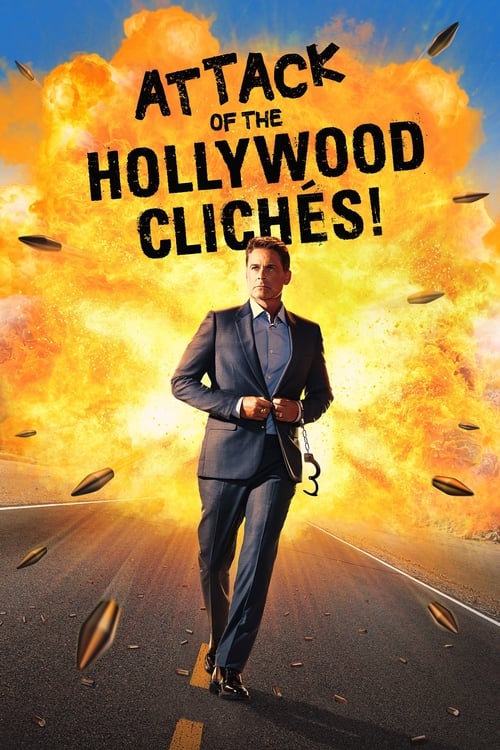
One-man armies, meet-cutes, casual strolls away from huge explosions — stars and industry insiders toast and roast these cinematic chestnuts and more.
Attack of the Hollywood Clichés!
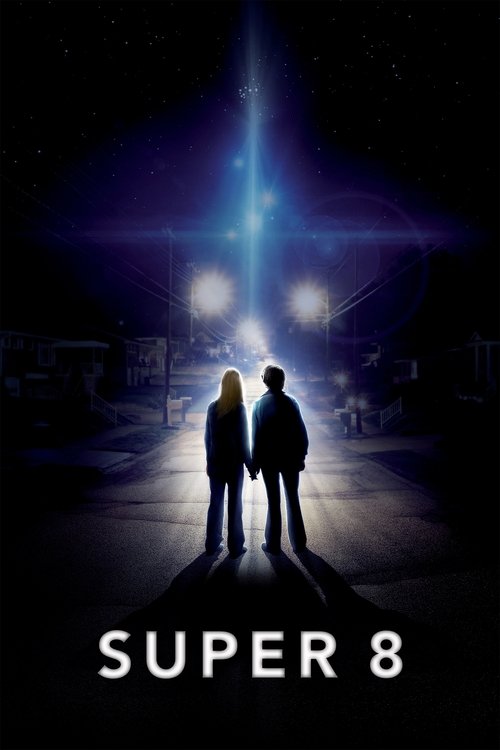
In late 1970s Ohio, a group of friends filming a homemade zombie movie witness a devastating train derailment. Soon after, their quiet town is gripped by unexplained disappearances, strange phenomena, and a growing sense of fear, as they uncover that something terrifying has been set loose.
Super 8

This special explores the return of Obi-Wan Kenobi and Anakin Skywalker to the screen, as well as Ewan McGregor and Hayden Christensen to their classic roles. Director Deborah Chow leads the cast and crew as they create new heroes and villains that live alongside new incarnations of beloved Star Wars characters, and an epic story that dramatically bridges the saga films.
Obi-Wan Kenobi: A Jedi's Return
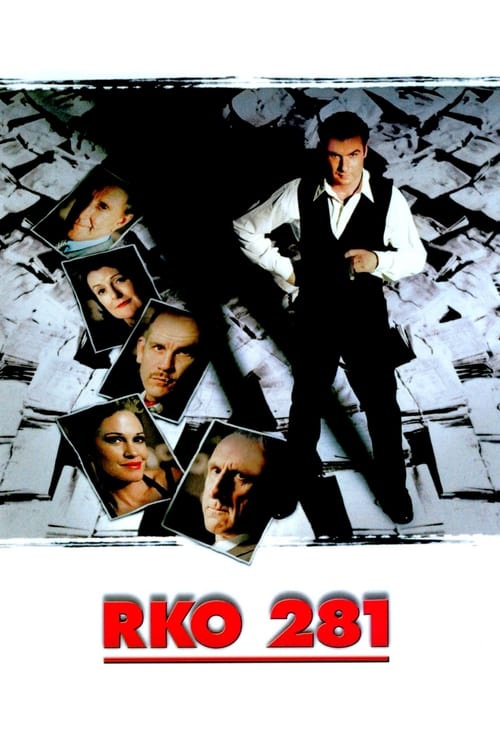
In 1939, boy-wonder Orson Welles leaves New York, where he has succeeded in radio and theater, and, hired by RKO Pictures, moves to Hollywood with the purpose of making his first film.
RKO 281

Charlotte Gainsbourg agrees to play a witch condemned to be burned at the stake in the first film directed by Béatrice Dalle. But the chaotic production, technical problems, and psychotic breakdowns gradually plunge the shoot into a chaos of pure light.
Lux Æterna

An aspiring actor in Hollywood meets an enigmatic stranger by the name of Tommy Wiseau, the meeting leads the actor down a path nobody could have predicted; creating the worst movie ever made.
The Disaster Artist

The story lives forever in this feature-length documentary that charts the making of Star Wars: The Rise of Skywalker.
The Skywalker Legacy
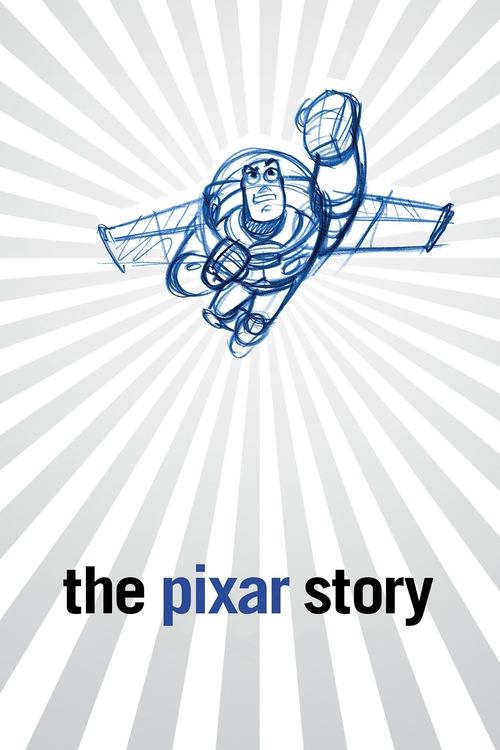
A look at the first years of Pixar Animation Studios - from the success of "Toy Story" and Pixar's promotion of talented people, to the building of its East Bay campus, the company's relationship with Disney, and its remarkable initial string of eight hits. The contributions of John Lasseter, Ed Catmull and Steve Jobs are profiled. The decline of two-dimensional animation is chronicled as three-dimensional animation rises. Hard work and creativity seem to share the screen in equal proportions.
The Pixar Story
While attending a retrospect of his work, a filmmaker recalls his life and his loves: the inspirations for his films.
Stardust Memories
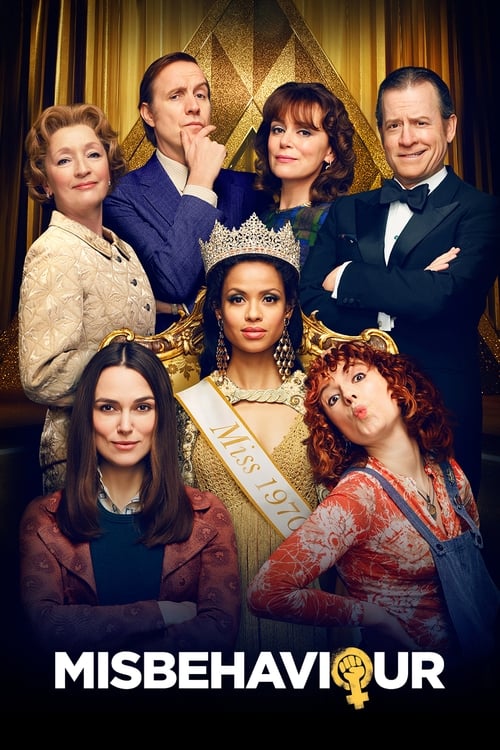
A group of women involved in the Women's Liberation Movement hatched a plan to invade the stage and disrupt the live broadcast at the 1970 Miss World competition in London, resulting in overnight fame for the newly-formed organization. When the show resumed, the results caused an uproar and turned the Western ideal of beauty on its head.
Misbehaviour

The film is based on interviews with 2,000 women from 50 countries, and covers the status of women all over the world. The topics covered include forced marriages, sexual assault, female genital mutilation, acid attacks, motherhood, sexuality, menstruation, education and the professional success of women.
Woman
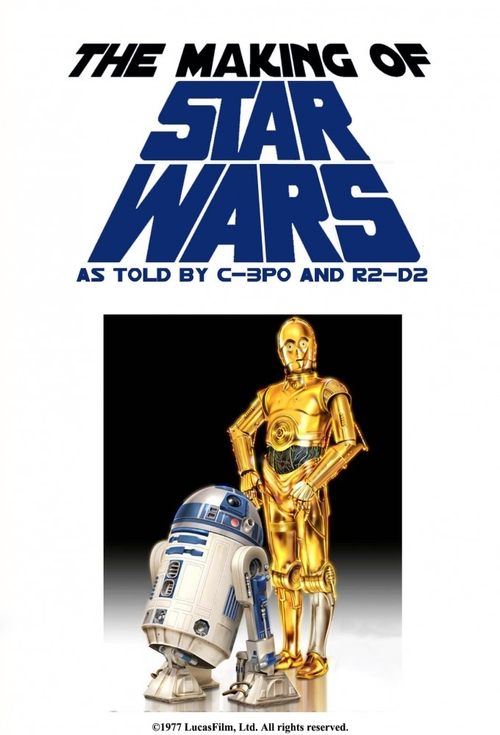
Learn the incredible behind-the-scenes story of how the original Star Wars movie was brought to the big screen in this fascinating documentary hosted by C-3PO and R2-D2 which includes interviews with George Lucas and appearances by Mark Hamill, Harrison Ford and Carrie Fisher.
The Making of Star Wars
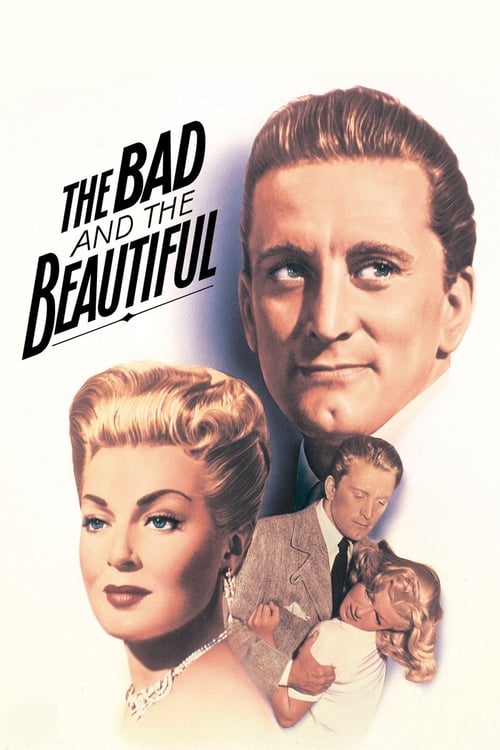
Told in flashback form, the film traces the rise and fall of a tough, ambitious Hollywood producer, Jonathan Shields, as seen through the eyes of various acquaintances, including a writer, James Lee Bartlow; a star, Georgia Lorrison; and a director, Fred Amiel. He is a hard-driving, ambitious man who ruthlessly uses everyone on the way to becoming one of Hollywood's top movie makers.
The Bad and the Beautiful
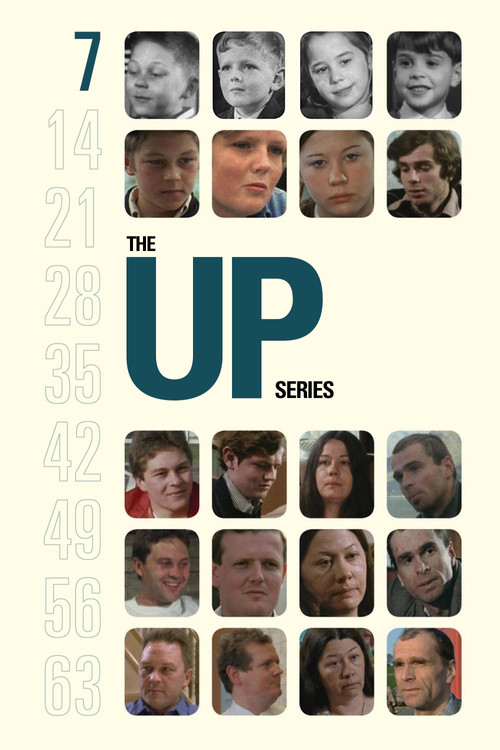
A group of British children aged 7 from widely ranging backgrounds are interviewed about a range of subjects. The filmmakers plan to re-interview them at 7 year intervals to track how their lives and attitudes change as they age.