
Vous aimerez aussi
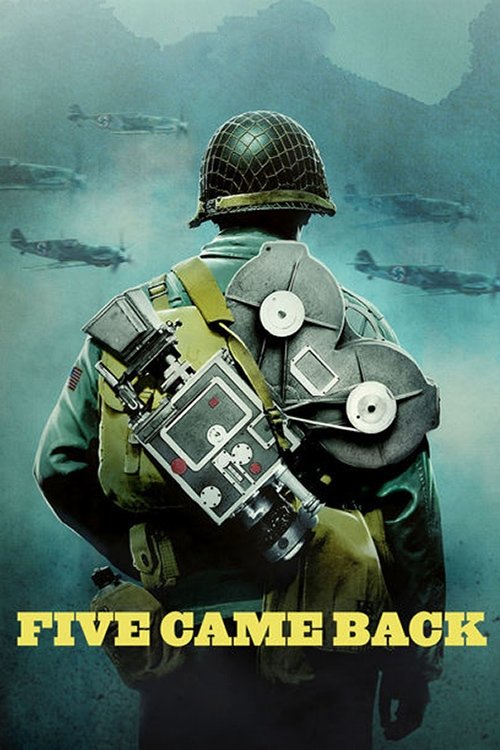
Série documentaire traitant de l'expérience de John Ford, William Wyler, John Huston, Frank Capra et George Stevens sur le théâtre européen durant la Seconde Guerre Mondiale. Narrée par Meryl Streep, la série offre des interventions de cinq cinéastes contemporains : Steven Spielberg, Francis Coppola Ford, Guillermo Del Toro, Paul Greengrass et Lawrence Kasdan.
Cinq hommes et une guerre
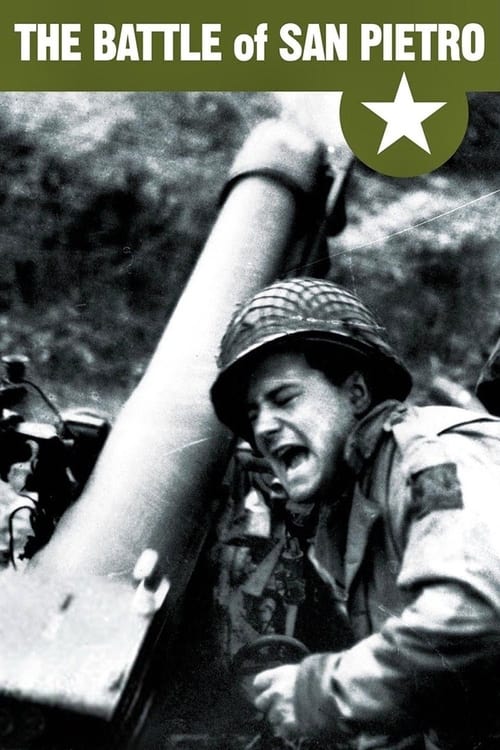
Fin 1943, après le débarquement en Italie, John Huston fut chargé de réaliser un documentaire sur l’avancée triomphale des troupes américaines sur Rome. Filmant des combats d’une rare violence, il réalisa l’un des plus bouleversants témoignages sur les horreurs de la guerre.
La Bataille de San Pietro
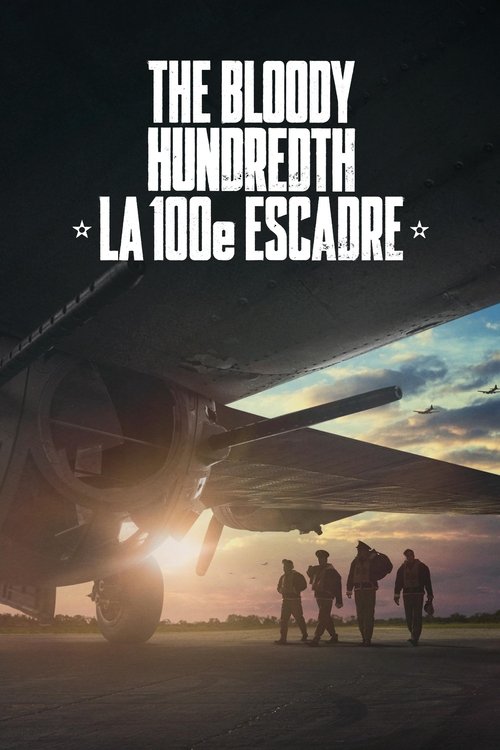
Rencontrez les vrais aviateurs ayant inspiré Masters of the Air à travers leur récit poignant et marquant sur le 100e groupe de bombardement.
The Bloody Hundredth : la 100e escadre
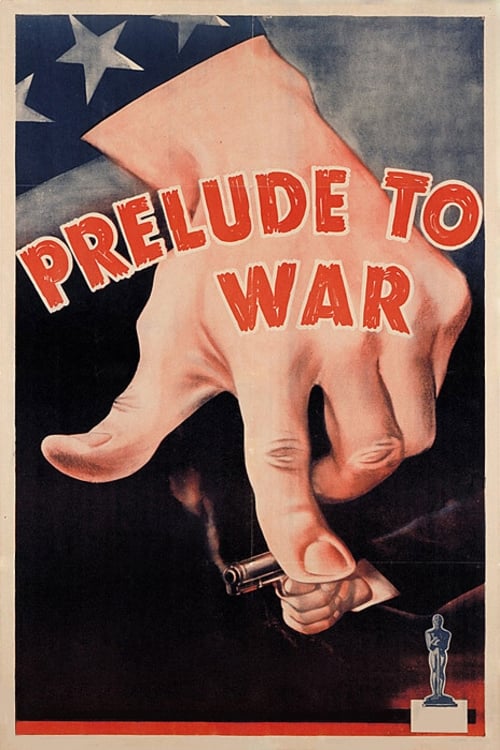
Oscar® du meilleur documentaire en 1943, ce film est le premier de la série Pourquoi nous combattons produite par le Département de la Guerre américain. L’objectif est de décrire et d’expliquer les événements qui ont poussé les États-Unis à entrer en guerre. Les systèmes totalitaires et répressifs allemands, italiens et japonais sont décryptés et opposés à la grande puissance démocratique des États-Unis.
Pourquoi nous combattons : Prélude à la guerre
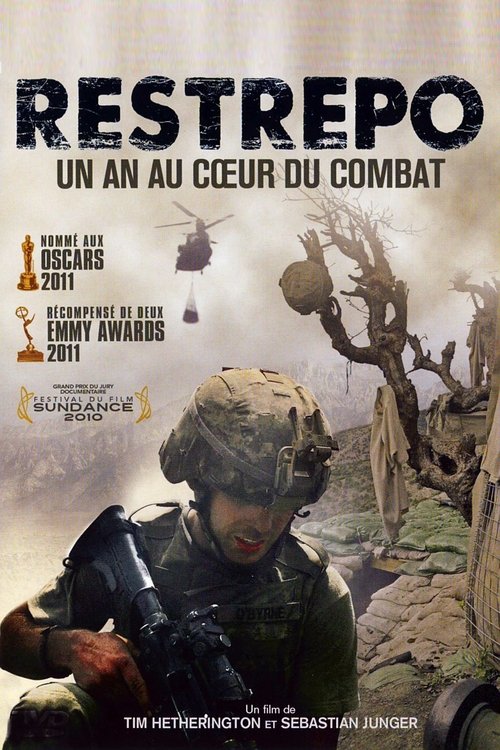
Tout sauf un document de propagande pour la guerre en Afghanistan, Restrepo, qui tire son titre du nom d'un jeune de 20 ans mort en mission, suit un bataillon de soldats américains pendant 15 mois dans l'horreur quotidienne.
Restrepo
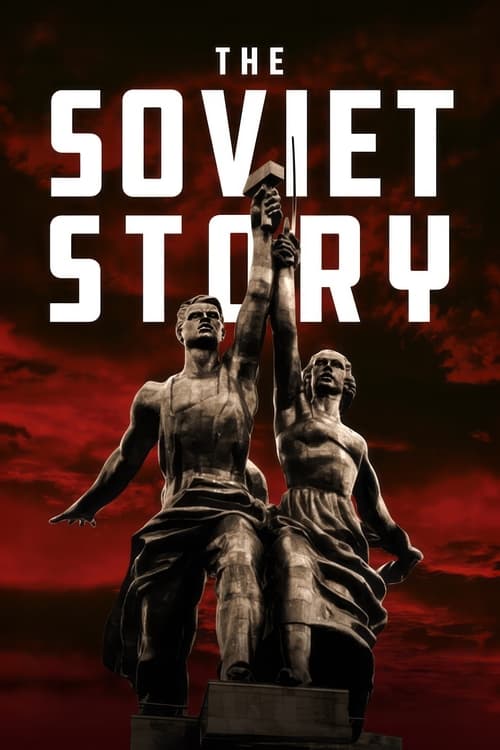
“The Soviet Story” is a story of an Allied power, which helped the Nazis to fight Jews and which slaughtered its own people on an industrial scale. Assisted by the West, this power triumphed on May 9th, 1945. Its crimes were made taboo, and the complete story of Europe’s most murderous regime has never been told. Until now...
The Soviet Story
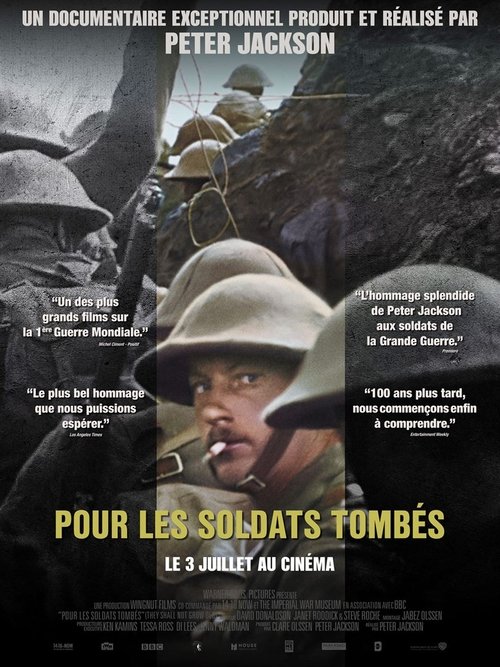
Entre 1914 et 1918, un conflit mondial change à jamais le cours de l’histoire. Les hommes et femmes qui y ont participé ne vivaient pas dans un monde silencieux, en noir et blanc. Un voyage dans le temps pour revivre l‘histoire avec ceux qui y étaient.
Pour les soldats tombés
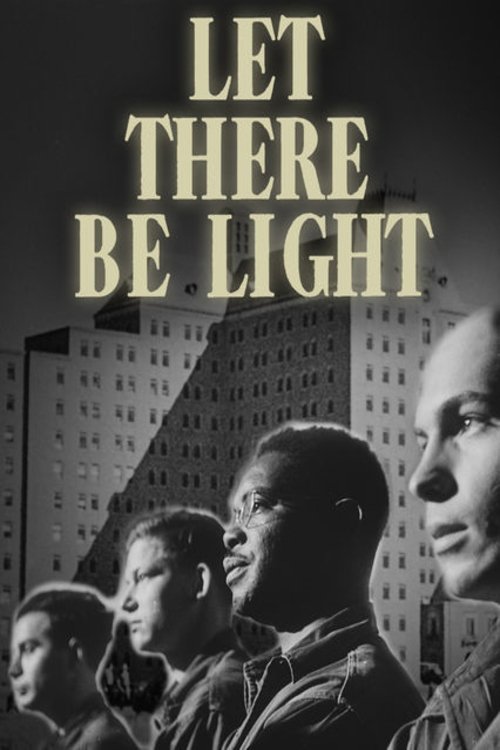
Bouleversant témoignage sur les horreurs de la guerre censuré jusqu’en 1980, Que la lumière soit est aujourd’hui considéré comme l’un des meilleurs films jamais réalisés sur les conséquences psychologiques de la guerre.
Que la lumière soit
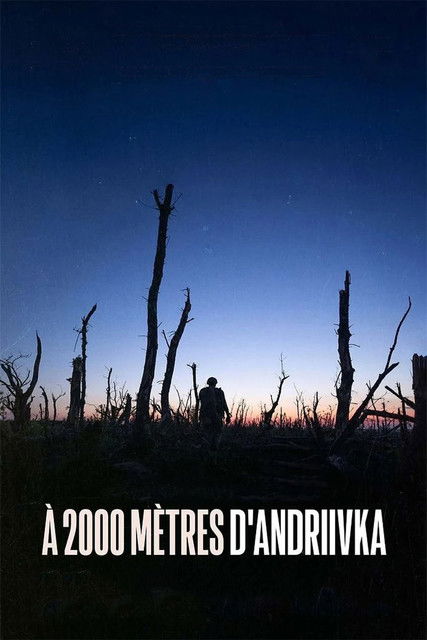
Une immersion viscérale au cœur de la guerre en Ukraine : Mstyslav Chernov suit des soldats ukrainiens en première ligne de front pour libérer le village d’Andriivka, un point stratégique de l’occupation russe proche de Bakhmut. Un véritable choc cinématographique.
À 2000 mètres d'Andriivka
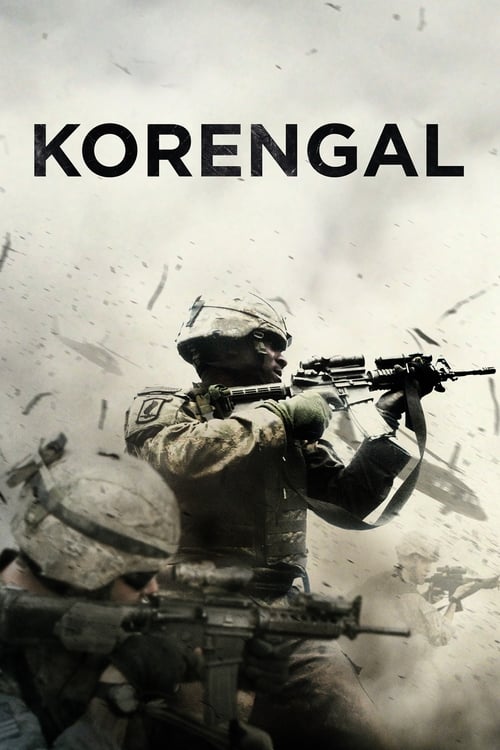
Korengal reprend là où Restrepo s'est arrêté; les mêmes hommes, la même vallée, les mêmes commandants, mais un regard très différent sur l'expérience de la guerre.
Korengal
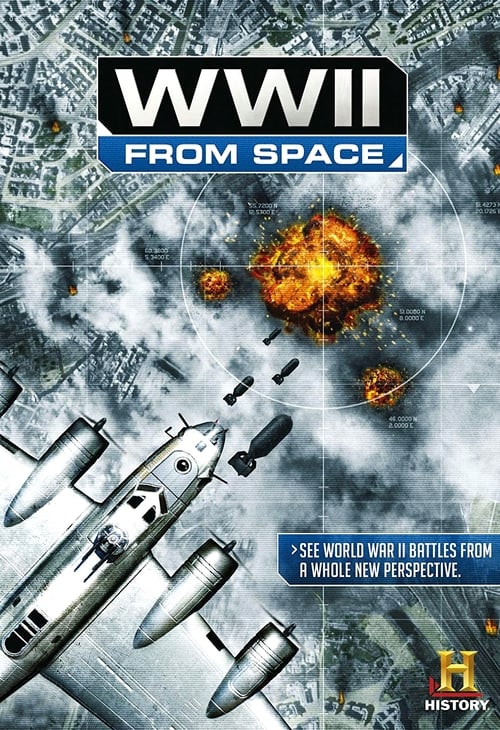
WWII from Space delivers World War II in a way you've never experienced it before. This HISTORY special uses an all-seeing CGI eye that offers a satellite view of the conflict, allowing you to experience it in a way that puts key events and tipping points in a global perspective. By re-creating groundbreaking moments that could never have been captured on camera, and by illustrating the importance of simultaneity and the hidden effects of crucial incidents, HISTORY presents the war's monumental moments in a never-before-seen context. And with new information brought to the forefront, you'll better understand how a nation ranked 19th in the world's militaries in 1939 emerged six years later as the planet's only atomic superpower.
WWII From Space
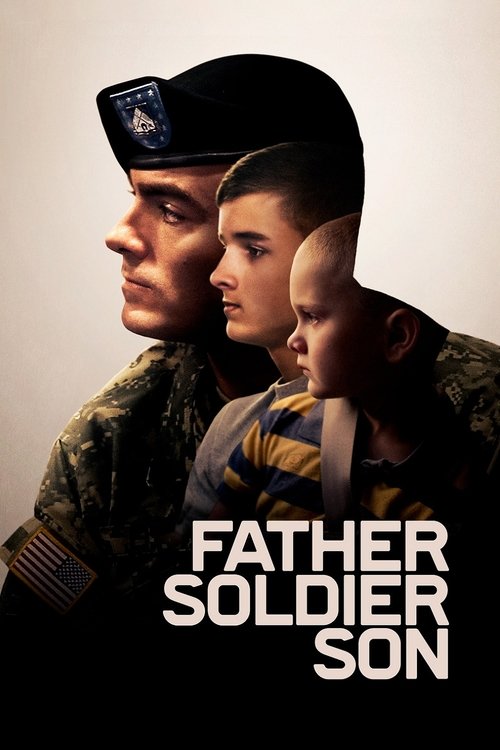
Après avoir été gravement blessé en Afghanistan, un père célibataire entame avec ses fils un voyage d'abnégation et une quête de rédemption.
Father Soldier Son
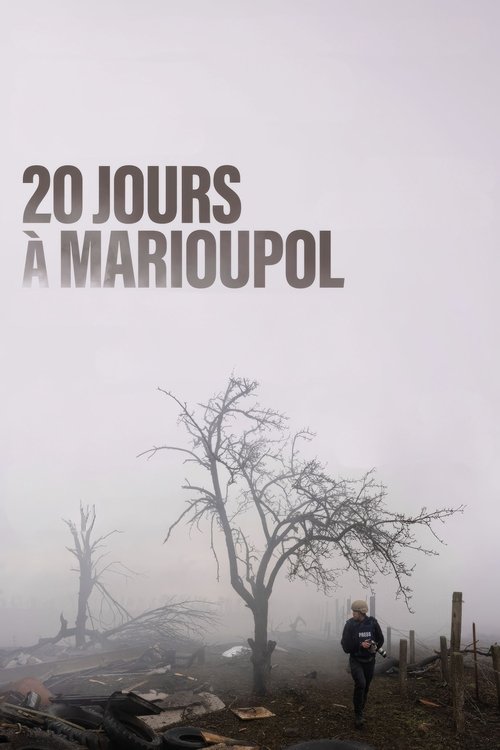
Février 2022. Une équipe de journalistes ukrainiens de l’Associated Press (AP), piégée dans la ville assiégée de Marioupol, filme les atrocités de l'invasion russe. Seuls reporters internationaux sur place, ils capturent ce qui deviendra plus tard des images marquantes de la guerre. Au plus près des civils, le réalisateur Mstyslav Chernov et son équipe, récompensés du prix Pulitzer, livrent un témoignage capital sur la réalité de la guerre qui déchire leur pays. Ils offrent un récit puissant et déchirant des civils pris dans le piège, ainsi qu'une réflexion sur la responsabilité d'un reporter en zone de conflit et sur l'impact d'un tel journalisme à l'échelle mondiale.
20 jours à Marioupol
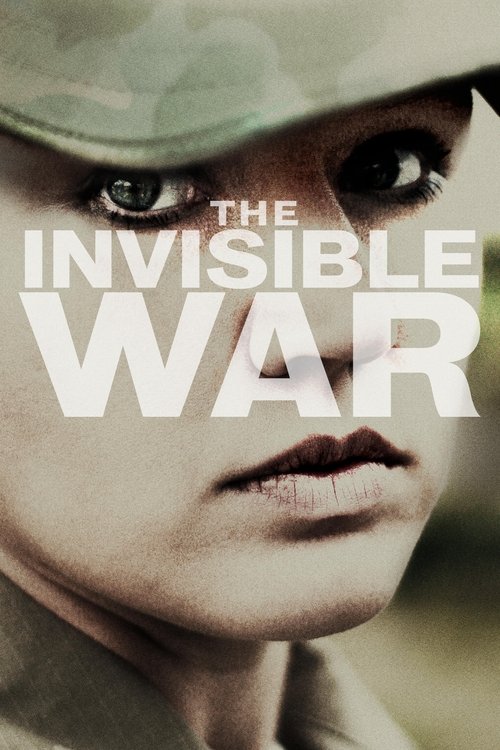
Un documentaire d'enquête et puissamment émouvant sur l'épidémie de viols de soldats au sein de l'armée américaine, les institutions qui perpétuent et dissimulent son existence, et ses profondes conséquences personnelles et sociales.
The Invisible War
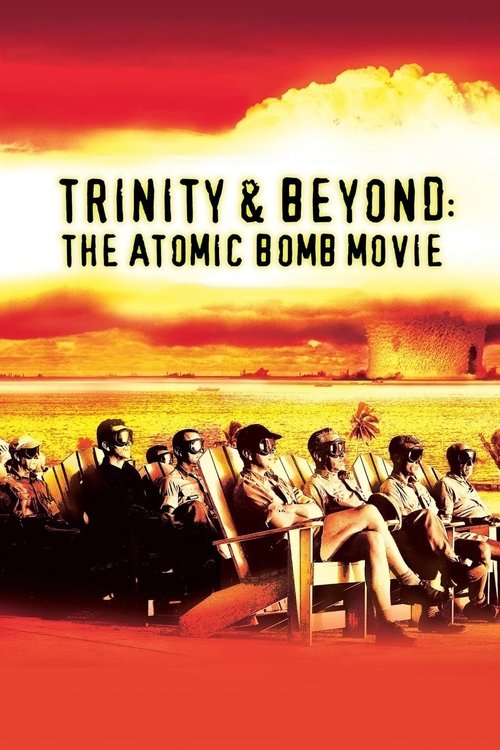
"Trinity and Beyond" est un documentaire présentant l'histoire du développement des armes nucléaires et de leurs essais couvrant la période 1945-1963. Le film, accompagné de la voix de William Shatner et d'une musique originale exécutée par l'Orchestre Symphonique de Moscou, révèle des images appartenant au gouvernement.
Trinity and Beyond: The Atomic Bomb Movie

Ll'histoire incroyable de la Easy Company racontée par les hommes qui y étaient dans ce documentaire captivant en complément de Band of Brothers.
Les Hommes de la Easy Company
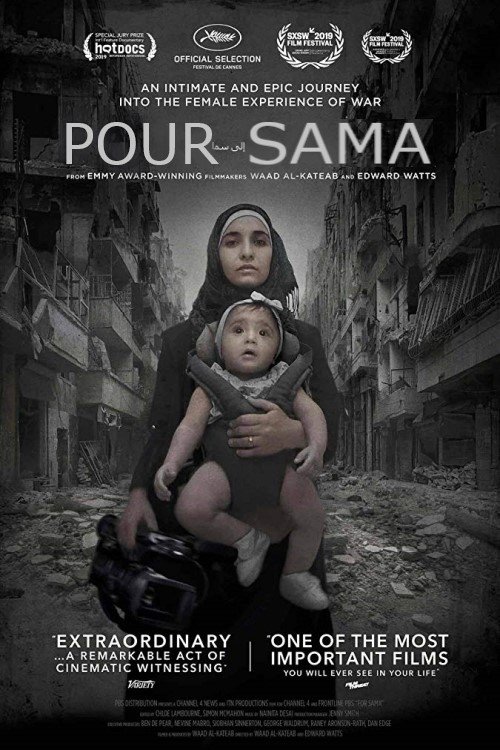
Waad al-Kateab est une jeune femme syrienne qui vit à Alep lorsque la guerre éclate en 2011. Sous les bombardements, la vie continue. Waad tombe amoureuse, se marie avec Hamza et donne naissance à sa fille, Sama. Elle filme au quotidien les pertes, les espoirs et la solidarité du peuple d’Alep. Son mari médecin sauve des centaines de vies dans un hôpital de fortune. Le couple est déchiré entre la protection de leur enfant et leur combat pour la liberté.
Pour Sama
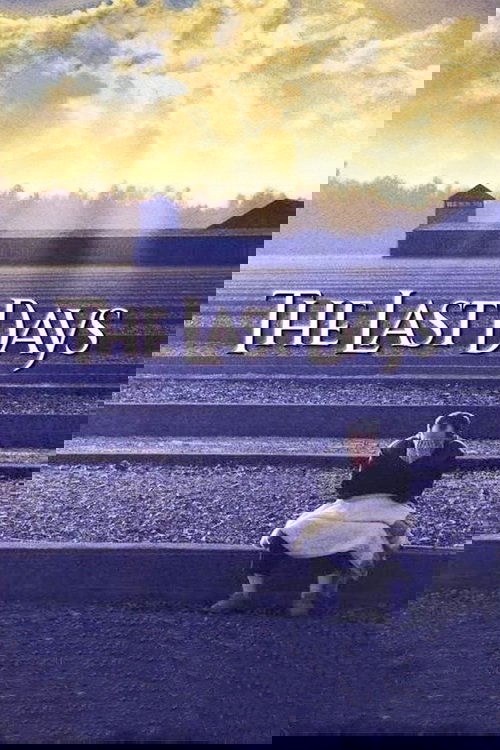
Récompensé aux Oscars, ce documentaire retrace l'histoire terrifiante de cinq Juifs de Hongrie victimes des horreurs de l'Holocauste et du régime d'Adolf Hitler.
Les Derniers jours

City of Ghosts, véritable thriller international, expose un nouveau type de guerre : une bataille médiatique d’idées, un combat pour les cœurs et les esprits, pour les clics et le nombre de vues sur internet. Il suit le périple de Raqqa is being Slaughtered Silently (« Raqqa est assassiné en silence »), une poignée de journalistes citoyens anonymes qui se sont regroupés après la prise de leur pays par l’État Islamique en 2014. Avec un accès étonnant et profondément personnel, c'est l'histoire de ce groupe de courageux citoyens, qui, plutôt que s’exiler et fuir, affrontent cette réalité chaotique et risquent leur vie pour résister face à l’un des plus grands maux dans le monde aujourd’hui.
City of Ghosts
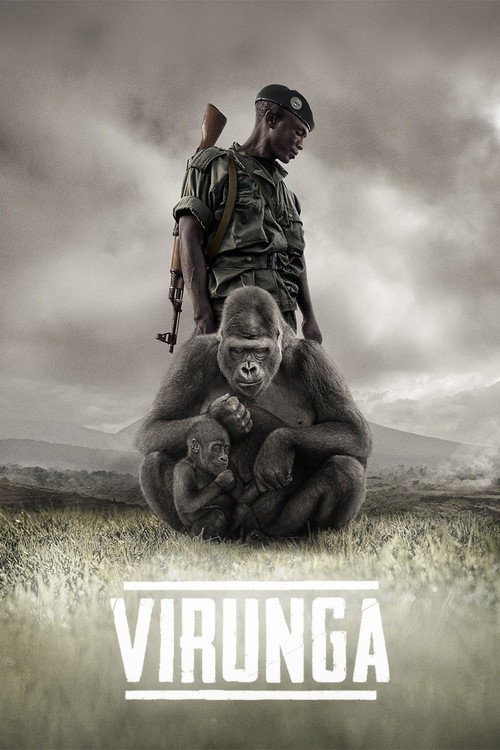
Virunga, c'est l'incroyable histoire de la défense d'un joyau du Congo face aux multinationales qui le saignent. Le film documentaire s'immisce dans une guerre économique sanguinaire, narrant la lutte de rangers qui risquent leur vie pour préserver le parc national de Virunga classé par l'UNESCO, source à la fois d'une biodiversité extraordinaire, générateur de revenus touristiques durables et poumons du Congo. Malheureusement, le parc suscite bien des convoitises, abritant dans son sol des minéraux précieux et du pétrole, peuplé d'éléphants et de gorilles régulièrement massacrés. Cette manne financière facile, des rebelles armés, les M23, en ont fait leur cheval de bataille, rôdant comme une ombre en corrompant à tout va - jusqu'à faire en sorte que le gouvernement autorise l'implantation en plein parc de SOCO, une multinationale pétrolière britannique.