
Vous aimerez aussi
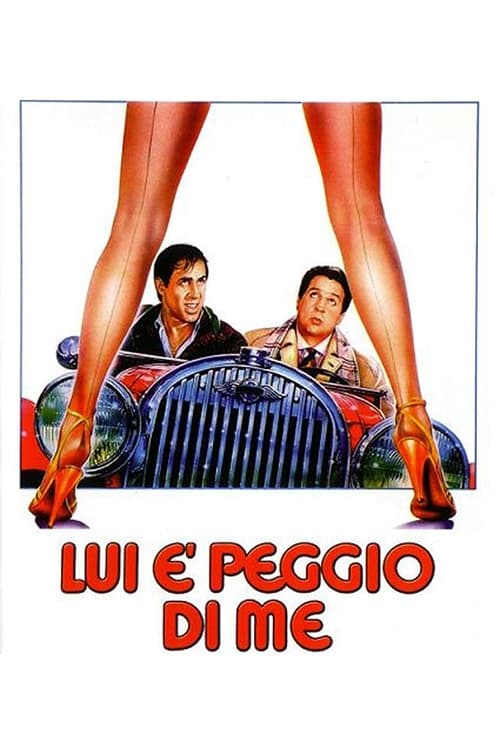
Two reckless friends Leonardo (Adriano Celentano) and Luciano (Renato Potstsetto) are just doing whatever they want and getting into endless alterations. When one of them decides to marry, their friendship is in a crisis ...
He's Worse than Me
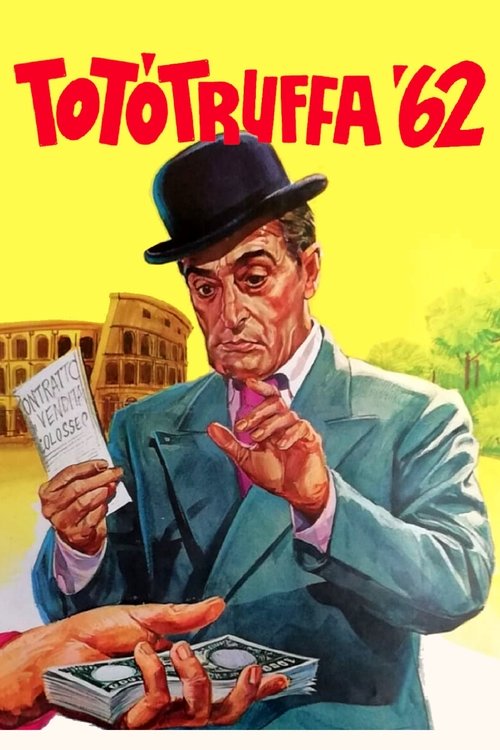
Antonio (Totò), ancien acteur de variétés, garde sa fille dans un excellent internat en organisant de petites escroqueries avec son ami et collègue Felice (Taranto). De bonne humeur, l'inspecteur Malvasia (Calindri) le persécute. Lorsque leurs enfants respectifs sans méfiance tombent amoureux, les deux pères font la paix.
Totòtruffa '62
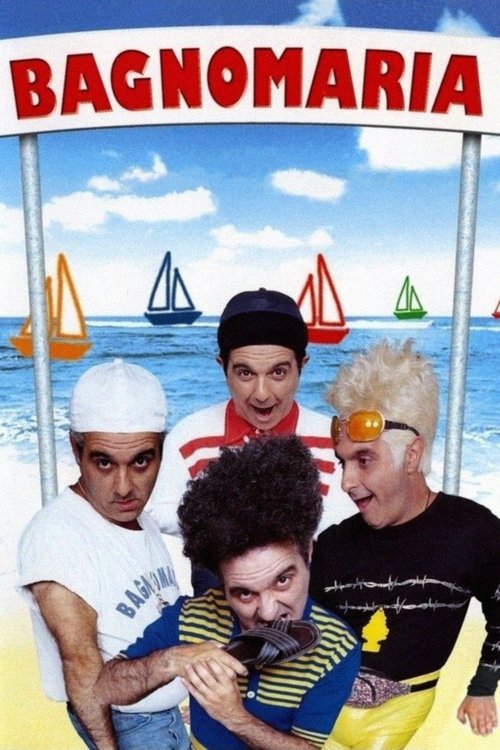
In Pietrasanta all are excited for the annual party of summer end. Here we find four characters: Merigo, a naive guy passionate of bike; Pierre, son of the mayor; Simone, a pestiferous kid; Mario, lifeguard of "Bagnomaria".
Bagnomaria
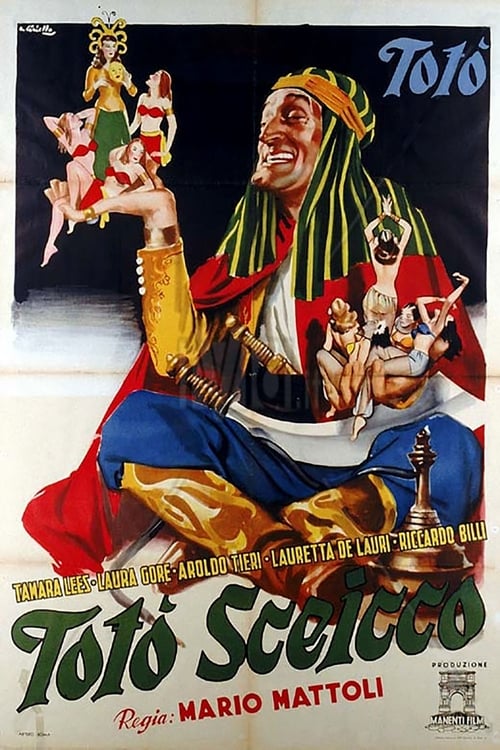
Antonio is the humble servant of a rich family governed by the Marquis Gastone. He is a young man madly in love with Lulu, but she betrays him, and he desperately enlist in the foreign legion.
Toto the Sheik
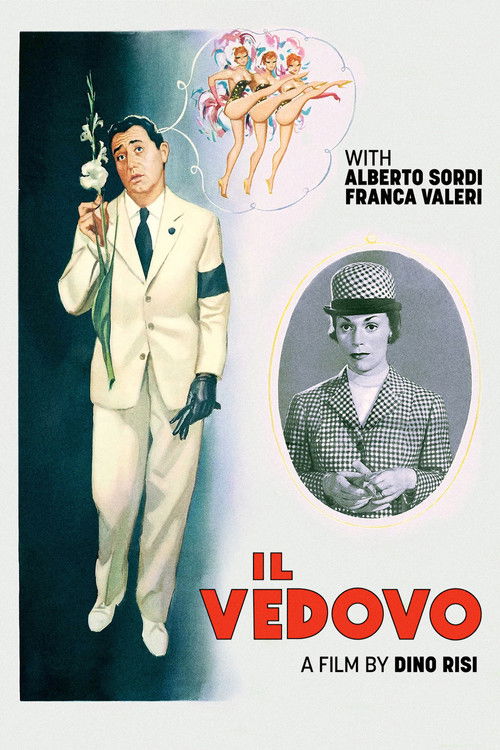
Alberto Nardi, homme d'affaires médiocre et dépensier, est marié à Elvira, issue d'une riche famille à la tête d'une fortune conséquente. Alors que les créanciers le harcèlent, son banquier accepte de lui prêter de l'argent uniquement si son épouse le garantit. Lassée d'éponger les dettes de son mari, Elvira refuse et Alberto se prend à espérer un prompt veuvage…
Le Veuf
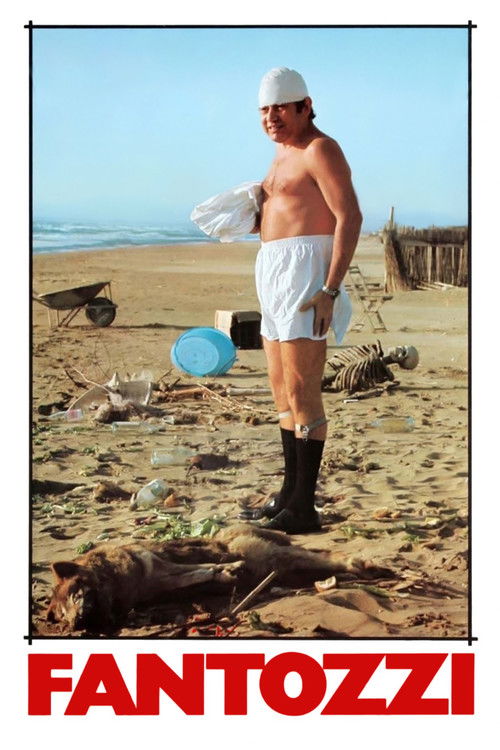
Fantozzi est un employé de bureau basique et stoïque. Il est en proie à un monde de difficultés qu’il ne surmonte jamais malgré tous ses efforts. Villagio interprète ces épisodes, basés sur des histoires de son propre livre, d’une manière que beaucoup comparent à Buster Keaton. Avec une production à petit budget, ce film était néanmoins extrêmement populaire en Italie.
Fantozzi: White Collar Blues
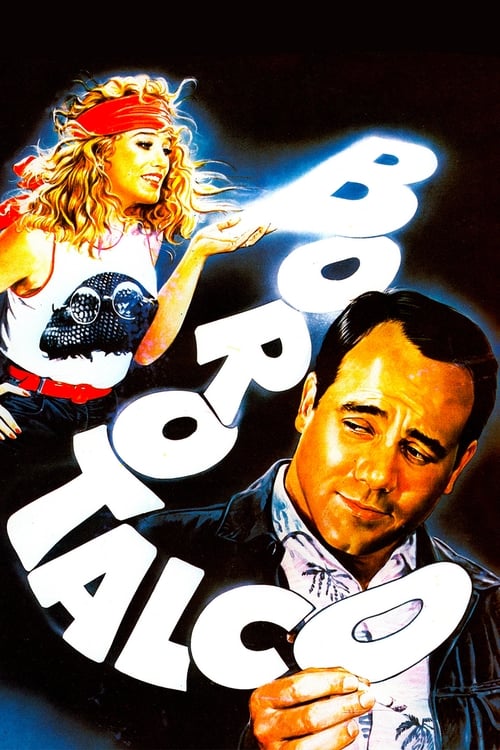
Sergio Benvenuti is a shy seller of contracts for a Roman company of music, but because of his character he cannot find even a customer, so he asks for help from a fellow named Nadia.
Talcum Powder
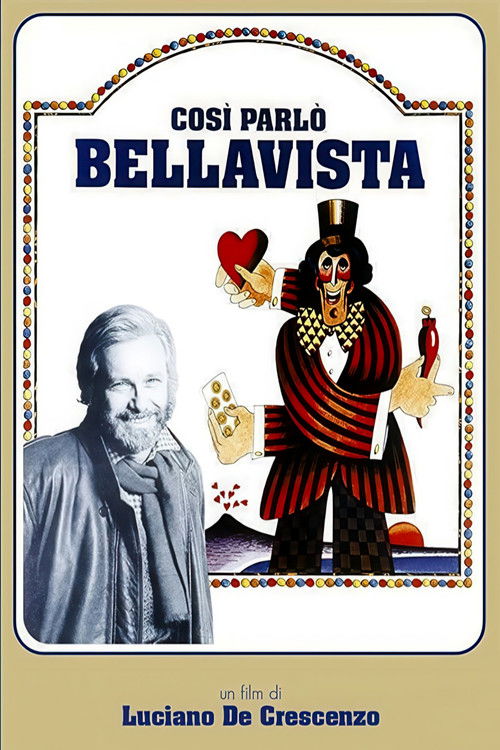
In Naples, Professor Bellavista is a retired man, passionate about the philosophy and thought of Ancient Greece. Every day, in his luxurious apartment, he teaches his lessons of life to the poor-nothing (his friends), who are dazzled by his reasoning. One day, however, the quiet life of the building of Bellavista will be disturbed by the arrival of a director of Milan. Between Naples and Milan there contrast, because the Neapolitans are accustomed to enjoy a quiet life, always based on the "philosophy of pleasure and delay", while the northern Italians are very strict and punctual.
Thus Spoke Bellavista
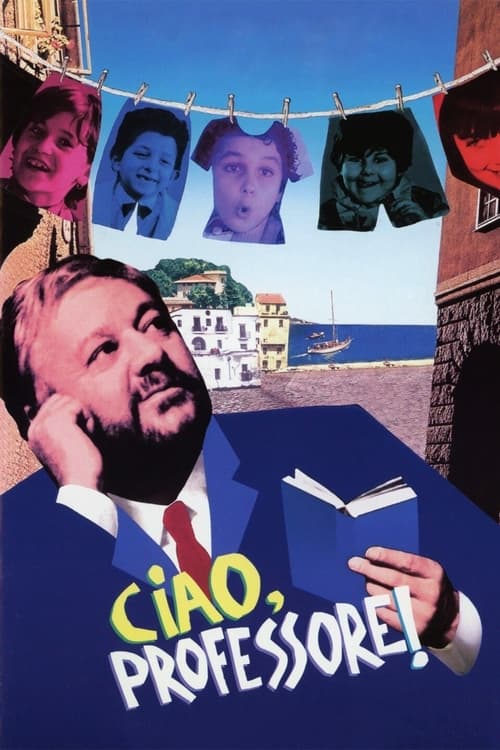
A bureaucratic snafu sends Marco Tullio Sperelli, a portly, middle-aged northern Italian, to teach third grade in a poor town outside Naples
Ciao, Professore!
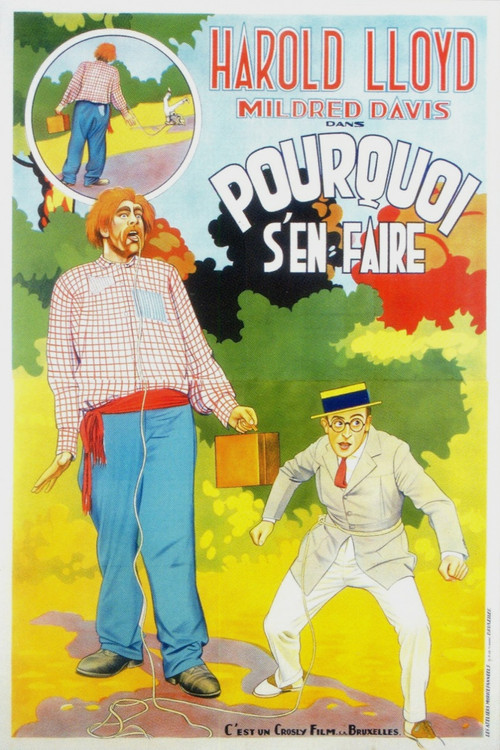
Harold Van Pelham est un hypocondriaque fortuné qui ne se déplace jamais sans son infirmière et son valet. Un jour, il décide de partir se reposer sur l'île de Paradiso qui, malgré son nom, n'a rien de paradisiaque : la révolution éclate dès leur arrivée.
Faut pas s'en faire

Ricky Gervais s'attaque au politiquement correct et à l'hypersensibilité dans ce spectacle sur la fin de l'humanité qui fait voler en éclats les tabous.
Ricky Gervais: Armageddon
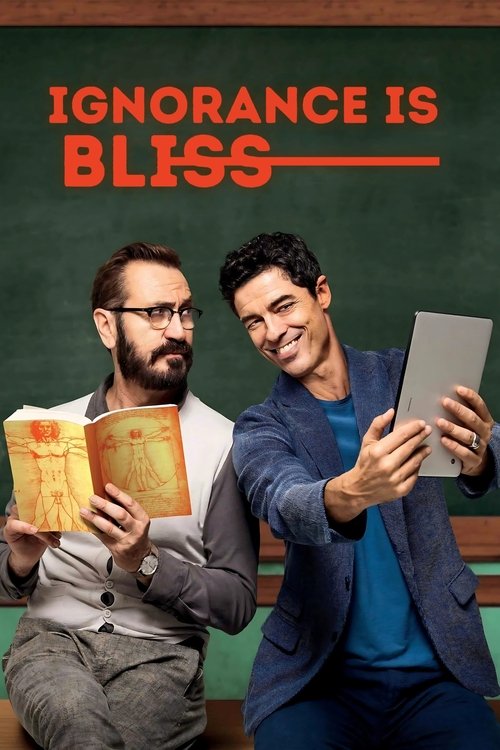
Ernesto and Filippo, two high school teachers, couldn’t be more different: Filippo is a cheerful liberal who is constantly online. Handsome and youthful, he is a serial seducer on the social networks. Ernesto, instead is a stern conservative, rigorously computerless. He is probably the last person around who still has a first-generation cell phone and his teaching methods are very traditional. They used to be best friends but an unresolved fight kept them far apart, until the day fate intervened and they found themselves teaching at the same school. Their opposite viewpoints will soon and inevitably lead to a new clash. The internet will force them to deal with their past, which resurfaces in the shape of Nina, a young woman who conducts an experiment on them: Filippo must try to leave the world of Internet and Ernesto must try to enter it.
Ignorance Is Bliss
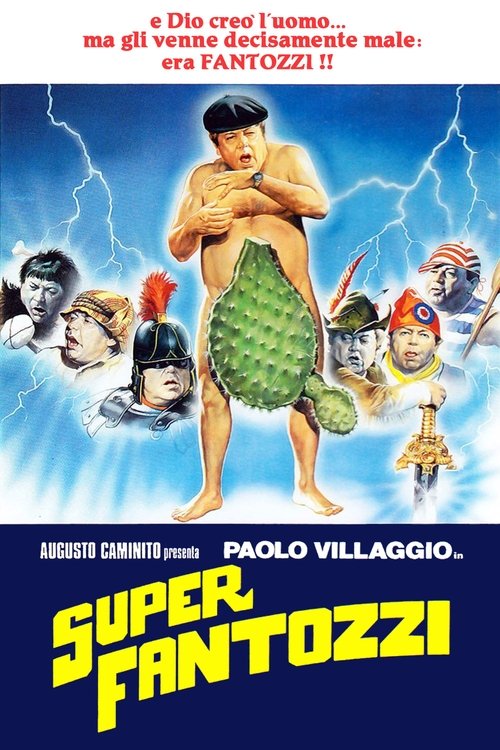
Superfantozzi (1986) is an Italian film from 1986. It is the fifth film in the saga of the unlucky clerk Ugo Fantozzi, played by its creator, Paolo Villaggio. In this film, Fantozzi is portrayed in a surreal historical journey, from Genesis to 1980s.
Super Fantozzi
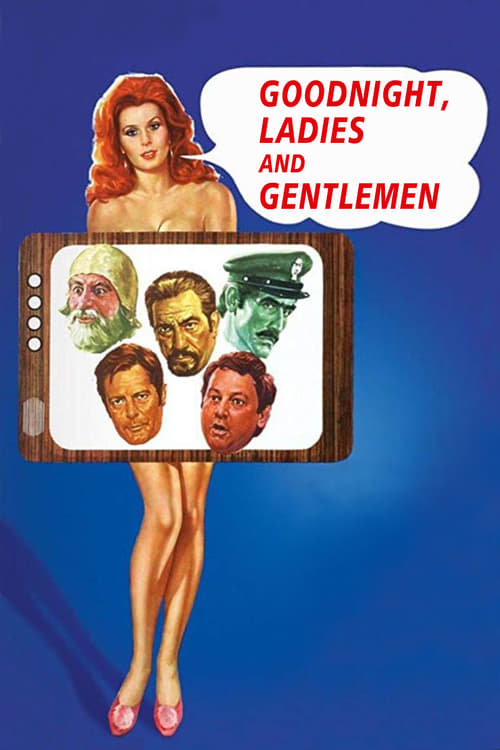
Une comédie politique satirique et acide divisée en épisodes. Le film est co-réalisé par Mario Monicelli, Ettore Scola, Nanni Loy, Luigi Magni. Les épisodes dressent un portrait critique de la société italienne, décrivant les italiens comme des personnes paresseuses, désorganisées et incompétentes. La critique devient de plus en plus acerbe au fil des épisodes.
Mesdames et messieurs bonsoir
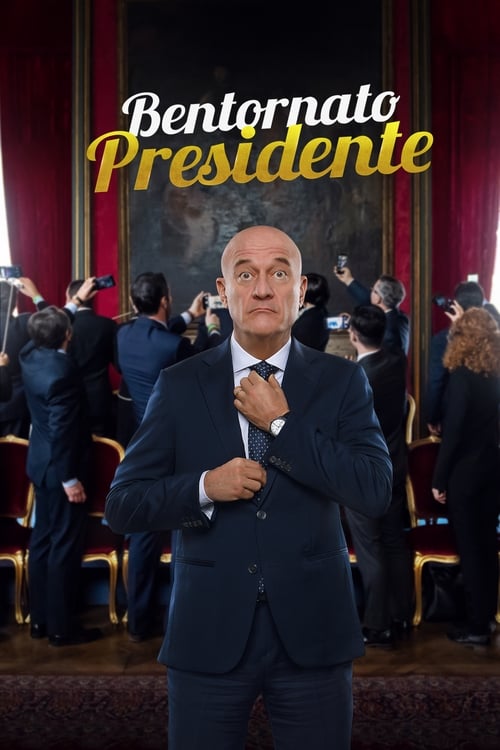
Peppino, a provincial librarian who became the accidental President of Italy, is now a father and has returned to a peaceful, happy life as a woodsman. That is, until his wife Janis decides to return to politics. Peppino is forced to abandon his home in the mountains and return to Rome to win back his love and help her defeat a speculative plot intended to damage Italy. Together, they must fight against social media attacks of the opposition and get the country back on its feet.
Welcome Back Mr. President

High school professor Guido is a hopeless romantic whose life falls apart after his girlfriend leaves him. Paolo, a former student of his, helps him in getting out of his depression for a better chance to become a PE teacher himself.
Ma che bella sorpresa
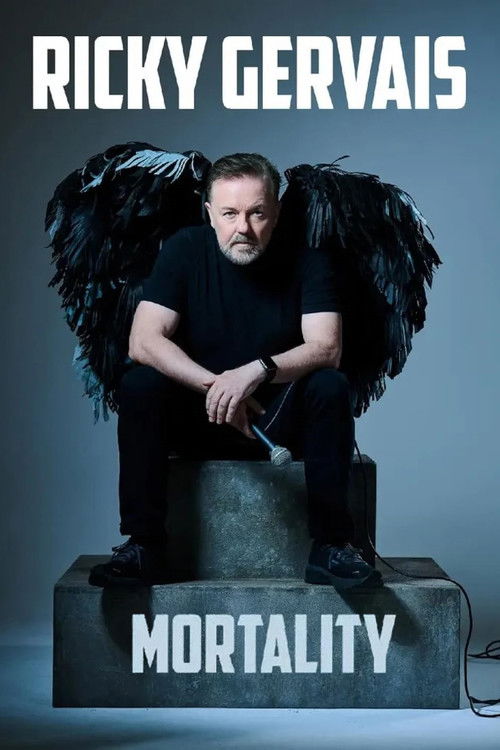
Ricky Gervais évoque sans pincettes la vie, la mort et l'état du monde dans un stand-up qui n'esquive aucun sujet, pas même sa propre mortalité.
Ricky Gervais: Mortality
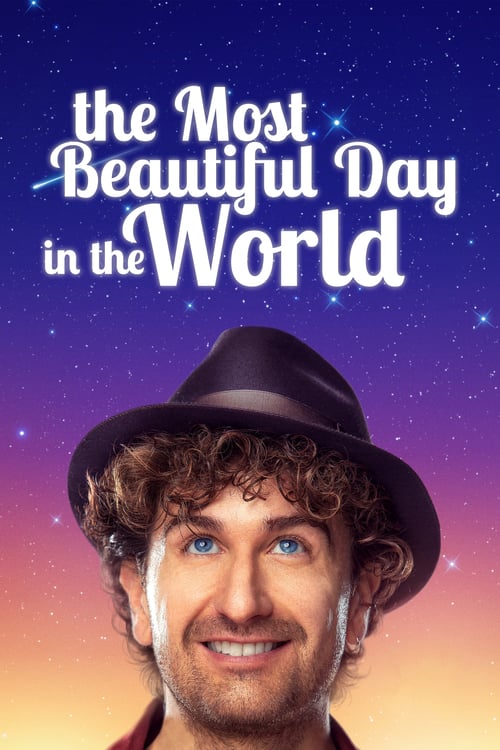
Arturo Meraviglia is a struggling impresario who has to take care of Gioele and Rebecca, two children "inherited" by an old uncle. When he realizes that little Gioele has superpowers, his luck changes.
The Most Beautiful Day in the World
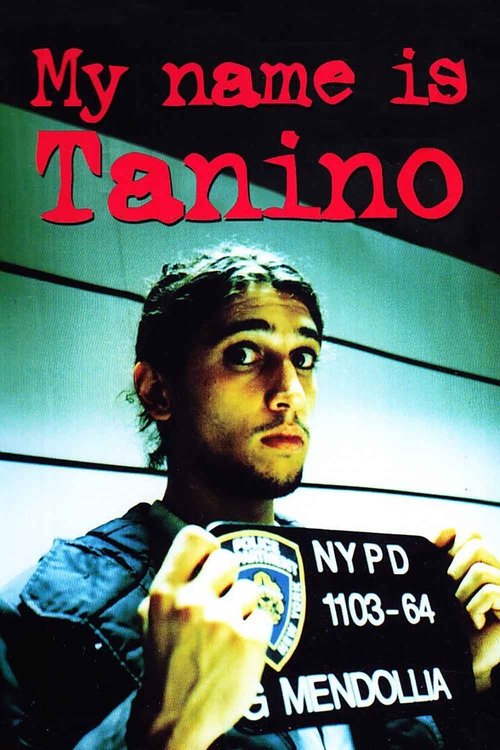
During a sun-soaked Sicilian summer, aimless filmmaking undergrad and back-seat radical Tanino has a fling with Sally, a dreamy American tourist from an upper background. When summer ends, Sally flies back home, without ever reaching out. Clueless, a smitten Tanino decides to pay her a surprise visit under the pretense of returning a camera she left behind. But when he gets there, he quickly realizes the reality of America—and his relationship with Sally's—is far from the idealized version his small-town boy imagination conjured.
My Name Is Tanino
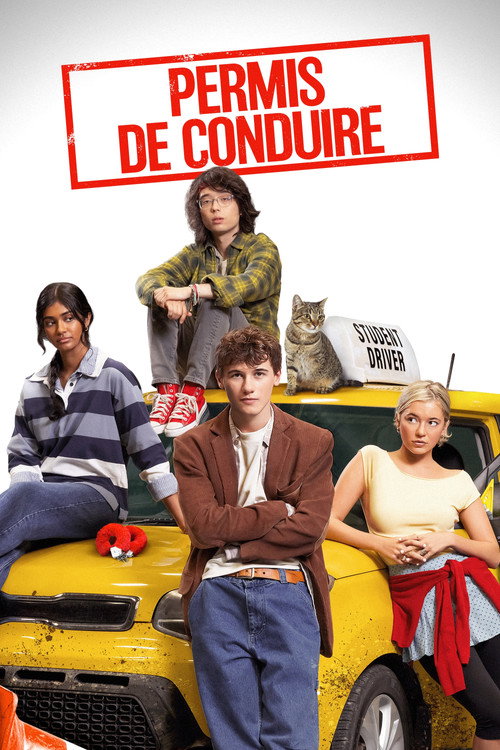
Jeremy, un lycéen en terminale, décide de rester avec sa copine Samantha après son départ à la fac. Après un coup de fil alcoolisé laissant croire qu'elle le quitte, Jeremy vole la voiture de son cours de conduite avec trois camarades et part pour Chapel Hill afin de la reconquérir. Durant 24 h chaotiques, ils sont poursuivis par la sécurité, des criminels et leurs propres mauvaises décisions.