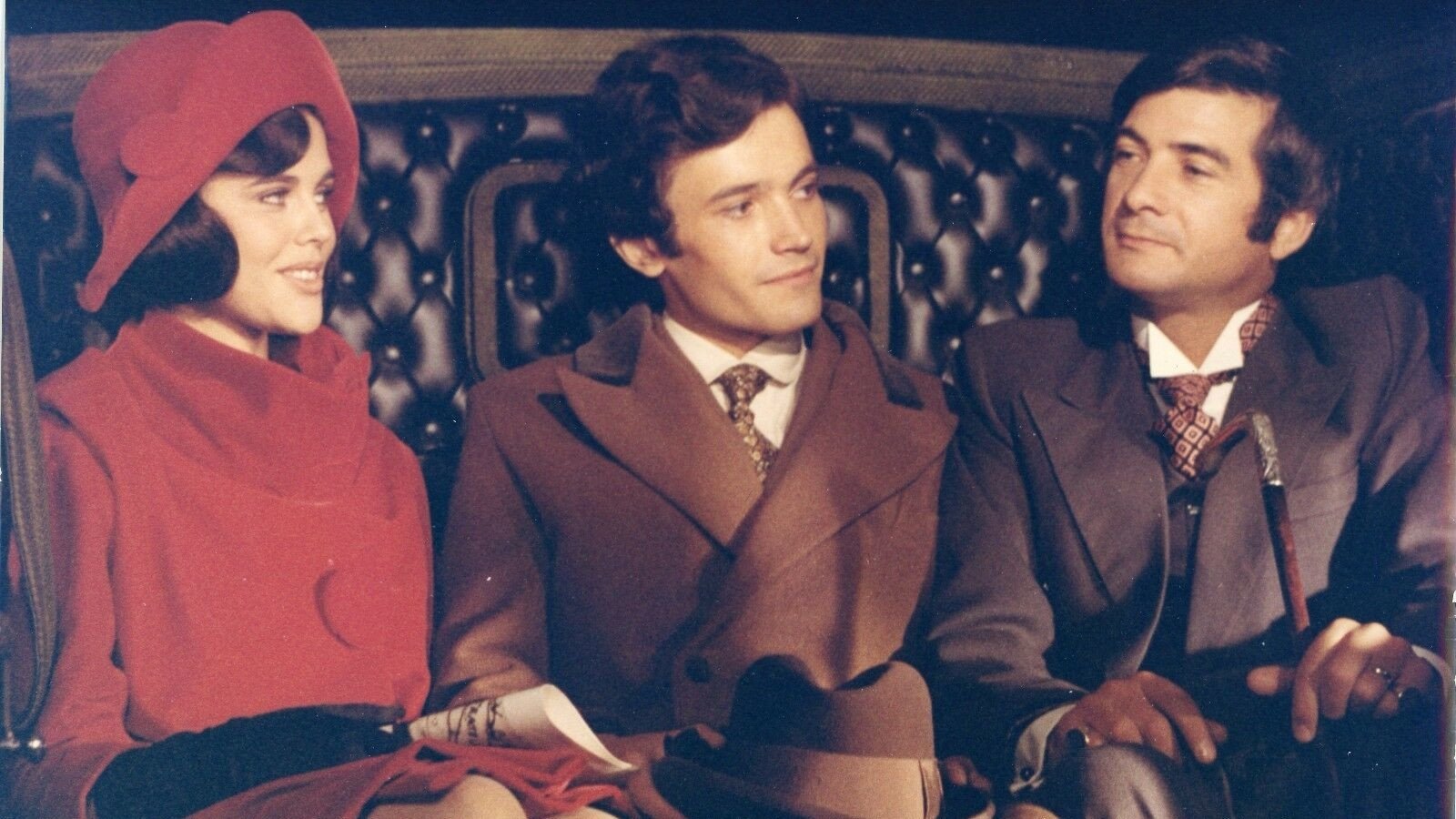


You might also like
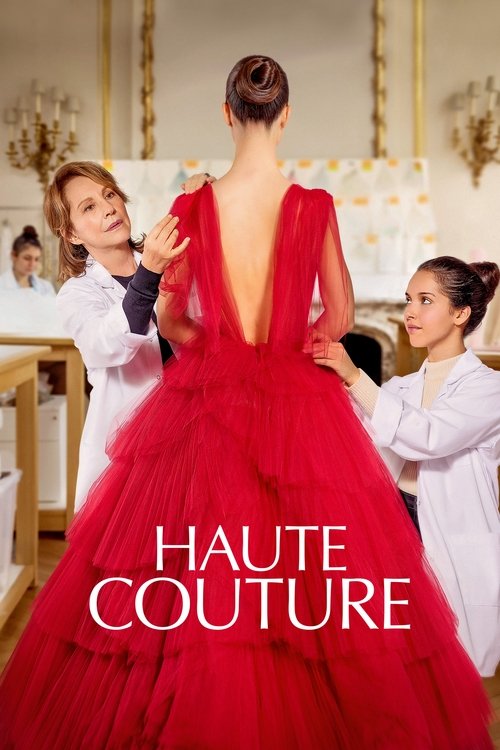
Esther is at the end of her career as Head Seamstress at Dior Avenue Montaigne workshop. One day, she gets her handbag stolen in the metro by a 20 years old girl, Jade. Instead of calling the police she decides to take care of Jade. She sees in her the opportunity to pass on her skills, the craft of dressmaking, her only wealth. In the frenetic world of Haute Couture, Esther will give Jade la beauté du geste, a way to reach beyond herself.
Haute Couture

American retired Judge Randall Nemes and his hired gun, Gaspar, track down a con man posing as a priest in a small Colombian town only to be thrown off-course by a scrappy 16-year-old girl intent on reuniting with her sister in the United States.
The Padre

After the lewd and frenetic Dance of the Seven Veils, and with the solemn pledge from the very lips of Herod himself that she could have whatever her heart desires up to half his kingdom, wanton and proud young Salomé comes before her king with an unreasonable demand. Beguiled by John the Baptist, and then scorned for the sake of his god, lascivious Salomé—encouraged by her mother, the vindictive, Herodias—commands that John be executed and his head delivered on a silver platter.
Salomé
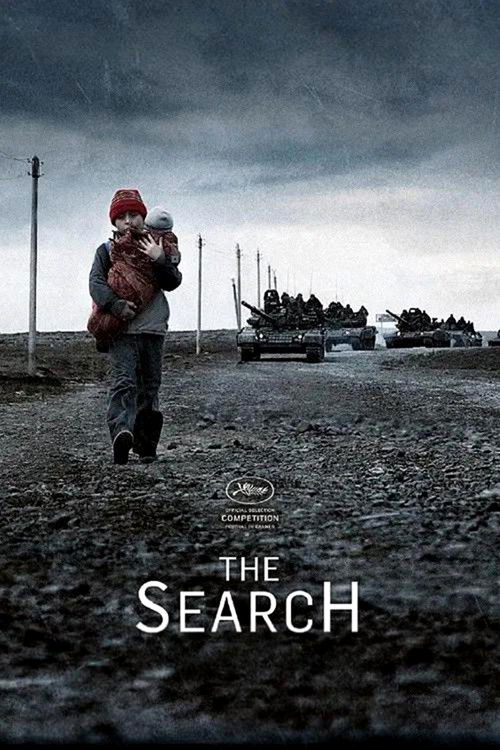
A woman who works for a non-governmental organization (NGO) forms a special relationship with a young boy in war-torn Chechnya.
The Search

A jazz musician seeks refuge from a lynch mob on a remote island, where he meets a hostile game warden and the young object of his attentions.
The Young One

Conman Robert Freegard poses as an undercover MI5 agent and kidnaps countless victims amidst a high-stakes manhunt, until the woman who fell for him brings him to justice.
Rogue Agent

Carla Zachanassian had a child by Serge Miller as a teenager. When Serge refused to marry her, she was driven out of town. By her own wit and cunning, she has returned as a multi-millionaire for a visit. The town lays out the red carpet expecting big things from Carla, only to learn that her sole purpose is to see Serge Miller killed...
The Visit
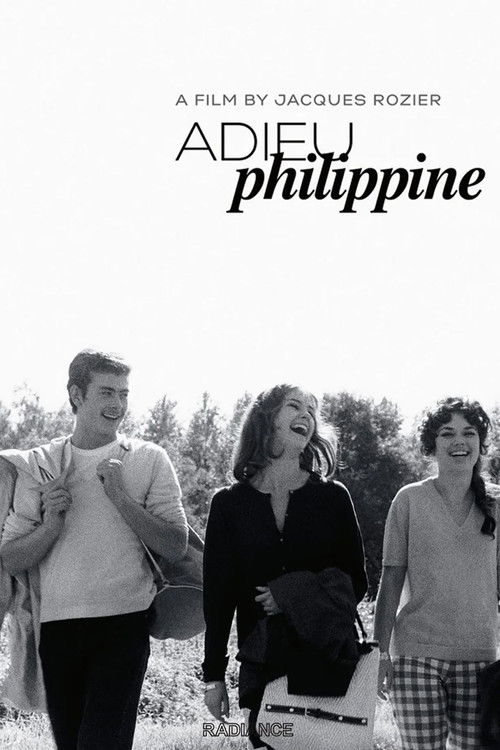
Michel is a young technician in the fledgling TV industry and is due for military service in two months at the time of the Algerian War. Juliette and Liliane are inseparable best friends, and aspiring actresses, who hang around outside the TV studio. Michel invites them in to watch, flirts with them both, and dates them separately and together. When Michel goes on a holiday to Corsica, just before he is drafted, the girls follow.
Adieu Philippine

A bourgeois couple, modern yet conventional. One night by accident, a young prostitute barges into their lives. Hounded down, beaten up, threatened, she will continue to struggle, with the help of a well off lady, first for her survival-her resurrection-then for her dignity and freedom. Stormy encounters for everyone involved.
Chaos
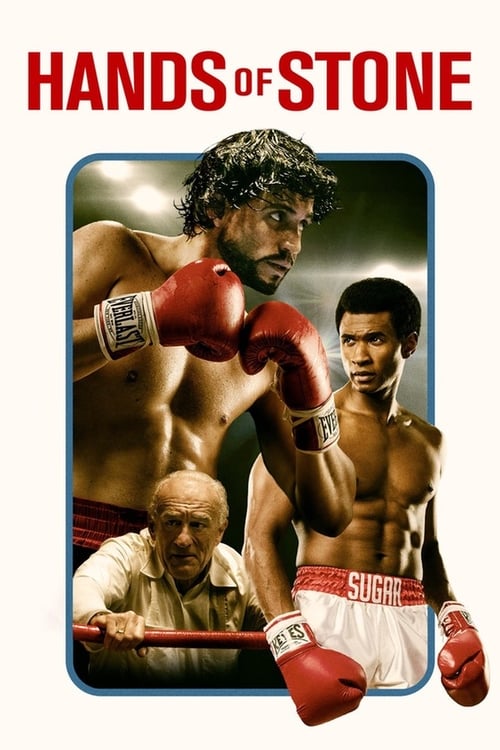
The legendary Roberto Duran and his equally legendary trainer Ray Arcel change each other's lives.
Hands of Stone

When Colonel Chabert returns from the war, he discovers that he has lost everything.
Colonel Chabert

Clémence, the fearless mayor of a town near Paris, is completing the final term of her political career. With her faithful right-hand man Yazid, she has long fought for this town plagued by inequality, unemployment and slumlords. However, when Clémence is approached to become Minister, her ambition arises, questioning her devotion and commitment to her citizens. Will her political integrity and election promises survive her newly found ambition?
Promises

Tom and Mae Garvey are a Tennessee farming couple battling violent floods to save their land. In addition to natural disasters, the Garveys fight to stop a selfish land developer and a local corporation from foreclosing on their farm. While Mae stays at home to care for their children and tend to the crops, Tom finds work as a scab at a steel mill to preserve his family's property.
The River

A star is born in a time of both celebration and instability in this historical drama with music from director Christophe Barratier. In the spring of 1936, Paris is in a state of uncertainty; while the rise of the Third Reich in Germany worries many, a leftist union-oriented candidate, Léon Blum, has been voted into power, and organized labor is feeling its new power by standing up to management.
Paris 36
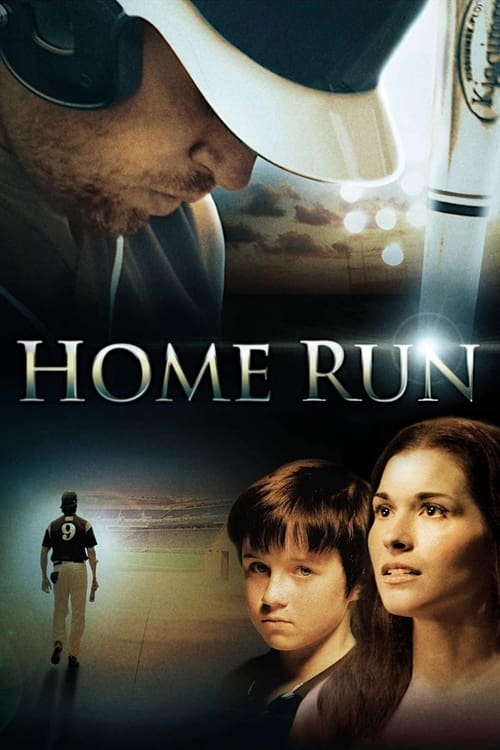
A pro ball player with a substance abuse problem is forced into rehab in his hometown, finding new hope when he gets honest about his checkered past, and takes on coaching duties for a misfit Little League team
Home Run

MMA legend Patton James, now a commercial fisherman, is pulled back into the cage when his brother is in danger. Reuniting with his old coach Sammy, he commits to one final fight in one championship against the brutal champion Xavier Grau.
Beast

Driss and Manuel both grew up on the same council estate. An estate where the sense of belonging to your patch is much stronger than the sense of belonging to a country, a nation or a culture... Manuel has assimilated this belonging, and he has even benefited from it and built his life on it. Driss, meanwhile, has shunned it. They will both have to face up to the consequences of their decisions – because they will each have a price to pay…
Close Enemies
A joinery instructor at a rehab center refuses to take a new teen as his apprentice, but then begins to follow the boy through the hallways and streets.
The Son

On election night in 1981, celebrations spill out onto the street and there is an air of hope and change throughout Paris. But for Elisabeth, her marriage is coming to an end and she will now have to support herself and her two teenage children. She finds work at a late-night radio show and encounters a troubled teenager named Talulah whom she invites into her home.
The Passengers of the Night
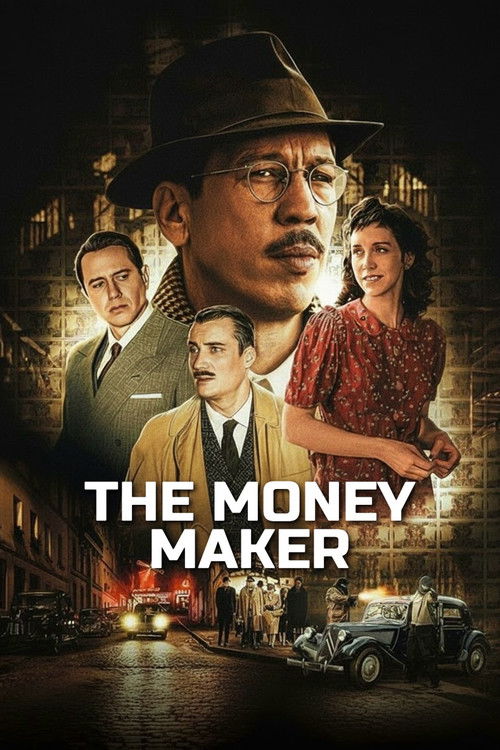
A Polish engineer relocates to France and becomes a legendary counterfeiter. Working solo, he crafts flawless fake francs worth millions over 14 years, earning the nickname "Cézanne of counterfeit money" for his artistic skill and output.