
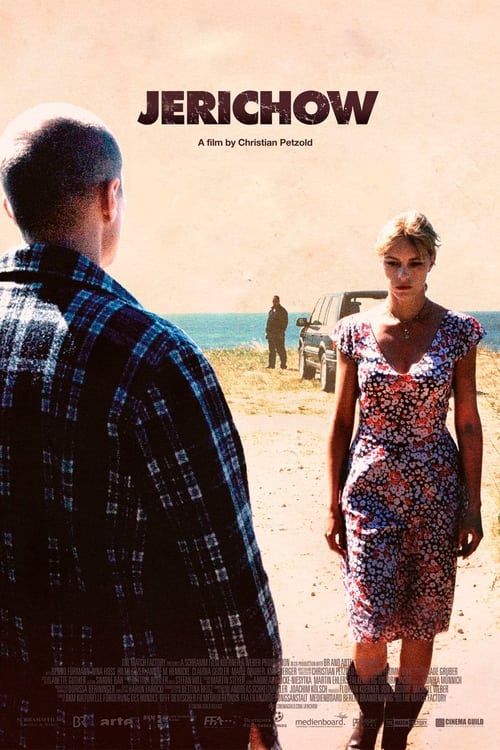
In a small Northern German town, a dishonourably discharged Afghanistan veteran is offered a job as a deliveryman by an alcoholic Turkish entrepreneur, through which the former meets the latter's gorgeous wife.

A deadly car crash sets off three parallel stories of women at crisis points, faltering behind the doors of the same, plain Vienna apartment block.

A posthumous look at the last days of Guenther's life as he, his best friend, and his sister let loose on a four-day binge of alcohol, drugs, and sex.

When 17-year-old Effi Briest marries the elderly Baron von Instetten, she moves to a small, isolated Baltic town and a house that she fears is haunted. Starved for companionship, Effi begins a friendship with Major Crampas, a charismatic womanizer.

A teen girl in 1970s Berlin becomes addicted to heroin. Everything in her life slowly begins to distort and disappear as she befriends a small crew of junkies and falls in love with a drug-abusing male prostitute.

Berlin in June of 1940. While Nazi propaganda celebrates the regime’s victory over France, a kitchen-cum-living room in Prenzlauer Berg is filled with grief. Anna and Otto Quangel’s son has been killed at the front. This working class couple had long believed in the ‘Führer’ and followed him willingly, but now they realise that his promises are nothing but lies and deceit. They begin writing postcards as a form of resistance and in a bid to raise awareness: Stop the war machine! Kill Hitler! Putting their lives at risk, they distribute these cards in the entrances of tenement buildings and in stairwells. But the SS and the Gestapo are soon onto them, and even their neighbours pose a threat.

A doctor in early 19th-century Germany becomes infatuated with the sister of a man he unintentionally killed and bargains with the Devil incarnate to conjure their union in exchange for his soul.
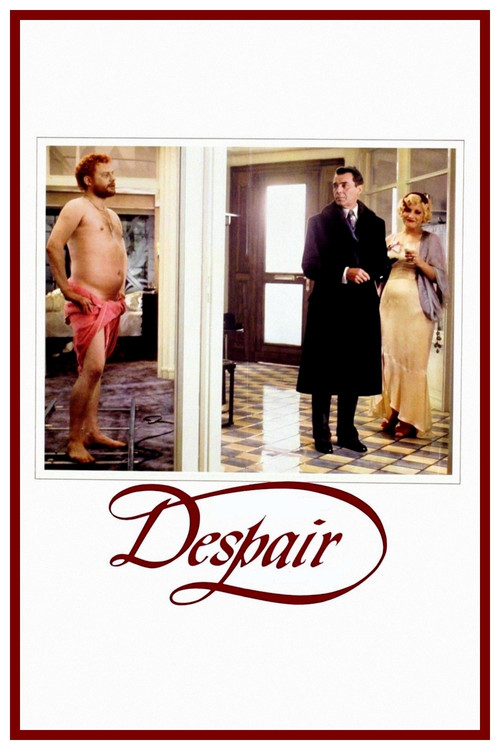
Berlin, 1930, during the rise of Nazism. Hermann Hermann, a Russian emigrant and chocolate manufacturer, married to the capricious Lydia, loses his temper more and more every day when dealing with his workers and other businessmen; until he meets Felix, a vagrant, who seems to be physically identical to him; a disconcerting fact that leads Hermann Hermann to plot a particular way out of a fake world he actually hates.

In 2015, thirty year old refugee Francis, the sole survivor of a boat that illegally crossed the Mediterranean, is drawn into Berlin's seedy underbelly.

At the Wannsee Conference on January 20, 1942, senior Nazi officials meet to determine the manner in which the so-called "Final Solution to the Jewish Question" can be best implemented.

Starring Betty Amann in her most famous leading role, Joe May's Asphalt is a luxuriously produced German Expressionist classic where tragic liaisons and fatal encounters are shaped alongside the constant roar of Berlin traffic.

In 1924, Oskar Matzerath is born in the Free City of Danzig. At age three, he falls down a flight of stairs and stops growing. In 1939, World War II breaks out.
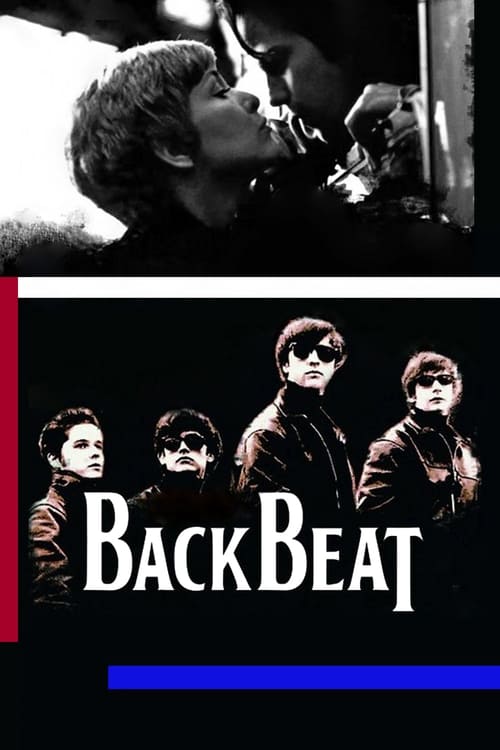
Chronicles the early days of The Beatles in Hamburg, Germany. The film focuses primarily on the relationship between Stuart Sutcliffe, John Lennon, and Sutcliffe's girlfriend Astrid Kirchherr.

Lola receives a phone call from her boyfriend Manni. He lost 100,000 DM in a subway train that belongs to a very bad guy. She has 20 minutes to raise this amount and meet Manni. Otherwise, he will rob a store to get the money. Three different alternatives may happen depending on some minor event along Lola's run.
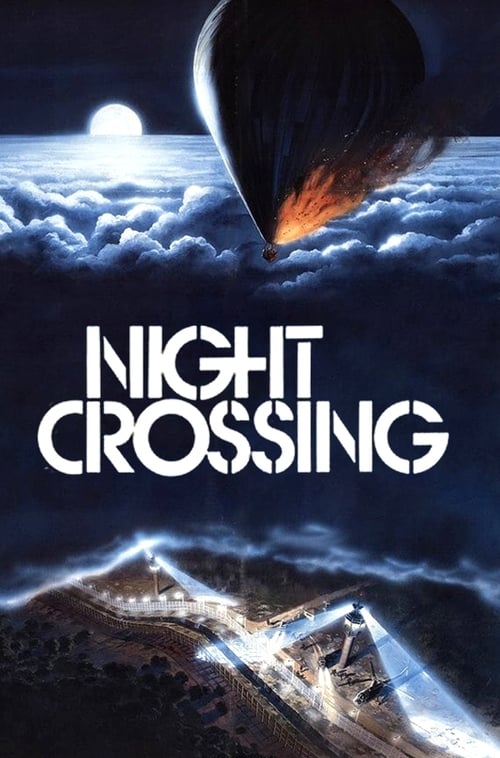
Two men want to escape from East Germany (under Communist rule) but they will only go if they can take their families with them. Based on a true story.

Wounded in Africa during World War II, Nazi Col. Claus von Stauffenberg returns to his native Germany and joins the Resistance in a daring plan to create a shadow government and assassinate Adolf Hitler. When events unfold so that he becomes a central player, he finds himself tasked with both leading the coup and personally killing the Führer.

A woman tries to survive the invasion of Berlin by the Soviet troops during the last days of World War II.
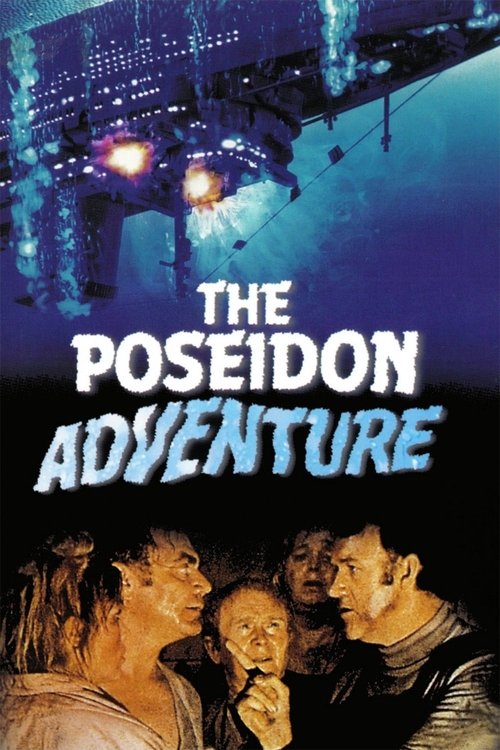
When their ocean liner capsizes, a group of passengers struggle to survive and escape.

A guy gets more than he bargained for after entering into an affair with the wife of an investment banker. Soon, a suspicious death and substantial life insurance policy embroil him in a scandal.

Germany in the autumn of 1957: Lola, a seductive cabaret singer-prostitute exults in her power as a temptress of men, but she wants out—she wants money, property, and love. Pitting a corrupt building contractor against the new straight-arrow building commissioner, Lola launches an outrageous plan to elevate herself in a world where everything, and everyone, is for sale. Shot in childlike candy colors, Fassbinder’s homage to Josef von Sternberg’s classic The Blue Angel stands as a satiric tribute to capitalism.
Erwin Splettstößer
Erwin, the taxi driver
Brigitte Borchert
Brigitte Borchert, the record shop sales assistant

Wolfgang von Waltershausen
Wolfgang, the wine shop sales assistant

Christl Ehlers
Christl, the film extra

Annie Schreyer
Annie, the model

Kurt Gerron
Kurt
Valeska Gert
Valeska

Heinrich Gretler
Heinrich
Ernö Verebes
Ernö
Moriz Seeler
Photo Subject at Beach