
You might also like

A love letter from a young mother to her daughter, the film tells the story of Waad al-Kateab’s life through five years of the uprising in Aleppo, Syria as she falls in love, gets married and gives birth to Sama, all while cataclysmic conflict rises around her. Her camera captures incredible stories of loss, laughter and survival as Waad wrestles with an impossible choice– whether or not to flee the city to protect her daughter’s life, when leaving means abandoning the struggle for freedom for which she has already sacrificed so much.
For Sama
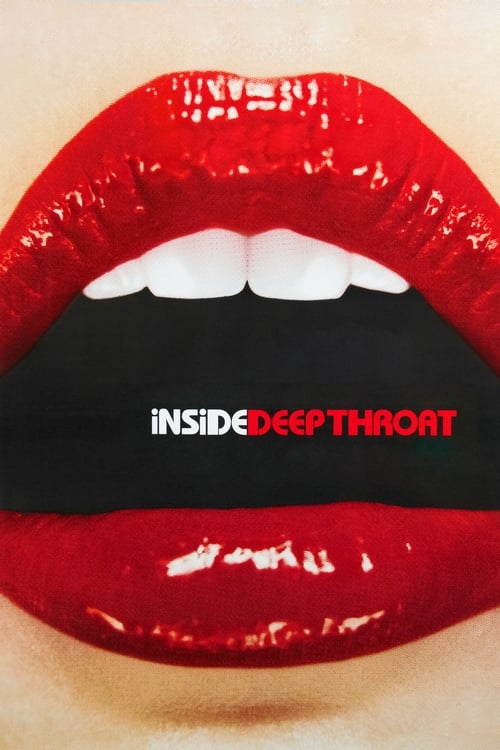
In 1972, a seemingly typical shoestring budget pornographic film was made in a Florida hotel: "Deep Throat," starring Linda Lovelace. This film would surpass the wildest expectation of everyone involved to become one of the most successful independent films of all time. It caught the public imagination which met the spirit of the times, even as the self-appointed guardians of public morality struggled to suppress it, and created, for a brief moment, a possible future where sexuality in film had a bold artistic potential. This film covers the story of the making of this controversial film, its stunning success, its hysterical opposition along with its dark side of mob influence and allegations of the on set mistreatment of the film's star.
Inside Deep Throat
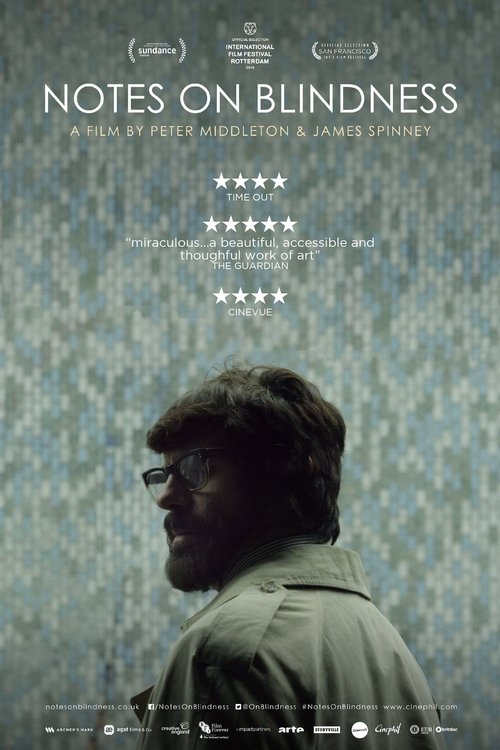
After losing sight in 1983, John Hull began keeping an audio diary, a unique testimony of loss, rebirth and renewal, excavating the interior world of blindness. Following on from the Emmy Award-winning short film of the same name, Notes on Blindness is an ambitious and groundbreaking work, both affecting and innovative.
Notes on Blindness
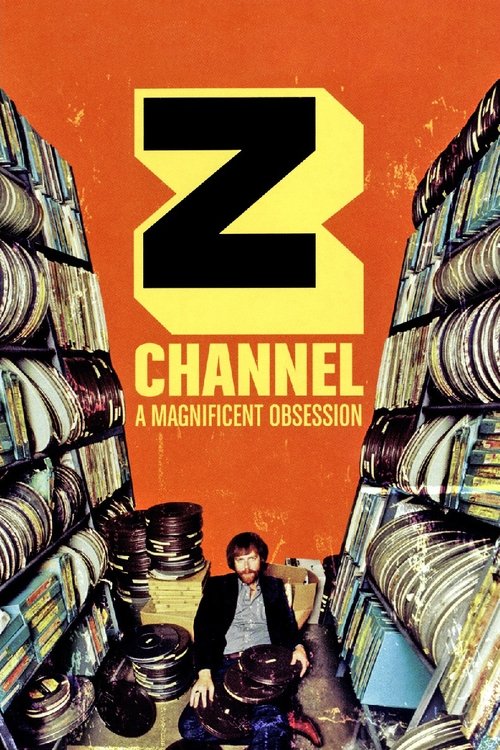
A documentary on the Z Channel, one of the first pay cable stations in the US, and its programming chief, Jerry Harvey. Debuting in 1974, the LA-based channel's eclectic slate of movies became a prime example of the untapped power of cable television.