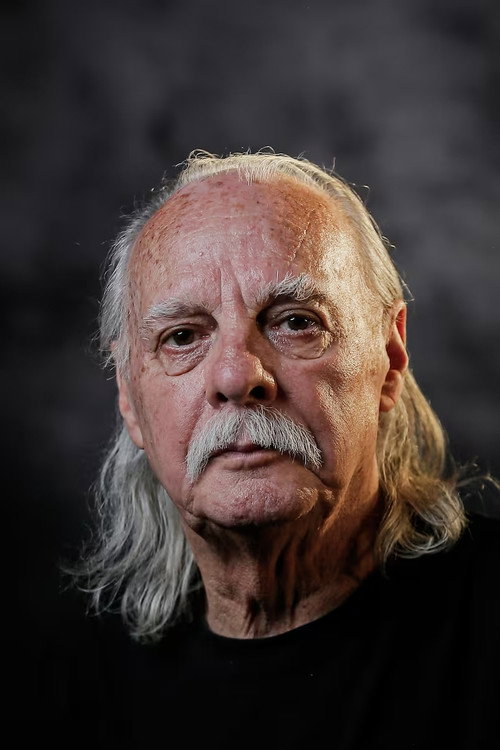
Piedra Roja
Synopsis
You might also like
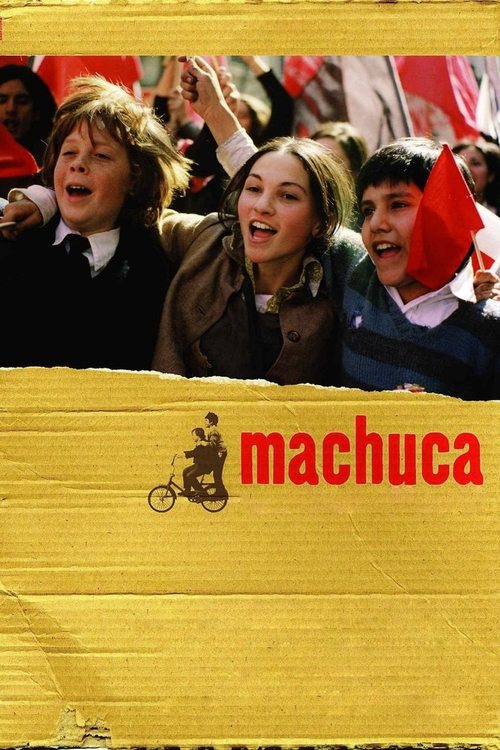
Santiago, capital of Chile during the Marxist government of elected, highly controversial president Salvador Allende. Father McEnroe supports his leftist views by introducing a program at the prestigious "collegio" (Catholic prep school) St. Patrick to allow free admission of some proletarian kids. One of them is Pedro Machuca, slum-raised son of the cleaning lady in Gonzalo Infante's liberal-bourgeois home. Yet the new classmates become buddies, paradoxically protesting together as Gonzalo gets adopted by Pedro's slum family and gang. But the adults spoil that too, not in the least when general Pinochet's coup ousts Allende, and supporters such as McEnroe.
Machuca
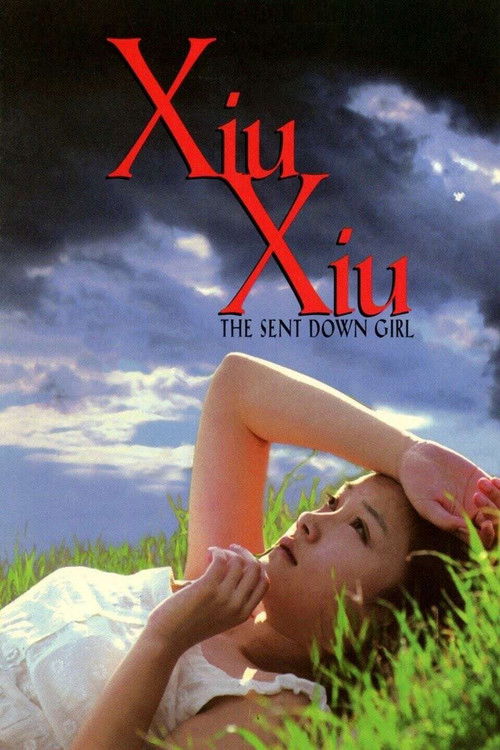
Young teen girl Xiu Xiu is sent away to a remote corner of the Sichuan steppes for manual labor in 1975 (sending young people to there was a part of Cultural Revolution in China). A year later, she agrees to go to even more remote spot with a Tibetan saddle tramp Lao Jin to learn horse herding.
Xiu Xiu: The Sent-Down Girl
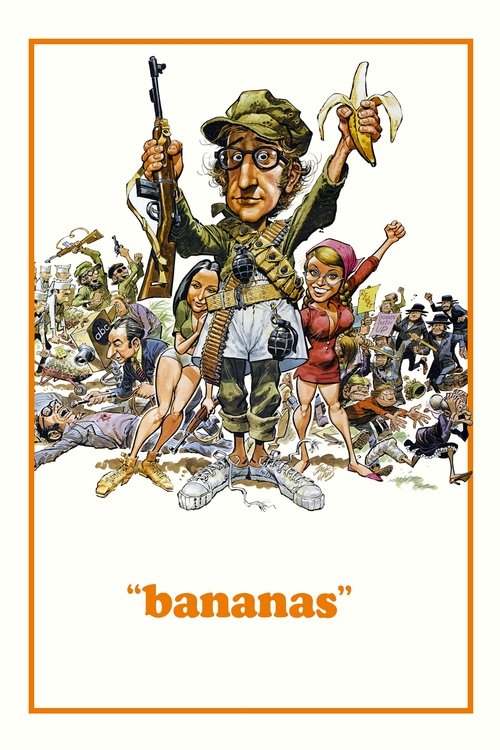
When a bumbling New Yorker is dumped by his activist girlfriend, he travels to a tiny Latin American nation and becomes involved in its latest rebellion.
Bananas

A political activist is convinced that her guest is a man who once tortured her for the government.
Death and the Maiden
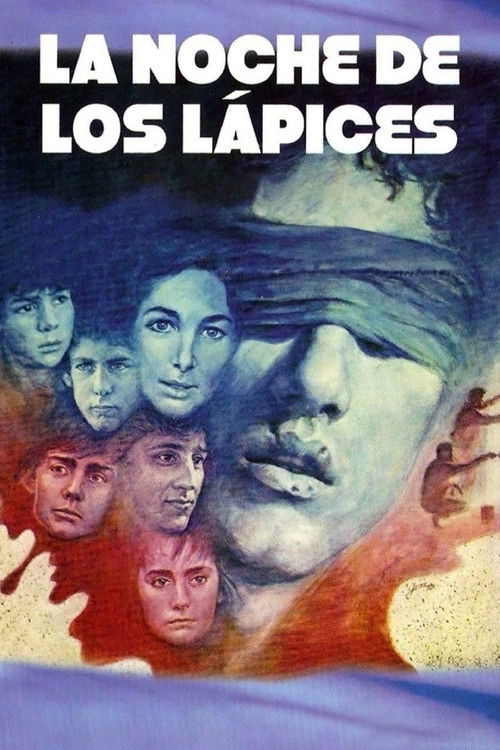
The Night of the Pencils was a series of kidnappings and forced disappearances, followed by the torture, rape, and murder of a number of young students during the last Argentine dictatorship (known as the National Reorganization Process). The kidnappings took place over the course of several days beginning on September 16, 1976.
Night of the Pencils

The life of the bullfighter Andrés Roca Rey during a day of bullfighting, from the moment he dresses up to the moment he undresses.
Afternoons of Solitude
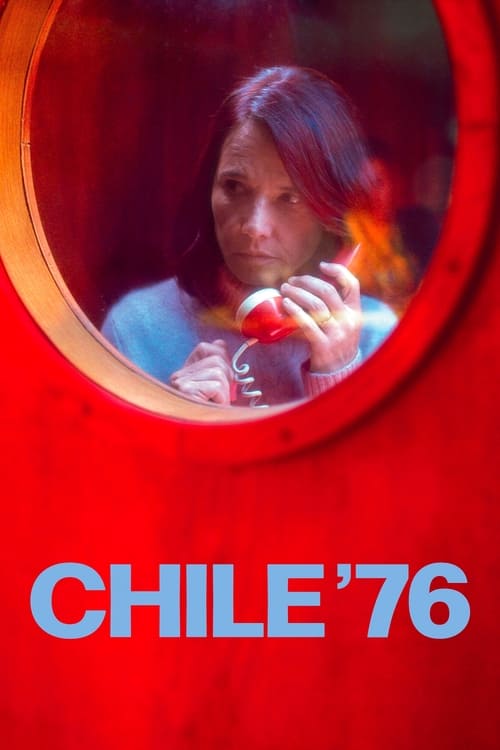
Chile, 1976. Carmen heads off to her beach house. When the family priest asks her to take care of a young man he is sheltering in secret, Carmen steps onto unexplored territories, away from the quiet life she is used to.
Chile '76
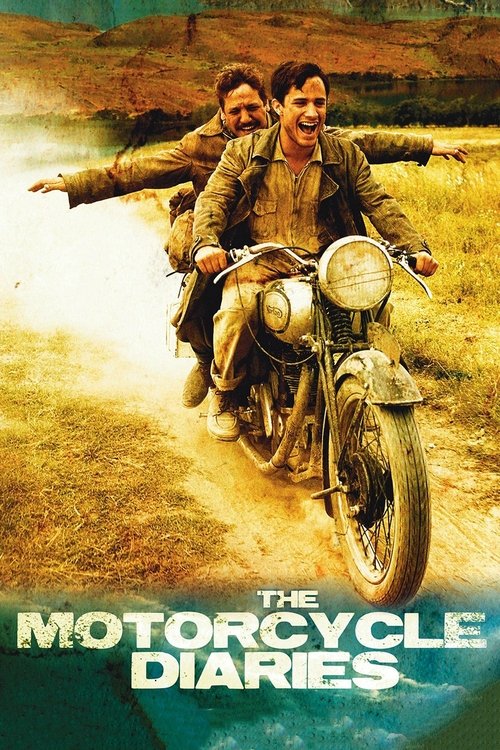
Based on the journals of Che Guevara, leader of the Cuban Revolution. In his memoirs, Guevara recounts adventures he and best friend Alberto Granado had while crossing South America by motorcycle in the early 1950s.
The Motorcycle Diaries
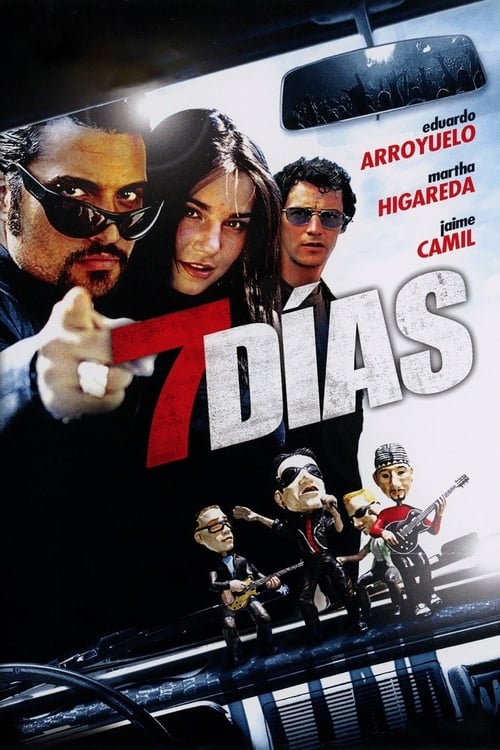
Claudio Caballero decides to gamble $500,000 in a desperate attempt to raise the cash necessary to bring the world's biggest band (U2) to Mexico.
7 Days
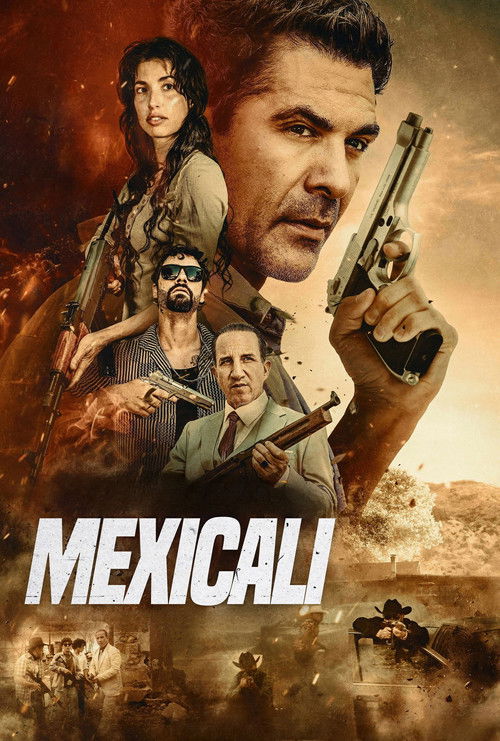
A former special forces contractor is forced out of retirement as an avocado farmer in Mexico when local gangsters try to force him and his family off their farm.
Mexicali
The friendship between two children is threatened by their parents’ differences. Malú is from a family that was upper-class before the Revolution and remains well-to-do through remittances from relatives overseas, and her single mother (Larisa Vega Alamar) does not want her to play with Jorgito, as she thinks his background coarse and commonplace. Jorgito’s mother (Luisa María Jiménez Rodríguez),
Viva Cuba
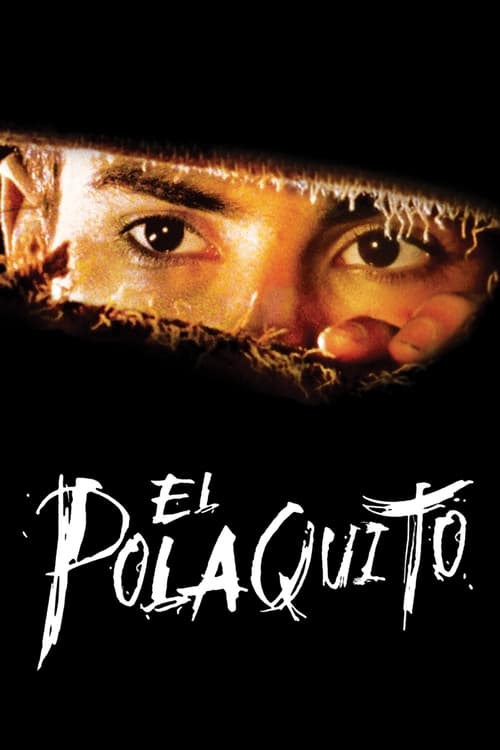
At age 13, a street kid known as "El Polaquito" makes his living mostly by singing tangos on Buenos Aires commuter trains. He falls in love with a 16 year old prostitute, also working for the Mafia controlling child exploitation in one of Argentina's busiest train stations. He tries to rescue her from this cruel life with no future. But to do so, he must confront the ruthless adult gang leaders, as well as the young kids who protect them, believing that this Mafia is truly their only option.
El Polaquito
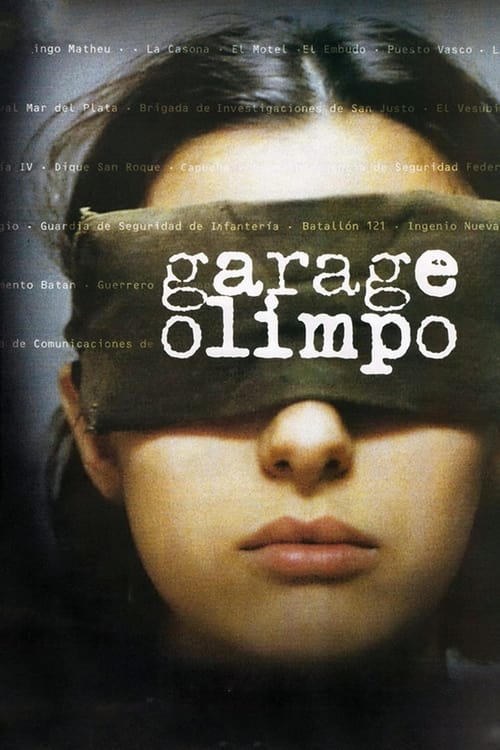
María is eighteen years old, she lives with her mother in an old house in Buenos Aires in 1978, subletting rooms and giving classes to poor illiterate adults. Suddenly she is abducted by a military squad and finds herself accused of subversion and submitted to torture in the hideous underground of the Garage Olimpo, while her mother desperately tries to find her.
Garage Olimpo
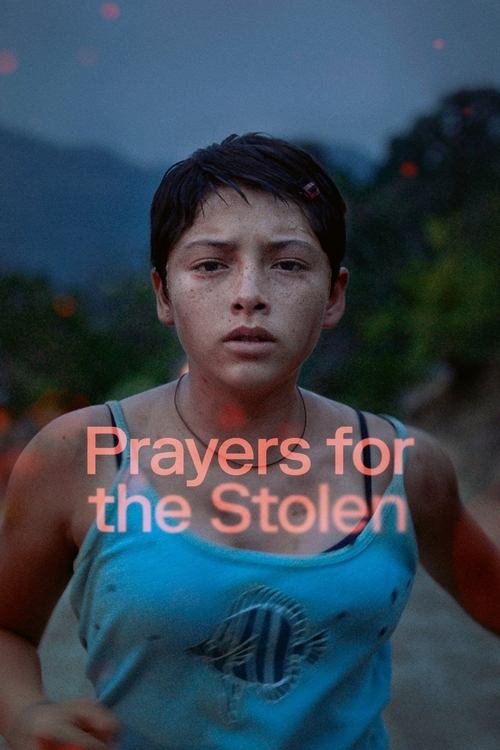
Ana and her two best friends, Maria and Paula, navigate life in their oppressive countryside village. Whilst their families struggle in the poppy fields harvesting opium, the girls try to grow alongside the creeping terror of their cartel oppressors.
Prayers for the Stolen
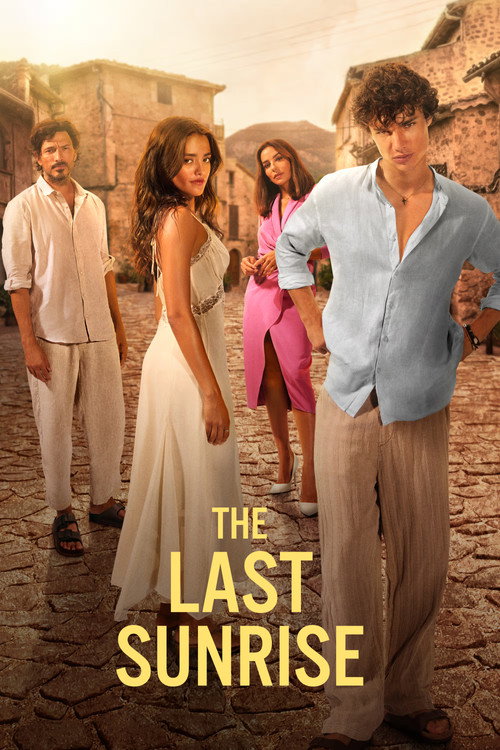
Ry, a college student with a chronic illness, escapes to Mallorca for the summer with her mother, where she unexpectedly falls for a local and begins to embrace living in the moment. But as her condition worsens and long-hidden family secrets come to light, everything she has found before summer's end is threatened.
The Last Sunrise
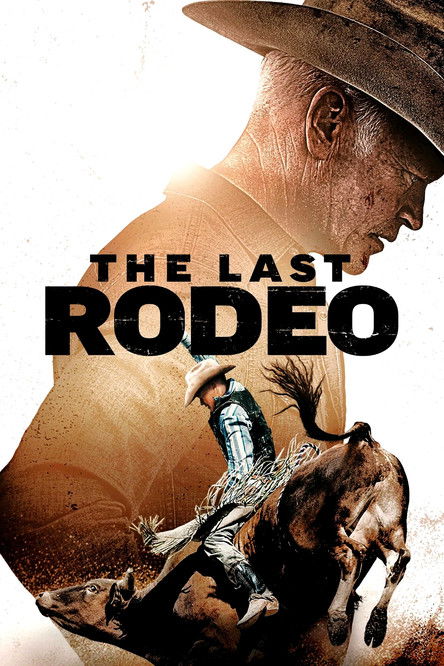
A retired rodeo legend risks it all to save his grandson. Facing his own painful past and the fears of his family, he enters a high-stakes bullriding competition as the oldest contestant ever. Along the way, he reconciles old wounds with his estranged daughter and proves that true courage is found in the fight for family.
The Last Rodeo
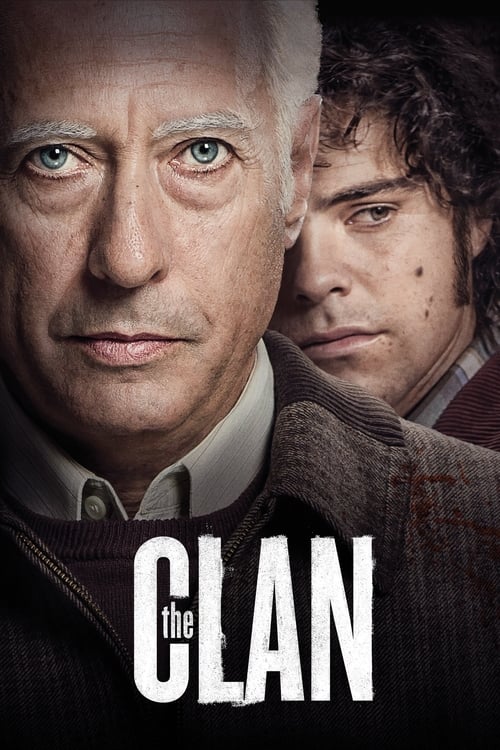
In Argentina, between 1982 and 1985, the Puccios, a well-established family of San Isidro, an upper-class suburb of Buenos Aires, kidnap several people and hold them as hostages for a ransom.
The Clan
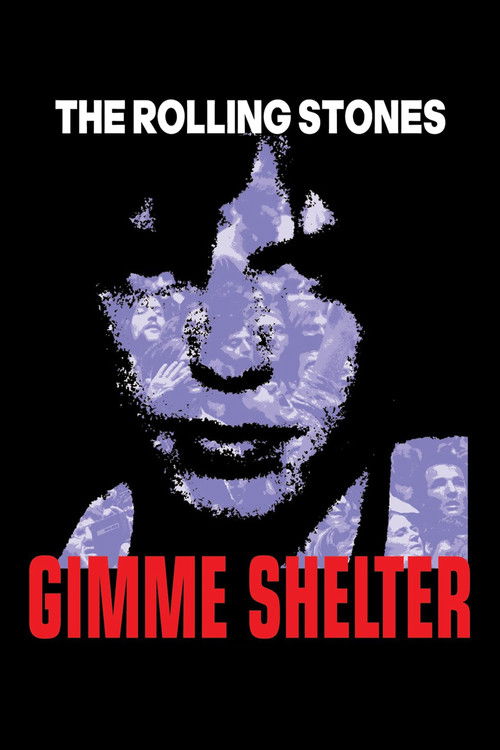
A detailed chronicle of the famous 1969 tour of the United States by the British rock band The Rolling Stones, which culminated with the disastrous and tragic concert held on December 6 at the Altamont Speedway Free Festival, an event of historical significance, as it marked the end of an era: the generation of peace and love suddenly became the generation of disillusionment.
Gimme Shelter

During the marijuana bonanza, a violent decade that saw the origins of drug trafficking in Colombia, Rapayet and his indigenous family get involved in a war to control the business that ends up destroying their lives and their culture.
Birds of Passage
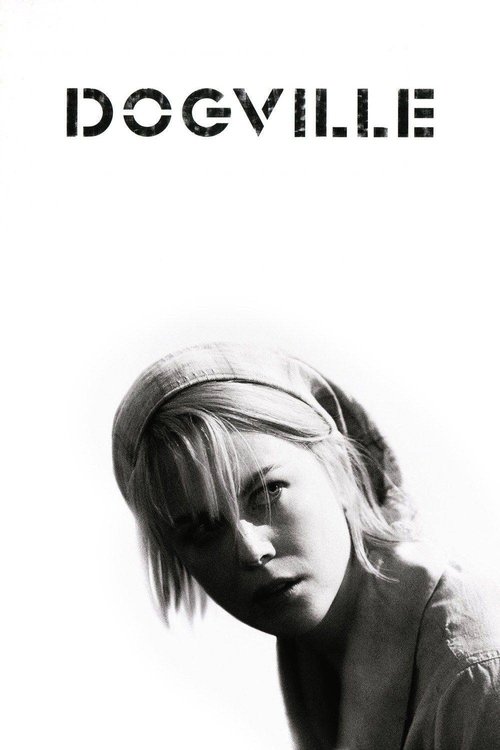
A woman on the run from the mob is reluctantly accepted in a small Colorado community in exchange for labor, but when a search visits the town, she learns that their support has a price.