Le court des grands
Synopsis
You might also like
Commissioned to mark the 60th anniversary of the Cannes Film Festival, "To Each His Own Cinema" brought together 33 of the world's pre-eminent filmmakers to produce short pieces exploring the multifarious facets of cinema and their perspective on the state of their chosen artform in the early 21st century.
To Each His Own Cinema
Four tales unfold in Wes Anderson's anthology of short films adapted from Roald Dahl's beloved stories, "The Wonderful Story of Henry Sugar", "The Swan", "The Rat Catcher", and "Poison."
The Wonderful Story of Henry Sugar and Three More

A collection of Warner Brothers short cartoon features, "starring" the likes of Daffy Duck, Porky Pig and Wile.E.Coyote. These animations are interspersed by Bugs Bunny reminiscing on past events and providing links between the individual animations which are otherwise unconnected. This 1979 feature-length compilation includes several of his best cartoons. Among the 11 shorts shown in their entirety are the classics "Robin Hood Daffy," "What's Opera, Doc?," "Bully for Bugs," and "Duck Amuck". The Bugs Bunny Road Runner Movie provides a showcase not only for Jones's razor-sharp timing, but for the work of his exceptional crew, which included designer Maurice Noble, writer Mike Maltese, composers Carl Stalling and Milt Franklyn, and voice actor Mel Blanc.
The Bugs Bunny/Road Runner Movie
An unpredictable documentary from a fascinating storyteller, Agnès Varda’s last film sheds light on her experience as a director, bringing a personal insight to what she calls "cine-writing," traveling from Rue Daguerre in Paris to Los Angeles and Beijing.
Varda by Agnès
A psychotherapist helps a law student cope with schizophrenia in one of five interconnected tales dealing with mental illness.
Call Me Crazy: A Five Film
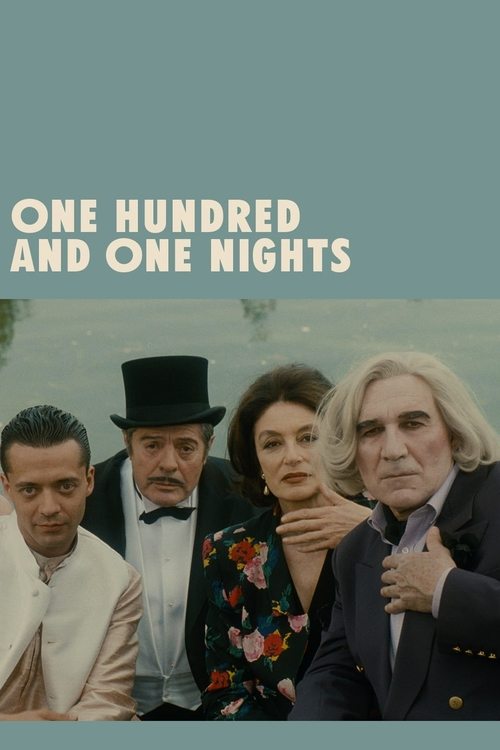
Monsieur Cinema, a hundred years old, lives alone in a large villa. His memories fade away, so he engages a young woman to tell him stories about all the movies ever made.
One Hundred and One Nights
Documentary about the art of film editing. Clips are shown from many groundbreaking films with innovative editing styles.
The Cutting Edge: The Magic of Movie Editing
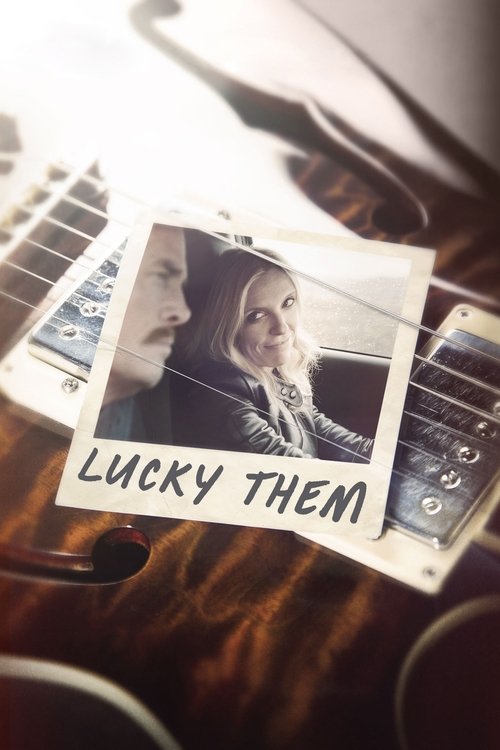
More interested in partying and flirting with young musicians than work, veteran rock journalist Ellie Klug has one last chance to prove her value to her magazine’s editor: a no-stone-unturned search to discover what really happened to long lost rock god, Matt Smith, who also happens to be her ex-boyfriend. Teaming up with an eccentric amateur documentary filmmaker, Ellie hits the road in search of answers.
Lucky Them

In a suburban landscape, the lives of several families interlace with loss, despair and personal crisis. Esther Gold has lost focus on all but caring for her comatose son, Paul, and neglects her daughter and husband. Lawyer Jim Train is devoted to his career, not his family. Helen Christianson wants to find a new spark in life, while Annette Jennings tries to rebuild hers.
The Safety of Objects

Using the book 'Fragments', which collects Marilyn Monroe's poems, notes and letters, and with participation from the Arthur Miller and Truman Capote estates who have contributed more material, each of the actresses will embody the legend at various stages in her life.
Love, Marilyn
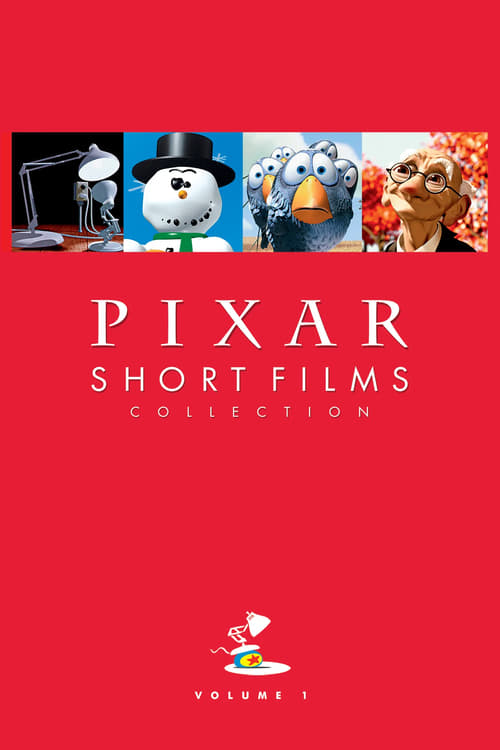
Experience these masterpieces of storytelling from the creative minds that brought you Toy Story, Monsters, Inc., Finding Nemo and many more. With revolutionary animation, unforgettable music and characters you love, these dazzling short films have changed the face of animation and entertainment and are sure to delight people of all ages for years to come.
Pixar Short Films Collection: Volume 1
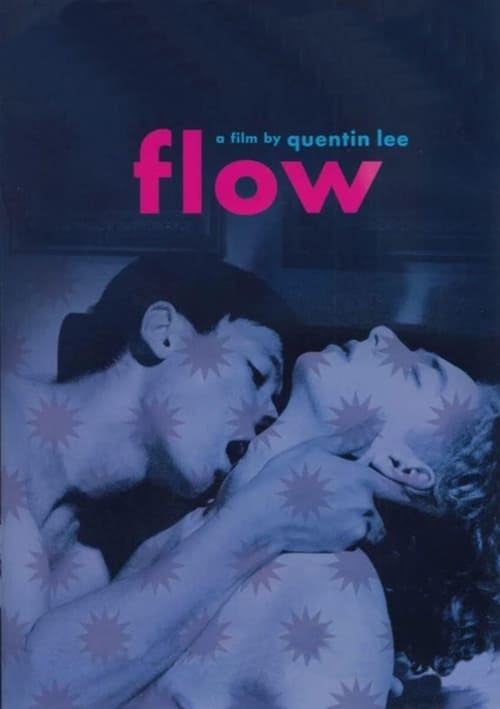
A filmmaker talks about his work and love life with an unseen friend behind the camera. We also watch four of his short films.
Flow
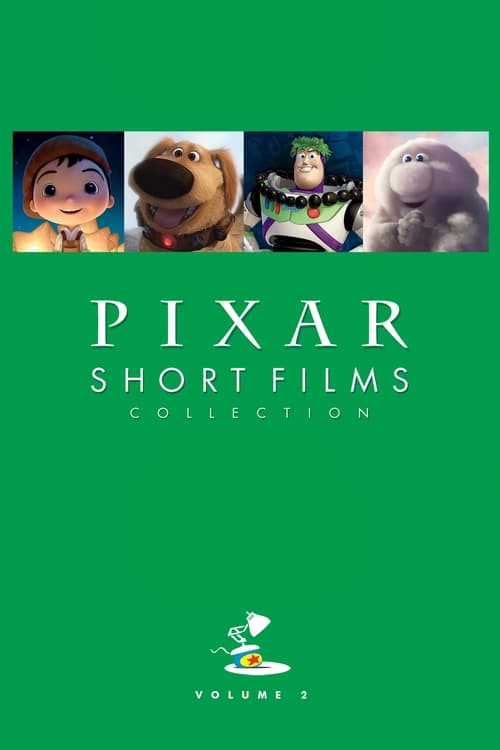
Disney and Pixar present an incredible new collection of 12 short films, featuring multiple Academy Award® nominees (Best Short Film, Animated: "Presto," 2008; "Day & Night," 2010; "La Luna," 2011) and a host of family favorites. Join the celebration of imagination with this collection, packed with unforgettable animation, fantastic stories and captivating characters. Plus, enjoy all-new extras that share how Pixar's storied talent got their start — including student films from acclaimed directors John Lasseter, Andrew Stanton and Pete Docter!
Pixar Short Films Collection: Volume 2
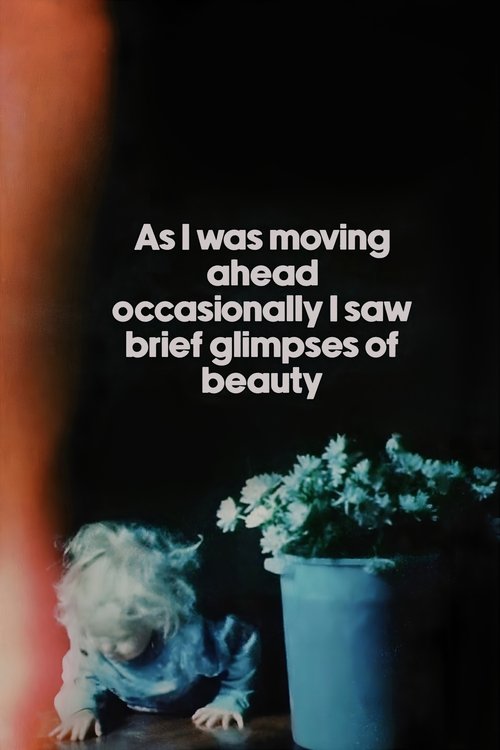
A compilation of over 30 years of private home movie footage shot by Lithuanian-American avant-garde director Jonas Mekas, assembled by Mekas "purely by chance", without concern for chronological order.
As I Was Moving Ahead, Occasionally I Saw Brief Glimpses of Beauty

Diaries, audiotapes, videotapes and testimonials from friends and colleagues offer insight into the life and career of Gilda Radner -- the beloved comic and actress who became an icon on Saturday Night Live.
Love, Gilda
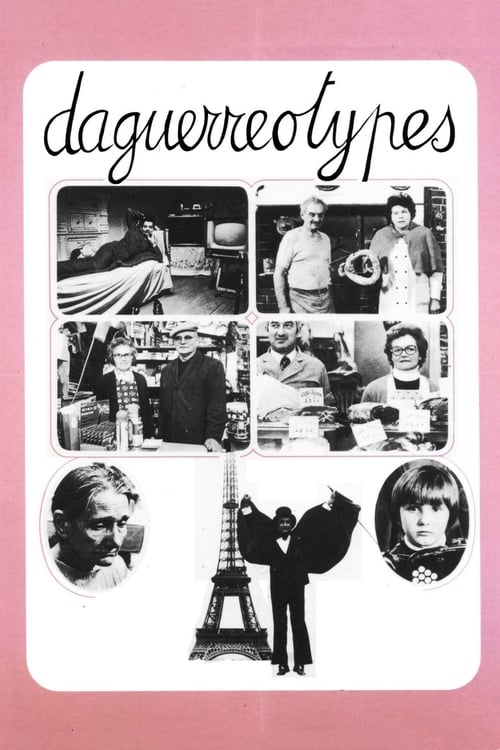
An intimate portrait of the small shops and shopkeepers of the Rue Daguerre in Paris, a picturesque street that has been the filmmaker’s home for more than 50 years.
Daguerréotypes

Based on the true story of acclaimed music icon "Dalida" born in Cairo, who gained celebrity in the 50s, singing in French, Spanish, Arabic, Hebrew, German, Italian, playing in awarded Youssef Chahine's picture "Le Sixième Jour", and who later committed suicide in 1987 in Paris, after selling more than 130 million records worldwide.
Dalida
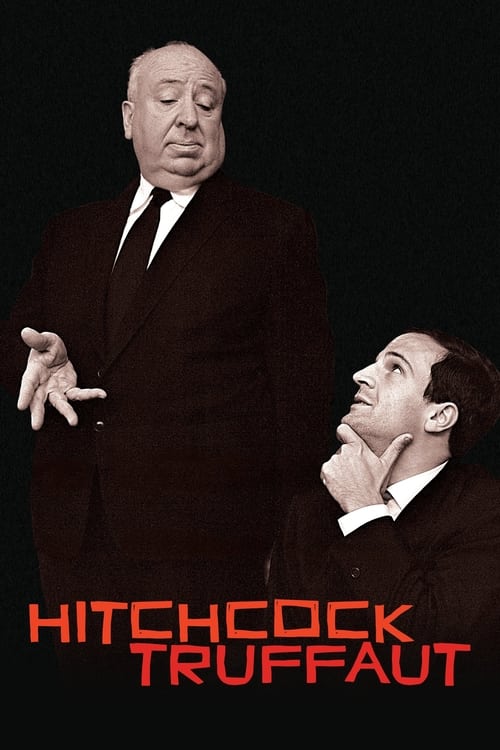
Filmmakers discuss the legacy of Alfred Hitchcock and the book “Hitchcock/Truffaut” (“Le cinéma selon Hitchcock”), written by François Truffaut and published in 1966.
Hitchcock/Truffaut
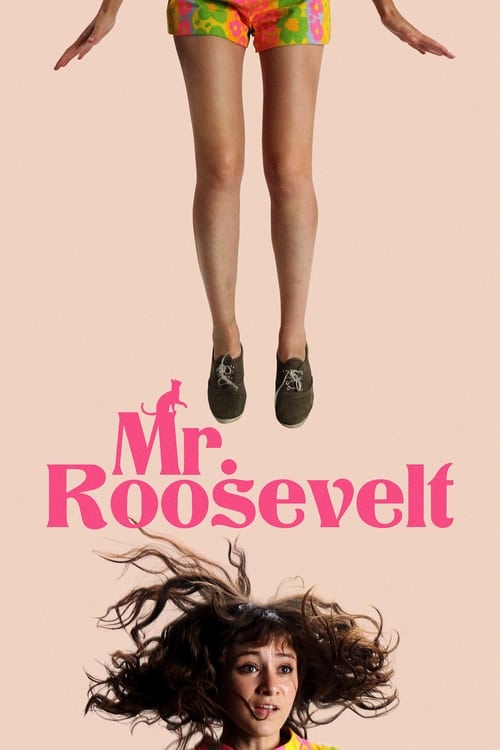
A young woman returns home and must confront her ex-boyfriend when an unexpected tragedy occurs.
Mr. Roosevelt
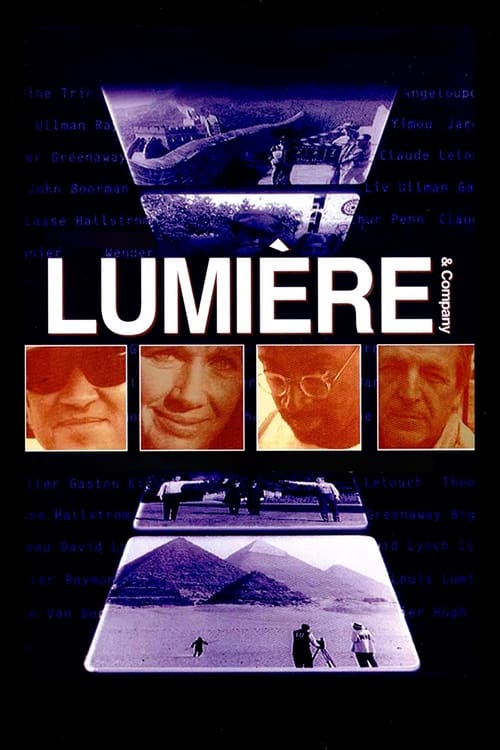
40 international directors were asked to make a short film using the original Cinematographe invented by the Lumière Brothers, working under conditions similar to those of 1895. There were three rules: (1) The film could be no longer than 52 seconds, (2) no synchronized sound was permitted, and (3) no more than three takes.