Vous aimerez aussi
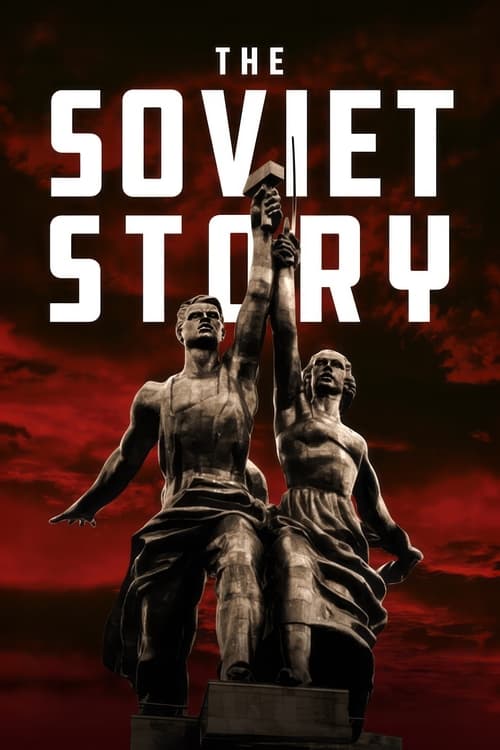
“The Soviet Story” is a story of an Allied power, which helped the Nazis to fight Jews and which slaughtered its own people on an industrial scale. Assisted by the West, this power triumphed on May 9th, 1945. Its crimes were made taboo, and the complete story of Europe’s most murderous regime has never been told. Until now...
The Soviet Story
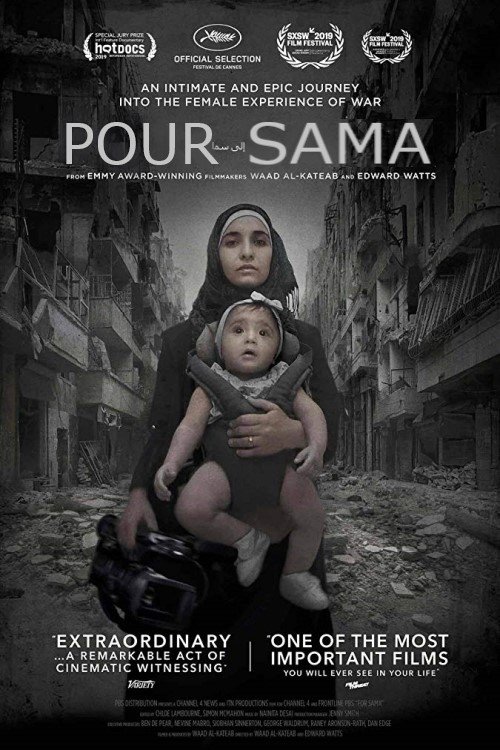
Waad al-Kateab est une jeune femme syrienne qui vit à Alep lorsque la guerre éclate en 2011. Sous les bombardements, la vie continue. Waad tombe amoureuse, se marie avec Hamza et donne naissance à sa fille, Sama. Elle filme au quotidien les pertes, les espoirs et la solidarité du peuple d’Alep. Son mari médecin sauve des centaines de vies dans un hôpital de fortune. Le couple est déchiré entre la protection de leur enfant et leur combat pour la liberté.
Pour Sama
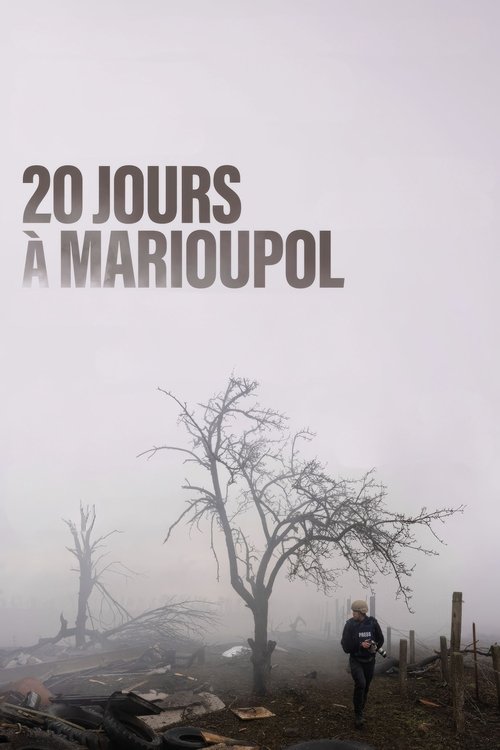
Février 2022. Une équipe de journalistes ukrainiens de l’Associated Press (AP), piégée dans la ville assiégée de Marioupol, filme les atrocités de l'invasion russe. Seuls reporters internationaux sur place, ils capturent ce qui deviendra plus tard des images marquantes de la guerre. Au plus près des civils, le réalisateur Mstyslav Chernov et son équipe, récompensés du prix Pulitzer, livrent un témoignage capital sur la réalité de la guerre qui déchire leur pays. Ils offrent un récit puissant et déchirant des civils pris dans le piège, ainsi qu'une réflexion sur la responsabilité d'un reporter en zone de conflit et sur l'impact d'un tel journalisme à l'échelle mondiale.
20 jours à Marioupol
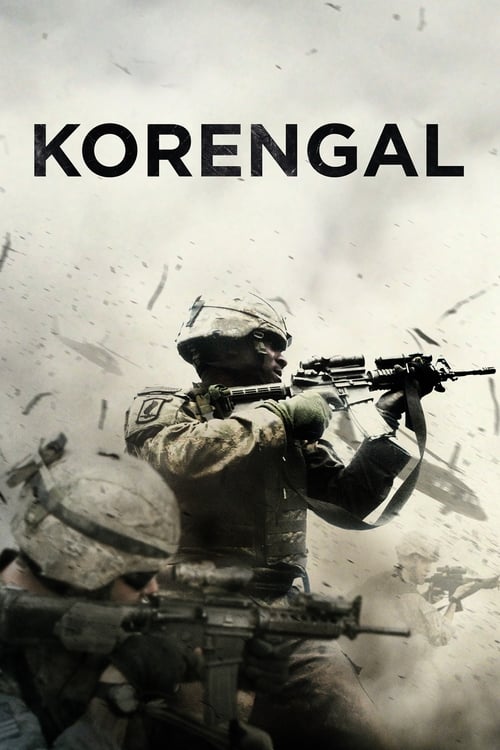
Korengal reprend là où Restrepo s'est arrêté; les mêmes hommes, la même vallée, les mêmes commandants, mais un regard très différent sur l'expérience de la guerre.
Korengal
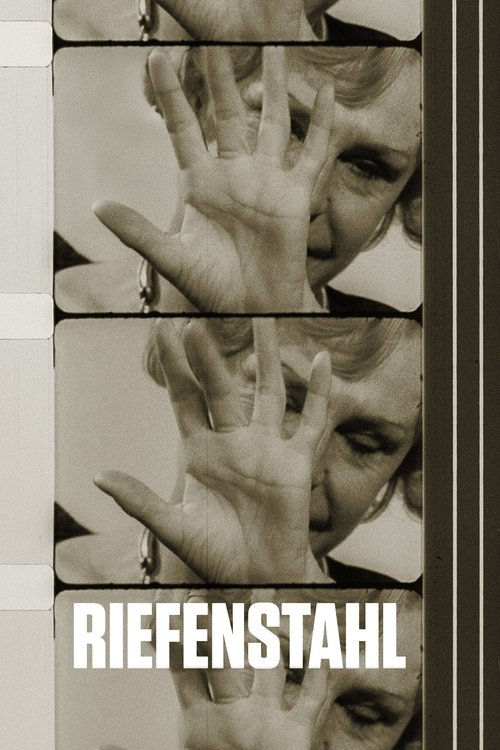
Explore l'héritage artistique de Leni Riefenstahl et ses liens complexes avec le régime nazi, en juxtaposant son autoportrait avec des preuves suggérant une conscience des atrocités du régime.
Leni Riefenstahl, la lumière et les ombres
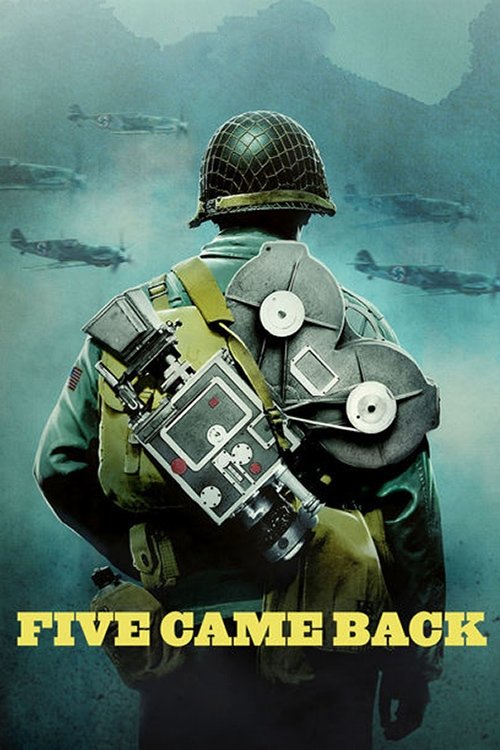
Série documentaire traitant de l'expérience de John Ford, William Wyler, John Huston, Frank Capra et George Stevens sur le théâtre européen durant la Seconde Guerre Mondiale. Narrée par Meryl Streep, la série offre des interventions de cinq cinéastes contemporains : Steven Spielberg, Francis Coppola Ford, Guillermo Del Toro, Paul Greengrass et Lawrence Kasdan.
Cinq hommes et une guerre
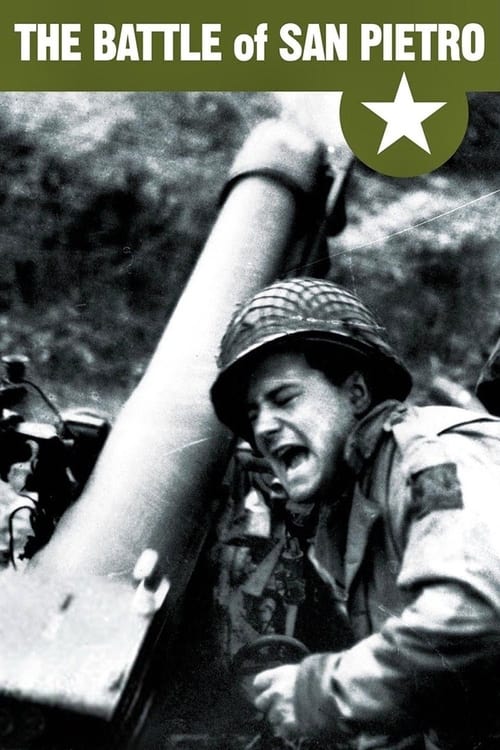
Fin 1943, après le débarquement en Italie, John Huston fut chargé de réaliser un documentaire sur l’avancée triomphale des troupes américaines sur Rome. Filmant des combats d’une rare violence, il réalisa l’un des plus bouleversants témoignages sur les horreurs de la guerre.
La Bataille de San Pietro
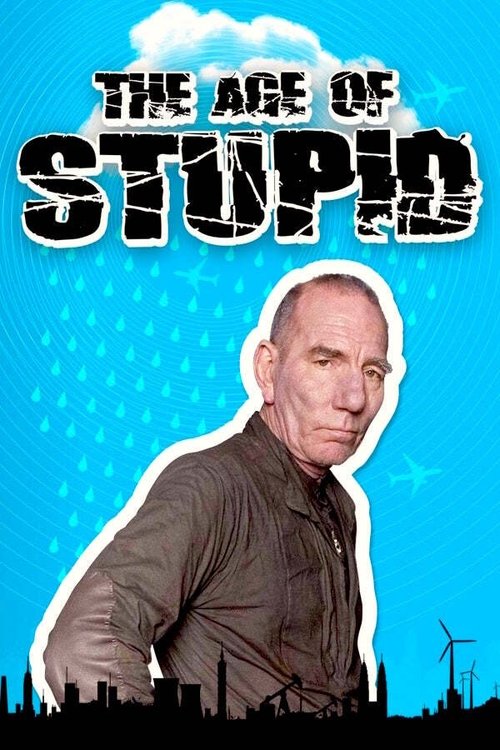
2055, un homme seul en haut d'une tour s'installe devant son ordinateur relié à l'ensemble des archives vidéo du monde. Face au monde dévasté qui l'entoure, il se pose la question suivante : pourquoi n'avons nous pas réagi lorsqu'il était encore temps ? Pour y répondre, il ouvre les archives de 2008.
L'âge de la stupidité

En 1945, le cinéaste Alfred Hitchcock est engagé pour superviser le montage d'un documentaire produit par l'armée britannique sur la libération des camps de concentration nazis. Un film qui était destiné à montrer au peuple allemand les atrocités qui avaient été commises en son nom par les nazis. Une fois le film terminé, celui-ci fut cependant enterré pour des raisons politiques et jamais diffusé. Il fut alors simplement déposé à l'Imperial War Museum, à Londres, où dans les années 1980, les pellicules y ont été redécouvertes par un chercheur américain. Le film a fait l'objet d'une restauration complète respectant les choix du cinéaste. "Night Will Fall" retrace l’histoire de ce film pas fini, qui était connue longtemps sous le nom "The missing Hitchcock"...
Images de la libération des camps. Chronique d’un film inachevé
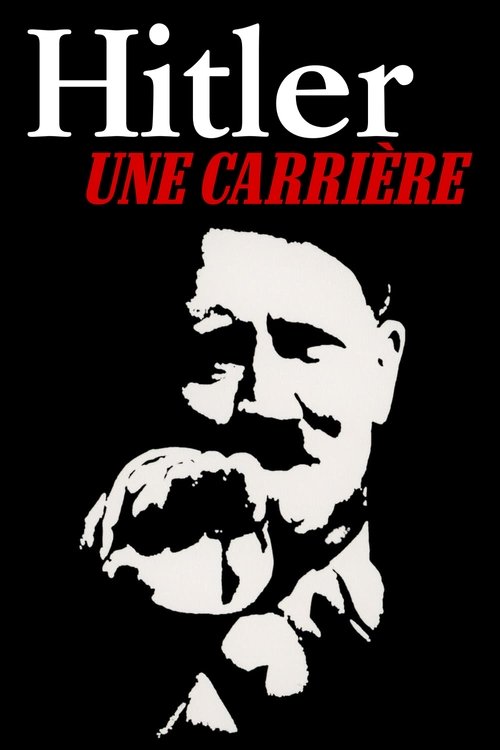
Inspiré du best-seller de l’historien Joachim C. Fest, ouvrage de référence absolu, ce documentaire est uniquement composé d’images d’archives et d’un commentaire fidèle à l’œuvre monumentale de Fest. Il permet de comprendre comment un homme a pu conduire un peuple à commettre l’irréparable et à plonger le monde dans l’horreur…
Hitler, une carrière
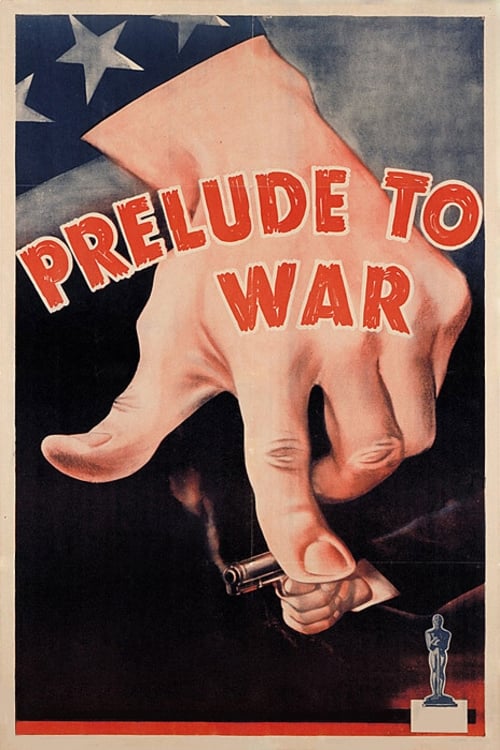
Oscar® du meilleur documentaire en 1943, ce film est le premier de la série Pourquoi nous combattons produite par le Département de la Guerre américain. L’objectif est de décrire et d’expliquer les événements qui ont poussé les États-Unis à entrer en guerre. Les systèmes totalitaires et répressifs allemands, italiens et japonais sont décryptés et opposés à la grande puissance démocratique des États-Unis.
Pourquoi nous combattons : Prélude à la guerre
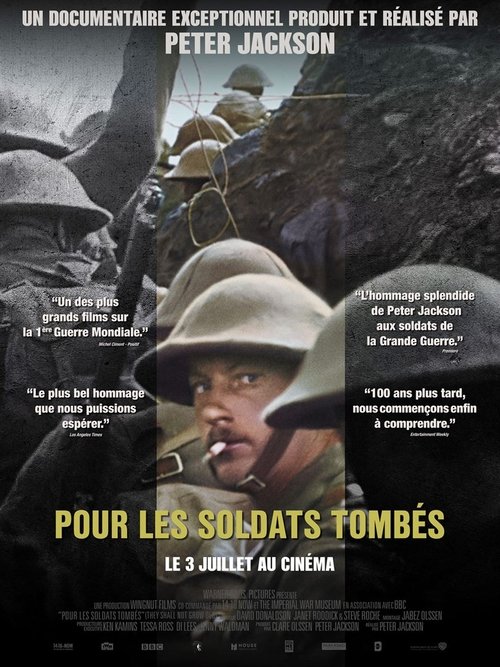
Entre 1914 et 1918, un conflit mondial change à jamais le cours de l’histoire. Les hommes et femmes qui y ont participé ne vivaient pas dans un monde silencieux, en noir et blanc. Un voyage dans le temps pour revivre l‘histoire avec ceux qui y étaient.
Pour les soldats tombés
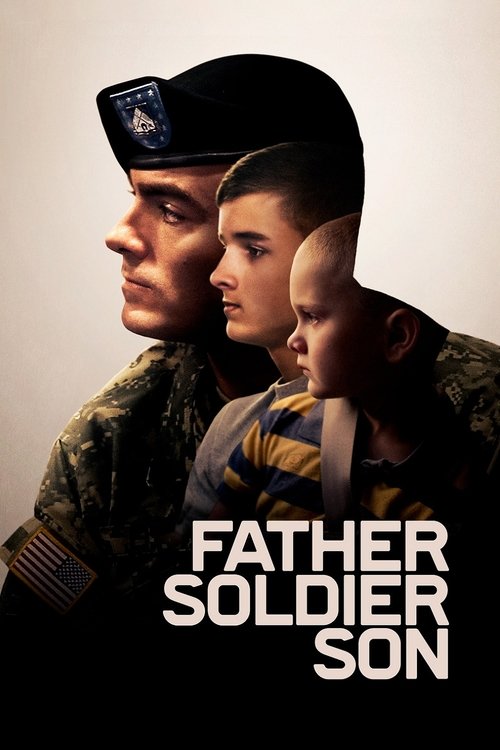
Après avoir été gravement blessé en Afghanistan, un père célibataire entame avec ses fils un voyage d'abnégation et une quête de rédemption.
Father Soldier Son
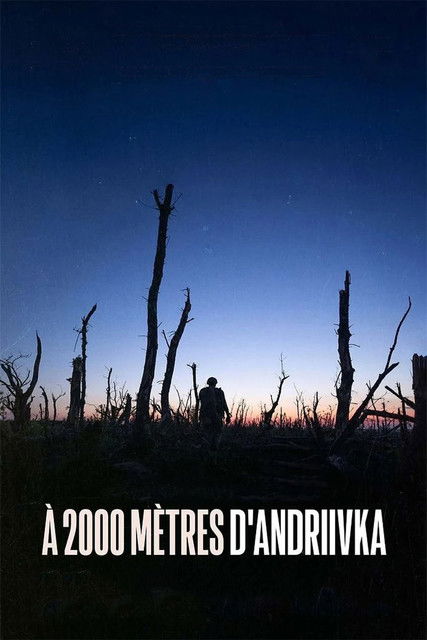
Une immersion viscérale au cœur de la guerre en Ukraine : Mstyslav Chernov suit des soldats ukrainiens en première ligne de front pour libérer le village d’Andriivka, un point stratégique de l’occupation russe proche de Bakhmut. Un véritable choc cinématographique.
À 2000 mètres d'Andriivka
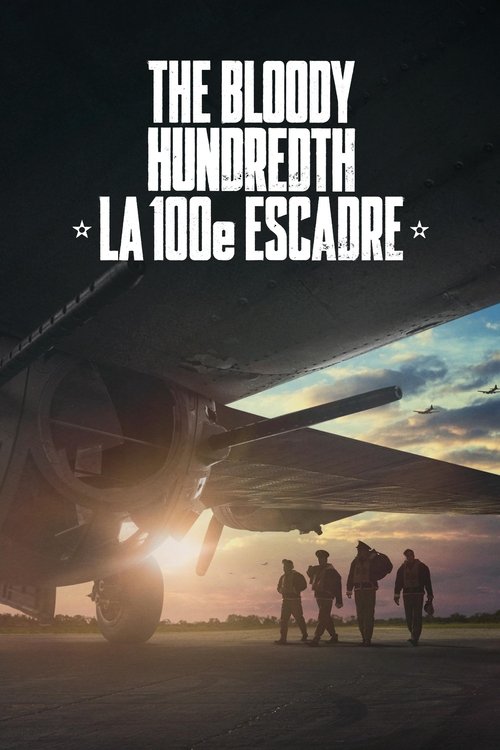
Rencontrez les vrais aviateurs ayant inspiré Masters of the Air à travers leur récit poignant et marquant sur le 100e groupe de bombardement.
The Bloody Hundredth : la 100e escadre
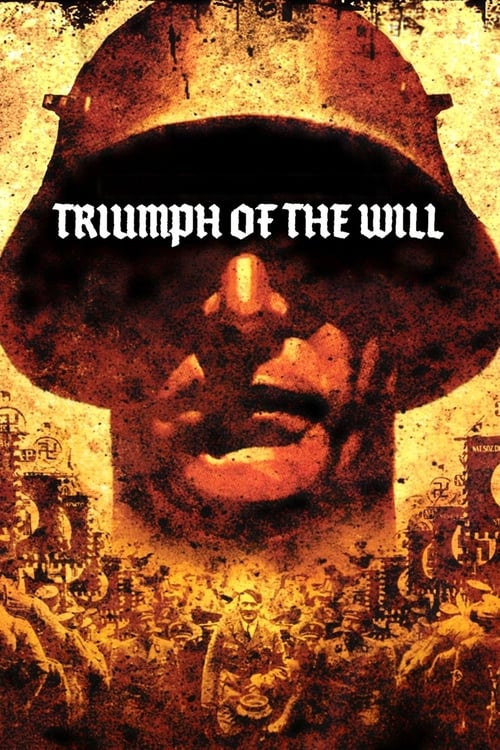
"Chef d'œuvre de haine, de vanité provocante, d'orgueil démoniaque, mais chef-d'œuvre tout de même." - Riefenstahl utilise le langage cinématographique pour glorifier et mythifier le sujet : contre-plongées héroïques, contre-champ nombreux de spectateurs (soldats, militants et "civils") enthousiastes. Le cadrage de la foule, lors de travellings ne permet pas un décompte exact. Travellings circulaires lors des discours et très grands plans lors des parades. - La séquence d'ouverture fait d'Hitler un dieu descendu des cieux pour sauver le peuple allemand. "Un dieu nouveau descendant du Walhalla", selon Mitry qui reprend l'analyse de Sadoul:("L'avion du nouveau Messie se posait à Nuremberg.") qui, plus loin, parle de "pompeuse déification wagnérienne". Ferro évoque "l'avion du Führer qui descend du ciel tel le démiurge"
Le Triomphe de la volonté
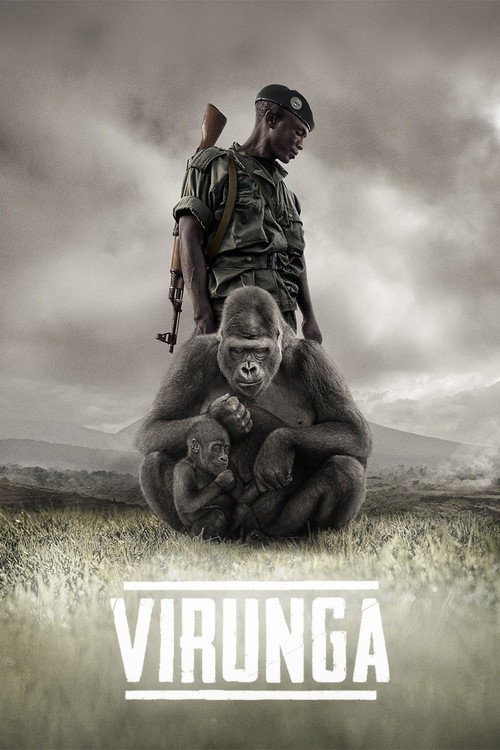
Virunga, c'est l'incroyable histoire de la défense d'un joyau du Congo face aux multinationales qui le saignent. Le film documentaire s'immisce dans une guerre économique sanguinaire, narrant la lutte de rangers qui risquent leur vie pour préserver le parc national de Virunga classé par l'UNESCO, source à la fois d'une biodiversité extraordinaire, générateur de revenus touristiques durables et poumons du Congo. Malheureusement, le parc suscite bien des convoitises, abritant dans son sol des minéraux précieux et du pétrole, peuplé d'éléphants et de gorilles régulièrement massacrés. Cette manne financière facile, des rebelles armés, les M23, en ont fait leur cheval de bataille, rôdant comme une ombre en corrompant à tout va - jusqu'à faire en sorte que le gouvernement autorise l'implantation en plein parc de SOCO, une multinationale pétrolière britannique.
Virunga
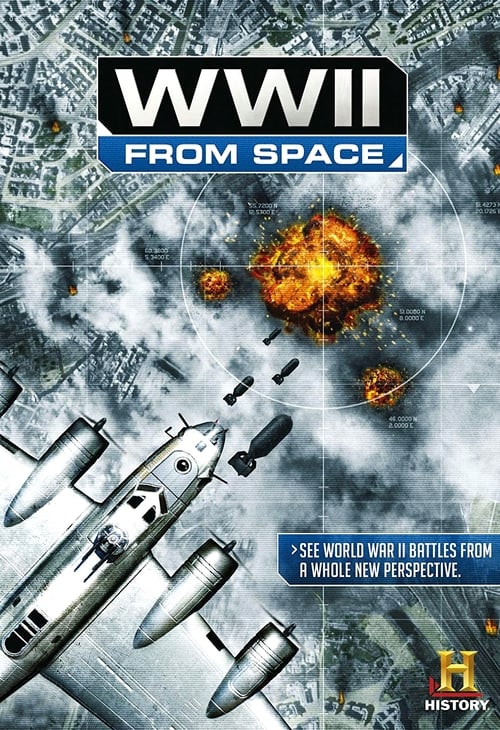
WWII from Space delivers World War II in a way you've never experienced it before. This HISTORY special uses an all-seeing CGI eye that offers a satellite view of the conflict, allowing you to experience it in a way that puts key events and tipping points in a global perspective. By re-creating groundbreaking moments that could never have been captured on camera, and by illustrating the importance of simultaneity and the hidden effects of crucial incidents, HISTORY presents the war's monumental moments in a never-before-seen context. And with new information brought to the forefront, you'll better understand how a nation ranked 19th in the world's militaries in 1939 emerged six years later as the planet's only atomic superpower.
WWII From Space
Un documentaire expérimental qui explore les relations de l'Arabie Saoudite avec les États-Unis et le rôle que celles-ci ont joué dans la guerre en Afghanistan.
Bitter Lake

L'actrice Mariska Hargitay, lauréate d'un Emmy® et d'un Golden Globe, se penche sur l'histoire de sa mère Jayne Mansfield, soixante ans après sa mort.
My Mom Jayne
Avis & Notes
Connectez-vous pour donner votre avis
Partagez votre opinion avec la communauté.