
Vous aimerez aussi

Documentary about the art of film editing. Clips are shown from many groundbreaking films with innovative editing styles.
The Cutting Edge: The Magic of Movie Editing

A behind-the-scenes documentary about the Clinton for President campaign, focusing on the adventures of spin doctors James Carville and George Stephanopoulos.
The War Room

Découvrez l'affaire de la thérapeute de l'Utah, Jodi Hildebrandt, dont l'arrestation pour maltraitance d'enfants, en compagnie de la youtubeuse spécialisée dans l'éducation des enfants Ruby Franke, a révélé une histoire de manipulation sordide.
Mauvaise influenceuse : L'histoire de Jodi Hildebrandt

En janvier 2013, la réalisatrice Laura Poitras prépare un film portant sur les abus commis au nom de la sécurité nationale dans la foulée du 11 septembre, lorsqu'elle reçoit un premier courriel encrypté d'une source identifiée par le nom de code « citizen four ». Ce dernier se dit prêt à dévoiler un programme clandestin d'écoute de masse orchestré par la NSA, ainsi que d'autres agences gouvernementales. En juin 2013, Laura Poitras, accompagnée du journaliste Glenn Greenwald et munie de sa caméra se rend à Hong Kong pour la première d'une série de rencontres avec l'homme derrière le pseudonyme, Edward Snowden.
Citizenfour
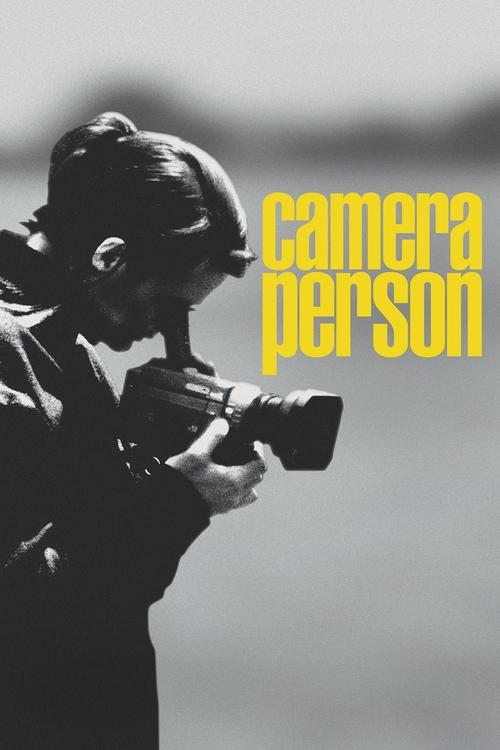
Kirsten Johnson, directrice de la photo depuis plus de 25 ans (ayant travaillé sur des documentaires tel que Citizenfour, La Guerre Invisible, The Oath et de nombreux autres), partage avec nous un journal composé de rushes de ses nombreux tournages, pour tenter de comprendre ce que signifie le fait de voir le monde à travers un objectif..
Cameraperson

This character-driven film considers the evolving sex trafficking landscape as seen by the main players: the exploited, the pimps, the johns that fuel the business, and the cops who fight to stop it.
Tricked: The Documentary
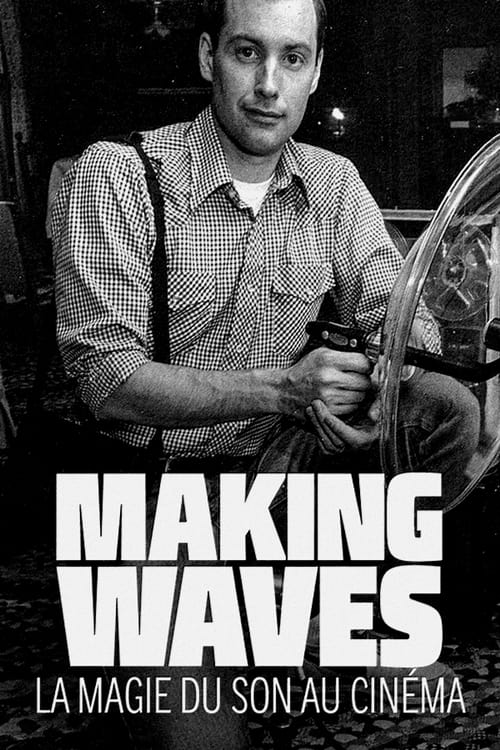
L'histoire du son au cinéma, racontée par des concepteurs sonores légendaires et des cinéastes visionnaires.
Making waves : la magie du son au cinéma

Waad al-Kateab est une jeune femme syrienne qui vit à Alep lorsque la guerre éclate en 2011. Sous les bombardements, la vie continue. Waad tombe amoureuse, se marie avec Hamza et donne naissance à sa fille, Sama. Elle filme au quotidien les pertes, les espoirs et la solidarité du peuple d’Alep. Son mari médecin sauve des centaines de vies dans un hôpital de fortune. Le couple est déchiré entre la protection de leur enfant et leur combat pour la liberté.
Pour Sama
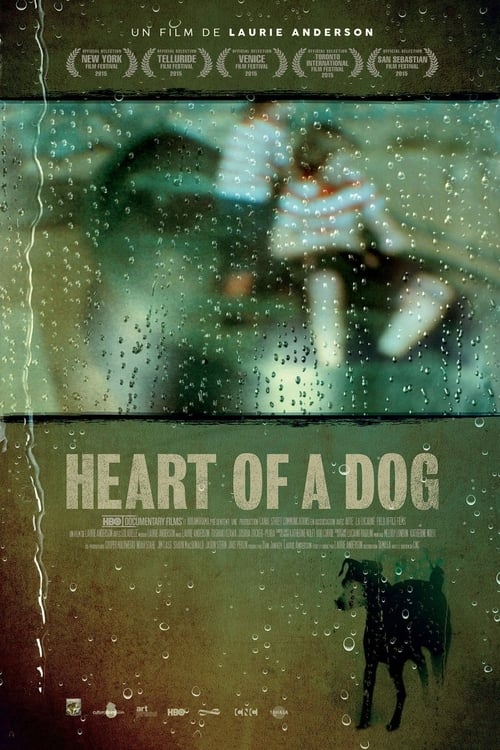
Centré sur le bien-aimé terrier de Laurie Anderson, sa chienne Lolabelle, qui est décédée en 2011, Heart of a Dog est un essai qui mêle souvenirs d’enfance, journal intime en vidéo, rêveries autour de la collecte de données, de la culture de surveillance, de la conception bouddhiste de la vie après la mort, et des hommages chaleureux aux artistes, musiciens et penseurs qui l’ont inspirée.
Heart of a Dog

A 13 ans, Nadya enchaîne les castings. La jeune Sibérienne s'est exilée à Tokyo avec l'aval de sa famille, voyant dans le mannequinat l'opportunité d'échapper à une vie de misère. Grâce à son visage enfantin, elle a été sélectionnée par Ashley, une ancienne top-model devenue dénicheuse, et par son associé, le doucereux Tigran. Elle ne doit pas prendre plus d'un centimètre de tour de taille sous peine d'être renvoyée chez elle criblée de dettes. Plongée dans un quotidien dénué de glamour et en proie aux ambitions de ses agents, l'adolescente, innocente starlette en herbe, garde le sourire. A travers son expérience, les deux réalisateurs dressent un tableau accablant du monde de l'image.
Le Voyage d'une jeune top model
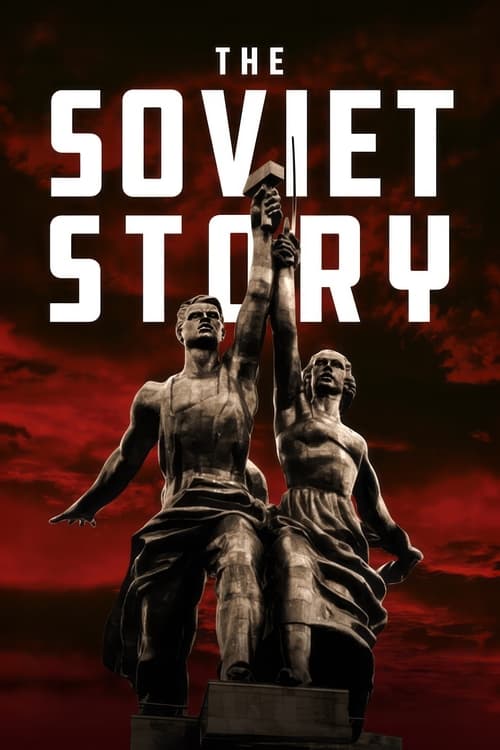
“The Soviet Story” is a story of an Allied power, which helped the Nazis to fight Jews and which slaughtered its own people on an industrial scale. Assisted by the West, this power triumphed on May 9th, 1945. Its crimes were made taboo, and the complete story of Europe’s most murderous regime has never been told. Until now...
The Soviet Story
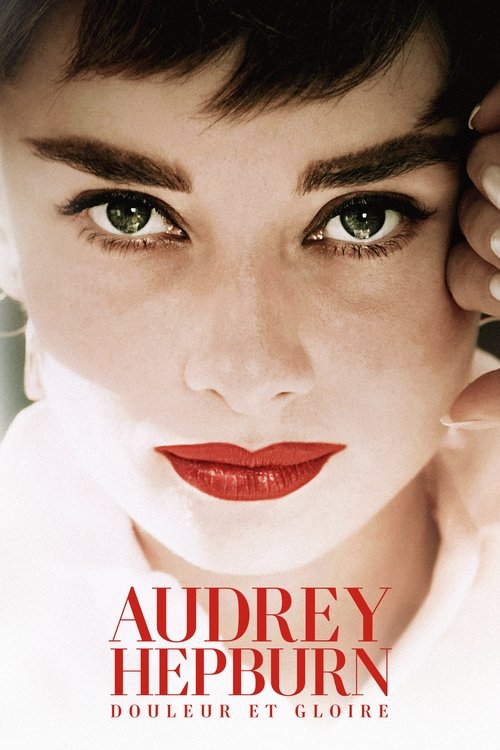
Un regard intime et sans précédent sur la vie, l'œuvre et l'héritage durable de l'actrice britannique Audrey Hepburn (1929-1993).
Audrey Hepburn : douleur et gloire
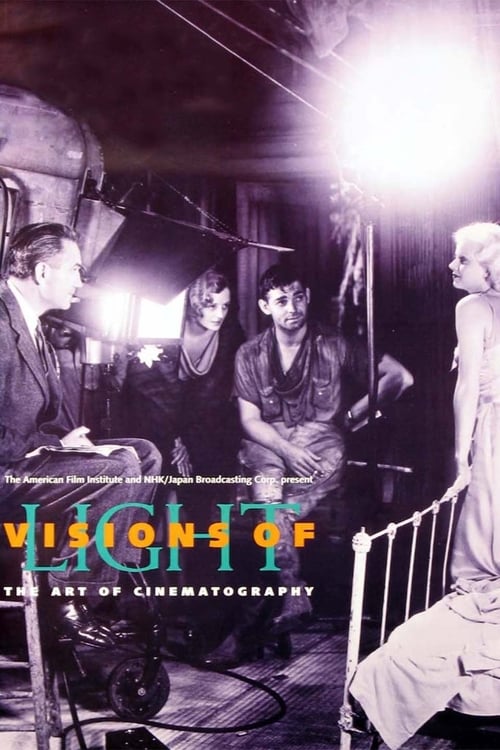
Cameramen and women discuss the craft and art of cinematography and of the "DP" (the director of photography), illustrating their points with clips from 100 films, from Birth of a Nation to Do the Right Thing. Themes: the DP tells people where to look; changes in movies (the arrival of sound, color, and wide screens) required creative responses from DPs; and, these artisans constantly invent new equipment and try new things, with wonderful results. The narration takes us through the identifiable studio styles of the 30s, the emergence of noir, the New York look, and the impact of Europeans. Citizen Kane, The Conformist, and Gordon Willis get special attention.
Visions of Light
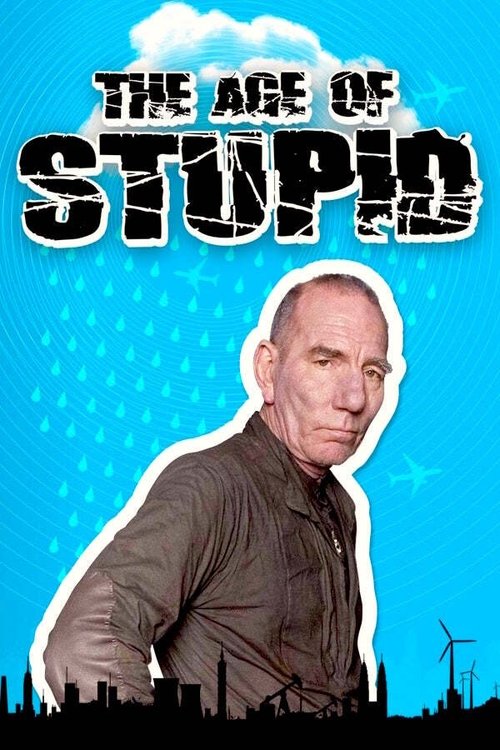
2055, un homme seul en haut d'une tour s'installe devant son ordinateur relié à l'ensemble des archives vidéo du monde. Face au monde dévasté qui l'entoure, il se pose la question suivante : pourquoi n'avons nous pas réagi lorsqu'il était encore temps ? Pour y répondre, il ouvre les archives de 2008.
L'âge de la stupidité

Diaries, audiotapes, videotapes and testimonials from friends and colleagues offer insight into the life and career of Gilda Radner -- the beloved comic and actress who became an icon on Saturday Night Live.
Love, Gilda
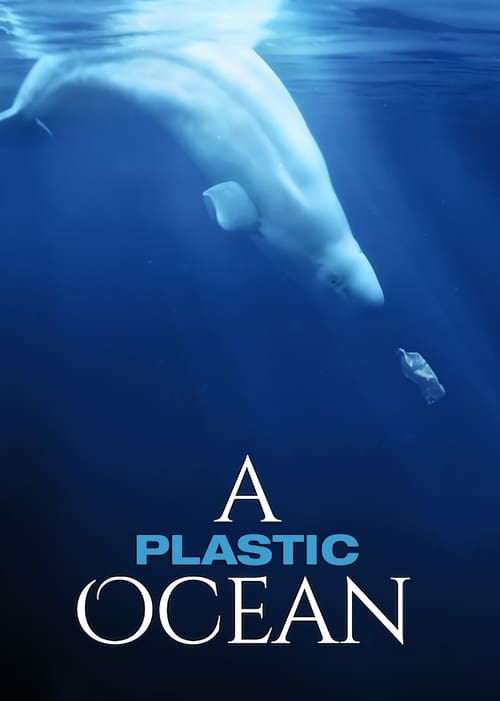
Ce documentaire montre l'amoncellement de débris plastiques flottants dans les océans et met en lumière les conséquences de cette forme de pollution sur l'environnement.
A Plastic Ocean
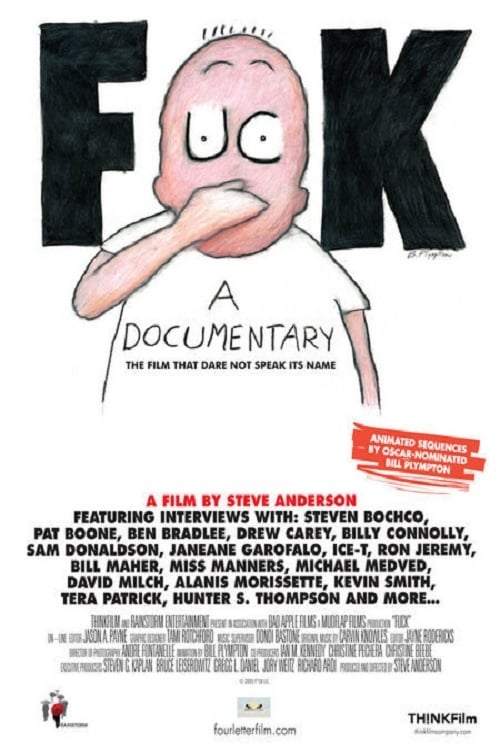
A documentary on the expletive's origin, why it offends some people so deeply, and what can be gained from its use.
Fuck

A documentary on seniors at a high school in a small Indiana town and their various cliques.
American Teen

La police arrête une femme qui affirme qu'elle vient d'accoucher. Mais ni le bébé ni le sang ne sont les siens. Les mensonges se succèdent dans ce documentaire sur un crime réel.
Maternal Instinct : L'énigme Taylor Parker
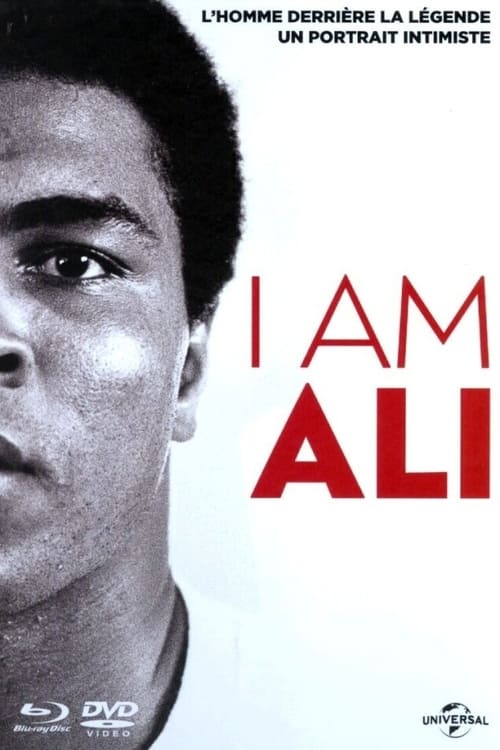
Un documentaire unique sur Mohamed Ali, l'homme à travers sa légende. Des témoignages exceptionnels de sa famille et ses amis, ainsi que des légendes de la boxe tels que Mike Tyson, George Foreman et Gene Kilroy.